



Are you spending hours at the gym but not seeing the results you want? It’s possible that some of your favorite exercises are actually holding you back. Learning about gym workout efficiency can be eye-opening.
Many people waste time doing exercises that don’t give them much benefit. To avoid this, you need a smart approach to your workouts. It’s not about working harder, but smarter with exercises that really work.
Professional trainers agree that not all exercises are good for you. Some popular ones might even harm your fitness goals and increase injury risk. This guide will show you seven important exercises you might be missing. They can change how you train for the better.
Key Takeaways
- Gym workout efficiency depends on exercise selection
- Not all popular exercises produce optimal results
- Strategic training can maximize your fitness potential
- Minimizing injury risk is crucial for consistent progress
- Quality of movement matters more than quantity
Why Some Popular Exercises Deserve a Second Look

In the world of fitness, not every popular exercise is good for you. Experienced trainers know that some common moves might actually harm you. It’s time to take a closer look at your workout routine.
When checking out exercises, fitness pros look at a few important things:
- Risk-to-benefit ratio
- Functional movement patterns
- Joint stress potential
- Muscle activation efficiency
It’s not about hating on any exercise. It’s about using your time and effort wisely. Picking exercises that are safer and more effective is key. Each move should have a purpose in your fitness journey.
“Just because an exercise is popular doesn’t mean it’s optimal for your body or goals.”
Learning about these criteria helps you choose better exercises. Your workouts will be safer, more effective, and help you reach your fitness goals.
The Classic Straight-Leg Crunch: Time to Rethink Your Ab Routine
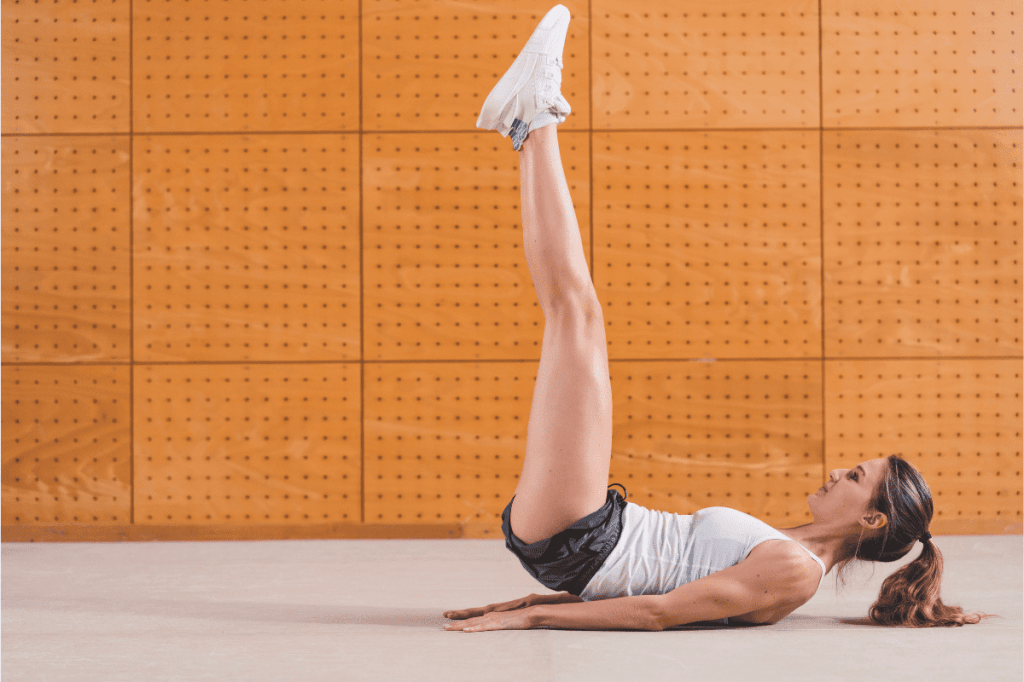
Not all exercises are the same when it comes to core training. The straight-leg crunch has been a common choice for many, but it’s time to examine its risks.
Some traditional ab exercises might actually harm you more than help. The straight-leg crunch seems like a good way to work your core. But it poses serious risks that many people ignore.
Understanding the Risks to Your Lower Back and Neck
Your spine faces a lot of stress during a straight-leg crunch. This exercise poses several biomechanical challenges:
- Excessive lower back strain
- Potential neck injury from improper form
- Minimal actual abdominal activation
Doing a straight-leg crunch puts too much pressure on your lower back and neck. The extended leg position increases lumbar flexion. This can cause injuries and long-term spinal problems.
Better Alternatives for Core Activation
Good core training protects your spine and engages muscles well. Here are better options than the straight-leg crunch:
- Planks – Provides full core stabilization
- Stability ball crunches
- Dead bug exercises
- Bird dog movements
These exercises are safer and more effective for building core strength. They help avoid lower back injuries. By choosing better ab exercises, you’ll keep your body safe and get better results.
Behind-the-Neck Press: A Shoulder Exercise That’s Not Worth the Risk
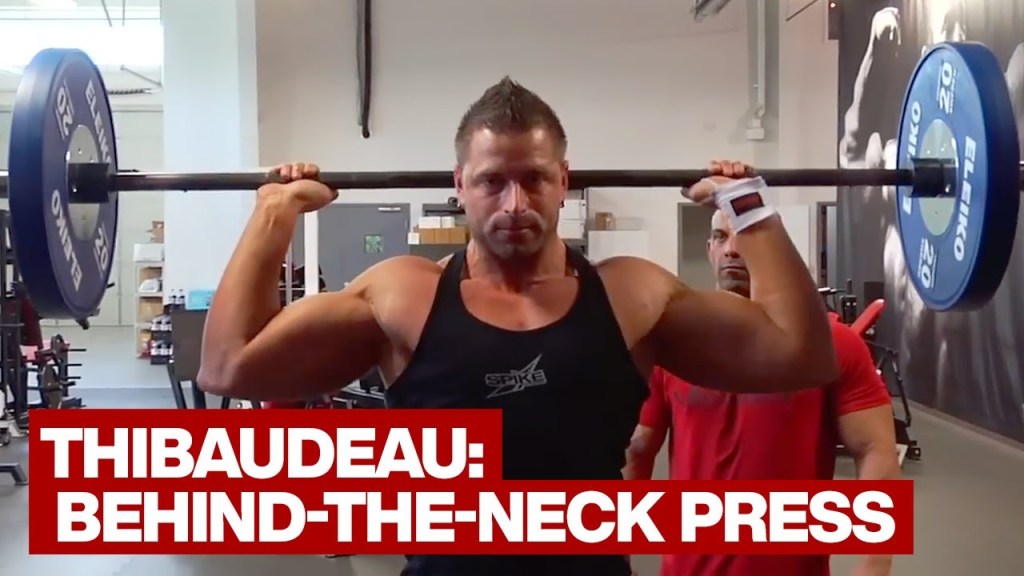
The behind-the-neck press is a risky shoulder exercise that can lead to serious injuries. Many gym-goers do this move without knowing the dangers to their rotator cuff and shoulder joint.
Doing a behind-the-neck press puts your shoulders in a very risky position. The extreme movement can cause several serious issues:
- Increased risk of shoulder impingement
- Potential rotator cuff tendon damage
- Excessive stress on the anterior shoulder capsule
- Higher likelihood of shoulder injury
Shoulder injury prevention starts with understanding biomechanical limitations. Most people don’t have the right shoulder mobility for this exercise. This is especially true for those who sit a lot or have desk jobs.
“Your shoulder joint is not designed to handle extreme positioning during shoulder exercises,” warns professional sports physiotherapist Dr. Michael Andrews.
Instead of risking your shoulder, try safer exercises that build strength. Overhead presses with a barbell in front or dumbbells are better for your shoulders.
The main point is: avoid the behind-the-neck press. Choose exercises that are safer for your shoulders but still help build muscle.
Leg Extension Machine: Protecting Your Knees for Long-Term Health
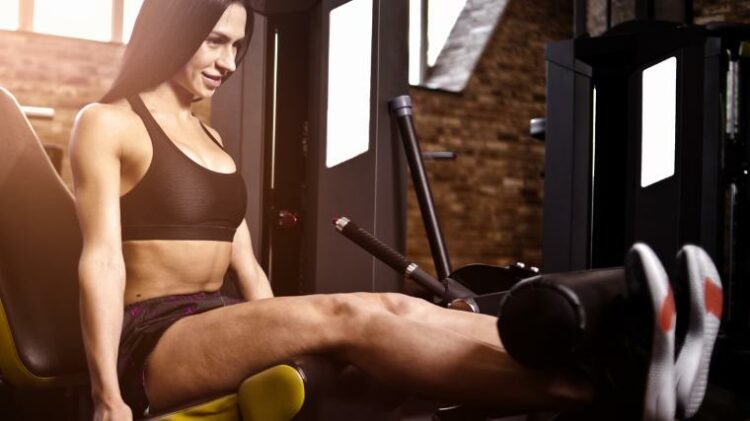
Your knee health is key when doing leg exercises. The leg extension machine might seem simple for building quad strength. But it could actually harm your knees more than help. Knowing how this gym equipment works can guide you to better workouts for your joints.
Why This Machine Creates Unnecessary Joint Stress
Leg extension machines put a lot of stress on your knee joint. When you do this exercise, your lower leg moves against resistance while your upper leg stays still. This doesn’t happen in everyday life.
- Creates excessive shear forces on the knee
- Puts intense pressure on the anterior cruciate ligament (ACL)
- Increases the risk of knee injury during full extension
“Not all exercises are created equal. Some can compromise your joint health without providing functional strength.” – Sports Medicine Research
Functional Leg Exercises That Build Real Strength
Instead of risking knee health, try exercises that work many muscles at once. These movements are more like what you do naturally.
- Bodyweight squats
- Walking lunges
- Step-ups
- Bulgarian split squats
These exercises are better for your knees and build strength for daily life and sports. Your joints will thank you for choosing smarter, more holistic leg exercises.
Smith Machine Squats: When Stability Becomes a Weakness

The Smith machine might seem safe for squats, but it could harm your strength training goals. It locks you into a fixed bar path, taking away your body’s natural movements. This creates an artificial exercise that limits real muscle growth.
Your stabilizer muscles are key to building true strength. Free weight squats work these muscles in ways Smith machine squats can’t. The machine’s rigid path forces unnatural movements, possibly stressing your knees and lower back.
- Eliminates natural three-dimensional movement
- Reduces engagement of critical stabilizer muscles
- Creates a false sense of strength and safety
Functional strength training needs exercises that mimic real-life movements. Smith machine squats don’t offer this. They don’t help you develop balance, coordination, or full muscle activation like free weight squats do. Learning traditional squats may take time, but it greatly improves your athletic performance.
True strength isn’t about lifting weight—it’s about controlling your body through natural, complex movements.
Switching from Smith machine squats to free weight variations is beneficial. Your body will see better muscle recruitment, joint health, and real strength growth. The effort to learn proper squat technique is well worth it.
Stop Wasting Time at the Gym! 7 Exercises You Might Be Skipping
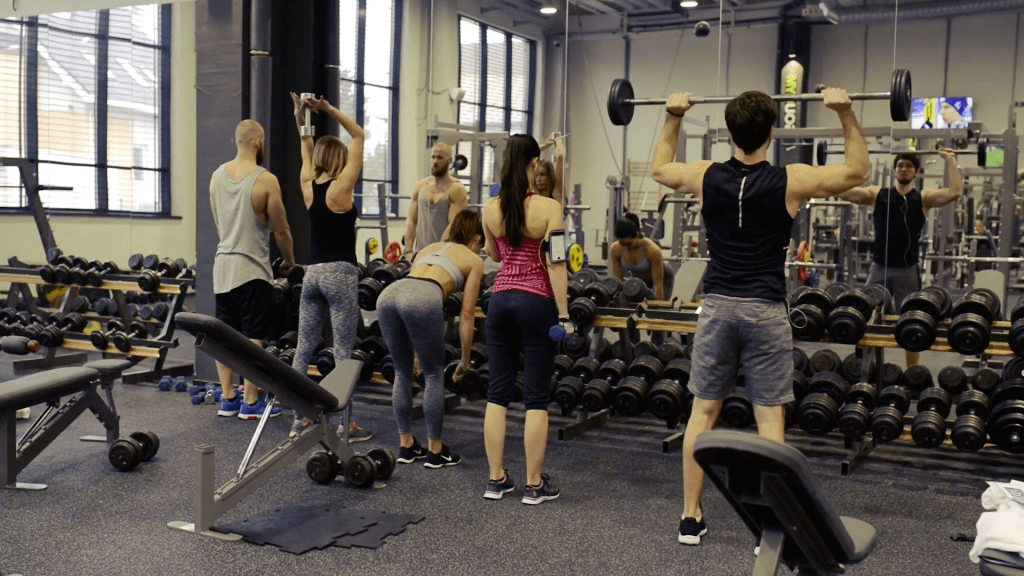
Your workout routine might be holding you back from achieving peak fitness. Knowing which exercises to avoid and what to do instead can greatly improve your training. This can lead to better results overall.
Many athletes unknowingly include ineffective or harmful movements in their training programs. To optimize your workout, focus on choosing exercises that are safe and engage muscles effectively.
The Complete List of Moves to Reconsider
Not all exercises are created equal. Your exercise list should focus on movements that deliver real results and minimize injury risk. Here are the key exercises you need to evaluate:
- Straight-Leg Crunch
- Behind-the-Neck Press
- Leg Extension Machine Movements
- Smith Machine Squats
- Upright Rows
- Traditional Sit-Ups
- Dangerous Shoulder Isolation Exercises
Smarter Training Choices for Better Results
Choosing better exercises isn’t about reducing intensity—it’s about increasing effectiveness. Your goal should be to keep workout intensity high while protecting your body from unnecessary stress.
| Problematic Exercise | Recommended Alternative | Primary Benefit |
|---|---|---|
| Straight-Leg Crunch | Planks | Safer Core Activation |
| Behind-the-Neck Press | Military Press | Reduced Shoulder Strain |
| Leg Extension Machine | Bodyweight Squats | Functional Leg Strength |
By making these better workout choices, you’ll develop a smarter training approach. This approach supports long-term fitness goals and reduces injury risk.
Upright Rows: The Hidden Danger to Your Shoulder Health
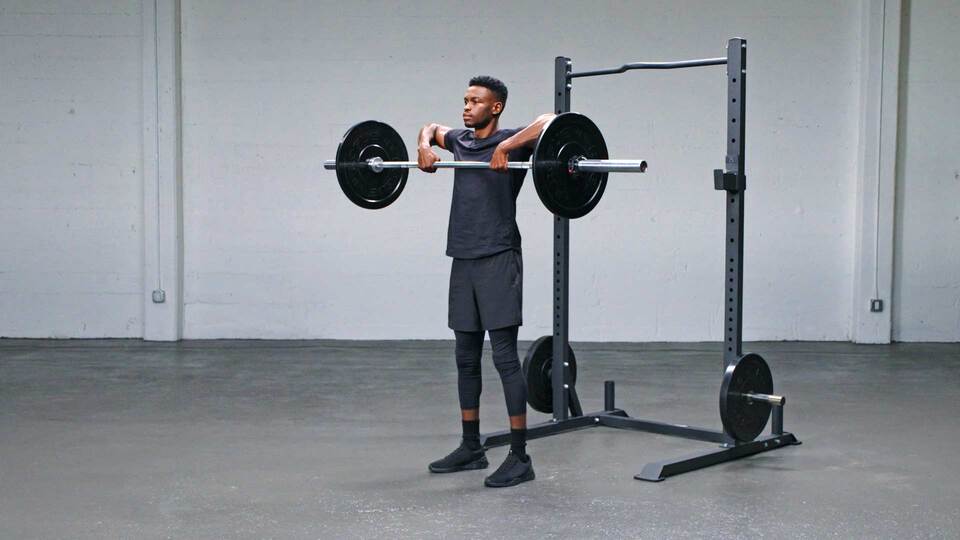
Upright rows might seem like a quick way to build shoulder and trap muscles. But they could be silently sabotaging your shoulder health. This popular exercise creates significant risks for shoulder impingement, potentially damaging your delicate rotator cuff muscles.
When you perform upright rows, you’re forcing your shoulder joint into a compromised position. The movement compresses the subacromial space, where critical rotator cuff tendons pass through. This compression increases the risk of inflammation and potential injury.
- High risk of shoulder impingement syndrome
- Increased pressure on rotator cuff tendons
- Potential for long-term joint damage
Your individual anatomy plays a crucial role in how your shoulders respond to this exercise. Some people might tolerate upright rows better than others, but the overall risk remains significant.
Instead of risking your shoulder health, consider these shoulder-safe exercises for deltoid training alternatives:
- Lateral raises
- Face pulls
- Cable lateral raises
- Dumbbell front raises
Protecting your shoulders now means maintaining strength and mobility for years to come. Prioritize exercises that support joint health and minimize unnecessary strain.
Building a Smarter Workout: Exercises That Actually Deliver Results
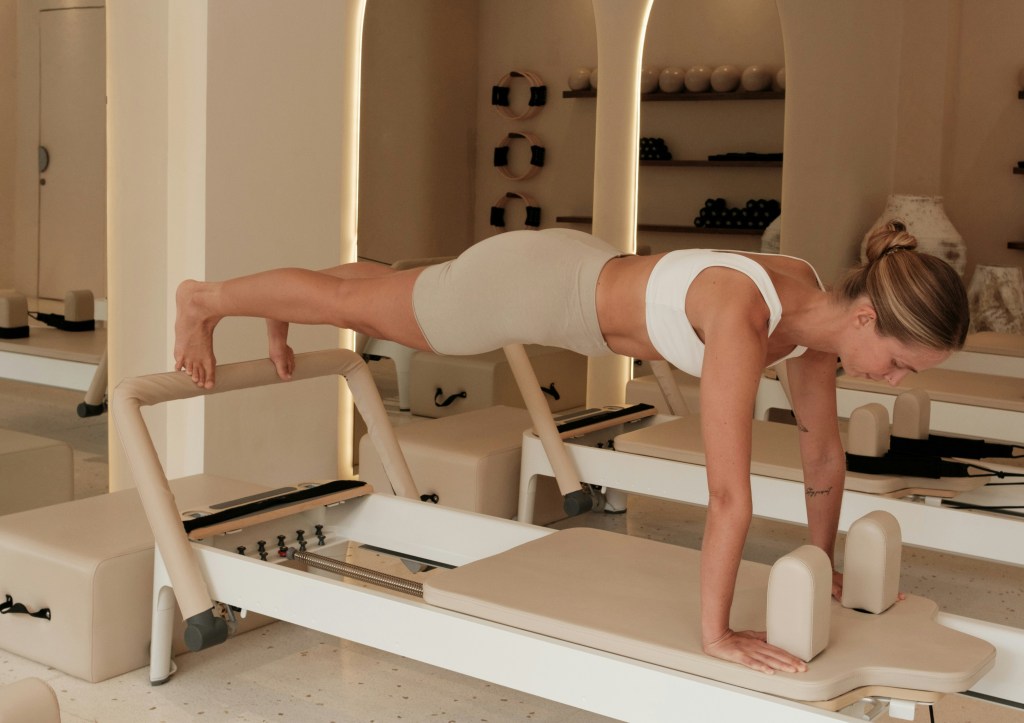
Changing your workout means picking exercises that challenge and protect your body. The right moves boost your strength, stability, and fitness. They also keep you safe from injury.
Mastering Core Stability with Effective Exercises
Core training is more than just crunches. Planks, both front and side, are great for a strong core. They work many muscles at once, offering a full core workout.
- Front planks: Hold a straight body position, engaging your entire core
- Side planks: Target obliques and lateral stabilizing muscles
- Hanging leg raises: A challenging exercise for lower abs when you have sufficient strength
Shoulder Training with Precision and Safety
The military press is a safe way to strengthen your shoulders. It places the weight right above your head. This reduces joint stress and works your muscles well.
| Exercise | Target Muscle | Technique |
|---|---|---|
| Lateral Raises | Side Deltoids | Controlled side movement |
| Front Raises | Front Deltoids | Straight arm lift to shoulder height |
| Military Press | Entire Shoulder Girdle | Overhead pressing with strict form |
“Intelligent exercise selection is the key to long-term fitness success and injury prevention.” – Fitness Experts
With these smart exercises, your workout will boost strength, stability, and safety. It will protect your body from harm.
The Science Behind Exercise Selection: Why Movement Quality Matters
Understanding exercise biomechanics is more than just lifting weights. Your fitness journey should focus on movement quality. This means doing exercises that work well together, not just moving weight from one place to another. Research shows that exercises that work multiple muscles at once are more effective.
Chin-ups or pull-ups are great for working the back and biceps. They are compound movements that engage many muscles at once. This is key to effective fitness, as it uses multiple muscle groups together.
“Quality movement trumps quantity every time in effective strength training.” – Dr. Stuart McGill, Spine Biomechanics Expert
- Prioritize joint-friendly training techniques
- Focus on muscle activation research
- Select exercises that mimic natural movement patterns
Modern exercise programs need careful thought. You should understand how exercises affect your joints and muscles. It’s not just about burning calories or lifting heavy. It’s about creating lasting, effective strength training.
| Movement Type | Muscle Engagement | Joint Stress |
|---|---|---|
| Compound Movements | Multiple Muscle Groups | Low to Moderate |
| Isolated Exercises | Single Muscle Group | High |
By using science in your workout choices, you’ll get a smarter, more effective fitness plan. This plan will protect your body and give you the best results.
Creating Your Optimized Training Program
Creating a good workout plan needs careful thought and a full fitness approach. It’s not just about picking exercises randomly. It’s about making a balanced plan that gets you results without hurting you.
When making your workout plan, keep safety and success in mind. Squats are great for working out many muscles at once. They help strengthen your legs, glutes, and core.
Principles of Effective Program Design
- Use progressive overload to keep pushing your limits
- Balance exercises that push and pull
- Try unilateral exercises like lunges for better strength and balance
- Focus on all major movement patterns
- Make sure to rest enough between workouts
Lunges are excellent for working on strength and balance on one side. Your plan should focus on exercises that help you in everyday life.
Structuring Your Workout Routine
A good training program is well-planned. Start with big exercises, then move to smaller ones. Mix things up to keep your muscles interested and working.
The best workout is one you can do regularly with the right form and excitement.
By choosing the right exercises and designing your program wisely, you’ll get great results. And you’ll stay healthy and fit for the long haul.
Common Mistakes When Replacing Risky Exercises
Switching exercises isn’t just about swapping one for another. Many athletes make big mistakes that can hurt their workouts and safety.
When you’re looking to swap exercises, keep these important points in mind:
- Maintain proper form during new movements
- Reduce weight when learning new exercise techniques
- Control the range of motion carefully
- Gradually adapt to different movement patterns
A leg press can be a good choice instead of squats for less strain on the spine. But always control the range of motion to avoid lower back rounding at the bottom.
Some common mistakes in switching exercises include:
- Ego-lifting with unfamiliar exercises
- Skipping technique practice
- Maintaining identical weights across different movements
- Abruptly replacing exercises without gradual adaptation
Your aim should be to master the exercise technique before adding more weight. Start with lighter weights, focus on how well you move, and build strength slowly through careful practice.
Conclusion
Stopping wasting time at the gym starts with knowing that not all exercises are the same. Your fitness journey is about making smart choices for long-term success. By carefully looking at your workout routine, you can make it better and safer.
Sustainable training means training smart, not just hard. It’s important to think about injury prevention in every exercise. Choosing quality over quantity will make your body happy and strong.
The knowledge you’ve gained lets you change your fitness approach. Every workout is a chance to make smart changes. Slow, thoughtful changes will help you create a better training program for your health and fitness goals.
Your fitness journey is special. By using these insights, you can make a plan that works for you. Start small, stay consistent, and see how smart training improves your strength, mobility, and performance.



 trim down and shape up
Leave a comment