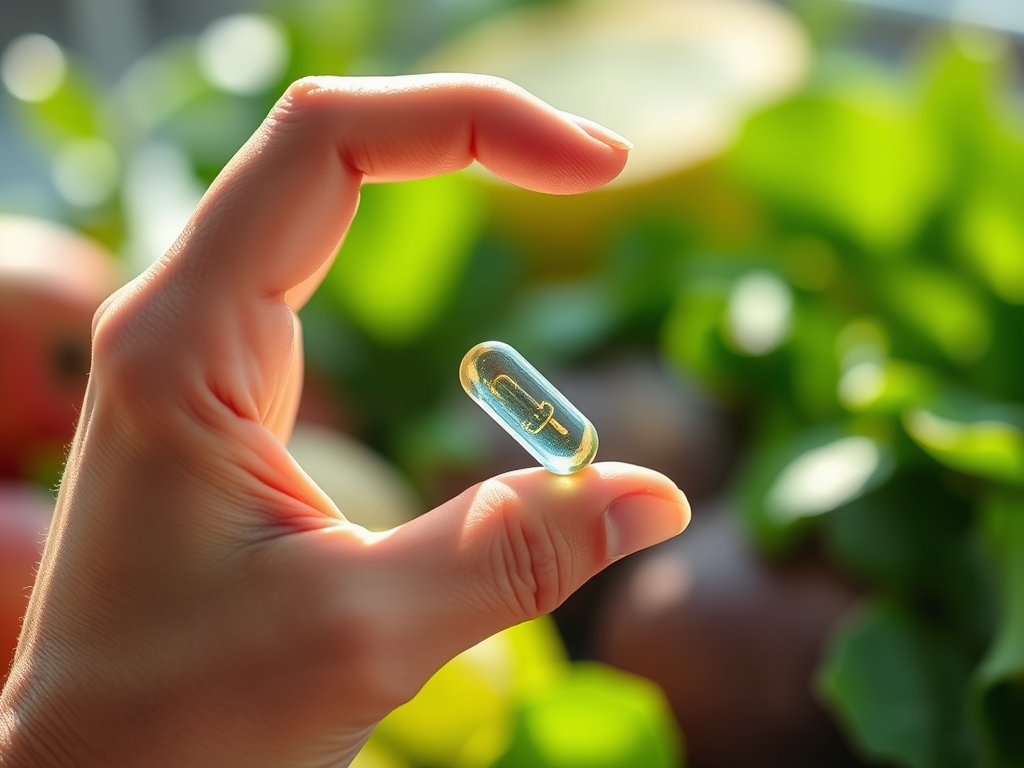


Imagine turning back your biological clock with just one daily tablet. Recent studies show a big breakthrough. They found out how certain supplements might slow aging at a cell level.
The DO-HEALTH trial found something amazing. Omega-3 supplements could slow down your biological age by 2.9-3.8 months. This means you can fight aging by targeting the causes of cell damage.
Science now says you can turn back the years, at least for your biological age. It’s all about taking a supplement that may slow aging. Your journey to understanding nutrition and cell health begins here.
Key Takeaways
- Omega-3 supplements can potentially slow biological aging
- Cellular age differs from chronological age
- Scientific trials provide evidence of age reduction mechanisms
- Daily supplementation might offer significant health benefits
- Proactive strategies exist to support healthy aging
The Quest to Turn Back Your Biological Clock
Aging isn’t just about counting years. Scientists have found a way to reverse biological aging by looking at how cells age. Your biological age can be very different from your actual age, showing a story of health and potential.

DNA methylation clocks have changed how we see aging. These tools measure changes in your genes, showing how fast or slow your body ages.
- Biological age reflects your actual cellular health
- Chronological age is simply the years you’ve lived
- Lifestyle choices can significantly impact your biological age
“Your cells tell a story that your birth certificate cannot” – Aging Research Institute
The DO-HEALTH trial studied 2,157 healthy adults over 70 in five European countries. It showed that knowing your biological age can help find ways to age better.
| Aging Marker | Biological Impact |
|---|---|
| DNA Methylation | Indicates cellular aging rate |
| Lifestyle Factors | Can accelerate or slow cellular aging |
| Genetic Predisposition | Influences baseline aging speed |
By tracking these markers, researchers are working on slowing aging. This could help keep you vital and lower health risks as you age.
Supplement That May Slow Down Rate of Ageing – and How Much to Take
Knowing the right amount of omega-3 for anti-aging is key to your health. Research shows these supplements can slow aging. This is good news for your health.

Understanding Omega-3 Fatty Acids
Omega-3 fatty acids are nutrients your body can’t make on its own. They are vital for cell health and controlling genes. The main types are EPA and DHA.
- EPA (eicosapentaenoic acid)
- DHA (docosahexaenoic acid)
The Recommended Daily Dosage
In the DO-HEALTH trial, some people took 1g of omega-3 daily. This amount seemed to slow aging markers.
Here’s what to know about daily omega-3 intake:
- Standard dose: 1,000mg per day
- Typical EPA and DHA mix: 600-800mg
- Best for those with low omega-3 levels
Remember, everyone’s needs are different. Always talk to a doctor before starting supplements.
How Omega-3 Supplements Affect Your Biological Age
Omega-3 supplements have a fascinating effect on aging. Scientists have found new ways to measure aging that go beyond just counting years.
Studies showed that omega-3 can make your cells younger. Over three years, it was found to reverse aging by up to four months.
DNA Methylation and Epigenetic Aging Markers
DNA methylation is key to understanding aging. It’s like a tag on your DNA that changes how genes work. Epigenetic markers show how fast your body is aging.
- Chemical modifications track cellular aging
- Measures genetic expression changes
- Provides insight beyond chronological years

Measuring Biological Versus Chronological Age
Scientists use special clocks to measure aging:
| Aging Clock | Primary Focus | Omega-3 Impact |
|---|---|---|
| PhenoAge | Mortality Risk Prediction | 0.16-0.22 units reduction |
| GrimAge2 | Lifespan Estimation | 0.24-0.32 units reduction |
| DunedinPACE | Aging Progression Rate | 1% reduction in aging pace |
These studies show omega-3 supplements can slow aging. They work by changing DNA methylation and epigenetic markers. This makes them a promising way to fight aging.
The Science Behind Omega-3 and Ageing

Omega-3 fatty acids play a key role in fighting off cellular aging. They interact with your cells at a molecular level. This interaction is crucial for your body’s health.
Omega-3s have unique properties that affect aging. They protect and rejuvenate your body’s cells. Here’s how:
- Reduce chronic inflammation markers
- Modify gene expression related to metabolism
- Enhance cellular repair mechanisms
- Protect cell membrane integrity
Omega-3s target important biomarkers that show how they prevent aging. Studies show they can change DNA methylation patterns. This affects:
- Plasminogen activation inhibitor 1 (PAI-1) – regulates blood clotting
- Leptin – managing metabolic processes
- Tissue inhibitor metalloproteinase 1 (TIMP-1) – supporting tissue remodeling
Omega-3 supplements improve mitochondrial function and may even affect telomere length. This leads to many positive changes in your body. Their anti-inflammatory effects help fight off age-related damage.
Clinical Trial Results on Biological Age Reduction
The DO-HEALTH trial shows omega-3 might slow aging. It found big results on reducing biological age in a three-year study.

Researchers studied 777 people, mostly women, aged 75 on average. They looked at how omega-3 affects aging markers.
PhenoAge Clock Findings
Important findings from the trial showed:
- PhenoAge decreased by 0.16 standardized units
- Means about 2.9 months of age reduction
- It predicts death risk better than age
GrimAge2 and DunedinPACE Results
The study showed even better results for different aging measures:
| Aging Metric | Reduction | Significance |
|---|---|---|
| GrimAge2 | 0.32 units | ~3.8 months of age reduction |
| DunedinPACE | 1% slower aging pace | Significant biological slowdown |
Some people tried different things over three years. This showed omega-3’s power in managing age. Even small changes are big for health.
The consistent results across multiple independent biological aging measures strengthen confidence in omega-3’s potential to slow down the aging process.
Combining Omega-3 With Vitamin D and Exercise

Researchers found a new way to slow down aging. The DO-HEALTH trial showed that omega-3, vitamin D, and exercise together work better than each alone. This combination can slow down aging more effectively.
The study was very creative. Participants did different things:
- Some took a vitamin D tablet per day (2,000 IU)
- Some consumed omega-3 supplements (1g daily)
- Some participated in a 30-minute home exercise program three times a week
Putting omega-3, vitamin D, and exercise together worked a bit better. The exercise program was easy for older adults to do at home. It didn’t need fancy gym equipment or memberships.
The study found that these methods together had additive benefits. The mix showed effects from 0.24 to 0.32 units. This was a bit more than just omega-3 supplements. It shows that tackling aging from many angles might be the best way.
Your anti-aging approach should be comprehensive, addressing multiple health dimensions simultaneously.
The vitamin D dose was 2,000 IU daily. It was chosen to be effective but safe. This shows that one supplement alone can’t stop aging.
Additional Health Benefits Beyond Slowing Ageing
Omega-3 supplements do more than just slow aging. They bring many health benefits that go beyond just looking younger. They can greatly improve your overall health with the right use.

Reduced Fall Risk and Infection Rates
As we age, we become more prone to falls and infections. Research shows omega-3 supplements can help with this. They reduced falls by 11 per cent and infections by 13 per cent in studies.
- Falls decreased by 11%
- Infections reduced by 13%
- Enhanced safety for older adults
Cancer Prevention and Frailty Reduction
But the most exciting news is when omega-3 is combined with vitamin D and exercise. This mix showed amazing results in trials. It’s a powerful way to improve your long-term health.
| Intervention | Reduction Percentage |
|---|---|
| Cancer Risk | 61% |
| Frailty | 39% |
These numbers show how omega-3 supplements can boost your health. They help lower cancer risk and prevent frailty. This means a stronger and more resilient future for you.
Who Benefits Most From Omega-3 Supplementation
Deciding who needs omega-3 supplements is not simple. Your current omega-3 levels are key to seeing benefits. Studies show some groups get more anti-aging benefits from omega-3s.

- Current omega-3 blood levels (DHA and EPA)
- Vitamin D status
- Gender
- Age group
- Diet and fish consumption
People with lower omega-3 levels might see big improvements. Those who don’t eat fatty fish like salmon or mackerel often benefit most.
Not all bodies respond to omega-3 supplements equally – your individual nutrient profile matters.
Research shows more benefits for:
| Group | Potential Benefits |
|---|---|
| Women | Larger additive effects from interventions |
| Older Adults (70+) | Noticeable anti-aging potential |
| Low Omega-3 Levels | Most significant improvement potential |
| Vitamin D Sufficient | Enhanced omega-3 response |
Always talk to a doctor before starting supplements. They can help figure out what’s best for you.
Understanding Telomere Protection and Vitamin D
Your body’s aging process is closely tied to telomeres, the protective caps at chromosome ends. These tiny guardians help prevent cell damage and keep you healthy. Studies show a strong link between vitamin D and telomeres, hinting at ways to slow aging.
Telomere shortening speeds up aging and raises disease risks. Each cell division shortens these caps. When they get too short, cell division stops, causing aging and health issues.
Vitamin D’s Role in Telomere Preservation
The VITAL trial showed vitamin D’s role in preventing telomere shortening. Key findings include:
- Participants taking 2,000 IU of vitamin D3 daily
- Significant reduction in telomere shortening over four years
- Potential prevention of nearly three years of cellular aging
Vitamin D fights aging by reducing inflammation and oxidative stress. These factors harm telomeres. Vitamin D receptors in your body help protect various cells.
| Vitamin D Impact | Cellular Aging Protection |
|---|---|
| Daily Dosage | 2,000 IU |
| Telomere Preservation | Equivalent to 3 years of younger cellular age |
| Primary Mechanism | Reducing inflammation and oxidative stress |
Understanding vitamin D and telomeres offers hope for aging prevention. Keeping vitamin D levels right may protect your cells and slow aging.
Other Natural Compounds That Support Healthy Ageing
Looking beyond omega-3 and vitamin D, natural supplements can help a lot. They support your cells and slow aging.
Curcumin, found in turmeric, is a big player in anti-aging. It works with key cell processes that affect aging. Thanks to new formulas like Longvida and CurQfen, curcumin is now more effective.
- Coenzyme Q10 aging interventions target mitochondrial function
- EGCG from green tea provides antioxidant protection
- Vitamins E, K, and C support cellular defense mechanisms
- Collagen supplements help maintain tissue integrity
Coenzyme Q10 is key for energy in cells. As you get older, your Q10 levels go down. Taking supplements helps keep your energy up.
Adding these natural compounds to your routine is smart. They help a lot, but remember, diet and exercise are still essential. They work together to keep you healthy and young.
Targeted supplementation tailored to your individual needs can be a powerful tool in your anti-aging toolkit.
Conclusion
Slowing down biological aging is not as simple as finding a magic cure. Studies show that even small gains of three to four months over three years can make a big difference. It’s important to tackle aging in a complete and realistic way.
Research has found that omega-3 supplements, vitamin D, and simple exercises can show real results. These aren’t cures for aging, but they are steps in the right direction. Taking omega-3 and staying active can help your health.
It’s all about balance. These steps aren’t magic, but they are practical ways to live longer and healthier. By working on different aging areas, you can slow down aging and lower disease risks. Regular exercise, good food, and the right supplements can really help.
Don’t think one thing will stop aging forever. Your aim should be a whole-body approach that helps your body naturally. Talk to doctors, keep up with new studies, and choose based on solid evidence. This way, you can make choices that fit your health best.



 trim down and shape up
Leave a comment