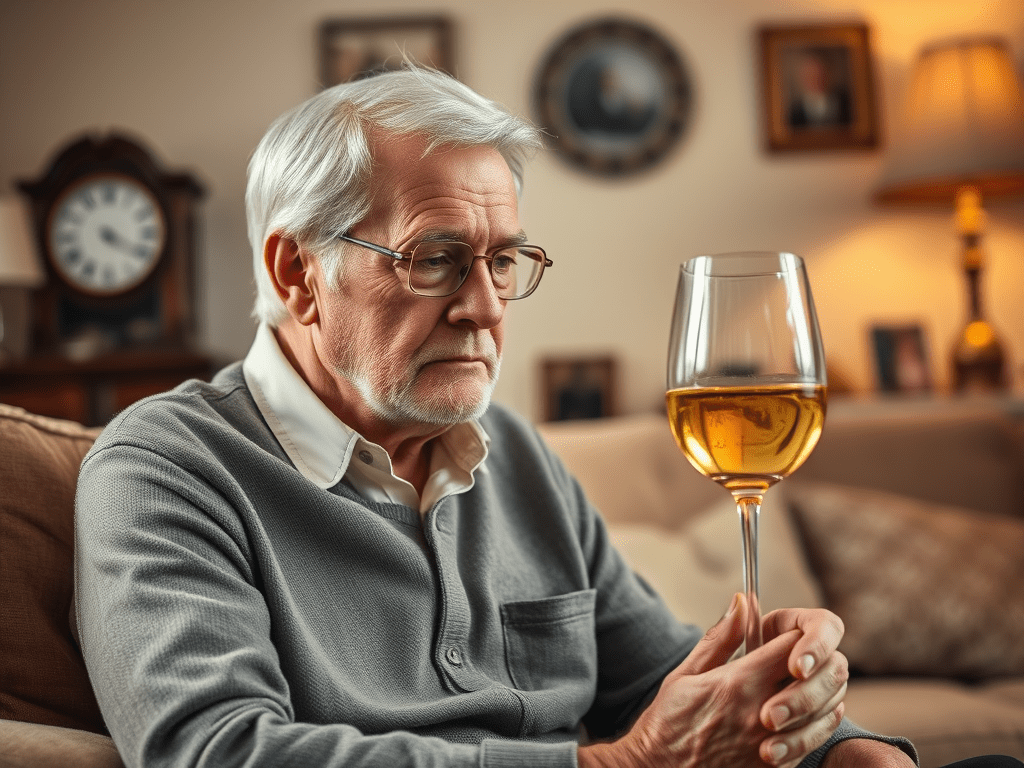


Ever noticed how a weekend cocktail now makes you feel worse than it used to? As you get older, your body changes in ways that affect how you handle alcohol. These changes often start sooner than you might think.
The National Survey on Drug Use and Heavy Drinking shows that almost 39% of adults over 65 drink 1-2 drinks daily. Many don’t know that building alcohol tolerance isn’t just about willpower. It’s a complex change that happens to everyone.
Your body may not handle a night of drinking as easily as it used to. Experts say that metabolic changes can start as early as your 40s. This means each drink could have a bigger impact than it did when you were younger.
Key Takeaways
- Alcohol metabolism changes significantly with age
- Tolerance decreases naturally over time
- Physiological shifts begin earlier than most expect
- Drinking patterns may need adjustment with age
- Body composition impacts alcohol processing
Why Alcohol Hits Your Body Harder as You Age, Even If You’re Drinking the Same Amount

As you get older, you might notice alcohol affects you differently. This is true even if you’re drinking the same amount. Your body processes alcohol in a unique way, posing a challenge for many adults.
Doctors are seeing a trend where alcohol tolerance changes unexpectedly. Dr. Monica Christmas from the University of Chicago Medicine says this is common among many people.
The Shift Often Begins Earlier Than Expectedany are surprised to find alcohol sensitivity changes in their 40s and 50s. This shift doesn’t wait for the traditional senior years. It comes gradually, catching many off guard.
- Alcohol tolerance starts declining in your 40s
- Physical changes impact how your body processes drinks
- One glass might now feel like two used to
“If you are someone who regularly enjoyed two glasses of wine in the evening, over time you may find that it only takes one glass to bring on the previous two-glass level of intoxication.” – Jaines M. Andrades, DNP, AGACNP-BC
Your Body Processes Alcohol Differently Over Time
Your metabolism, organ function, and body composition change with age. These changes affect how alcohol moves through your system.
Understanding these shifts can help you make better choices about drinking as you age.
How Your Body Composition Changes with Age

As we get older, our bodies change in ways that affect how we handle alcohol. These changes impact our metabolism, muscle mass, and health in unexpected ways.
Your body undergoes big changes that affect how it absorbs and processes alcohol. You lose muscle mass and gain body fat, which changes how alcohol is metabolized.
- Muscle tissue reduces, decreasing total body water
- Body fat percentage increases
- Liver enzymes become less efficient
- Hydration levels change
Johannes Thrul, a researcher at Johns Hopkins Bloomberg School of Public Health, says muscle stores water. With less muscle mass, alcohol stays in your system longer, making its effects stronger.
| Age Group | Muscle Mass | Body Fat | Alcohol Processing |
|---|---|---|---|
| 20-30 years | High | Low | Efficient |
| 50-60 years | Decreased | Increased | Slower |
The same amount of alcohol that was easy to handle in your youth might now have a bigger impact. Your body’s reduced ability to process alcohol means you might feel its effects longer and stronger.
The Role of Liver Enzymes in Alcohol Metabolism
As you get older, your body changes how it handles alcohol. The liver is key in breaking down alcohol. But, liver enzymes slow down with age, making it harder for your body to process alcohol.

Your liver acts like a filter, breaking down alcohol with special enzymes. When your liver isn’t as strong, these enzymes don’t work as well. This means alcohol stays in your blood longer, making you feel its effects more strongly.
Slower Enzyme Function as You Get Older
Several factors lead to a weaker liver:
- Less enzyme production
- Lower metabolic rate
- Slower liver cell growth
Studies show your liver gets worse at breaking down alcohol as you age. Even a single drink can feel like more because your body processes it more slowly.
Why Alcohol Stays in Your Bloodstream Longer
The effects of slower liver enzymes are significant. If your liver can’t quickly break down alcohol, more stays in your body. This leads to stronger effects and longer times to recover.
“Your aging liver becomes less efficient at filtering alcohol, leaving more of it in your system,” explains Dr. Sarah Martin, hepatology researcher.
Knowing these changes can help you make better choices about drinking as you age.
Losing Lean Muscle and Gaining Body Fat

As you get older, your body changes in ways that affect how alcohol impacts you. You tend to lose lean muscle and gain more body fat. This changes how your body processes alcohol.
Dr. Monica Christmas, a well-known expert, says muscle tissue turns into fatty tissue as you age. This change starts in your 30s and speeds up after 50.
“We lose more muscle as we get older, and that muscle is replaced by fatty tissue.”
The main difference is in body composition and water content:
- Muscle tissue contains about 75% water
- Fat tissue has only about 10% water
- Less muscle means less water to dilute alcohol in your system
With less muscle, alcohol is more concentrated in your blood. Drinking the same amount of alcohol you used to will now make you feel much more drunk.
| Age Group | Muscle Mass | Body Fat | Alcohol Processing |
|---|---|---|---|
| 20-30 years | High | Low | Efficient |
| 50-60 years | Decreased | Increased | Slower, More Intense |
Understanding these changes can help you make more informed decisions about alcohol consumption as you age.
How Hormonal Changes Affect Alcohol Processing in Women

As women get older, their relationship with alcohol gets more complicated. Hormonal shifts in midlife make alcohol processing harder.
Women’s bodies change a lot during perimenopause and menopause. These changes make alcohol’s effects stronger. Several factors play a big role in this.
Menopause and Amplified Alcohol Sensitivity
Menopause brings big changes in how women metabolize alcohol. You might feel:
- Drinks hit you faster and harder than before
- Recovery times become significantly longer
- Alcohol worsens menopausal symptoms like hot flashes
Perimenopause: A Critical Transition Period
For women in menopause, hormonal changes make alcohol’s effects worse. The unpredictable hormonal shifts in perimenopause make alcohol harder to handle.
“Alcohol can disrupt sleep and increase baseline anxiety symptoms, even more during hormonal changes,” says Dr. Monica Christmas from the University of Chicago Menopause Program.
Your body changes how it handles alcohol as you age. Women are more sensitive to alcohol than men. Knowing this can help you make better choices about drinking in midlife.
Why Your Metabolism Slows Down with Age

As you get older, your body changes how it handles alcohol. Your metabolism slows down, affecting how you feel and process substances.
Metabolism plays a big role in how your body deals with alcohol. Older people might feel the effects of alcohol more because their bodies clear it more slowly. This means the same drink can hit you harder as you age.
- Basal metabolic rate drops approximately 2-3% per decade after age 30
- Enzyme production and efficiency decrease
- Body composition shifts, reducing muscle mass
The slowdown in metabolism isn’t just about alcohol. It also affects how your body uses nutrients, burns calories, and gets rid of toxins. This means your body works less efficiently, leading to longer recovery times and stronger reactions to alcohol.
| Age Group | Metabolic Efficiency | Alcohol Processing Speed |
|---|---|---|
| 20-30 years | High | Rapid |
| 40-50 years | Moderate | Slower |
| 60+ years | Reduced | Significantly Slower |
Knowing how your metabolism changes helps you drink more wisely. Your body reacts differently to alcohol as you age. So, it’s important to drink more carefully.
The Inflammatory Effects of Alcohol as You Age

As you get older, your body becomes more vulnerable to alcohol’s harm. Alcohol causes inflammation, which gets worse with age. Your body’s defenses weaken, making each drink more harmful than before.
How Inflammation Escalates with Age
Inflammation grows with age, making alcohol even more dangerous. Your body’s fight against inflammation gets stronger, leading to health risks. This is called “inflammaging,” where your body can’t handle inflammation well.
- Alcohol triggers inflammatory markers in your bloodstream
- Aging reduces your body’s ability to combat inflammation
- Chronic inflammation can damage cellular structures
Compounding Health Risks Over Time
The effects of alcohol’s inflammation add up over time. Alcohol is seen as a Group 1 carcinogen, like tobacco. Each drink raises your risk for health problems.
“Every drink you have increases your cancer risk for multiple types of cancer.” – Public Health Research
Potential long-term risks include:
- Increased cancer risk
- Liver damage
- Immune system disorders
- Cognitive decline
Knowing these risks helps you make better choices about drinking as you age. Your body’s changes and increased inflammation mean you need to be more careful each year.
Sleep Quality, Dehydration, and Blood Sugar Regulation

As you age, your body gets more sensitive to alcohol. Sleep quality gets worse, making it harder for your body to recover. Alcohol might seem like a quick way to relax, but it actually hurts your body’s natural healing.
Dehydration gets worse with age. Your body holds less water, making drinks stronger and harder to handle. This leads to:
- Less total body water
- Less feeling thirsty
- Slower recovery from losing fluids
Your body’s ability to control blood sugar weakens with age. Alcohol messes with your body’s glucose levels, causing energy crashes and metabolic issues. This makes you more likely to feel tired and have unstable metabolism.
Dr. Monica Christmas says alcohol can really mess with sleep in older adults.
This all results in headaches, tiredness, and body aches that last longer. You take longer to recover, feeling tired and uncomfortable for a while. Your body works harder to deal with alcohol, causing more stress and problems.
Knowing how alcohol affects you as you age can help you make better choices. It’s important to protect your body’s balance as you get older.
Why Hangovers Last Longer and Feel Worse
As you get older, your body reacts differently to alcohol. What was once a small problem can now be a big issue. Many adults face the harsh reality of worse hangovers due to changes in how they metabolize alcohol.

Dr. Monica Christmas, a medical expert, says drinks need to be spaced out to avoid bad recovery times. Many middle-aged people are surprised by how bad their hangovers can get.
Persistent Symptoms That Disrupt Your Day
Your body now deals with headaches, fatigue, and body aches for longer. These symptoms can turn a night of drinking into a long day of recovery.
- Headaches become more intense and prolonged
- Fatigue extends beyond previous recovery times
- Body aches feel more pronounced and challenging
Several factors lead to these longer hangover experiences:
- Slower metabolism keeps alcohol in your system longer
- Reduced liver function delays toxin elimination
- Decreased body water content increases dehydration
- Disrupted sleep patterns complicate recovery
“Even medical professionals in my age range need to sleep half the day away after drinking,” shares Dr. Christmas.
Knowing these changes helps you make better choices about drinking. You can think about the fun now versus the long recovery later.
Increased Safety Risks from Alcohol in Older Adults
As you get older, your body is more at risk from alcohol. The mix of age changes and drinking can lead to serious falls and injuries.
Alcohol poses big safety risks for older adults in several ways:
- Dramatic reduction in balance problems
- Severe impairment of reaction times
- Significantly compromised vision
- Increased likelihood of dangerous accidents
Even a little alcohol can raise your risk of serious injuries. Reaction times slow down, making it harder to avoid falls or react to dangers. Your balance gets worse, setting the stage for accidents.
Scary stats show how big the alcohol risks are:
- 65% of fatal falls involve alcohol consumption
- 30% of fatal motor vehicle crashes are alcohol-related
- 40% of serious burn injuries occur under alcohol’s influence
“The greatest risk is falling. Between balance issues and impaired vision, it’s really a recipe for disaster,” warns Dr. Elena Rodriguez, geriatric health specialist.
Your bones and muscles get thinner with age, making injuries worse. A simple fall can cause serious fractures that heal slowly and might limit your mobility.
Staying safe means knowing these risks and making smart choices about drinking as you age.
Long-Term Health Risks of Drinking as You Age
Doctors say alcohol’s long-term risks grow with age. As you get older, your body is more at risk from alcohol. This leads to serious health problems that last longer than just a hangover.
Drinking more as you age can lead to serious health issues. These include:
Cancer and Organ Damage
Drinking alcohol raises your risk of getting different cancers. These include:
- Breast cancer
- Colon cancer
- Liver cancer
- Esophageal cancer
- Throat cancer
Dr. Ken Koncilja from the Cleveland Clinic says alcohol use can directly cause dementia. This is due to brain damage from years of drinking.
Dangerous Medication Interactions
Most adults over 65 take daily medication. Mixing alcohol with these can be very dangerous. Risks include:
- Negating blood pressure medication effects
- Intensifying mental health medication side effects
- Increasing bleeding risks with blood thinners
“Many medicines—whether prescribed or over the counter—can be dangerous or even deadly when mixed with alcohol,” warns medical experts.
To protect your health, watch how much alcohol you drink. Understand how it affects you more as you age.
Conclusion
Body changes with age affect how alcohol impacts you. It’s not about being critical—it’s about understanding and adjusting. Dr. Ken Koncilja says that changing your drinking habits in your 50s and 60s can greatly improve your health later on.
Changing your drinking habits doesn’t mean you have to stop drinking completely. Even small changes can make a big difference. Johannes Thrul suggests trying to drink less to improve sleep and reduce anxiety the next day. Your body gives you signs, like worse hangovers and longer recovery times, that you should listen to.
Talking to your doctor is very important. They can give you advice on drinking, possible drug interactions, and risks related to age. Many older adults change their drinking habits, and so can you. The main goal is to keep your health, safety, and quality of life as you get older.
Understanding how your body reacts to alcohol helps you make better choices. Whether you drink less or try alcohol-free options, focusing on your health is the best step you can take.

 trim down and shape up
Leave a comment