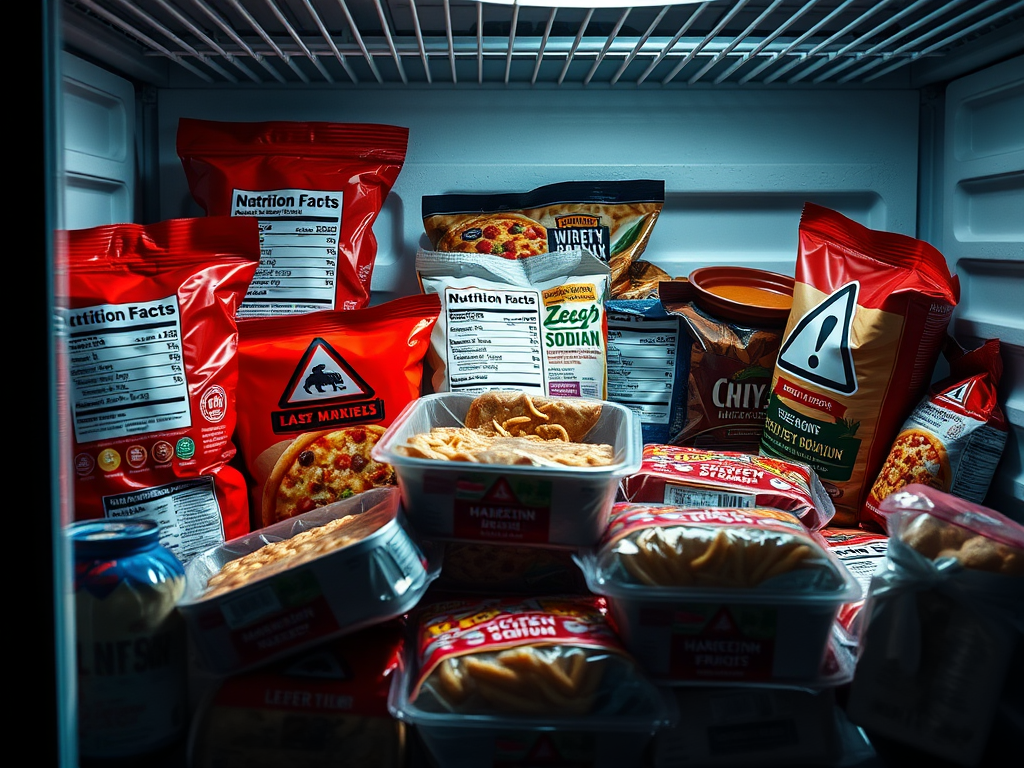


Did you know 70% of the sodium in the average American diet comes from processed foods? Freezing doesn’t make food unhealthy, but some frozen foods can raise heart attack risks. These 6 foods are in your freezer, posing a threat to your heart health.
Registered dietitian Angela L. Lago says frozen convenience foods are often high in sodium, saturated fats, and additives. The American Heart Association suggests no more than 2,300 milligrams of sodium daily. For most adults, the goal is 1,500 mg. Ultra-processed frozen foods can easily exceed these limits.
It’s important to know which frozen foods are risky for your heart. Not all frozen foods are the same. Making smart choices can help keep your heart healthy.
Key Takeaways
- 70% of dietary sodium comes from processed foods
- Freezing doesn’t automatically make foods unhealthy
- Some frozen foods contain dangerous heart-health risks
- Sodium intake should be carefully monitored
- Ultra-processed foods increase cardiovascular disease risk
Why Frozen Foods Can Be Risky for Your Heart
Your freezer might seem like a convenient food storage solution, but hidden dangers lurk behind those frosty packages. Frozen foods can be risky for your heart health. Many products are highly processed and loaded with sodium, saturated fat, and additives that increase your heart attack risk.
The shocking truth about frozen foods reveals multiple threats to your heart health. These processed meals are nutritional minefields that can silently damage your cardiovascular system.
The Hidden Dangers of Sodium in Frozen Products
Sodium levels in frozen foods can be staggering. A single frozen calzone might contain up to 1,700 mg of sodium—nearly a full day’s recommended intake. Excess sodium forces your heart to work harder by:
- Increasing blood pressure
- Straining the cardiovascular system
- Raising the risk of hypertension
Saturated Fat and Additives: A Cardiovascular Threat
Frozen meals are often packed with saturated fats and chemical additives that directly impact heart health. These ingredients can:
- Raise LDL (bad) cholesterol levels
- Create arterial plaque
- Restrict blood flow
Understanding Ultra-Processed Food Risks
| Processed Food Component | Cardiovascular Risk |
|---|---|
| Refined Carbohydrates | Increases inflammation |
| Added Phosphates | Potential heart damage |
| Artificial Preservatives | Linked to heart disease |
Research consistently demonstrates that ultra-processed foods create a perfect storm for cardiovascular complications. The combination of chemical preservatives, refined ingredients, and artificial additives significantly elevates your heart attack risk.
6 Frozen Foods Linked to Heart Attack Risks

Your freezer might be hiding some dangerous meal options that could seriously impact your heart health. Certain frozen foods are nutritional traps. They are packed with sodium, saturated fats, and harmful additives. These can increase your risk of cardiovascular problems.
Let’s explore the six most risky frozen foods that could be threatening your heart:
- Frozen Processed Meats: Corn dogs and hot dogs are very dangerous. They contain highly processed meat with lots of sodium and saturated fat. This can dramatically increase heart disease risk.
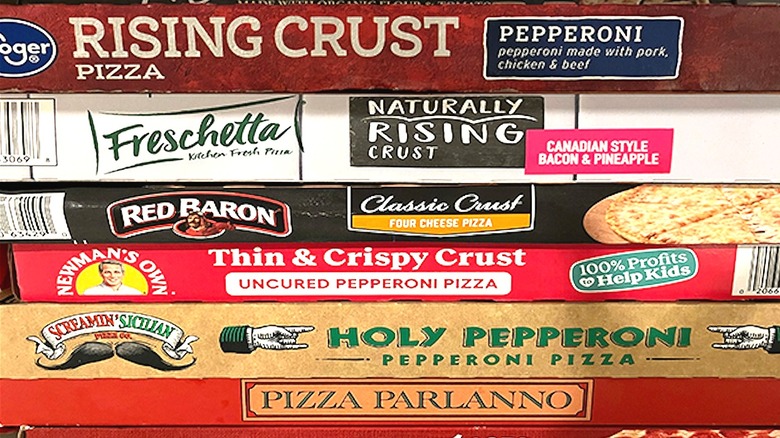
- Frozen Pizza: A single slice can have more sodium than you should eat in a day. Most frozen pizzas have refined-grain crusts, processed meats, and too much cheese. This creates a perfect storm for heart problems.
- Frozen Ready-to-Eat Meals: Single-serve dinners often have over 1,000 mg of sodium and lack essential vegetables. These meals are nutritionally empty but are calorie-dense.
- Frozen Fried Foods: French fries from major brands can have 600+ calories and 25 grams of fat. Eating these 2-3 times a week can increase early mortality.
- Frozen Desserts: Toaster pastries and frozen baked goods are sugar bombs with chemical preservatives. They damage your lipid profile and contribute to heart disease.
- Sodium-Heavy Frozen Soups: Cream-based varieties can be very dangerous. They have excessive salt content that strains your cardiovascular system.
Understanding these risks can help you make smarter choices in the frozen food aisle. This can protect your heart health.
The Surprising Health Benefits of Some Frozen Foods
Not all frozen foods are the same. While some can raise heart attack risks, others are good for your health. They can be part of a balanced diet.

Frozen foods have surprising health benefits. It’s important to pick the right ones. They should keep important nutrients and help your heart.
Nutritional Value of Frozen Fruits and Vegetables
Frozen fruits and veggies are full of nutrients. They’re picked at the best time and frozen right away. This keeps their nutrients safe.
They often have more nutrients than fresh foods that travel far. These foods sit on shelves for a long time.
- Frozen berries maintain high antioxidant levels
- Frozen spinach preserves iron and vitamin content
- Frozen broccoli retains cancer-fighting compounds
How Freezing Preserves Essential Vitamins and Minerals
The freezing method is amazing for keeping food’s nutrients. It stops big ice crystals from forming. This keeps vitamins and minerals safe.
| Frozen Food | Key Nutrients Preserved | Health Benefits |
|---|---|---|
| Frozen Blueberries | Vitamin C, Antioxidants | Heart Health, Cognitive Function |
| Frozen Salmon | Omega-3 Fatty Acids | Cardiovascular Protection |
| Frozen Spinach | Iron, Folate | Blood Health, Energy |
“Frozen fruits and vegetables are a healthful and economical alternative to fresh produce.” – Registered Dietitian Nutrition Expert
When picking frozen foods, avoid those with added sauces, sugars, or too much salt. Frozen foods can be healthy if chosen carefully. They offer nutritious options all year.
Healthier Frozen Food Choices for Heart Protection

When you’re in the frozen food aisle, picking the right options can help your heart. Not every frozen food is good for you. But by choosing wisely, you can enjoy easy meals without harming your heart.
Start by becoming a label detective. Your heart will thank you for paying attention to these key factors:
- Choose frozen vegetables without added sauces
- Look for products with less than 3 grams of saturated fat
- Avoid frozen fried foods that are high in unhealthy oils
- Select items with minimal sodium content
When it comes to proteins, be selective. Opt for individually vacuum-packed options that are:
- Frozen solid without ice crystals
- Free from sodium-based preservatives
- Lean cuts with minimal processing
For frozen pizza lovers, transform your choices. Choose thin whole wheat crusts, request less cheese, and load up on vegetables. Replace processed meat toppings with heart-friendly alternatives like grilled chicken or plant-based proteins.
The ultimate heart-protective strategy? Create your own alternatives. Instead of purchasing frozen fried foods, experiment with oven-baking using heart-healthy olive oil. This simple swap can dramatically reduce unnecessary fats and calories while maintaining delicious flavors.
“Your freezer can be a gateway to nutrition, not a barrier to health.” – Nutrition Experts
Conclusion
Knowing which frozen foods might increase heart attack risk doesn’t mean you have to give up all convenience meals. What’s most important is your overall eating pattern. By making smart choices and reading nutrition labels, you can keep your heart healthy while still enjoying frozen foods sometimes.
Frozen foods can be part of a healthy diet if you choose wisely. Opt for nutrient-rich options like plain veggies, fruits, and lean proteins. Look for labels with less sodium, saturated fat, and added sugars to avoid risks from certain frozen foods.
Don’t aim for perfection. Making small, steady changes in your frozen food choices can greatly lower your heart attack risk. Check your freezer this week and start swapping out unhealthy frozen meals for healthier ones that are good for your heart.
The main thing is to find balance and be aware. By knowing which frozen foods might be risky and making smart choices, you can enjoy easy meals while keeping your heart safe. Your health journey is about making progress, not strict rules.


 trim down and shape up
Leave a comment