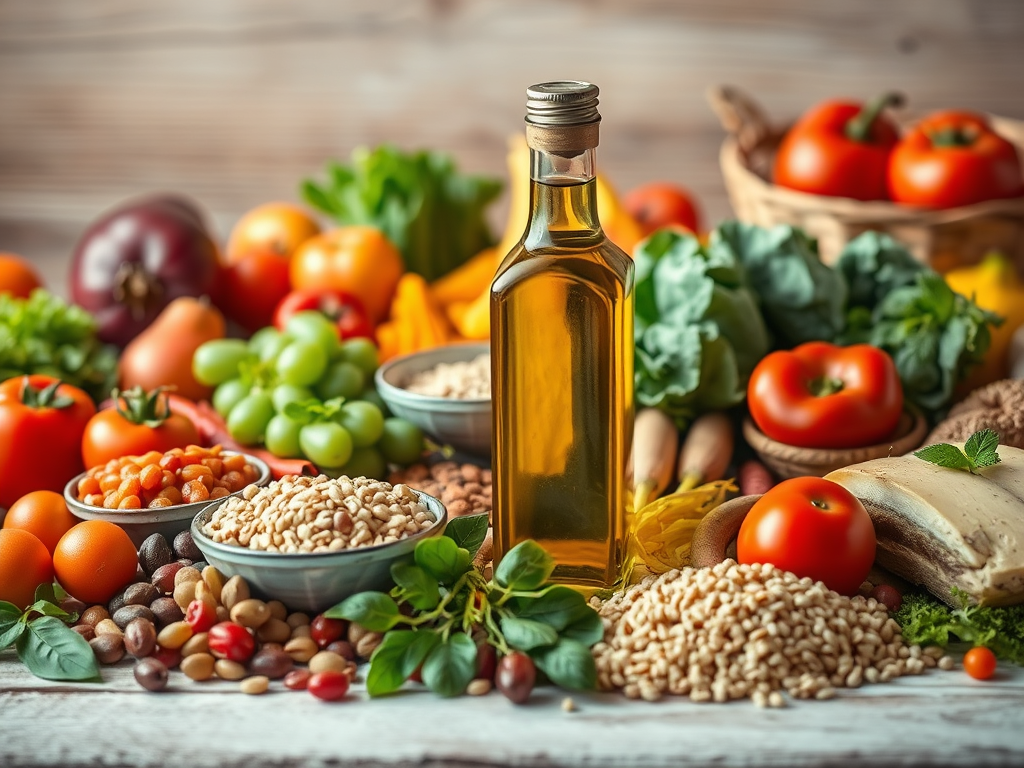


Did you know the Mediterranean diet can lower your risk of heart disease by 25%? It’s not just a diet; it’s a way of life that boosts your health and helps you lose weight naturally.
This diet isn’t about counting calories or cutting out food groups. It’s about eating whole, nutritious foods that make your body strong. Studies show it’s a top choice for doctors because of its many health benefits.
By trying the Mediterranean diet, you’ll find a tasty way to get healthier. It’s more than just dieting. It’s a natural way to fight inflammation, protect your heart, and reach your weight goals without feeling limited.
Key Takeaways
- 25% reduced cardiovascular disease risk
- Natural weight loss approach
- Focus on whole, nutrient-dense foods
- Scientifically proven health benefits
- Sustainable lifestyle transformation
What Is the Mediterranean Diet
The Mediterranean diet is more than just a meal plan. It’s a lifestyle that celebrates healthy eating and vibrant living. It comes from the traditional food cultures of countries around the Mediterranean Sea. This diet has caught the eye of health experts worldwide for its amazing benefits.

To understand the Mediterranean diet, we must look at its rich cultural roots and unique nutritional approach. Unlike strict diet plans, this way of eating focuses on whole, nutrient-rich foods. These foods naturally support your health.
Origins and Cultural Foundation
The Mediterranean diet started from the traditional eating habits of Greece, Italy, and Spain in the mid-20th century. Researchers found something amazing. People in these regions had:
- Lower rates of chronic diseases
- Higher life expectancy
- Better overall health
In 1993, a key partnership between the Harvard School of Public Health and the World Health Organization introduced the Mediterranean Diet Pyramid. This pyramid showed the region’s unique nutritional approach.
Core Principles of the Mediterranean Diet
The Mediterranean diet’s core principles are more than just food choices. They represent a holistic approach to eating. This approach emphasizes:
- Prioritizing plant-based foods
- Using extra virgin olive oil as the primary fat source
- Enjoying moderate portions of fish and poultry
- Limiting red meat consumption
- Treating meals as social experiences
By focusing on abundance rather than restriction, the Mediterranean diet offers a sustainable and enjoyable path to better health. It’s not about counting calories but embracing a lifestyle that nourishes both body and soul.
Mediterranean Diet Food List and What to Eat Daily
Starting a new diet means knowing what foods are best for you. The Mediterranean diet is a tasty way to improve your health. It focuses on whole, nutrient-rich foods that are good for your body. Let’s look at the key foods in the Mediterranean diet that can change how you eat.

Finding the right mix of nutrients is key to meal planning. Your daily meals will become a powerful tool for health. They will be filled with fresh, vibrant ingredients that boost your overall well-being.
Plant-Based Foods and Whole Grains: The Foundation of Nutrition
Your Mediterranean diet starts with lots of plant-based foods and whole grains. These foods are packed with vitamins, minerals, and fiber. They keep you full and give you energy.
- Vegetables: Leafy greens, broccoli, tomatoes, peppers, eggplant
- Fruits: Apples, oranges, strawberries, grapes, figs
- Whole Grains: Brown rice, whole wheat bread, quinoa, barley
- Legumes: Beans, lentils, chickpeas, peas
Healthy Fats and Olive Oil: Your Heart’s Best Friend
Olive oil is at the heart of Mediterranean nutrition. Extra virgin olive oil is more than just a cooking oil. It’s a nutritional powerhouse that’s good for your heart and reduces inflammation.
| Olive Oil Benefits | Daily Impact |
|---|---|
| Lowers Blood Pressure | Supports Heart Health |
| Improves Cholesterol | Increases HDL Levels |
| Reduces Inflammation | Supports Overall Wellness |
Proteins: Nourishing Your Body Naturally
The Mediterranean diet offers a variety of protein sources. You’ll eat fish, poultry, and plant-based proteins. These foods give you important nutrients without too much saturated fat.
- Fish: Salmon, sardines, mackerel, tuna
- Poultry: Chicken, turkey (in moderation)
- Plant Proteins: Beans, lentils, chickpeas
- Occasional Eggs and Dairy
By choosing these Mediterranean foods, you’ll start a healthy eating pattern. This pattern supports your body’s natural healing and energy. Your journey to wellness starts with every mindful bite.
Understanding Serving Sizes and Meal Planning

Starting your weight management journey is all about knowing the right serving sizes. The Mediterranean diet is flexible and doesn’t make you count calories. It focuses on eating balanced, nutrient-rich meals instead.
When planning your meals, aim for the right portions of important food groups:
- Fresh fruits: 3 servings (½-1 cup each)
- Vegetables: At least 3 servings (½ cup cooked or 1 cup raw)
- Whole grains: 3-6 servings daily
- Extra virgin olive oil: 1-4 tablespoons
Protein is key for managing your weight. Here’s how much you should eat each week:
| Protein Source | Weekly Servings | Portion Size |
|---|---|---|
| Fish | 3 servings | 3-4 ounces |
| Legumes | 3 servings | ½ cup |
| Nuts | 3 servings | ¼ cup or 2 tbsp nut butter |
| Poultry | Daily (max) | 3 ounces |
| Red Meat | Weekly (max) | 3 ounces lean cuts |
To manage your weight well, aim for a balanced plate. Fill half your plate with vegetables, one-quarter with whole grains, and one-quarter with lean proteins. Add olive oil for taste and extra nutrition.
Focus on eating foods that are rich in nutrients, not just low in calories. The Mediterranean diet’s fiber and healthy fats help you feel full. This makes it easier to stay at a healthy weight without feeling hungry.
Benefits of the Mediterranean Diet for Your Health and Weight Loss
The Mediterranean diet is a great way to boost your health and lose weight. It’s backed by lots of research. This diet helps keep your body safe from chronic diseases and supports your overall wellness.

Learn how this diet can improve your heart health, help with weight management, and prevent chronic diseases. It does this through its special nutritional approach.
Cardiovascular Health and Heart Disease Prevention
Your heart will greatly benefit from the Mediterranean diet. Studies show it can:
- Lower heart disease risk by up to 25%
- Help control blood pressure
- Improve your cholesterol levels
- Lessen inflammation in blood vessels
Weight Management and Natural Weight Loss
The Mediterranean diet helps you lose weight in a healthy way. It focuses on eating well, not cutting out food. It promotes weight management by:
- Eating foods rich in nutrients and fiber
- Feeling full from healthy fats
- Reducing processed foods
- Keeping your diet balanced
Chronic Disease Prevention and Longevity
The Mediterranean diet also protects against many chronic diseases:
| Disease Type | Risk Reduction |
|---|---|
| Type 2 Diabetes | 30-40% |
| Cognitive Decline | 25-35% |
| Certain Cancers | 20-25% |
Choosing the Mediterranean diet is more than picking a meal plan. It’s a choice for a healthier, longer life. This diet is a strong ally in fighting chronic diseases and keeping you well for years to come.
How the Mediterranean Diet Supports Heart Health

The Mediterranean diet is more than just food. It’s a way to protect your heart. It works in many ways to keep your heart healthy.
Extra virgin olive oil is a big winner for heart health. Eating it every day brings big benefits:
- Lowers blood pressure naturally
- Improves blood lipid profiles
- Reduces inflammation in blood vessels
- Increases protective HDL cholesterol
Studies, like the PREDIMED study, show the diet cuts stroke risk by about 30%. Its heart benefits come from healthy fats like:
- Fatty fish (salmon, sardines)
- Nuts and seeds
- Extra virgin olive oil
- Whole grains
This diet is different from low-fat diets. It’s all about quality of fats, not just how much fat you eat. Switching to unsaturated fats helps your heart stay healthy.
The Mediterranean diet isn’t just a diet—it’s a heart-protective lifestyle.
Doctors now often suggest this diet for people at risk of heart disease. It’s packed with antioxidants, fiber, and healthy fats. This mix is great for your heart health.
Anti-Inflammatory Properties and Disease Prevention
The Mediterranean diet is a powerful shield against chronic diseases. It’s packed with anti-inflammatory foods. These foods can greatly improve your health and lower the risk of age-related conditions.

Reducing Inflammation Through Mediterranean Foods
Anti-inflammatory mediterranean eating focuses on foods that fight cellular damage and chronic inflammation. Your body gets a boost from key nutrients that protect against disease:
- Extra virgin olive oil with oleocanthal
- Fatty fish rich in omega-3 fatty acids
- Colorful fruits and vegetables are packed with antioxidants
- Nuts and seeds provide essential anti-inflammatory compounds
Mediterranean Diet Cancer Prevention and Diabetes Management
Scientific research shows the diet’s power in preventing diseases. It offers significant health benefits, mainly in managing chronic conditions.
| Health Condition | Potential Benefits |
|---|---|
| Cancer Prevention | Protects DNA, slows tumor growth, supports immune function |
| Diabetes Management | Improves insulin sensitivity, stabilizes blood sugar levels |
The Mediterranean diet is closely linked to diabetes management. Research indicates it can greatly lower the risk of type 2 diabetes by:
- Providing high-fiber foods that regulate blood sugar
- Offering healthy fats that slow glucose absorption
- Supporting overall metabolic health
Remarkable scientific evidence suggests women following this diet are 46% more likely to age healthfully, avoiding chronic diseases and maintaining cognitive function.
Creating Your Mediterranean Diet Meal Plan
Creating a Mediterranean diet meal plan is key to weight management and health. It turns good nutrition into tasty, easy meals that help you stay well.

Planning a good Mediterranean diet needs careful thought and knowledge of balanced nutrition. Here are tips to make a meal plan that keeps you full and healthy.
Breakfast Ideas and Morning Nutrition
Begin with Mediterranean-inspired breakfasts that give you energy and important nutrients. Try these:
- Greek yogurt with fresh berries and walnuts
- Whole-grain toast with mashed avocado and herbs
- Vegetable omelet cooked in olive oil
- Smoothie with spinach, berries, and almond butter
Lunch and Dinner Options
Your lunch and dinner should have whole foods, lean proteins, and lots of veggies. These meals help with weight and bring healthy Mediterranean flavors:
| Meal Type | Sample Options |
|---|---|
| Lunch | Greek salad with chickpeas, whole-grain pita with hummus, and lentil soup |
| Dinner | Grilled salmon, whole-wheat pasta with veggies, baked fish with quinoa |
Healthy Snacks and Portion Control
Good snacking keeps energy up and stops overeating. Choose portion-controlled snacks that follow Mediterranean diet rules:
- Raw veggies with hummus
- Handful of mixed nuts
- Fresh seasonal fruit
- Whole-grain crackers with cheese
Pro tip: Make snacks ahead and keep them in single servings. This helps with steady weight and makes healthy eating easy.
Always talk to a doctor or dietitian to make your Mediterranean diet plan fit your health needs and goals.
Lifestyle Factors Beyond Food Choices

The Mediterranean diet is more than just food. It’s a way of life that greatly improves health. By understanding the lifestyle aspects, you can see big changes in your health.
Important lifestyle factors include:
- Cooking from scratch with fresh ingredients
- Prioritizing social meal experiences
- Incorporating natural physical activity
Cooking at home lets you choose what goes into your meals. Mediterranean cultures use whole, unprocessed foods. This helps control portions and aids in weight management.
Social connections are key in the Mediterranean diet. Eating with family and friends is more than just food. It’s about making memories and reducing stress.
In Mediterranean regions, exercise is part of daily life. It’s about walking, gardening, and being active with others. Even a 30-minute walk a day can be very beneficial.
By adopting these lifestyle habits, you can fully benefit from the Mediterranean way of life.
To learn how to easily incorporate the Mediterranian Diet into your lifestyle just click here.
Conclusion
The Mediterranean diet is great for your health and losing weight. Studies show it can really improve your well-being. By following this diet, you’re choosing a lifestyle that helps you stay healthy for a long time.
This diet has many benefits. It can lower your risk of heart disease and help you manage your weight. It also protects against chronic diseases. The diet’s mix of nutrients supports your body’s health in a natural way.
The Mediterranean diet is more than just losing weight. It helps you live a longer, healthier life. Eating whole foods, healthy fats, and plants gives your body what it needs to stay strong. It’s about making a long-term commitment to your health.
Begin your journey to better health today. Start adding Mediterranean diet habits to your daily life. Talk to a doctor to make it fit your health needs. Every meal is a chance to nourish your body and look forward to a healthier future.



 trim down and shape up
Leave a comment