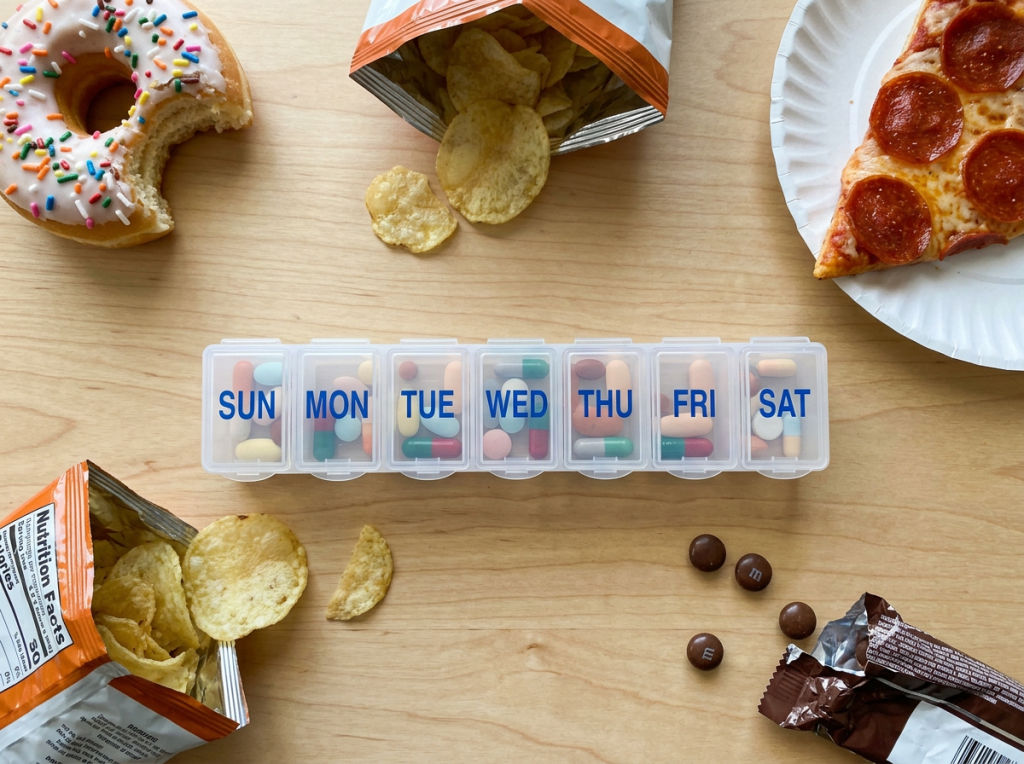


One in four Americans taking diabetes medications unknowingly consume foods that interfere with how their drugs work. This startling reality affects millions of people every single day.
Diabetes medications are designed to control your blood sugar. Certain foods can change how your medication is absorbed or works in your body. This can make the medication less effective or too strong.
Your daily food choices are powerful. Some foods slow the rate at which your body absorbs medication. Others cause rapid spikes in blood sugar that counteract your medicine. A few foods even increase the risk of side effects like nausea or dehydration.
The good news is simple. Understanding these interactions empowers you to make informed choices. When you know what to avoid, you gain better blood sugar control and fewer complications down the road.
Pharmacists and certified diabetes educators see these problems every day. They know which combinations cause the most trouble. They also know which foods truly matter for your specific medications.

Key Takeaways
- Certain foods change how your body absorbs diabetes medications
- Some foods make medications less effective or too strong
- High-fat foods and grapefruit juice pose major interaction risks
- Rapid blood sugar spikes can counteract your medication’s benefits
- Knowing what to avoid gives you better control over your health
- Real experts work with patients daily on these exact issues
- Your food choices work for or against your treatment plan
How Your Diet Affects Diabetes Medications
Your food choices greatly impact how well your diabetes medications work. Food can either help or hinder your medication’s effectiveness. When you eat foods that quickly raise your blood sugar, it’s like a tug-of-war in your body. Knowing how food and medication interact helps you manage your diabetes better and avoid dangerous blood sugar swings.
The food you eat affects your blood sugar levels. Eating extra calories, like carbohydrates, raises your blood sugar. Over time, this can cause serious problems like nerve, kidney, and heart damage. So, it’s important to match your meals with your medication schedule for your health.

Understanding Food-Drug Interactions
Food and medication interactions happen in different ways. Some affect how your body processes the medication. Others change how the medication works in your body.
Several key mechanisms show how food changes medication behavior:
- Altering absorption rates in your digestive system
- Changing how quickly medications take effect
- Affecting how long medications remain active in your body
- Influencing the intensity of both therapeutic effects and side effects
High-fat meals slow the absorption of medication. Some foods can also change how your liver breaks down drugs. Whether you take your medication with food or not can greatly change its effectiveness.
The Impact on Blood Sugar Control
The concept of a tug-of-war explains a big challenge in diabetes management. Your medication helps lower glucose levels, but certain foods can raise them. This creates unstable blood sugar levels, which can be dangerous.
Different foods affect your glucose levels in different ways:
| Macronutrient | Effect on Blood Sugar | Interaction with Medications |
|---|---|---|
| Carbohydrates | Rapid glucose spikes | Can overwhelm medication effects |
| Fats | Slow, gradual increases | Delay medication absorption |
| Proteins | Minimal direct impact | Support steady glucose levels |
To manage diabetes well, you need to plan what you eat and when. This requires coordination with your medication schedule. With the right planning, you can effectively manage your diabetes and protect your health in the long run.
Alcohol and Diabetes Medications
When you take diabetes medications, it’s best to limit alcohol. This mix can lead to serious health issues. Your liver is key in managing blood sugar. Drinking alcohol makes your liver focus on alcohol, rather than making new glucose.
Cari Riker, RDN, LDN, CDCES, says timing is crucial: “Alcohol raises the risk of low blood sugar, more so for those on insulin or sulfonylureas. It hinders the liver’s ability to release glucose.” This can cause blood sugar to drop hours later, even while you sleep.

Alcohol can increase risks with different medications. It makes side effects like nausea worse for those on metformin. For those on SGLT2 inhibitors, like Jardiance or Farxiga, alcohol can lead to dehydration, as it does.
The American Diabetes Association suggests drinking in moderation. Men should have up to two drinks a day, and women up to one. Always talk to your doctor about safe drinking. Never drink on an empty stomach. Always check your blood sugar before and after drinking.
| Medication Type | Main Risk with Alcohol | Symptoms to Watch For |
|---|---|---|
| Insulin | Low blood sugar (hypoglycemia) | Shakiness, sweating, confusion |
| Sulfonylureas | Low blood sugar | Dizziness, rapid heartbeat |
| Metformin | Worsened digestive problems | Nausea, vomiting, diarrhea |
| SGLT2 Inhibitors | Increased dehydration | Dry mouth, excessive thirst |
Being smart about drinking helps keep you healthy. Always eat when you drink. Carry a glucose meter and snacks. Discuss with your doctor if any alcohol is safe for your medications.
Grapefruit Juice and Its Effects on Medication Absorption
Grapefruit juice can be a big problem for people with diabetes who take certain medicines. Drinking grapefruit juice with some diabetes drugs can lead to dangerous interactions. This can affect how your body absorbs these medicines.
Many people don’t know that grapefruit juice can interact with diabetes drugs in a way that other fruit juices don’t. This interaction can change how much medicine enters your bloodstream and how long it stays there.

How Grapefruit Interferes with Drug Metabolism
Your body uses special enzymes to break down medicines. Grapefruit juice has compounds called furanocoumarins that block these enzymes. When these enzymes can’t work, your diabetes medicine stays in your body longer than it should.
This can make your medicine levels too high in your blood. You might experience more side effects and unpredictable blood sugar levels. The problem can last for hours, even after you stop drinking.
Just one glass of grapefruit juice can affect your medicine for 24 hours or more. Even a little grapefruit in fruit juice blends can cause the same problem. Always check juice labels because grapefruit is often mixed with other fruits without being clear.
| Juice Type | Contains Furanocoumarins | Safe for Diabetes Medications |
|---|---|---|
| Grapefruit Juice | Yes | No |
| Orange Juice | No | Yes |
| Cranberry Juice | No | Yes |
| Apple Juice | No | Yes |
| Tangerine Juice | No | Yes |
| Tangelo Juice | No | Yes |
| Mixed Juice Blends (Check Label) | Possibly | Only if Grapefruit-Free |
Safe Alternatives to Grapefruit Juice
You can choose from many tasty juices that won’t mess with your diabetes medicine. Orange juice is rich in vitamin C and tastes sweet, free of furanocoumarins. Cranberry juice is tart and packed with antioxidants for your health.
Apple juice is another good choice for managing diabetes. Tangerine and tangelo juices offer citrus flavor without affecting your medicine. These juices are refreshing and go well with meals all day.
- Always read juice labels on all fruit juice blends before purchasing
- Check ingredient lists for grapefruit, pomelo, or Seville orange
- Talk with your pharmacist about your complete beverage habits
- Ask your pharmacist which juices pair safely with your specific diabetes medications
- Consider drinking water as your primary beverage choice
- Keep a list of approved juices for easy reference at the grocery store
Talking to your pharmacist about what you drink is key to staying safe. Your pharmacist knows your medicines and can tell you about risky juice combinations. Even a little grapefruit in mixed juices can cause problems, so it’s important to be honest about your drinks.
4 Foods and Drinks to Avoid Mixing with Diabetes Medications
Managing diabetes is more than just taking your meds. What you eat and drink is key to how well your meds work. Knowing which foods and drinks interact with your meds helps you make better food choices. You don’t have to cut out these items completely. Instead, focus on timing, portion control, and understanding how they affect your meds.

Four items need your attention: alcohol, grapefruit juice, high-fat foods, and high-glycemic-index foods. Each affects your body and meds differently. The severity of these interactions varies based on your diabetes meds. For instance, GLP-1 receptor agonists such as Ozempic and Trulicity are more sensitive to high-fat foods. SGLT2 inhibitors require careful hydration and alcohol intake.
Knowing about these foods and drinks empowers you to manage your health. You can plan your meals better, choosing whole foods over refined ones. Limit alcohol to times when you’ve eaten well and can check your blood sugar. Switch grapefruit juice for safer options.
- Alcohol interferes with your liver’s glucose regulation and increases the risk of hypoglycemia
- Grapefruit juice alters medication metabolism and can lead to unexpectedly high drug levels in your system
- High-fat foods delay medication absorption and worsen gastrointestinal side effects
- Foods with a high glycemic index cause rapid blood sugar spikes that counteract your medication’s glucose-lowering effects
The next sections will dive into each item in detail. You’ll learn strategies to protect your health and maximize your diabetes treatment plan.
High-Fat Foods That Delay Medication Effectiveness
Your food choices are crucial when taking diabetes medications. High-fat foods slow digestion, which delays the absorption of some medications. This delay can disrupt your treatment plan and make it harder to manage your blood sugar levels.
For people taking certain diabetes medications, the risks go beyond delayed absorption. Pairing high-fat meals with medications like GLP-1 receptor agonists can trigger significant gastrointestinal side effects. These medications already slow gastric emptying. Adding high-fat foods creates a double effect that can trigger nausea, vomiting, and diarrhea, making the medication harder to tolerate.
The American Diabetes Association recommends limiting saturated fat to less than 10% of daily calories. Foods high in saturated fat can contribute to high cholesterol and increase the risk of cardiovascular disease. Cutting back on fatty foods is a smart move for your overall health and the effectiveness of your medication.

Common High-Fat Foods to Limit
Knowing which foods to avoid helps you make better choices for your health. Here are the main categories of high-fat foods you should watch out for:
- Fried foods: French fries, fried chicken, tempura, and doughnuts
- Processed and fatty meats: Bacon, sausage, hot dogs, ribs, and marbled steaks
- Full-fat dairy products: Whole milk, cream, full-fat cheese, and butter
- High-fat baked goods: Croissants, pastries, and cookies made with shortening
Also, watch for hidden sources of saturated fat in restaurant meals, processed snacks, and convenience foods. These items often contain more fat than you realize.
| Food Category | Examples to Avoid | Better Alternatives |
|---|---|---|
| Proteins | Bacon, sausage, fatty cuts of beef | Grilled chicken breast, lean ground turkey, fish |
| Dairy | Whole milk, full-fat cheese, cream | Low-fat milk, reduced-fat cheese, Greek yogurt |
| Cooking Methods | Deep frying, pan frying in oil | Baking, grilling, steaming, boiling |
| Snacks | Chips, pastries, doughnuts | Fresh fruit, nuts in moderation, whole grain crackers |
Start reading nutrition labels to identify saturated fat content in the foods you eat. Keep your daily saturated fat intake below 10% of your total daily calories. This simple step protects your medication’s effectiveness while supporting your cardiovascular health.
Foods with High Glycemic Index and Rapid Blood Sugar Spikes
When you eat foods with a high glycemic index, your body breaks them down quickly. This turns them into glucose, which enters your bloodstream quickly. This causes your blood sugar to spike rapidly.
These foods don’t stop medications like metformin from working. But they make it harder to keep your blood sugar stable. It’s like trying to bail water out of a boat while someone else is pouring more water in.
Your diabetes medications work best when blood sugar changes happen gradually. Quick spikes force your medication to work overtime. Elaina Rosario adds: “If you take a fast-acting insulin or a medication that works with meals, this sudden spike can make it difficult for the medication to keep up, or it could lead to a sudden drop later if the medication works too aggressively to bring it down.” These rapid ups and downs cause problems for your body and make managing diabetes much harder.
Foods to Limit Right Now
Refined carbs to limit include white rice, white bread, white pasta, and cereals with added sugars. Sugary foods include baked goods, candy bars, premade fruit-flavored yogurts, sodas, and fruit juices. These foods lack the nutrients your body needs to digest them slowly.
- White bread and white pasta
- Regular breakfast cereals with added sugars
- Candy bars and baked desserts
- Soda and sweetened beverages
- Instant oatmeal and toaster pastries
- Pretzels and crackers
- Fruit juice and energy drinks
Better Choices for Blood Sugar Control
Carbohydrates found in most vegetables and whole grains don’t affect blood sugar as much. The fiber in them helps slow their digestion, keeping your blood sugar steady. This gives your medication time to work properly without being disrupted by sudden changes.
| High-GI Foods (Avoid) | Low-GI Alternatives (Choose) | Blood Sugar Impact |
|---|---|---|
| White bread | Whole grain bread | Slower rise in blood sugar |
| White rice | Brown rice or quinoa | Steady glucose absorption |
| Instant oatmeal | Steel-cut oats | Gradual energy release |
| Fruit juice | Whole fresh fruit | More fiber and slower digestion |
| Sugary cereal | Oatmeal with nuts | Balanced nutrition and stable levels |
| Regular soda | Water or unsweetened tea | No blood sugar spike |
Reading Labels for Hidden Sugars
Learning to spot hidden sugars helps you avoid blood sugar spikes. Food labels list sugars under many names, like corn syrup, dextrose, maltose, and fruit juice concentrate. Check the ingredient list on packaged foods before buying them.
When you combine carbohydrates with protein or healthy fat, you slow absorption. This minimizes blood sugar spikes that work against your medication. For example, pair whole-grain toast with peanut butter or eat brown rice with grilled chicken. These combinations help keep your blood sugar stable throughout the day.
Conclusion
Managing your diabetes means making smart choices about what you eat and drink. Foods like fruits, vegetables, and whole grains are key. They help keep your blood sugar stable and work well with your medications.
Choose the right proteins, such as beans, fish, and eggs. Opt for low-fat dairy and healthy fats like nuts and avocados. These choices are good for your heart and help your medications work better.
It’s crucial to talk to your doctor about your medications. They can help you avoid side effects and manage your blood sugar. A registered dietitian can also help create a meal plan that fits your needs.
With the right knowledge, you can better manage your diabetes. Making smart food choices and working with your health team can reduce side effects. Your daily food choices impact your health tomorrow.

 trim down and shape up
Leave a comment