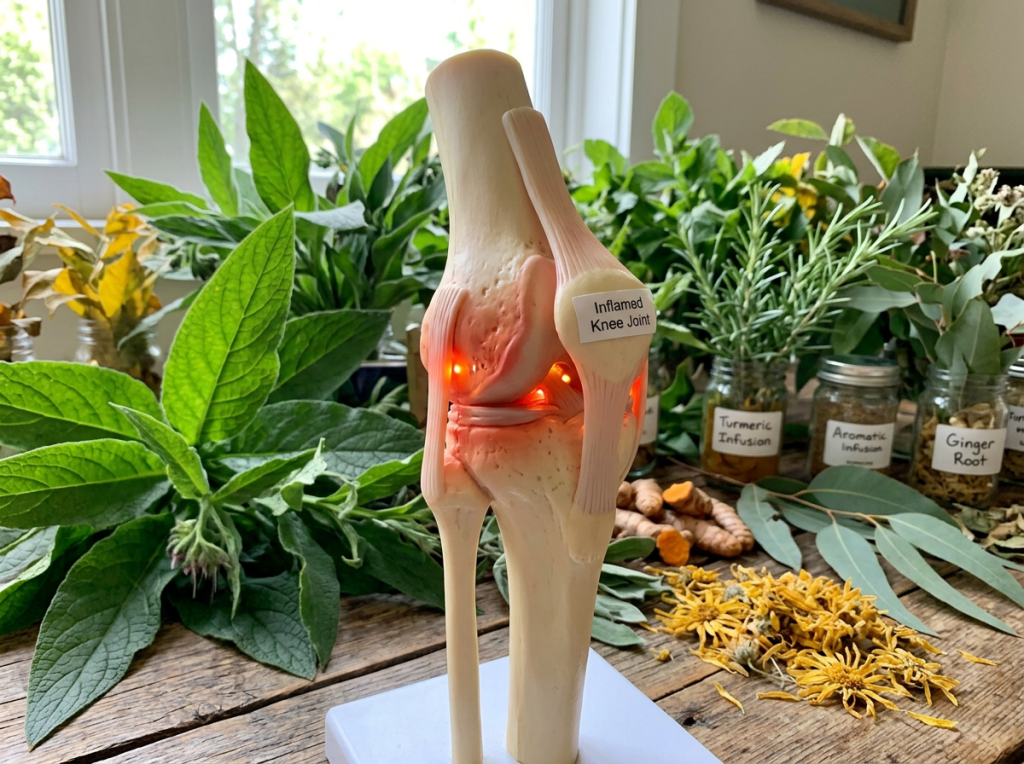


What if the natural remedy you’re taking for arthritis pain is actually harming you? Millions of people look for relief from joint pain and stiffness every day. They often turn to over-the-counter products hoping to find relief.
Arthritis is an inflammatory condition that causes swelling and tenderness in your joints. It can strike at any age, affecting your daily activities and quality of life. Research shows that about 63% of people with arthritis take supplements, compared to 49% of the general population.

You might think natural products are always safe. Alyssa Pacheco, a registered dietitian nutritionist, sheds light on the truth. “People often think dietary supplements are natural and safe, but they can have serious side effects. In some cases, they can even be harmful. It’s always wise to talk to your healthcare provider before starting any supplements.”
Just because something is natural doesn’t mean it’s safe for you. Some supplements marketed for arthritis relief are overhyped or harmful. They can interact with your medications, damage your organs, trigger allergic reactions, or worsen your symptoms.
This article will guide you through 4 supplements to avoid if you have arthritis. You’ll learn which products pose real health risks. Knowing these dangers will help you make better choices for your treatment plan.
Key Takeaways
- About 63% of arthritis patients use supplements compared to 49% of the general public
- Natural does not always mean safe for people with arthritis
- Some supplements can interact with arthritis medications or cause organ damage
- Always consult your doctor before starting any new supplement
- 4 supplements to avoid if you have arthritis are red yeast rice, chaparral, arnica, and cat’s claw
- Overhyped supplements may worsen your arthritis symptoms or trigger side effects
Understanding Arthritis and the Supplement Trend
Arthritis can make life tough and painful. You might feel stiff and find it hard to move. Many people try supplements to feel better. The supplement market has grown significantly, with millions seeking natural ways to manage pain.
If you’re looking for arthritis relief, you’ll see many products promising help. Supplements are appealing because they’re easy to find and seem natural. Knowing the facts helps you make better choices for your health.
Why People with Arthritis Turn to Supplements
It’s natural to want to find natural ways to treat arthritis. A 2011 CDC survey found that over half of American adults take supplements. For those with rheumatoid arthritis, the number is even higher. Dr. Eric Matteson of the Mayo Clinic says that over half of patients with rheumatoid arthritis use supplements.
The reasons are clear:
- Supplements are available without a prescription
- They’re marketed as natural and gentler alternatives
- Some have legitimate research showing benefits for joint pain
- You can easily purchase them at pharmacies and health stores

The Hidden Risks of Over-the-Counter Products
Natural doesn’t always mean safe. This is something you need to know. Supplements can cause side effects, interact with your medications, and even make symptoms worse. Always talk to your doctor before taking any supplements.
Dr. David Leopold from the Scripps Center for Integrative Medicine advises: “Do not assume that supplements are either safe or effective.”
Your treatment plan for arthritis needs careful thought. Supplements can have ingredients that clash with your medications or cause health problems. Many people think over-the-counter products are always safe. But it’s not that simple. Your pharmacist and doctor can help decide if a supplement is right for you.
| Common Supplement Concerns | Potential Issues |
|---|---|
| Drug Interactions | Supplements can interfere with blood thinners, blood pressure medications, and arthritis treatments |
| Side Effects | Nausea, headaches, liver damage, and stomach problems can occur |
| False Marketing | Not all claimed benefits have scientific proof |
| Quality Control | Products vary in strength and purity across different brands |
Next, we’ll look at specific supplements that need extra caution for arthritis. Your health is too important to leave to chance.
Red Yeast Rice: A Risky Choice for Joint Health
Red yeast rice is popular as a natural supplement, known for its ability to lower cholesterol. People think it might help with arthritis because it has calcium and magnesium. But it has serious drawbacks for those with joint issues.

The main issue with red yeast rice is how it affects your body. It works like statin drugs, which doctors use for cholesterol. This can lead to muscle pain and joint discomfort. If you already have arthritis, this supplement can make things worse.
“Similar to statin drugs, red yeast rice may cause muscle pain and joint discomfort.”
Another big risk is that red yeast rice can mess with your arthritis meds. This could make your treatments less effective or cause new problems.
It’s ironic that people take this supplement hoping to help their joints. The calcium and magnesium seem beneficial. But the statin-like effects can worsen joint pain and affect your meds. For those with arthritis, it’s best to avoid red yeast rice.
- Acts like statin drugs in your body
- Causes muscle pain and joint discomfort
- Interferes with prescribed arthritis medications
- Worsens existing joint symptoms
Chaparral: The Dangerous Desert Shrub Supplement
Chaparral comes from a desert shrub found in California, Arizona, and northern Mexico. It’s known scientifically as Larrea tridentata. Many think it helps with arthritic inflammation because of its antioxidants. But it’s crucial to know that this supplement poses serious risks.
In the 1990s, chaparral supplements caused a health crisis. Dozens needed emergency liver transplants and developed cirrhosis. This shocked the medical world and highlighted the dangers of supplements.

The Liver Toxicity Connection
Liver toxicity is the main concern with chaparral. Even small amounts can harm your liver. There are no human studies proving its safety or effectiveness.
If you take methotrexate for arthritis, the risk is even higher. Methotrexate already affects your liver. Adding chaparral to this mix is dangerous for your liver health.
- Chaparral consumption can cause cirrhosis
- Emergency liver transplants have resulted from chaparral use
- Risk exists even with small doses
- No human trials prove its safety
Why Antioxidants Don’t Always Mean Safe
Chaparral has natural antioxidants, which might seem good. Many arthritis supplements highlight their antioxidant content. But, this doesn’t mean they’re safe.
Safety depends on the whole chemical makeup of a supplement. Chaparral’s risk to the liver is greater than any anti-inflammatory benefits. Never assume natural compounds are safe just because they have positive properties.
4 Supplements to Avoid if You Have Arthritis
Living with arthritis means finding relief is key. Many look to supplements for a natural fix. But not all supplements are safe for your joints or health. Knowing which ones to avoid can keep you safe from harm and save you money.
Experts say to steer clear of four specific supplements if you have arthritis. These include overhyped products with little research and dangerous ones that can harm your body. Understanding these 4 supplements to avoid helps you make better choices for your treatment.
- Red Yeast Rice – Causes muscle and joint pain that mimics statin side effects
- Chaparral – Triggers dangerous liver toxicity and organ damage
- Arnica – Can be fatal when taken orally, despite being overhyped for arthritis pain
- Cat’s Claw – Limited research and creates harmful medication interactions
These supplements receive extensive marketing despite safety concerns. Companies often make big claims without solid science. Your arthritis care should focus on proven treatments and lifestyle changes, not risky supplements.
Always talk to your doctor before trying any supplement. This step is crucial for your health and for avoiding adverse interactions with your meds. Your healthcare team can suggest safe and effective ways to manage your arthritis symptoms.
Arnica and Cat’s Claw: Overhyped and Potentially Harmful
Arnica and cat’s claw are often touted for arthritis relief. They claim to reduce inflammation and ease pain. But the truth is, they pose safety risks and lack solid scientific support. Knowing the dangers of these supplements can help you choose better for your arthritis care.
The Truth About Topical Versus Oral Arnica
Arnica is available in different forms, and the choice is crucial for safety. Topical arnica applied to the skin might help with joint pain. Studies show it can be as effective as ibuprofen for some arthritis patients.
But, using topical arnica can still cause skin issues. Some people get rashes, itchiness, or dryness on the skin. These side effects can worsen your condition.
Oral arnica is much riskier. Arnica should never be taken orally without direct medical supervision. Taking it by mouth can lead to severe health problems, even life-threatening ones.

Cat’s Claw Research Limitations and Side Effects
Cat’s claw is marketed as a natural anti-inflammatory for arthritis pain. It contains compounds that might reduce joint inflammation. Yet, the scientific backing for cat’s claw is weak and outdated.
Studies on cat’s claw have major flaws. They lack strong design and the power to prove their benefits. One study showed it could reduce pain during exercise but not swelling or resting pain. Another study found initial pain relief that faded after eight weeks.
Cat’s claw also has unwanted side effects. Users often experience nausea and stomach issues. It can interact with blood pressure and cholesterol medications, increasing health risks.
| Supplement | Form | Anti-Inflammatory Properties | Pain Relief Evidence | Major Risks |
|---|---|---|---|---|
| Arnica | Topical | Moderate | Some studies show promise | Skin rashes, itching, dryness |
| Arnica | Oral | Unknown | Not recommended | Serious adverse effects, potentially fatal |
| Cat’s Claw | Oral | High claimed levels | Limited, outdated research | Nausea, stomach upset, medication interactions |
Arnica and cat’s claw show the need for caution with supplement claims. Having anti-inflammatory properties doesn’t mean they’re safe or effective for arthritis pain relief. Always talk to your doctor before trying new supplements to avoid harmful interactions with your current medications.
Tips for Managing Arthritis Through Lifestyle Changes
Managing arthritis doesn’t just mean taking supplements. There are many lifestyle changes you can make to help. These changes can reduce pain, improve joint function, and enhance your quality of life. They are safer than relying on supplements.

Your diet is key to managing arthritis symptoms. Arthritis is an inflammatory condition, and what you eat affects how you feel. Eating an anti-inflammatory diet gives your body tools to fight inflammation naturally. A Mediterranean-style diet is often recommended for those with joint pain.
Focus on including these beneficial foods in your meals:
- Fatty fish like salmon and sardines
- Berries, oranges, and kiwis
- Broccoli, cauliflower, and spinach
- Nuts, seeds, and olive oil
- Whole grains and lean proteins
It’s also important to limit highly processed foods. Reducing inflammation means cutting out harmful items. Avoid foods with added sugars and processed ingredients that increase inflammation.
Physical activity is equally important. Regular exercise strengthens muscles around your joints. This movement decreases joint pain and boosts your mood. Try to do at least 30 minutes of activity daily, like walking or gardening.
By making these lifestyle changes, you can manage arthritis symptoms safely and effectively.
Conclusion
Your journey with arthritis is unique. What works for your friend might not work for you. This is true when choosing safe supplements because everyone’s body is different.
Red yeast rice, chaparral, arnica, and cat’s claw are examples of supplements with risks. They might not be safe for you, even if they’re natural. Clever marketing doesn’t always mean a product is safe.
There are safer ways to manage your arthritis symptoms. Eating anti-inflammatory foods and exercising gently are good options. These choices are safer than some supplements.
Before trying a supplement, talk to a health care professional. They can help you choose safe products that fit your needs. Dr. Eric Matteson from the Mayo Clinic says to always check with your doctor first.
Being smart about what you put in your body is key to managing arthritis. Avoid supplements that could harm you. Work with your doctor to find safe options that work for you. Your future self will thank you for making these careful choices.




 trim down and shape up
Leave a comment