


Research shows that 68% of fitness tips on social media are outdated or wrong. You’ve probably heard these myths so often they seem true. Friends, family, and even some fitness experts share old advice that science has disproven.
The fitness world has changed a lot. What trainers said in the 80s and 90s is not what we know today. These old tips still exist because they sound good or are linked to popular products. But following them can slow you down, hurt you, or make you dislike working out.
There’s a better way. Evidence-based fitness tips show us how to train smarter, not harder. You don’t need to suffer or follow strict rules to see results. Your body responds well to science-backed training.
This article will debunk five big fitness myths. You’ll learn that pain isn’t a good sign during workouts. Stretching before exercise might not help. Lifting weights won’t make you a bodybuilder. Daily step goals might not be the best for your health. And you’ll see if protein shakes are really needed for muscle growth.
The truth is simple. Good fitness doesn’t mean punishment. It’s about knowing how your body works and making smart choices. Let’s challenge what we thought we knew about exercise.

Key Takeaways
- Most popular fitness advice today is outdated, not based on current research
- Common myths can slow you down or increase injury risk
- Evidence-based tips focus on lasting results, not extreme measures
- Modern science proves you don’t need to suffer through workouts
- Understanding your body is more important than following old rules
- The five major myths in this article affect millions every day
- Effective fitness is about making smart choices, not punishment
This is the Outdated Fitness Advice Everyone Should Ignore: No Pain No Gain
The “no pain no gain” idea has been around for a long time. Many think you must suffer through hard workouts to see results. But this idea is outdated and can be harmful to your health.
Building strength and endurance doesn’t mean ignoring your body’s signals. Knowing the difference between hard work and harmful pain changes how you train.
Modern science shows pain and effort are not the same. You can work hard and make progress without risking injury. Listening to your body leads to better results than ignoring discomfort.
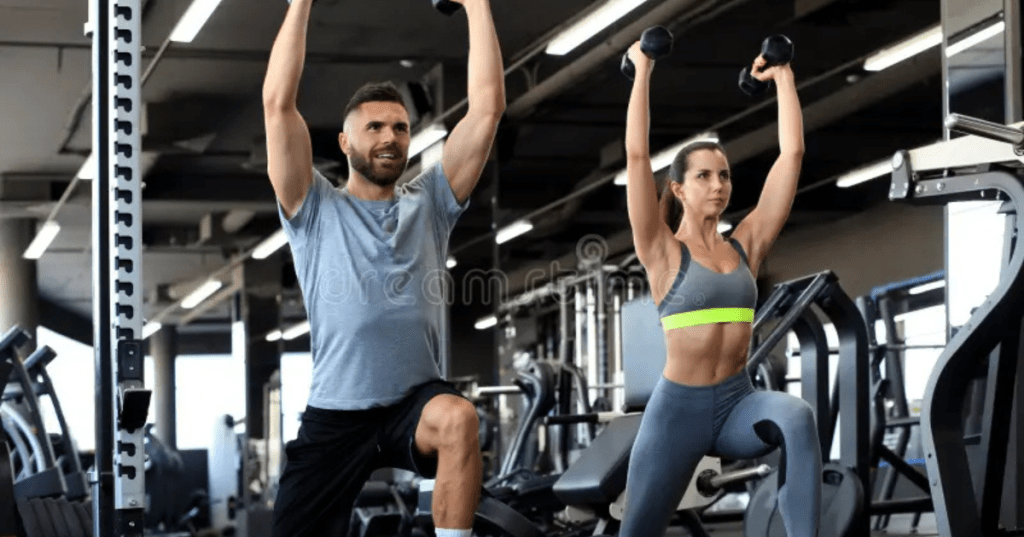
Why Pain Is Not the Same as Effort
Your body uses pain as a warning. It’s like an alarm telling you something needs attention. Effort, on the other hand, is feeling challenged in a controlled way.
Personal trainer Robert Guthrie says the old idea of going all-out every day is wrong. “You still get muscle activation and build muscle by listening to your body,” Guthrie says. Pushing through pain can lead to injuries, as research and experience show.
Good training means steady progress and controlled effort. This way, you avoid injuries and see better results over time.
The Difference Between Muscle Burn and Actual Pain
There’s a big difference between muscle burn and actual pain. When you exercise, your muscles should feel tired but not in pain. This burning is normal and good.
Feeling sore 24 to 48 hours after trying new exercises is normal. This is called delayed onset muscle soreness, or DOMS. It usually goes away in a few days.
But sharp pain, swelling, or worsening discomfort is a warning. This means you’ve gone too far and need to rest or see a doctor. It’s important to know the difference.
| Type of Sensation | What It Means | What You Should Do |
|---|---|---|
| Muscle Burn During Exercise | Normal fatigue from working your muscles | Continue exercising with good form |
| DOMS (Achy Soreness) | Delayed muscle soreness 24-48 hours after new activity | Light movement, stretching, proper recovery |
| Sharp Pain | Potential injury or strain signal | Stop exercising immediately and rest |
| Swelling or Increasing Discomfort | Inflammation that’s getting worse | Ice the area and seek medical advice |
Listen to Your Body for Better Long-Term Results
Certified personal trainer Ahsha Morin suggests using a 1-10 effort scale. Start with lighter weights and do 10 to 15 reps of basic exercises. Then, check how you feel.
Try to hit a 6 or 7 on the effort scale. This means you’re working hard but can keep going if needed. This method helps you progress without risking injury.
- Start with manageable weights that feel light
- Complete 10 to 15 repetitions of each exercise
- Rate your effort level honestly on a 1-10 scale
- Aim for a 6 or 7 on your effort scale
- Adjust weights gradually, never suddenly jump to heavier ones
- Rest between sets and between workout days
- Watch for sharp pain or unusual swelling
Listening to your body and respecting its limits leads to a sustainable fitness practice. Steady progress and controlled effort build strength without injury. This way, you can keep training year after year without getting hurt.
The Myth That You Must Stretch Before Every Workout
Many believe stretching before exercise is always necessary. They think it keeps them safe and boosts performance. But the truth is more nuanced. The type and timing of stretching are crucial, not just doing it before every workout.
There are two main types of stretching. Each has its own role in your fitness routine.
| Stretching Type | Description | Best Time to Use | Duration |
|---|---|---|---|
| Static Stretching | Holding a position without movement (touching toes, butterfly stretch) | After your workout | 30 seconds per stretch |
| Dynamic Stretching | Active movements through full range of motion (leg swings, arm circles) | During pre-workout warm-up | 5-10 minutes |

Static stretching involves holding a position for a set time. For example, touching your toes for 30 seconds. Yet, studies show it can temporarily reduce muscle power before exercise. This is not what you want before lifting or running.
Dynamic stretching, on the other hand, involves moving through full ranges of motion. Your warm-up should include dynamic stretching. A good dynamic warm-up routine looks like this:
- Start with 5 minutes of light cardio (walking, easy jogging, or cycling at a slow pace)
- Get your heart rate elevated and body temperature up
- Move into 5 minutes of dynamic stretching
- Focus on areas you will use during your workout
Mobility exercises for your rotator cuff and hip flexors are key. These areas control your shoulders and legs. Leg swings, arm circles, walking lunges, and jumping jacks are great for a dynamic warm-up. They prepare your body better than static stretching before exercise.
Save static stretching for after your workout. Your muscles are warm and ready to stretch deeper. This is when stretching before exercise actually makes sense. You can stretch more safely and improve flexibility over time when muscles are properly warmed up.
Knowing when to stretch before exercise changes your fitness approach. Use a dynamic warm-up routine with mobility exercises to prepare. Leave static stretching for your cool-down period. Your performance will improve, and your body will thank you.
Why Lifting Weights Won’t Make You Bulky
Many people avoid the gym because they think lifting weights will make them bulky. This myth is common, but it’s not true. Building a lot of muscle takes years of hard work, a special diet, and intense training.
This myth stops you from enjoying the health benefits of strength training. It can change your health and boost your confidence. Let’s look at what happens when you start lifting weights and why you won’t get bulky.
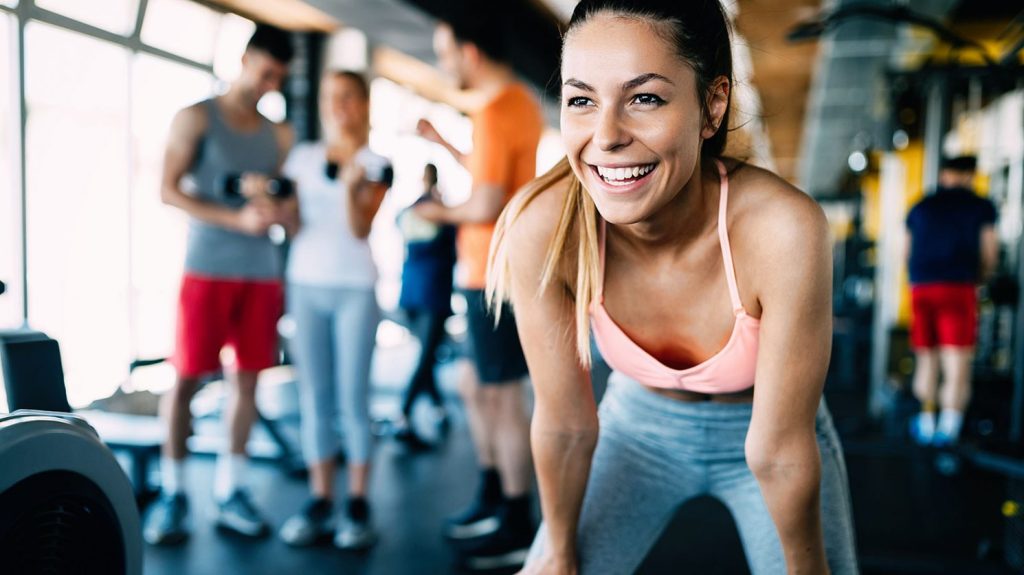
Understanding How Muscle Growth Actually Works
Muscle growth needs a specific formula. You need to lift heavy weights, train a lot, eat more than you burn, and get enough protein. You also need to keep training for months or years.
Professional bodybuilders spend their lives getting huge. They eat special diets, train for hours, and make big sacrifices. But for most people, lifting weights a few times a week won’t make you bulky.
Instead, you’ll get toned. Your muscles will get firmer and more defined. Your metabolism will go up, and you’ll lose fat. Knowing the difference between toning and bulking makes you feel good about lifting weights.
- Building bulk requires a caloric surplus (eating more than normal)
- Average workouts create muscle definition, not size
- Women typically build muscle more slowly than men due to hormones
- Professional results take years of dedicated training
The Benefits of Strength Training for Bone Health
Strength training does more than just make you look good. It also makes your bones stronger. As you get older, your bones naturally get weaker, which raises your risk of osteoporosis and fractures.
Weightlifting exercises help your bones grow and slow bone loss. You’ll have bones that are less likely to break. This is very important as you get older, helping you stay mobile and independent.
| Age Group | Bone Density Benefit | Osteoporosis Prevention Impact |
|---|---|---|
| 20-40 years | Peak bone building and maintenance | Establishes strong foundation for aging |
| 40-60 years | Slows natural bone loss | Reduces fracture risk by 20-30% |
| 60+ years | Maintains bone strength and density | Critical for preventing falls and breaks |
Don’t let myths stop you. Resistance training can improve your heart health, strength, fat loss, and overall wellness. Work with trainers who create programs that fit your goals, not just to get big.
Avoiding weights because of bulking myths is harmful. You miss out on stronger bones, better metabolism, and more confidence. Start lifting weights today and see the real benefits for yourself.
The Truth About the 10,000 Steps Daily Goal
You’ve probably heard that you need to hit 10,000 steps per day to stay healthy. This number is everywhere on fitness trackers and health apps. But did you know it didn’t come from doctors? It started in 1965, when a Japanese company sold a step counter.
The company called it the “10,000 steps meter,” or Manpo-kei in Japanese. It became popular as a marketing tool. But scientists never proved it was the magic number everyone thought it was.

Recent research shows you don’t need 10,000 steps to improve your health. A study of older women found that those averaging 4,400 steps per day had a 41% reduction in mortality. This was compared to women taking just 2,700 steps daily.
The good news? Health benefits continued to improve as people took more steps. They reached peak benefits around 7,500 steps per day. After that, the improvements leveled off, suggesting 10,000 steps may not be necessary for everyone.
If you’re sedentary or only manage a few thousand steps daily, 10,000 steps can feel like an impossible goal. Start with incremental fitness goals. Check your baseline with a step tracker or your smartphone. If you’re averaging 3,000 steps, aim for 5,000 first.
Once you hit 5,000 consistently for several weeks, bump it up to 7,000. This gradual approach builds sustainable habits without overwhelming your body.
| Current Daily Step Count | Next Incremental Goal | Timeline | Health Benefit |
|---|---|---|---|
| 2,000-3,000 steps | 4,500-5,000 steps | 4-6 weeks | Increased cardiovascular fitness |
| 5,000 steps | 6,500-7,000 steps | 4-6 weeks | Improved bone health and endurance |
| 7,000 steps | 8,500-9,000 steps | 4-6 weeks | Enhanced metabolic function |
| 9,000+ steps | 10,000 steps (optional) | Ongoing | Maintained cardiovascular benefits |
You don’t need a step tracker to benefit from walking for health. If counting steps feels tedious or you don’t own a fitness device, aim for 30 minutes of walking daily instead. This approach provides similar health advantages without constant monitoring or pressure to hit a specific number.
The key takeaway is this: your physical activity goals should match your current lifestyle and fitness level. Whether you’re reaching 5,000, 7,500, or 10,000 steps per day, the important thing is that you’re moving consistently. Abandon the guilt if you can’t hit the magical 10,000. Focus on building sustainable walking for health habits that work for your life.
Do You Really Need a Protein Shake After Working Out
The fitness world tells us protein shakes are key after working out. You might think skipping them is a waste of effort. But the truth is more complex. Protein is vital for muscle repair, but you don’t need a shake right away.
Your body can heal well with different sources and timing that fit your life. Most Americans get enough protein from their regular diet. Studies show you don’t need special supplements or strict timing to meet your protein needs.

Getting Protein from Whole Food Sources
Whole foods can help you build muscle and recover. They offer more than just protein. Foods like these provide vitamins, minerals, and fiber that support your health.
Here are some great whole food options for post-workout protein:
- Grilled chicken breast with sweet potatoes and vegetables
- Greek yogurt with berries and granola
- Eggs with whole grain toast and avocado
- Salmon with brown rice and broccoli
- Beans and rice with olive oil
- Turkey sandwich on whole wheat bread
- Cottage cheese with fruit and almonds
Nutrition expert Ahsha Morin says,
“We’ve lived a lot of years without protein powders and drinks and still achieved goals. Do I believe in increasing your protein to help build muscle and sustain life and good health? Yes. But I think there’s a lot better ways to get protein in, versus just drinking a protein shake.”
The key is protein timing flexibility. You don’t need to eat protein right after your workout. A balanced meal with whole foods a few hours later gives your body what it needs for recovery and growth.
When Protein Powders Actually Make Sense
Protein powders have their uses. They’re good when your diet can’t provide enough protein on its own.
Here are some situations where protein powder is beneficial:
| Your Situation | Why Powder Helps | Best Practice |
|---|---|---|
| Very busy schedule | Quick meal replacement when cooking isn’t possible | Keep powder for genuine emergencies |
| Vegan or vegetarian diet | Fills protein gaps when plant-based whole foods fall short | Combine with diverse whole food sources |
| Limited cooking access | Convenient protein without preparation time | Use alongside available whole foods |
| High athletic demands | Easier to meet elevated protein targets | Supplement a diet rich in whole foods |
| Caloric deficit training | Low-calorie protein option for muscle preservation | Maintain whole food nutrition base |
Protein powders can be helpful when you struggle to get enough protein from whole foods. Morin notes that her vegan and vegetarian clients use powders to fill nutritional gaps. This is because plant-based foods often require more to meet protein needs.
Here’s the main point: Protein powders aren’t bad and can support your fitness goals. If you like your protein shake, keep using it. Remember, powders are meant to supplement a diet rich in whole foods. They don’t replace real food or guarantee workout success. Your body recovers well with whole foods and flexible protein timing.
Conclusion
Your fitness journey should be based on the latest science, not old myths. This article debunked five common myths. You now know that “no pain, no gain” can be harmful. Static stretching isn’t needed for everyone before workouts.
Lifting weights won’t make you bulky unless you want it to. The 10,000 steps goal is not for everyone. And you don’t need a post-workout protein shake if you eat whole foods.
It’s okay to move away from outdated advice. It’s actually a sign of growth. Your fitness plan should be tailored to your needs, not a one-size-fits-all approach.
Modern exercise science supports flexible training. This leads to better results and lasting habits. By listening to your body and making smart choices, you can achieve long-term success.
Work with experts when you need help. Progress at your own pace. Enjoy the journey, not just the end result. Your fitness path is unique, and you’re ready to train smarter and feel better.




 trim down and shape up
Leave a comment