


Have you felt dizzy or lightheaded and wondered whether something serious was happening? Low blood pressure, also called hypotension, often goes unnoticed but can create health risks. Some people have no symptoms, while others develop serious complications.
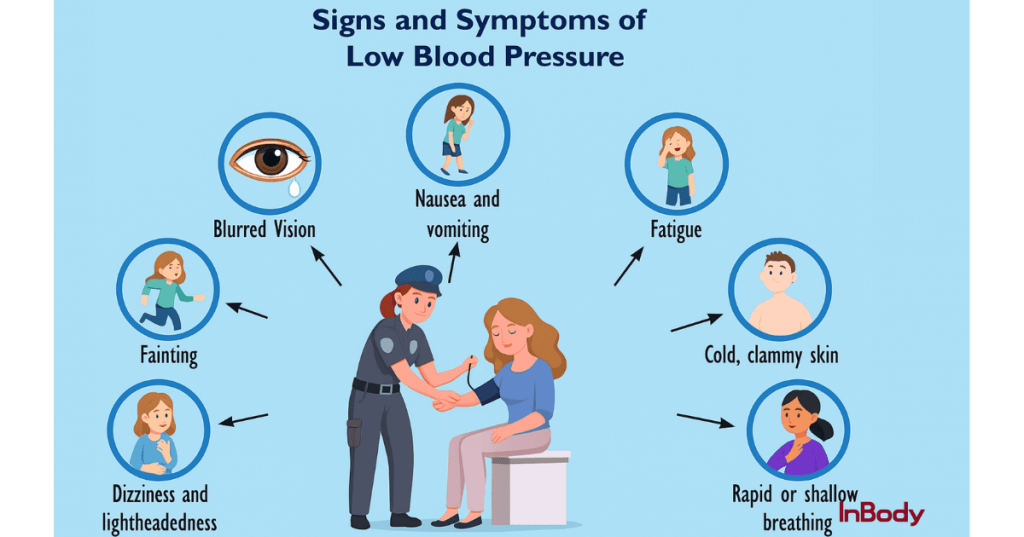
The Mayo Clinic, Cleveland Clinic, and the National Heart, Lung, and Blood Institute (NHLBI) list a fairly consistent set of symptoms. These symptoms appear when blood pressure runs too low for the body’s needs. They range from mild to severe, so knowing the 8 warning signs can help you act quickly.
This article explores the eight most important signs of dangerously low blood pressure. You will learn which readings may cause concern and when to seek medical attention. These 8 warning signs of low blood pressure and when it becomes dangerous can help you stay informed and empowered.
Key Takeaways
- Low blood pressure can lead to dizziness and fainting.
- Symptoms may vary among individuals.
- Understanding your body’s signals is vital.
- Timely action can prevent serious complications.
- Consult trusted medical sources for guidance.
What counts as low blood pressure
Understanding low blood pressure is important for your health. The American Heart Association defines low blood pressure, or hypotension, as a reading below 90/60 mm Hg. This reading helps show when blood pressure may not move enough blood to your organs.
Blood pressure is measured in millimeters of mercury (mmHg). A typical reading, such as 120 over 80, appears as 120/80 mmHg. The first number shows systolic pressure, the force when your heart pumps blood, while the second shows diastolic pressure between beats.
Low blood pressure is common in older adults, people taking blood pressure medication, and anyone prone to dehydration. Yet people discuss it far less than high blood pressure. Many healthy young adults have naturally low readings, but low blood pressure can also signal serious health issues.
At rest, blood pressure is low when systolic pressure falls below 90 mmHg and/or diastolic pressure falls below 60 mmHg. Still, what counts as “low” can vary from person to person. Your health, activity levels, and symptoms help show how serious the reading may be.

Why a single low reading isn’t always a problem
A single low reading is not automatically a problem. Context helps explain what the number means. What matters is whether it comes with symptoms, and whether those symptoms signal something more serious behind the number.
Many people with a reading around 90/60 feel completely fine. The Mayo Clinic notes a home reading at or just below that number may not cause concern. This is particularly true in the absence of symptoms. Blood pressure can change during the day because of several factors, including:
- Your general health
- Activity levels
- Hydration status
- The time of day
Low blood pressure may appear during a routine medical examination without noticeable symptoms. One low reading may not signal a problem, especially if you feel well. If readings stay low, discuss any persistent low readings with a clinician before assuming they are normal for you.
In a healthy person without symptoms, low blood pressure is not classified as a disease and needs no treatment. However, a specialist may diagnose low blood pressure, or pressure may suddenly fall below 90/60 mmHg. Then monitoring and treatment may be necessary.

The 8 warning signs of low blood pressure and when it becomes dangerous
Knowing the warning signs of low blood pressure helps you act fast and seek care when needed. Here are eight key signs.
1. Dizziness or lightheadedness, especially on standing up
Dizziness or lightheadedness, especially on standing up, may start when you change position quickly. This can happen after sitting for a long time. Your brain may briefly receive less blood flow.
2. Fainting, known medically as syncope
Fainting, known medically as syncope, means sudden loss of consciousness. It can cause serious injuries while walking or driving. A major drop in blood pressure may deprive your brain of oxygen.
3. Blurred vision, sometimes fleeting, sometimes lasting several seconds
Blurred vision, sometimes fleeting and sometimes lasting several seconds, may occur when your eyes and brain receive reduced blood flow. It may last a few seconds or longer, so monitor it.
4. Nausea or a queasy feeling that comes on suddenly
Nausea or a sudden queasy feeling may signal low blood pressure. People often overlook this symptom, but it may indicate that your body struggles to maintain adequate blood flow.
5. Fatigue or weakness that is out of proportion to the day
Fatigue or weakness disproportionate to the day, especially in the morning, may signal low blood pressure. Notice how your body feels throughout the day.
6. Rapid, shallow breathing, flagged by the Cleveland Clinic as one of the more concerning signs
Rapid, shallow breathing, which the Cleveland Clinic flags as one of the more concerning signs, needs prompt attention. A drop in blood pressure may mean your body struggles to get enough oxygen. Do not ignore this critical sign.
7. Cold, clammy, or sweaty skin, sometimes with pale or bluish coloring
Cold, clammy, or sweaty skin, sometimes with pale or bluish color, may indicate reduced blood flow. This may indicate reduced blood flow to your hands and feet.
8. Confusion or trouble concentrating, more common in older adults
Confusion or trouble concentrating, more common in older adults, can occur when low blood pressure reduces the brain’s oxygen and nutrient supply. This problem can be serious.

Knowing these warning signs can help you or someone you care about seek medical help promptly. Consult a healthcare professional if you experience any sign.
Orthostatic hypotension: the kind medications often miss
It is the sudden pressure drop that happens when you go from sitting or lying down to standing. This condition is orthostatic hypotension, also called postural hypotension. The most commonly overlooked form is orthostatic hypotension because routine checkups may miss it.
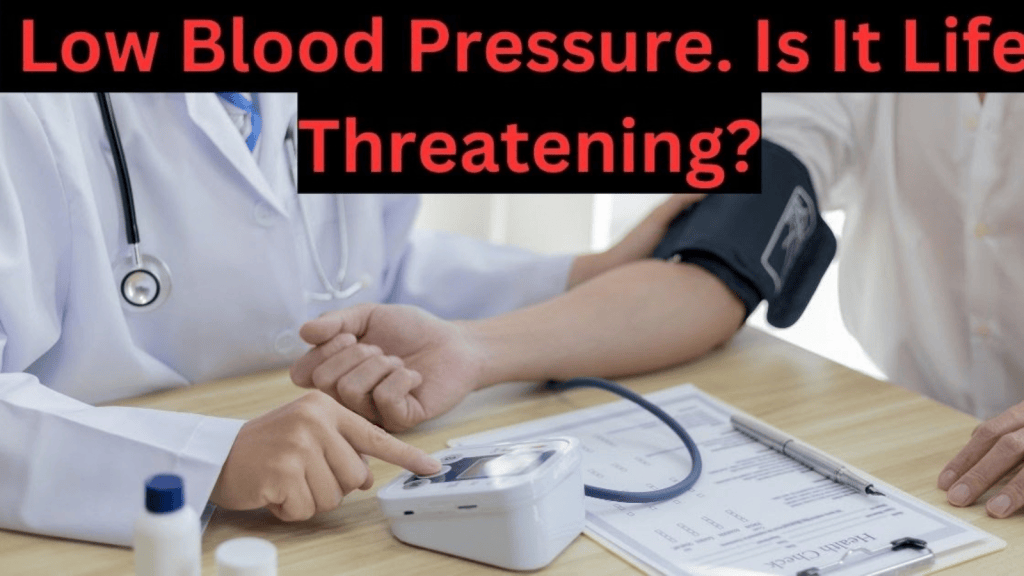
The Mayo Clinic defines orthostatic hypotension as a drop of at least 20 mm Hg in systolic pressure. It also includes a 10 mm Hg drop in diastolic pressure within two to five minutes of standing. This change may cause lightheadedness, dizziness, blurred vision, or brief graying out of vision.
How the Mayo Clinic defines orthostatic hypotension
According to the Mayo Clinic, doctors compare blood pressure while you lie down and after you stand. A major drop during this change may signal orthostatic hypotension. It can feel alarming, especially when symptoms disrupt daily life.
Why this form is the most commonly overlooked
Many healthcare providers check blood pressure only when patients are sitting. Standing may reveal crucial changes that these checks miss. People may feel dizzy or faint without linking these symptoms to low blood pressure.
Pay attention to your body’s signals. If you often feel dizzy or lightheaded after changing positions, discuss it with your doctor. They may suggest adding salt, staying hydrated, or wearing compression stockings to manage symptoms.
Understanding orthostatic hypotension can help you take charge of your health. As one expert puts it,
“Awareness is the first step towards effective management.”
When low blood pressure becomes dangerous
Low blood pressure can sometimes signal a serious, life-threatening condition. It is important to know when it stops being harmless. If you or someone nearby feels very unwell or collapses, call triple zero (000) for an ambulance immediately.
Several factors can cause dangerously low blood pressure, including dehydration, anemia, heart failure, pregnancy, and certain medications. Knowing these causes helps you recognize when medical care is needed.
Emergency situations require immediate hospital treatment, including oxygen, intravenous fluids, blood transfusions, and medicines to stabilize the patient. Severe allergic reactions, called anaphylaxis, can also cause low blood pressure. Serious infections like sepsis and major blood loss from trauma or gastrointestinal bleeding can create critical situations.
It is crucial to distinguish a low reading that is normal for you from one that indicates bodily distress. Recognizing these signs can save lives. Understanding possible causes and knowing when to seek help can protect your health and those around you.
Emergency signs that require calling 911
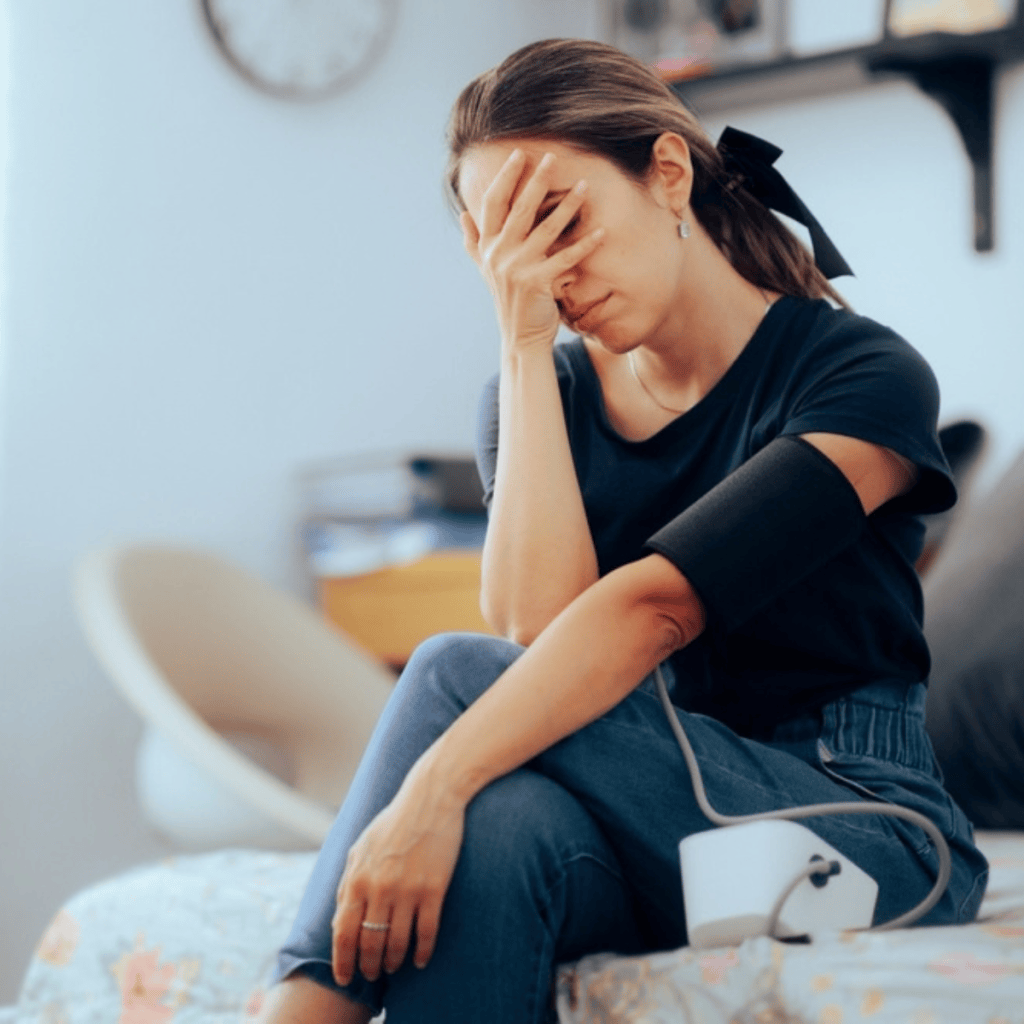
Recognizing the signs of a medical emergency matters, especially with low blood pressure. Low blood pressure crosses into medical emergency territory when the body starts showing signs of shock. Call 911 quickly when alarming symptoms appear.
Signs of shock according to the NHLBI
The National Heart, Lung, and Blood Institute (NHLBI) lists key signs of shock. These signs appear when organs lack enough blood flow, which can threaten life. The NHLBI advises calling 9-1-1 if you notice cold, clammy skin, rapid breathing, bluish skin, or a weak, rapid pulse.
- Cold and clammy skin: This can be a serious warning sign.
- Rapid breathing: Difficulty in breathing may indicate a severe issue.
- Bluish skin tone: A change in skin color can indicate low oxygen levels.
- Weak and rapid pulse: This may suggest that your heart is struggling to pump blood effectively.
- Confusion: Mental status changes are critical indicators of shock.
Additional red flags from the American Heart Association
In addition to NHLBI signs, the American Heart Association lists other symptoms that require urgent care. Call for help if you experience any of them.
- Chest pain: This could indicate a heart-related issue.
- Shortness of breath: Difficulty breathing can be alarming.
- Sudden confusion: A sudden change in mental clarity is concerning.
- Loss of consciousness: Fainting or feeling faint can be serious.
A racing heart, fever, or a recent injury also requires emergency care. Low blood pressure may signal internal bleeding, dehydration, or heart failure. Acting quickly can save a life.
Who is most at risk for low blood pressure
Low blood pressure affects many groups, but some face a higher risk. Older adults are especially at risk because blood pressure often drops with age. People taking blood pressure medication may be more vulnerable to hypotension because some medicines lower pressure further.
People who are underweight or have certain chronic conditions also face higher risk. Diabetes, heart problems, and neurological disorders can lower blood pressure. Pregnant women often experience lower blood pressure during the first and second trimesters, a normal physiological change.
Understanding the risk factors for low blood pressure is important. These factors fall into uncontrollable and controllable categories:
- Uncontrollable Risk Factors: Age, genetics or family history, and chronic conditions like Parkinson’s disease and adrenal insufficiency.
- Controllable Risk Factors: Dehydration, poor nutrition, prolonged bed rest, sudden changes in position, and certain medications, including diuretics and beta-blockers.
Assess your risk by preventing dehydration and eating a balanced diet. If you experience low blood pressure symptoms, such as dizziness or fatigue, ask your doctor about adjusting any medications you take.
“Awareness of your risk factors can empower you to take proactive steps toward better health.”

How doctors diagnose hypotension
Learning how doctors diagnose hypotension can help you understand your health. When you report low blood pressure, your doctor starts with a detailed discussion. They ask about symptoms, general health, family history, lifestyle, medicines, and allergies.
This information helps them understand your situation.
Next, your doctor takes a blood pressure reading. They may check it while you lie down and again while you stand. This can identify orthostatic hypotension, when blood pressure drops significantly after you stand.
To get a complete picture, your doctor may recommend blood tests and other checks. These may include blood tests, an electrocardiogram, an echocardiogram, or a tilt table test:
- Blood tests: These tests check for anemia, blood sugar levels, and electrolyte imbalances.
- Electrocardiogram (ECG): This test assesses your heart’s rhythm and can reveal underlying heart issues.
- Echocardiogram: This imaging test visualizes heart function and can help identify structural problems.
- Tilt table test: This test evaluates how your blood pressure responds to changes in position.
Your doctor may also ask you to check your blood pressure at home or wear a monitor for 24 hours. This record can show how your condition changes over time.
The diagnosis process for hypotension is thorough. It considers your history, current symptoms, and overall health. This approach helps find the cause of low blood pressure and create an effective treatment plan.

Treatment options for low blood pressure
Understanding treatment options for low blood pressure supports effective management. Your treatment often depends on the underlying cause. Low blood pressure may need immediate care when an emergency health issue causes it.
If you have chronic low blood pressure, your doctor may suggest several strategies. These may include lifestyle changes and medications that raise blood pressure.
Medications your doctor may prescribe or adjust
If medications cause your low blood pressure, your doctor may adjust or stop them. Fludrocortisone and midodrine are two common medications doctors may prescribe. Fludrocortisone increases blood volume, while midodrine constricts blood vessels and raises blood pressure.
Addressing underlying causes such as dehydration or heart issues
Treating the underlying cause is often the most effective treatment. If dehydration contributes, increasing your fluid intake may help. Drink plenty of water, especially early in the day, to maintain hydration.
Managing heart issues is also crucial. Anemia and heart failure can lower blood pressure, so treating these problems matters. Your doctor may recommend compression stockings to prevent blood pooling in your legs and improve circulation.
In rare cases, surgery may treat hypotension caused by a correctable structural issue. Surgery is uncommon and usually considered only after exploring other treatment options.
Lifestyle changes to manage low blood pressure
Simple lifestyle changes can help manage low blood pressure. These steps may reduce the frequency and severity of symptoms, helping you live more comfortably.
These strategies cover hydration, salt intake, diet, and exercise:
- Stay Hydrated: Drinking plenty of water increases blood volume and helps prevent dehydration. Aim for at least 8 glasses a day.
- Adjust Your Salt Intake: You may need to consume more salt than usual, around 10- 15 g per day, but do this under medical supervision.
- Focus on a Balanced Diet: Eat nutritious meals rich in protein, vitamin C, and B vitamins. Avoid starchy foods like potatoes and pasta.
- Divide Meals into Smaller Portions: Eating smaller meals throughout the day can help prevent sudden drops in blood pressure after eating.
- Engage in Light Exercise: Aim for 10-15 minutes of light activity daily, such as walking or badminton. Avoid high-intensity workouts that may cause dizziness.
Along with diet and exercise, consider these behavior changes:
- Change Positions Slowly: To avoid dizziness, always take your time when moving from lying down to standing.
- Sleep Smart: Use a low pillow and elevate your legs while sleeping to improve circulation.
- Warm Showers: Taking warm showers can enhance circulation, but avoid long baths.
- Wear Compression Stockings: If recommended by your doctor, these can help improve blood flow.
- Maintain a Positive Mindset: Strong emotions like fear or anxiety can lower blood pressure, so try to keep a calm outlook.
These lifestyle changes can help you manage low blood pressure and support your overall well-being.
When to talk to your doctor about low readings
Knowing when to see a doctor about low blood pressure can protect your health. Mild symptoms may happen sometimes, especially when standing after sitting. Still, watch for signs of a serious problem.
You should seek medical advice if:
- Your symptoms are new or have come on suddenly.
- Symptoms have changed in nature or intensity.
- You experience symptoms while lying down or sitting.
- Symptoms become more frequent or severe.
Chest pain, breathlessness, a racing heart, fever, or recent injury require emergency care. With these symptoms, call an ambulance or go to the emergency department immediately.
Regularly monitor your blood pressure, especially if you often have symptoms. Persistent low readings or frequent dizziness or fainting require attention. Talk to your healthcare provider. They can check whether your medications affect your blood pressure.
Stay hydrated and eat a balanced diet to help manage low blood pressure. Follow your provider’s plan for health conditions and blood pressure control.
“Being proactive about your health can lead to better outcomes.”
Conclusion
Understanding the 8 warning signs of low blood pressure and when it becomes dangerous is essential for your health. Low blood pressure, or hypotension, can cause serious complications if untreated. Recognizing symptoms like dizziness, fainting, and confusion helps you act quickly and seek medical help when needed.
Regular health check-ups are vital for people over 50, who face a higher risk of fluctuating blood pressure. Be proactive by monitoring your condition and noting unusual symptoms.
Prevention is key, and simple lifestyle changes can make a significant difference. Stay hydrated, avoid intense sunlight, and change positions slowly.
Engaging in light activities like walking and maintaining a balanced diet will help manage your blood pressure effectively. Knowing the warning signs empowers you to take control of your health. Stay informed, and consult your doctor about persistent low readings or concerning symptoms.


Leave a comment