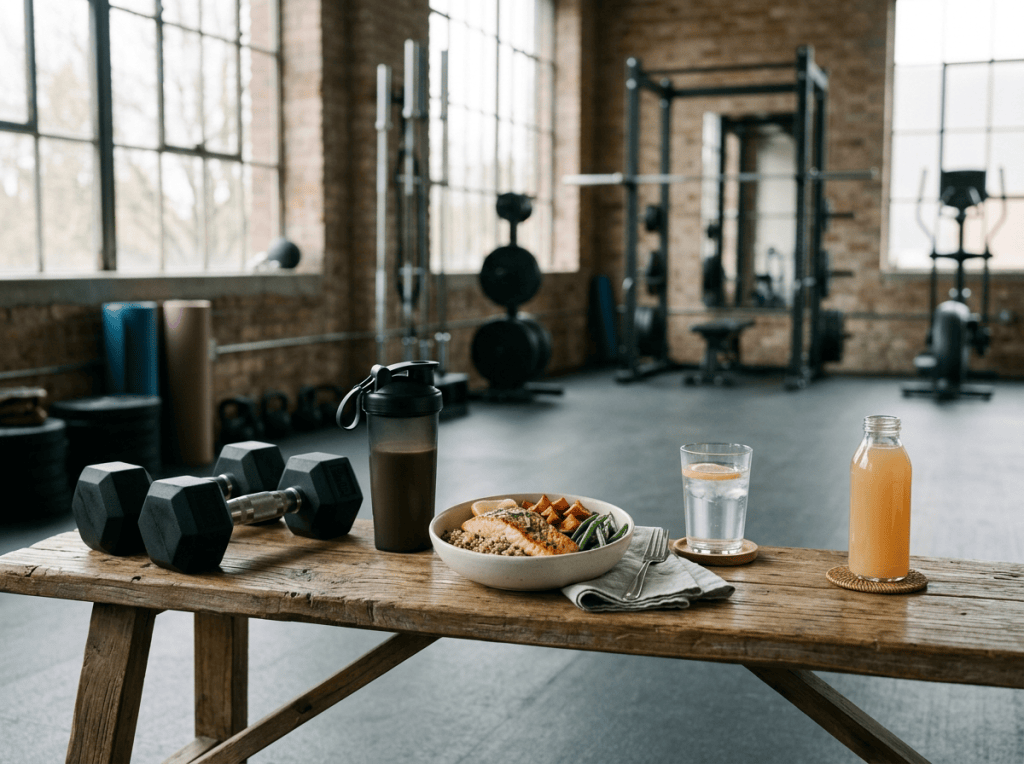


After a grueling workout, you may feel proud. You trained hard, ate your protein, and then went out and had a real night of it.
The nagging question the next morning is whether you just flushed the session down the drain. Alcohol does not automatically sabotage your progress.
Research shows heavy drinking can hinder muscle protein synthesis, but moderate use may be less harmful. A study found that consuming about 7 beers within 3 hours after exercise reduced muscle protein synthesis.
This result differed from that of exercising without alcohol, but one drink does not constitute failure.
Timing, amount, and your overall lifestyle all matter. Consider alcohol within your complete routine, rather than as an isolated event. This article explores muscle protein synthesis, hormones, and practical ways to reduce alcohol’s impact on your fitness journey.

Key Takeaways
- Moderate alcohol consumption doesn’t completely derail your fitness efforts.
- Timing and amount of alcohol are critical for muscle recovery.
- Evaluate alcohol as part of your overall lifestyle, not just a single event.
- Understand the science behind muscle protein synthesis and recovery.
- Practical strategies can help mitigate the effects of alcohol on fitness.
The Muscle Growth Equation: Anabolism Explained
Muscle growth depends on a biological balance called anabolism. Here, anabolism means your body actively builds muscle tissue. It comes down to muscle protein synthesis (building new muscle protein) versus muscle protein breakdown (degrading existing protein).
Resistance training serves as the initial trigger for this muscle-building signal. Strength training creates tiny tears that tell your body to repair and build stronger tissue. This signal works best with adequate protein intake, calorie intake, recovery, hormone levels, and quality sleep.
Alcohol consumption does not erase training benefits, but it can weaken your body’s response to anabolic signals. Moderate drinking may have less impact than binge drinking, which can greatly slow muscle recovery and growth. Repeated poor recovery from excess alcohol can hurt more than one isolated drinking event.
Muscle growth depends on a delicate balance. Understanding anabolism can help you guide your fitness journey and make informed nutrition and lifestyle choices.

Can You Still Gain Muscle While Drinking? The Science of Post-Workout Alcohol
Are you worried that post-workout alcohol may slow muscle growth? Research offers some clarity. Yes, you can still gain muscle while drinking, especially with moderate, occasional alcohol use.
Research shows that moderate alcohol intake does not completely stop muscle gain. However, heavy drinking after workouts can weaken the muscle-building response.
For example, one study found that consuming about 7 beers after exercise significantly reduced muscle protein synthesis. This result shows that the amount you drink matters.
Evidence about one or two beers and long-term muscle gain in humans remains limited. Some animal studies suggest a possible dose threshold. However, applying these findings directly to humans can be difficult.
It is important to separate short-term recovery effects from long-term changes in muscle mass.
The strongest evidence comes from studies examining larger doses consumed after exercise. In contrast, researchers know less about one or two drinks.
Moderate alcohol is not harmless because it still causes body changes. Its likely effect on muscle growth depends on the dose.
Heavy drinking and muscle gain do not work well together. Repeated heavy drinking can weaken workouts, harm recovery, and cause missed sessions. To support muscle growth, keep training, protein intake, sleep, hydration, and total calories consistent.

In summary, you can enjoy a drink after working out, but moderation matters. Heavy drinking can slow your gains. Occasional moderate alcohol use, paired with a solid fitness routine, can still support muscle growth.
How Alcohol Disrupts Muscle Protein Synthesis
Alcohol and muscle protein synthesis matter for muscle repair and growth after workouts, but alcohol may disrupt this process. Muscle protein synthesis increases after resistance training and protein intake. However, heavy alcohol intake can greatly hinder this critical recovery process.
Research shows that large doses of alcohol can cause reduced muscle protein synthesis after exercise. Your body may struggle to add amino acids to new muscle proteins during the recovery window, weakening its anabolic response. You will not lose all your muscle, and your workout was not entirely wasted.
Protein intake after drinking, at about 20 to 25 grams, may support normal muscle-building signals. However, protein cannot make binge drinking harmless or erase intoxication, dehydration, or alcohol-related sleep disruption.
When considering your drinking habits, a protein-rich meal before drinking can be a useful strategy. It provides building blocks for muscle repair. Still, it is not permission to binge.
“Moderation is key.”

The Three Ways Alcohol Attacks Anabolism
Understanding alcohol’s effects on muscle growth matters. Alcohol can hinder anabolism through three primary mechanisms. These pathways overlap and may compound their effects on your fitness goals.
1. It Suppresses the mTOR Signal Directly
The mTOR (mechanistic target of rapamycin) signal drives muscle protein synthesis. It acts as a central regulator, turning training and nutrient signals into muscle growth. One of the three ways alcohol attacks anabolism is this: 1. It suppresses the mTOR signal directly.
Research indicates that after consuming alcohol, mTOR activates less than without alcohol. This suppression can limit your body’s ability to build muscle, making gym results harder to see.
2. It Shifts Your Hormones the Wrong Way
Small amounts of alcohol may briefly boost testosterone in some men, but this spike is unlikely to help muscle building. Larger doses can lower testosterone and raise cortisol, the stress hormone. Thus, 2. it shifts your hormones the wrong way, making recovery, muscle growth, and fitness goals harder.
3. It Sabotages the Sleep That Drives Recovery
Many people think alcohol helps them fall asleep faster, but it disrupts sleep quality. Although drinking may cause sleepiness, alcohol can interrupt deep, restorative sleep. Thus, 3. it sabotages the sleep that drives recovery.
Poor sleep can reduce energy, impair training performance, and disrupt appetite regulation. This cycle can undermine recovery habits, reduce training consistency, and further hinder muscle growth.
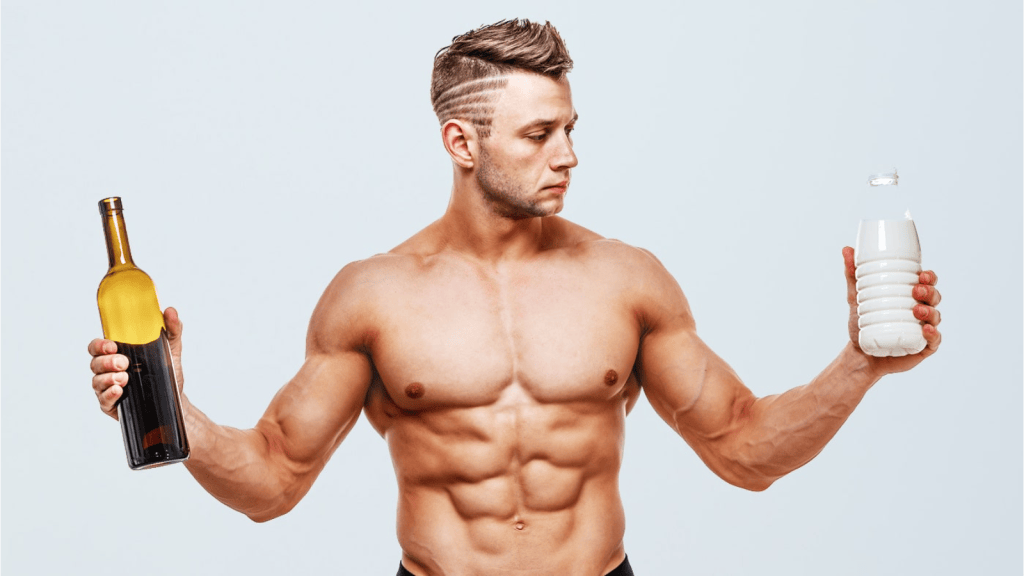
These three mechanisms work together to create a challenging environment for muscle growth. Understanding them can help you make informed choices about alcohol consumption and its potential impact on your fitness journey.
How Much Does Alcohol Actually Blunt Muscle Growth?
Alcohol and muscle growth have a more complex relationship than many people expect. When you ask, “How much does alcohol actually blunt it?” the answer is not simple. Body size, sex, training type, and alcohol dose and muscle growth affect your results.
One study linked a large post-exercise dose, about nine drinks, to a 24% reduction in muscle protein synthesis. This result shows that heavy drinking can slow recovery and growth. However, the finding applies to that situation and may not fit everyone.
Other studies found that four to eight drinks lowered men’s testosterone by 18% to 40%. Larger doses usually cause stronger reductions that last longer. These hormonal changes do not show a proportional loss in long-term muscle growth.
One poorly recovered workout does not erase all your progress. However, frequent binge drinking after training can repeatedly weaken recovery. Over time, this pattern can lead to greater setbacks in muscle growth.
Research on alcohol’s effects in women, older adults, and moderate drinkers remains limited. Therefore, no single study should become a universal rule. Alcohol affects people differently, so consider your own circumstances.

Timing Matters: When You Drink After Training
Drinking after a workout depends on more than the amount; timing is equally important. Alcohol taken right after hard training can disrupt your body’s recovery work. Your muscles must repair, restore fluids, and replace energy during this recovery window.
Alcohol timing after exercise matters because the recovery window and alcohol may overlap, hindering progress.
Studies suggest that delaying a drink may reduce its effect on recovery. Still, no universally “safe window” ensures that a large dose causes no harm. Focus on key recovery tasks first: eat a protein-rich meal, stay hydrated, and get enough carbohydrates as needed.
Plan your drinking schedule carefully to support recovery. For example, schedule social events after a lighter training day or rest day. This gives your body more time to recover before alcohol adds stress.
Timing cannot fully offset frequent heavy drinking. Your total alcohol intake, sleep quality, and actions the next day all affect recovery. Protect your health and performance by choosing when to drink.

How to Drink Responsibly Without Hindering Your Progress
Learning how to drink responsibly without hindering your progress helps you enjoy alcohol while pursuing fitness goals. You can still support muscle growth by following a few simple guidelines.
1. Do Not Binge on Hard Training Days
Do not binge on hard training days; heavy drinking after intense workouts can harm recovery and performance. If another major workout is planned tomorrow, skip drinks or limit your intake.
2. Keep the Dose Down
The amount you drink is the factor you can control most. To keep the dose down, choose moderation instead of using exercise to excuse many drinks. Because tolerance varies, know your limits and choose a lower dose to reduce the risk of harmful effects.
3. Still Hit Your Protein
Before drinking, eat a protein-rich meal to support muscle recovery. Still hit your protein target by tracking your daily intake, even when you drink. Protein may reduce some effects of alcohol, but it cannot cancel them completely.
4. Protect Sleep and Hydration
Protect sleep and hydration by drinking water before, during, and after drinking alcohol. Eat a balanced meal, and watch how alcohol affects sleep and next-day performance. Quality sleep supports recovery, so monitor your habits and adjust when needed.
Consistency matters more than perfection. If alcohol concerns you or affects your health, consider speaking with a healthcare professional for personalized advice.

Practical Scenarios: Drinking After Real Workouts
After a workout, your drinking choices can shape recovery. Post-workout beer and muscle gain depend on your recovery habits. These scenarios show how alcohol may affect your results.
Consider drinking after strength training. You finish a normal strength workout, eat a protein-rich meal, and have one or two drinks at dinner. This moderate intake probably will not erase your workout benefits.
Monitor your recovery, drink water, and get enough sleep to minimize potential harm.
Next, consider a harder full-body session followed by several drinks late at night. A larger dose of alcohol may cause poor sleep and dehydration, reducing recovery quality. Without enough water and sleep, progress may slow before your next workout.
In a third scenario, repeated weekend binge drinking after training can have cumulative effects. Even when each night seems harmless, this pattern may reduce training quality and lead to missed sessions. Poor nutrition may also slow your overall progress.
If an important competition or key training block is near, consider avoiding alcohol altogether. This performance-focused choice can help you stay at your best when it matters most.
To understand how drinking affects workouts, track recovery after a night of drinking. Track sleep, energy, soreness, and workout performance. Assumptions alone can lead to poor choices, so use these signs to guide your post-workout drink choices.
Conclusion
You can still achieve muscle growth while drinking, but moderation is key. Heavy alcohol consumption can hinder muscle protein synthesis and disrupt recovery. It affects the mTOR signaling pathway, hormone levels, and sleep quality, making training less effective.
To improve results, use these alcohol recovery tips. Limit alcohol, especially after intense workouts. Eat enough protein, stay hydrated, and protect quality sleep for recovery.
An occasional drink is unlikely to derail your progress. Binge drinking can undermine the conditions needed for muscle adaptation. Prioritize progressive resistance training, adequate daily protein, and consistent recovery practices.
Keep moderation and muscle building in mind when managing your drinking habits. Assess how alcohol affects your recovery and consistency. Then you can enjoy your social life without sacrificing your fitness journey.



Leave a Reply