

Three in four Americans aged 50 and older would like to remain in their homes, according to the AARP. They hope to stay there as they age, showing the value of independence. Preserving that independence starts with daily habits.
Dr. Vonda Wright, a renowned orthopedic surgeon and active-aging expert, says daily routines affect mobility, strength, and well-being. These habits can help keep you out of a nursing home and support independent living for as long as possible.
This article offers practical steps to improve your quality of life. The goal is not to resist needed support but to build strength, improve nutrition, increase safety, and maintain social connections. Addressing challenges such as difficulty standing, memory issues, and incontinence is essential.
Consistent daily actions can reduce these risks and support a healthier, more independent lifestyle.

Key Takeaways
- Daily routines can significantly impact your ability to live independently.
- Maintaining strength and mobility is crucial as you age.
- Social connections and nutrition play a vital role in well-being.
- Addressing common challenges can help you stay in your home longer.
- Practical actions can be discussed with healthcare professionals.
Why Everyday Habits Matter for Aging in Place
Daily choices help preserve your ability to live at home as you age. Simple, manageable routines can help you stay independent. These routines may include regular walks, balanced meals, and practicing tasks like rising from a chair.
Each small action supports your overall well-being.
Dr. Vonda Wright identifies three main problems. Three main problems can make it difficult for older adults to age in place. They include difficulty getting up and caring for yourself, memory problems, and incontinence.
Understanding these challenges helps you plan how to manage them.
Connect daily routines with independence.
Independence often grows through repeated, manageable actions, not through a single dramatic change. For example, regular walks or light exercise can improve your mobility. Scheduled meals and medication reminders can help you manage your health.
Reminders for medical appointments or daily tasks can also make a big difference. As these habits become part of your life, you may feel more empowered. Support from family or community services can help you remain at home.
Understand the desire to remain at home.
Many older adults strongly want to remain at home as they age. This desire often comes from the comfort and familiarity of their surroundings. Aging in place looks different for each person, with support from family, meal delivery services, or adaptive equipment.
Accepting support early can help prevent crises, falls, and hospitalizations. It can also reduce caregiver stress and support a better quality of life. With these everyday habits, your independence remains within reach.

Three Challenges That Can Make Living at Home Harder
As you age, specific challenges may make independent living more difficult. Recognizing these challenges helps protect your quality of life. Three common obstacles are difficulty standing, memory problems, and incontinence.
Difficulty standing, moving, or caring for yourself
Many people experience difficulty getting up from a chair or moving around as they age. This can affect daily tasks, including transfers, stairs, and shopping. Difficulty getting up from a chair can make it harder for them to care for themselves.
These struggles may make emergencies or social events harder to manage. Addressing these difficulties is essential, and they are not inevitable parts of aging. Seek help or guidance to improve mobility and independence.
Small changes can greatly improve your ability to care for yourself.
Memory problems that disrupt daily routines
Memory changes can create challenges in daily life. These memory problems might affect medications, appointments, or meal times. Disrupted routines can create safety concerns at home.
Do not ignore these changes; treat them as signals to seek professional assessment. Simple strategies, such as reminders and steady routines, can help manage memory-related issues.
Incontinence and personal hygiene
Incontinence that makes it hard to manage personal hygiene is another challenge. It can cause a sense of urgency, which may lead to falls or skin irritation. Embarrassment about incontinence can also cause withdrawal from social activities.
It is vital to address these concerns openly. Discussing incontinence with a clinician can provide strategies that protect your comfort and dignity. Proactive steps can help maintain independence and improve overall well-being.

Upcoming sections will discuss building strength, improving mobility, and creating supportive systems. These steps address these challenges. You do not have to face these issues alone; help is available.
Build Strength to Handle Everyday Tasks
Building strength is crucial for maintaining independence as you age. Strength training boosts physical ability and supports your overall well-being. It helps you perform daily activities with greater ease and confidence.
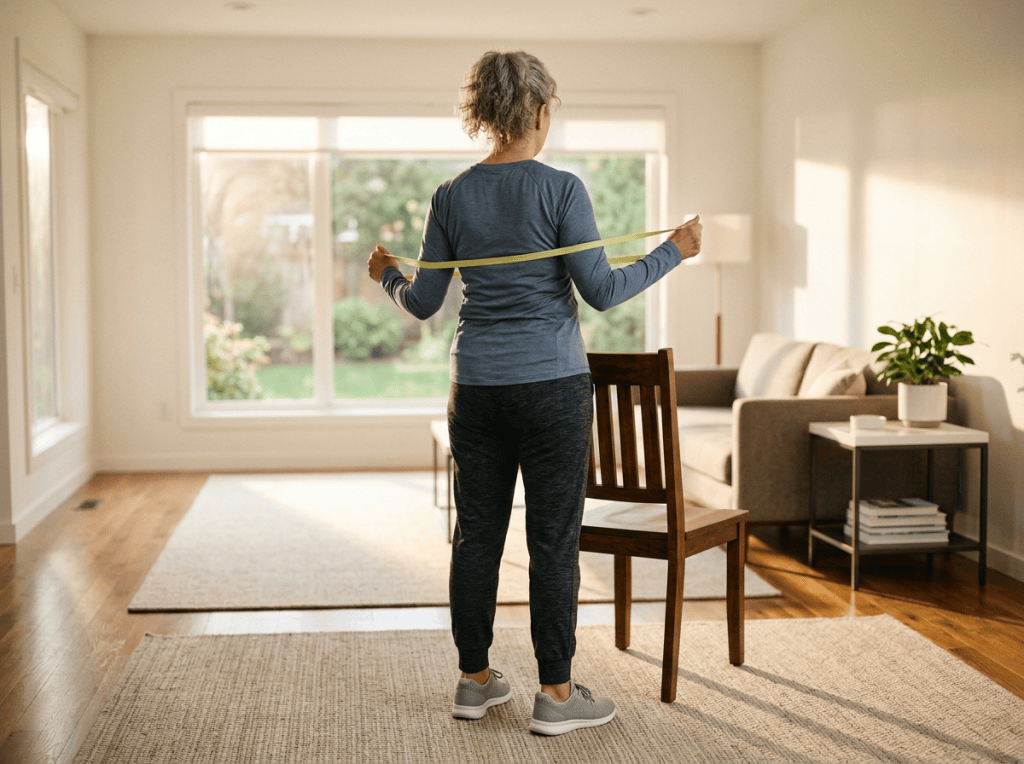
Make strength training a regular habit. The National Institute on Aging recommends muscle-strengthening activities at least two days a week, focusing on major muscle groups. Allow adequate recovery time to improve your ability to stand from a chair, climb stairs, and carry groceries.
Choose exercises that fit your abilities, such as resistance bands, light hand weights, or supported body-weight movements. Seated movements can help beginners and people with mobility concerns. Dr. Wright emphasizes that the missing piece in most conversations between mental health, physical health, and independence is your skeletal longevity.
Staying independent with age requires attention to the entire musculoskeletal system, including the muscles, bones, and tendons. Start gradually; research shows that even very old nursing home residents can experience meaningful functional improvements through strength training. With pain, injuries, balance concerns, or chronic conditions, consult a physician or physical therapist; they can tailor a safe, effective plan.

Keep Moving to Preserve Mobility
The human body craves mobility; when you think about it, it’s our first skill.
We learn to walk when we’re 1, as toddlers. For older adults, staying active can help preserve the ability to handle everyday tasks independently. Regular movement supports physical health and improves overall well-being.
To add movement to your daily routine, consider these practical tips:
- Take short walks around your home or neighborhood.
- Engage in low-impact activities like cycling or water exercises.
- Incorporate gentle mobility breaks throughout your day.
- Participate in household activities that require movement.
- Change positions regularly to keep your body engaged.
Dr. Wright emphasizes that staying active matters, but you should listen to your body. If you feel ordinary joint discomfort, avoid prolonged rest. Choose low-impact exercises, especially if you have arthritis, and seek medical advice for severe pain or new injuries.
Work on Balance and Flexibility
Balance and flexibility are key parts of mobility. You can improve these skills through simple exercises. Try supported heel-to-toe walking, controlled sit-to-stand movements, and gentle stretching.
Think About Your Whole Musculoskeletal System
Mobility connects to your entire musculoskeletal system. Each part supports your overall ability to move. Regular exercise helps preserve walking ability, joint function, and endurance, building confidence during daily activities.

In summary, staying active is essential for older adults. Daily movement, balance, flexibility, and musculoskeletal health can enhance mobility. They can also help you maintain independence for years.
Eat Enough to Support Energy and Muscle
To stay active and independent, choose foods that support your energy and muscles. As you age, your body may need different nutrition. Good nutrition fuels daily activity and helps maintain muscle for everyday tasks.
Include protein in your meals.
Protein helps maintain muscle mass and strength as you age. Strength training can help older adults maintain the ability to get out of a chair, climb stairs, and carry groceries. These everyday tasks support independent living.
- Eggs
- Yogurt and milk
- Fish and poultry
- Tofu and fortified soy products
- Beans and lentils
Get enough calories to fuel daily activity
Your calorie needs may change as you age, so eat enough to support your energy and activity levels. A low appetite or fatigue can make eating well harder. If meeting your needs feels hard, consider:
- Eating smaller, more frequent meals
- Choosing calorie-dense foods
- Seeking help with grocery shopping
Make meals manageable and consistent
Meal preparation can feel overwhelming, especially if you live alone or have mobility challenges. To make meal times easier:
- Prepare ingredients in advance
- Establish regular meal times
- Consider grocery delivery services
If you experience unintentional weight loss or changes in appetite, consult a clinician or registered dietitian. Remember, there is never an age or skill level when it’s too late to build muscle.

Practice the Tasks You Want to Keep Doing
Practice the tasks you want to keep doing to support your daily life. Functional movements help you stay independent and confident. Focus on real-life activities rather than abstract fitness goals to make daily tasks easier.
Start by practicing getting up from a chair. This skill supports mobility and independence. A qualified professional can teach safe and effective sit-to-stand transfer techniques.
Build confidence by practicing stairs and carrying items. Use stable supports, such as railings, when climbing stairs. It’s even possible to build muscle sitting in a wheelchair; some options include resistance bands, hand weights and body-weight exercises.
Self-care routines can feel overwhelming. Break them into small, manageable steps to track progress, build confidence, and strengthen independence. For example, practice reaching for items, dressing, or preparing meals in manageable portions.
Keep the area clear and wear suitable footwear during practice. Avoid unsupervised exercises that could cause a fall. With regular practice, maintaining your independence becomes more achievable.
Make Your Home Safer for Daily Movement
A well-designed home helps you move freely and with confidence while reducing hazards. Home safety helps older adults maintain independence as they age. Removing common risks can greatly lower the chance of accidents and injuries.
Reduce common trip and fall hazards.
Many hazards can make your home unsafe, including loose rugs, cluttered walkways, and poor lighting. Use these steps to create a safer environment:
- Secure loose rugs with non-slip backing.
- Keep walkways clear of clutter.
- Ensure all areas are well-lit, especially staircases and hallways.
Add support where you need it.
Grab bars, handrails, and shower seating can provide needed support. Consider adding:
- Grab bars in the bathroom near the toilet and shower.
- Handrails along staircases.
- Raised toilet seats for easier access.
Review the home as your needs change.
Check your home regularly to ensure it meets your changing needs. After a fall, illness, or surgery, review your living space. A poorly arranged kitchen can make regular meals harder to prepare, impacting your nutrition.
If standing while cooking is difficult, consider adjusting your kitchen layout. Older adults tend to eat less, which can undermine efforts to maintain energy and build muscle. We cannot fuel the muscle we want to build and the energy we need without a protein-forward, adequate-calorie diet.
These steps can improve home safety and help you maintain strength and mobility. A safe environment protects you from falls and supports overall well-being.
Support Memory With Simple, Repeatable Systems
Simple systems can support memory for older adults. Consistent routines make daily tasks easier and more manageable. They can help you stay independent and direct your own life.
Use reminders and consistent routines.
Reminders can make daily tasks easier. Use calendars, alarms, and written schedules for important tasks. Keep keys and medications in the same places to prevent confusion.
Make medication and appointment plans easier to follow
Use pill organizers and automatic refill systems for medications. These tools simplify your healthcare routine and help ensure you never miss a dose. Share appointment lists with trusted family members or caregivers to stay organized.
Notice changes and ask for help early.
Watch for changes in memory or daily routines. If you notice confusion, missed medications, or trouble managing finances, contact a healthcare professional. Early help can make a significant difference.
Support systems urged older adults to challenge assumptions about what they can and can’t do as they age. Proactive steps can help you stay independent and improve your quality of life.
Manage Incontinence and Personal Hygiene Proactively
Incontinence challenges many older adults, but it does not have to control daily life. Proactive steps can help you manage it and protect personal hygiene. Talk openly with healthcare providers about bladder or bowel changes to find causes and treatment options.
Talk with a clinician about changes.
Discuss new, worsening, or painful symptoms with your clinician. Incontinence may result from medications, infections, or mobility limits. An honest conversation can lead to solutions that protect your dignity and comfort.
Make bathroom routines easier and safer.
A safe, accessible bathroom can make daily routines easier.
- Keep the pathway to the bathroom clear to avoid falls.
- Improve lighting to enhance visibility.
- Install grab bars for additional support.
- Use raised seating when appropriate for easier access.
- Plan bathroom access based on your daily routine.
- Wear easy-to-remove clothing for quick changes.
- Keep hygiene supplies within reach to minimize hassle.
Protect comfort, dignity, and skin health.
Good skin care matters when managing incontinence; change absorbent products often and use skin cleansers to prevent irritation. Stay hydrated for health and comfort, and remember that your dignity matters. Options such as medical treatments and occupational therapy can support your needs.
By managing incontinence proactively, you can improve your quality of life. Staying active can help preserve the ability to handle everyday tasks independently. This can help you enjoy daily routines with confidence.
Build a Support System Around Your Independence
A strong support system can help you stay independent as you age. Many seniors mistakenly believe aging means losing their vitality. A reliable network helps you manage daily tasks while keeping your autonomy.
Schedule regular health and mobility check-ins. These visits may include your primary care provider, medication reviews, and strength and balance checks. Regular vision and hearing checks can also keep you connected to your surroundings.
Ask for help before a small problem becomes a crisis. Open talks about your needs can prevent stress. Dr. Wright suggests discussing transportation, meals, shopping, and personal care arrangements with family or friends.
Planning ahead helps you get the assistance you need without giving up your independence. Dr. Wright arranged meal delivery for her parents. This targeted assistance can be a game-changer because it preserves autonomy instead of replacing it.
Challenge assumptions about your abilities. The most common mistake seniors make as they age is assuming aging is an inevitable decline from vitality to frailty. With the right training, treatment, equipment, and support, you can still enjoy meaningful activities.
Conclusion
Daily habits can help you remain independent as you age. Habits keep you out of a nursing home by supporting movement, strength, nutrition, and safety.
Staying active protects mobility, while strength training supports daily tasks. Eating enough protein and calories gives your body the fuel it needs for daily tasks.
Practicing essential daily tasks builds confidence and skill. A safe home lowers your risk of falls.
Routines and reminders can support memory during daily challenges. Addressing incontinence and personal hygiene early protects your dignity and comfort.
These habits cannot guarantee that you will avoid nursing home care. They should support medical advice and treatment when needed. Your goal is to preserve function, confidence, safety, and choice as long as possible.
Choose one manageable habit today. Discuss your goals with a healthcare professional or trusted family member. A support system can help you live independently and improve your quality of life.



Leave a Reply