

Have you wondered why eating enough protein does not guarantee that your body uses it effectively? This common belief can mislead us. Protein helps build and repair cells, but its journey from food to use is complex.
Understanding the difference between consuming protein and digestion and absorption is essential. Your body breaks down protein into amino acids and small peptides before using them for muscle recovery, enzyme function, and other processes. Food structure, digestibility, age, and activity level can affect how well your body uses these nutrients.
This article explores protein digestion and protein absorption. It explains why meeting your daily protein target alone may not support muscle recovery. It also examines the science of muscle recovery and ways to help your body use these building blocks.

Key Takeaways
- Protein is essential for cell repair and growth, but its usage is complex.
- Digestion and absorption are critical steps in utilizing protein effectively.
- Factors like food structure and physical activity affect protein utilization.
- Simply meeting protein targets doesn’t guarantee muscle recovery or health benefits.
- Understanding protein nutrition can lead to better dietary choices.
Why Your Protein Intake Is Only Part of the Story
When it comes to nutrition, protein has become one of the most discussed nutrients in fitness, and for good reason. It supports muscle growth, tissue repair, immune function, and countless physiological processes.
Protein does more than build muscle. It helps produce enzymes and hormones, supports immune defenses, and forms connective tissue.
It also supports healthy skin, hair, and nails. These roles show protein supports overall well-being, not only athletes or bodybuilders.
Eating, digesting, absorbing, and using protein are separate processes. First, you eat protein-rich foods. Then, your digestive system breaks them into amino acids and peptides.
These building blocks cross your intestinal barrier into your bloodstream, and your body uses them as needed.

A nutrition label’s protein amount does not show how well your body digests a meal. It also does not show whether the meal provides amino acids in useful proportions.
Body size, age, activity level, health status, and total calorie intake can affect your protein needs. A daily protein target helps, but it is a guide, not proof that all your nutritional needs are met.
Understanding protein intake is only the beginning. To appreciate its benefits, consider how your body processes and uses protein. This broader view can help you make informed dietary choices.
What Protein Absorption Means—and What It Does Not
Understanding protein absorption helps explain how your body uses dietary protein. Many people focus on protein intake, but absorption and utilization are different processes. Digestion breaks protein into smaller parts, while absorption moves amino acids into your bloodstream.
How digestion breaks dietary protein into smaller parts
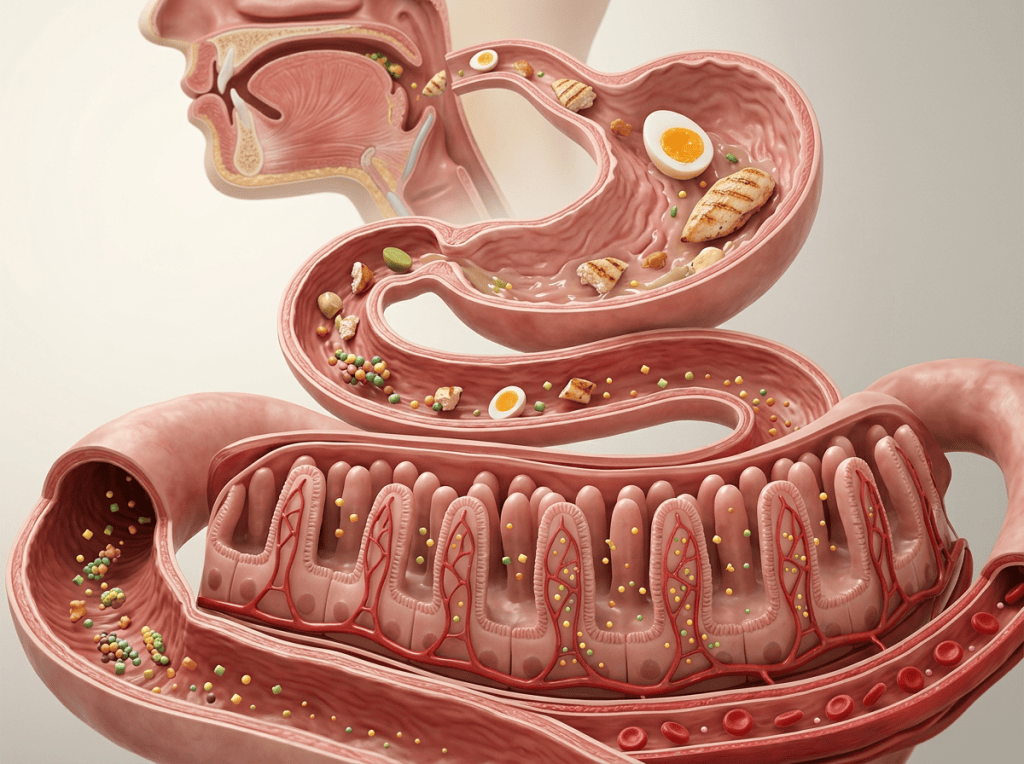
When you eat protein-rich foods, digestion starts in your stomach. Enzymes and stomach acid break long amino acid chains into smaller peptides. Digestion continues in the small intestine until peptides are broken down into individual amino acids, the building blocks of proteins.
How amino acids move from your gut into your bloodstream
After digestion, absorption begins. Transporters move amino acids and small peptides through the intestinal lining into your bloodstream. These nutrients then travel through your body to the places that need them.
Why absorbed amino acids can serve many purposes in your body
After absorption, amino acids do more than support muscle tissue. They enter a shared amino acid pool used for many body functions, including:
- Muscle protein synthesis
- Tissue repair
- Production of enzymes
- Support for immune function
- Neurotransmitter synthesis
- Energy production when necessary
Good absorption does not mean that every amino acid builds muscle or is stored for later use. Your body has no dedicated protein storage system, unlike fat stores. So, amino acids are constantly used, changed, or broken down as needed.
Understanding the difference between protein digestion and utilization shows why protein quality, food choices, and overall nutrition matter. These factors matter as much as hitting a daily target. A balanced approach to protein intake, digestion, and absorption helps you gain the benefits of protein.

What Happens to Protein After You Eat It?
After you eat protein, your body breaks it down and uses it in a complex process. Chewing mixes food with saliva, but the main breakdown begins when food reaches your stomach.
Protein digestion primarily begins in your stomach
In your stomach, gastric acid denatures proteins, making them easier to break down. Acid also activates pepsin, an enzyme that cuts protein into smaller chains called peptides. This step prepares protein for further digestion.
How enzymes in your small intestine continue digestion
Partly digested food then enters your small intestine, where it meets enzymes from the pancreas. Enzymes from the intestinal lining also continue digestion. Together, they cut peptides into smaller units, eventually producing individual amino acids.
How amino acids and small peptides are absorbed and transported
Transporters in the intestinal lining move amino acids and small peptides into your bloodstream. The liver and other tissues then control how your body distributes and uses them. Digestion speed and extent vary with food matrix, cooking methods, meal size, and digestive health.
Understanding what happens to protein after you eat it shows how digestion and absorption work together. Protein does not instantly become muscle tissue; your body manages this complex process through many steps.

Why Protein Digestion Can Differ From One Meal to Another
Unlike carbohydrates, which can begin undergoing enzymatic digestion in the mouth, protein digestion primarily begins in the stomach. Different meals affect protein digestion rates and how your body uses protein. Food structure, preparation, and meal composition influence this process and your choices.
How food structure and preparation affect digestibility
A food’s physical structure affects how easily digestive enzymes reach its proteins. Cooking often softens food and changes protein structure, making digestion easier. Greek yogurt and cooked eggs show how preparation can improve protein digestibility.
How meal composition and fiber can influence digestion
Meal composition matters because fat and fiber can slow stomach emptying and protein digestion. Beans or lentils may digest more slowly than lean poultry or fish, but their protein still works. They may release amino acids over a longer period, which can support satiety.
Why digestion speed does not determine whether protein is useful
Faster digestion is not always better. A slower-digesting meal can still help by releasing amino acids steadily. Consider overall nutrition and eating patterns, not speed alone, to meet your dietary needs.

How Protein Quality Shapes Amino Acid Availability
Not all protein sources are created equal. Protein quality depends on more than the total grams listed on a nutrition label. It depends on amino acid profiles and digestibility, which help your body get the needed nutrients.
Why essential amino acids matter for your body
Essential amino acids are protein-building blocks your body cannot make. You must get them from food, and they support muscle protein synthesis, tissue repair, and overall health. Leucine and other branched-chain amino acids especially help stimulate muscle growth.
How animal proteins typically provide all nine essential amino acids
Animal proteins, such as beef, poultry, eggs, and dairy, are often complete proteins. They provide all nine essential amino acids in favorable proportions. They are also highly digestible, helping your body absorb and use these nutrients.
How plant proteins contribute—and where individual sources may differ
Plant proteins also provide essential amino acids, but their profiles can vary. Soy, quinoa, buckwheat, and hemp contain all nine, but beans, lentils, and nuts may lack some. Combining these sources throughout the day can still meet your protein needs.

Protein quality strongly affects your health and fitness. Eat a balanced diet with a variety of protein sources to get the amino acids you need. This plan supports optimal muscle growth and recovery while supporting your body’s overall functions.
How to Build a Varied Diet Around Different Protein Sources
Different protein sources can benefit your health and add nutrients and flavors. Include both animal and plant proteins in your meals.
Animal proteins, including eggs, dairy, meat, and fish, provide all nine essential amino acids in good proportions and are well digested. Plant proteins significantly support daily protein needs, though some sources have fewer essential amino acids or lower digestibility.
One effective strategy is to pair plant foods across the day to broaden your amino acid intake. You do not need to combine complementary plant proteins in a single meal. Your body maintains an amino acid pool throughout the day, so a varied diet can improve your overall amino acid profile. For instance, consider combinations like:
- Beans with whole grains
- Lentils with vegetables
- Tofu with brown rice
- Greek yogurt with fruit and seeds
- Eggs with whole-grain toast
- Fish with potatoes and vegetables
When selecting protein foods, it’s crucial to choose options that fit your preferences and nutrition needs. Allergies, lactose tolerance, ethical concerns, and budget can influence your choices. If you enjoy dairy, choose Greek yogurt or cheese; plant-based options include quinoa, edamame, and legumes.
Lastly, always consider the whole food, not just the grams on the label. Nutritional value extends beyond protein; fiber, vitamins, minerals, and healthy fats support overall health. Focus on food quality to create a balanced diet that supports protein needs and overall wellness.

Why Absorbing Protein Is Not the Same as Building Muscle
Absorbing protein is essential, but it does not guarantee muscle growth. Your body absorbs amino acids, but absorption alone cannot build muscle. Those amino acids support tissue repair, immune function, and enzyme production.
When you eat protein, your body breaks it into amino acids. These amino acids support key tasks, such as repairing tissue, supporting immunity, and making neurotransmitters. Amino acid absorption is necessary for muscle protein synthesis, but it does not automatically lead to muscle growth.

Resistance training signals your body to build muscle. This exercise gives muscle tissue a mechanical stimulus to adapt, repair, and remodel. It triggers stronger muscles, while protein supplies the raw materials.
To maximize muscle growth, combine enough protein with effective resistance training. Recovery also matters: get enough sleep, stay hydrated, and consume enough energy. Together, these factors help your body use the protein you consume.
Age, inactivity, illness, and calorie restriction can limit muscle growth. Older adults and people on weight loss diets may lose more muscle. Protein and training work together: protein provides building blocks, while resistance exercise signals muscle preservation or growth.
How Energy Intake and Your Overall Diet Affect Protein Use
These points show why your overall diet matters, not just how much protein you eat. Your energy intake affects how well your body uses protein. Consuming plenty of protein while consistently eating too few calories can make muscle recovery and growth more difficult.
Eating too few calories can slow your body’s recovery and growth. Your body gives basic energy needs priority over muscle repair. So, even enough protein may not be used well.
Why consistently eating too few calories can hinder recovery and growth
Long-term calorie restriction can cause muscle loss and slower recovery. Here are some reasons why:
- Energy Prioritization: Your body will focus on essential functions, leaving less energy for muscle repair.
- Hormonal Imbalance: Low calorie intake can disrupt hormones that regulate muscle growth and recovery.
- Increased Fatigue: Insufficient energy can lead to fatigue, affecting your ability to train effectively.
How carbohydrates and fats support training and daily energy needs
Carbohydrates and fats are important nutrients that support energy levels and overall health.
- Carbohydrates: They are the primary fuel source for exercise, helping you perform at your best.
- Fats: Essential for hormone production and the absorption of fat-soluble vitamins, fats also provide long-lasting energy.
- Balance is Key: A well-rounded diet that includes all three macronutrients will enhance your training and recovery.
Why overall dietary patterns matter more than a single meal
Focus on your overall eating pattern rather than worrying about a single meal. Regular choices matter more for your health and progress.
- Nutrient Diversity: A varied diet ensures you get essential vitamins, minerals, and antioxidants.
- Long-term Success: Consistent healthy eating habits will yield better results than sporadic healthy meals.
- Whole Foods Matter: Prioritize whole foods like fruits, vegetables, whole grains, and legumes over processed protein sources.
Your body uses protein as part of your total nourishment. Meet your energy needs along with protein to support muscle recovery and growth.
How Meal Timing and Protein Distribution Fit Into the Bigger Picture
Meeting your daily protein requirements is a great starting point, but protein nutrition involves more than reaching a number. Meal timing and protein distribution can also affect your body’s performance. They create several chances for muscle protein synthesis, especially for older adults and people with higher protein needs.
Plan meals around protein sources that fit your routine. Choose Greek yogurt or eggs at breakfast, then poultry, tofu, fish, beans, or lentils at lunch. Add another protein source at dinner to keep a steady pattern, while adjusting meals to fit your lifestyle.
A post-workout meal can support recovery, but you do not need a protein shake right after exercise. If you eat normally around training, your body has the resources it needs. Focus on daily intake, meal quality, and consistency instead of an exact “anabolic window.”
Fit meal timing to your work schedule, appetite, training times, and cultural eating patterns. This helps you prioritize meeting your daily protein requirements while supporting your health and fitness goals.
When Digestive Symptoms May Affect Your Protein-Rich Meals
Digestive symptoms can affect how your body handles protein-rich meals. Persistent bloating or discomfort may signal problems with food tolerance or protein digestion.
Consider these factors that may influence your digestive health:
- Food Tolerance: Some individuals may have intolerances to certain foods, such as lactose or specific legumes, which can lead to digestive discomfort.
- Meal Size: Large meals can overwhelm your digestive system, making it harder for your body to process protein efficiently.
- Preparation Methods: High-fat cooking methods or undercooked foods can exacerbate digestive issues.
Watch how your body reacts to different foods and portion sizes. If a large protein shake causes discomfort, reduce the portion or choose another protein source.
Practical adjustments can improve food tolerance:
- Gradually increase your intake of beans and lentils to allow your digestive system to adapt.
- Thoroughly cook legumes and grains to improve digestibility.
- Choose lactose-free dairy products if you’re lactose-sensitive.
- Opt for less processed protein foods that may be easier on your gut.
Consult a health professional if symptoms persist, worsen, or become severe. Do not ignore blood in the stool, repeated vomiting, unintentional weight loss, or swelling. A clinician or registered dietitian can assess your digestive symptoms and nutritional status.
Practical Ways to Help Your Body Make Use of Dietary Protein
Use these practical ways to make the most of dietary protein. They help your body use the protein you eat.
Choose varied, nutrient-dense protein sources you can eat consistently
Choose varied, nutrient-dense protein sources you enjoy and can add to meals often. Consider these options:
- Eggs
- Greek yogurt
- Cottage cheese
- Fish and poultry
- Tofu and tempeh
- Beans and lentils
- Quinoa and nuts
Rotating these foods keeps meals interesting and adds many needed nutrients. Include protein with each meal and snack to support a balanced diet.
Pair adequate protein with enough calories and regular activity
Pair protein with adequate calories and regular activity. Your total energy intake should support training and recovery. Eat enough carbohydrates and healthy fats, and try regular activity, such as resistance training, to help your body use protein more effectively.
Assess your overall eating pattern instead of chasing one perfect number
Rather than chasing a single protein target, review your overall eating pattern. Eat a variety of foods, including fruits, vegetables, and whole grains, while maintaining adequate hydration. This broad approach supports protein use and overall health.
Conclusion
Understanding protein absorption and protein utilization matters for health and fitness. Eating protein alone does not ensure effective use. Digestion, muscle recovery, protein quality, and essential amino acids all affect this process.
Support muscle recovery and overall health with a varied diet containing different protein sources. This gives your body many amino acids for muscle growth and other important functions. Protein quality matters because proteins are not equal, and it affects how well your body uses them.
Also consider your total energy intake and physical activity. Enough calories and regular exercise help improve protein utilization. You do not need extreme protein targets or perfect meal timing; stay consistent and add fiber-rich foods to aid digestion.
Meeting a reasonable protein target creates a strong nutrition foundation. Still, true health and recovery depend on your complete diet and lifestyle. This approach helps your body use the protein you eat.




Leave a Reply