

Did you know that over 70% of gym-goers abandon their memberships within the first year? This statistic shows a common struggle: traditional gyms can feel overwhelming and expensive.
However, you can achieve remarkable results without paying a high price or going to a crowded gym. These barbell basics support unstoppable strength gains at home. With simple weights, you can build muscle, increase power, and boost confidence.
Barbell training offers a straightforward way to develop strength and mass. You do not need many machines or lots of equipment. Instead, master key movement patterns and choose the right loads for your workouts.
Consistency is your ally because regular practice leads to significant improvements.
This article covers essential skills, including safe setup and proper warm-ups. You will also practice the squat, deadlift, bench press, and overhead press.
You will learn to organize these exercises into a sustainable routine for measurable progress. Remember, unstoppable progress comes from controlled improvements, not reckless training.
Key Takeaways
- Barbell training is an effective and affordable way to build strength at home.
- Mastering movement patterns is crucial for safe and effective workouts.
- Consistency in training leads to measurable improvements over time.
- Focus on key lifts to develop muscle mass and power.
- Establish a routine that prioritizes safety and controlled progress.
Barbell basics for unstoppable strength gains: build your foundation
Build a strong foundation in barbell training to reach your strength goals. Whether you want maximum strength, muscle growth, or better athletic performance, start with a clear plan. This section covers effective goals and safe, effective lifting.
Set a clear strength goal and choose a starting point
To begin, define your immediate strength goal. Ask whether you want to focus on:
- Maximum strength
- Muscle growth
- Improved athletic performance
- A combination of these outcomes
Choose a starting point that matches your goal. Instead of trying a one-rep maximum, begin with light loads. This builds technical skill through repeatable form and a manageable training frequency.
Learn the basic principles of safe, effective lifting
To progress safely, focus on form first and master key lifting principles. These include:
- Brace your trunk: This helps stabilize your core and protects your spine.
- Control the range of motion: Ensure that you perform each lift with precision.
- Keep the bar path efficient: A straight bar path maximizes your lifting efficiency.
- Stop a set when technique deteriorates: Prioritize form over repetition count.
- Record your weights and repetitions: Tracking your progress is vital for improvement.
Incorporate progressive overload into training. Make small, sustainable increases in weight, repetitions, sets, or training quality. These gradual changes help prevent injury and support long-term success.
Additionally, use warm-ups and mobility work to prepare joints and muscles. These practices improve movement quality but do not replace sound exercise selection or proper recovery. Seek professional medical guidance if you experience pain or injury.

Why barbells matter for efficient, full-body training
Barbells matter because they train many muscle groups at once, making full-body workouts more efficient. They also offer greater versatility than other equipment. This efficiency helps people maximize strength gains.
One major advantage is the ability to move heavier loads compared to kettlebells and dumbbells. Dumbbells can expose side-to-side imbalances and require more independent stabilization, while barbells simplify heavier lifts. This lets you progress in small, measurable steps on squats, deadlifts, and presses.
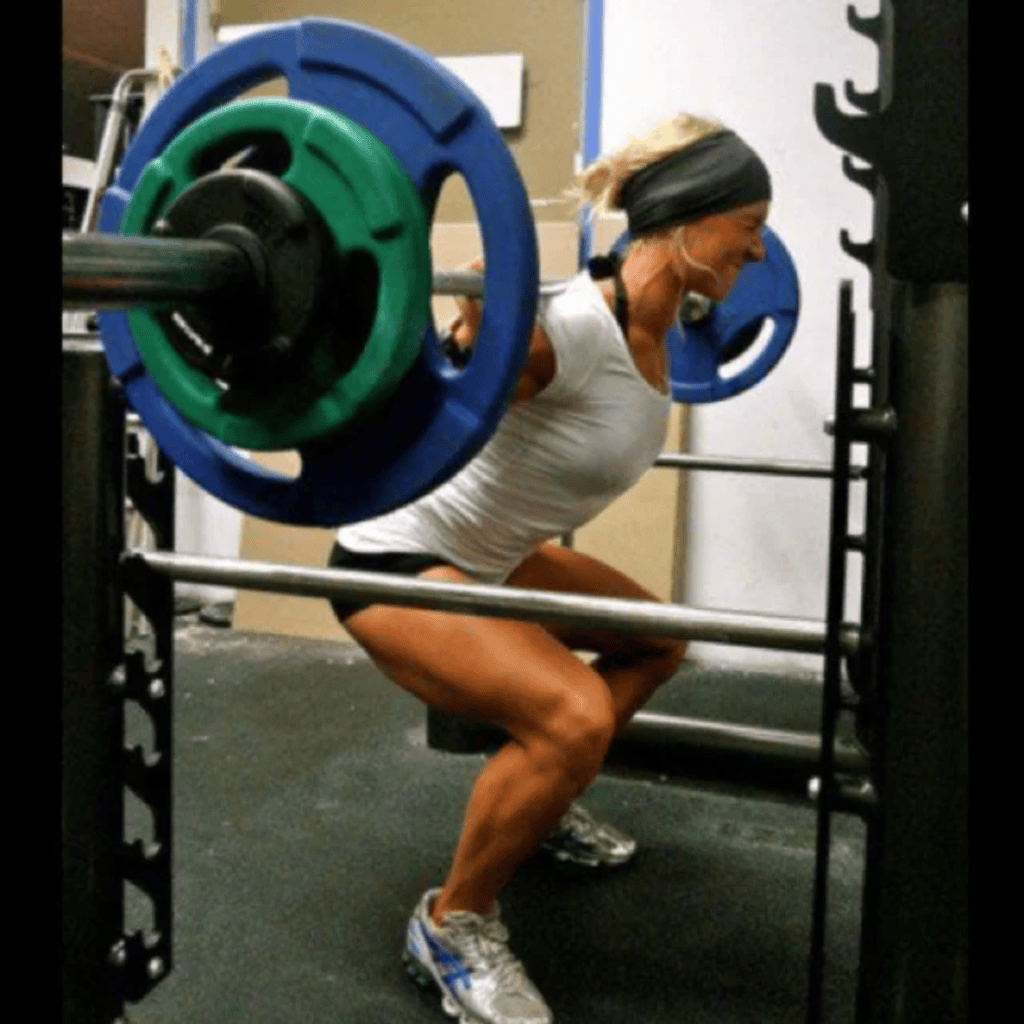
Barbells facilitate loading of fundamental human movements. The barbell’s straight-line path keeps your hands connected to the external load, improving lifting efficiency and stability. You can push, pull, hinge, and squat with greater control, which helps build strength safely.
Barbells offer stability, but their exercises are not effortless. You must brace, balance, and control the bar through every repetition. This active effort makes barbells valuable for anyone serious about strength training.
Step 1: Choose your equipment and set up your lifting space
Your lifting space and equipment choices can shape your workout success. Choose the right gear to support strength training. Barbells are a staple in strength sports, home gyms, and athletic training.
Select an appropriate barbell, plates, rack, and safety supports
Start by choosing a barbell that suits your lifting style and space. Olympic barbells work well for many exercises and offer a versatile choice. Choose plates that fit securely, and use collars to keep them in place.
A squat rack or power rack improves safety and expands your exercise options. Choose a sturdy rack that can handle the weights you plan to lift. A stable bench also supports exercises such as the bench press.
Use safety supports, such as pins or arms, to catch the bar if you struggle. Position these supports correctly to protect yourself during heavy lifts.
Check your setup and practice with a light load.
Before lifting heavy, test your setup. Set the bar at a comfortable height for unracking and re-racking. Check the floor for trip hazards and keep the area well-lit and spacious.
Start with an empty bar or very light plates. Rehearse unracking, bracing, and returning the bar safely to its supports. This practice builds confidence and prepares you for heavier weights.

Step 2: Warm up and prepare your joints and muscles
Before heavy lifting, warm up your body well. A good warm-up prepares your muscles and helps prevent injuries. It also transitions your body from rest to focused lifting, preparing you for the workout.
Begin with several minutes of general movement to warm up your body. Try brisk walking, cycling, rowing, or easy bodyweight exercises. Raise your heart rate and blood flow without causing fatigue.
Raise your body temperature with general movement.
General movement plays a key role in warming up. Light aerobic exercise increases blood flow and activates your muscles. This first phase prepares you for more specific mobility work.
Use mobility drills and gradual warm-up sets.
After raising your body temperature, add mobility drills. Match these drills to your session’s focus and improve your range of motion. Consider including:
- Bodyweight squats
- Hip hinges
- Shoulder circles
- Thoracic rotations
- Unloaded presses
After mobility work, perform gradual warm-up sets for your first major lift. Increase the load in stages while lowering repetitions near your working weight. This method helps your muscles adjust safely to heavier loads.
Mobility drills should improve your range of motion without forcing painful positions. If you feel sharp pain or joint instability, reduce the load and address the issue. Proper warm-ups and mobility work to prepare joints and muscles are essential for a successful lifting session.

Step 3: Learn the back squat
Treat the squat as a foundational barbell exercise for strength training. It builds lower-body strength and engages your core. Learn these key steps for a safe, effective back squat.
Set your bar position, stance, and bracing before each rep
Before squatting, place the barbell across the back of your upper shoulders. Make sure it rests comfortably without causing strain. Stand with your feet shoulder-width apart for natural hip and knee movement.
Next, brace your core by tightening your abdominal muscles. This brace creates stability and helps you maintain good posture throughout the squat.
Squat with controlled depth and consistent balance
As you lower, keep your feet firmly planted. Balance across your entire foot, not just your toes. Keep your knees aligned with your toes, avoiding inward collapse.
Set your squat depth at the lowest point you can reach with a neutral spine and control. Do not go deeper if it harms your form.
Correct common squat mistakes that can increase injury risk
Watch for common squat mistakes leading to injury risk:
- Knees caving inward: This can put undue stress on your joints.
- Excessive forward lean: Leaning too far can strain your lower back.
- Bouncing out of the bottom: This can lead to loss of control and possible injury.
- Relaxing your brace: A weak core can make your lift unstable.
- Fatigue altering technique: If tired, lower the weight or choose a safer variation.
If proper form feels difficult, try alternatives such as box squats or goblet squats. These variations reinforce good technique while building strength.

Step 4: Learn the deadlift
The deadlift is a foundational barbell exercise that builds overall strength. Learning the deadlift as a foundational barbell exercise requires careful attention to proper technique. This section explains how to set your stance, grip, and starting position.
Set your stance, grip, and starting position.
Stand with your feet hip-width apart and toes slightly outward. Place the bar over the middle of your feet, so you can reach it without pushing it away. Choose either a double overhand grip or a mixed grip, based on comfort.
Lower your hips with your chest up and back straight. Keep your shins near the bar without touching it. This setup helps you keep a strong position throughout the lift.
Keep the bar close and lift with coordinated leg and hip drive
When ready, push through your heels and engage your legs. Keep the bar close to your shins for a straight path upward. Extend your hips and knees together to drive the bar upward.
Brace your core and engage your upper back. These actions help prevent lower-back rounding, a common error that may cause injury. At the top, stand tall without leaning back or overextending your spine.
Prevent back rounding and other common deadlift form errors
To prevent deadlift form errors involving back rounding, focus on these key points:
- Do not jerk the bar off the floor; instead, lift smoothly.
- Keep the bar close to your body throughout the lift.
- Avoid bending your elbows during the pull.
- Do not squat excessively during the deadlift; maintain a hip-hinge pattern.
- Lower the bar with control, ensuring your back stays straight.
Use lighter weights to practice your technique. If spinal control feels difficult, consider working with a qualified coach. A coach can help refine your form and build confidence in your deadlift.

Step 5: Learn the bench press
The bench press is a foundational barbell exercise for your chest, shoulders, and triceps. It builds upper-body strength and improves your overall lifting performance. Use a stable position on the bench to perform it correctly.
Start with your eyes directly under the barbell for proper alignment. Keep your feet firmly on the floor and your back in a controlled, natural arch. Pull your shoulder blades back and down against the bench to create a solid base, distribute weight, and protect your shoulders.
Position your body, grip, and shoulder blades on the bench
Grip the bar with your hands spaced evenly. Near the bottom of each repetition, keep your forearms reasonably vertical and your wrists stacked over your elbows. This grip helps you control the lift.
Use a reliable spotter, especially for heavier weights. A spotter can help you unrack the bar safely and assist if you struggle. If training alone, position the safety arms correctly and avoid collars, which are hazardous if you must drop the weight.
Lower and press the bar with control and a reliable spotter setup
Lower the bar under control toward your lower chest or sternum. Do not bounce it off your chest, because that can cause injury. Press it upward along a natural path while keeping your upper back and feet against the bench and floor.
Never lift a load you cannot control. Do not flare your elbows straight sideways or lift your hips off the bench. These actions can weaken your form and increase your risk of injury, so always prioritize form over weight.
“The bench press is a cornerstone of strength training, but proper technique is key to maximizing its benefits.”

Step 6: Learn the overhead press
The standing overhead press builds shoulder stability and strength. It also trains your core, making it useful for strength training. Use proper technique to gain benefits and reduce your risk of injury.
Start by bracing your body and placing the barbell in a strong rack position. Rest the bar near the fronts of your shoulders, with your hands evenly spaced. Stand with your feet stable and shoulder-width apart.
Press the bar overhead in a straight, vertical path. Move your head slightly back as the bar passes, then bring it forward once the bar is overhead.
Squeeze your glutes throughout the movement. Keep control of your rib cage and pelvis. Avoid excess leg drive unless you intentionally use another variation.
- Leaning backward, which can strain your lower back.
- Flaring your ribs, leading to poor stability.
- Pressing the bar around your face instead of straight up.
- Gripping unevenly, which can affect your balance.
- Widening your stance unnecessarily, compromising your stability.
- Allowing the bar to drift forward, which can lead to loss of control.
Begin with a light load to master the technique. Stop the set if your lower back takes over or the bar path becomes unstable. Good form supports long-term success in your strength training journey.
Step 7: Build a routine and progress your lifts safely
A well-planned routine can improve lifting success and efficiency. Build workouts around compound movements for training efficiency. These exercises challenge several muscle groups at once.
Organize your compound lifts into a balanced weekly plan. Here’s a simple four-day structure you can follow:
- Day 1: Squat-focused lower-body day
- Day 2: Bench-press-focused upper-body day
- Day 3: Deadlift and pulling day
- Day 4: Overhead-press or full-body assistance day
Place rest days around your hardest sessions. Rest lets your body recover, adapt, and make progress.
Next, use progressive overload in your routine. Gradually increase weight, add repetitions, or improve your form.
Here are some strategies to consider:
- Increase weights in small increments.
- Add extra repetitions within your target range.
- Incorporate additional sets as you progress.
- Focus on maintaining technical consistency.
Keep some repetitions in reserve during workouts. This helps prevent burnout and supports continued improvement. Track your lifts to find patterns and areas that need work.
Prioritize recovery with enough sleep and nutrition. Eat enough protein and calories to support your goals. Add deload weeks when you notice accumulated fatigue.
Deload weeks help maintain performance and prevent injuries. For power work, use manageable loads and low repetitions. Focus on high-quality execution and full recovery instead of exhaustion.
Conclusion
Barbell basics for unstoppable strength gains build the foundation for effective training. Simple, powerful lifts build muscle and improve overall fitness. Define your strength goals; clarity will guide training and keep you motivated.
Create a safe, efficient training space for your workouts. Use a barbell, plates, and safety supports, then warm up thoroughly. Learn the back squat, deadlift, bench press, and overhead press to complete your workout routine.
Lift heavier weights only when you can use proper technique and control. Document each session to track improvements and find areas for growth. Guidance from qualified coaches can improve your understanding and performance.
Patience is key throughout this journey. Consistent training and recovery will bring significant results over time. Embrace simple barbell training; well-practiced compound lifts and commitment to your routine can produce remarkable strength and muscle gains.




Leave a Reply