



More than half of American adults face hypertension. It’s a major cause of stroke and heart attacks. Often, there are no early signs. Yet, by exercising and eating well, you can cut down your risks.
John Bauer from the International Sports Sciences Association explains why. He says exercise helps your body make new capillaries. These capillaries work as extra valves for the heart. They help by reducing pressure on your blood vessels.
Keeping a routine of exercise is key for anyone dealing with high blood pressure. It manages your blood pressure, keeps your weight in check, and makes your heart stronger. This also helps lower your stress. Adding exercise to your daily life can really turn the tables on hypertension. It boosts your health and happiness.
Key Takeaways:
- Regular exercise is crucial for managing hypertension
- It helps control blood pressure, manage weight, strengthen the heart, and reduces stress levels
- Incorporating exercise into your daily routine can improve your overall well-being
The Benefits of Exercise for Hypertension

Regular physical activity is key for people with hypertension. It helps control high blood pressure and lowers stress levels. It also strengthens the heart and keeps you at a healthy weight. These benefits lead to better blood pressure and heart health.
Exercise makes your blood vessels wider, easing the blood flow and pressure on your heart. The heart then pumps more efficiently, keeping your blood pressure in check. It also boosts nitric oxide production, which relaxes blood vessels.
Exercise isn’t just for the body; it’s great for the mind, too. It releases endorphins, making you feel good and reducing stress. This boost in heart health and mood can help ward off anxiety and depression.
By being active, you strengthen your heart literally. A stronger heart pumps better, reducing stress on it. This cuts the risk of heart diseases. Also, it regulates insulin, lowers inflammation, and keeps cholesterol balanced.
Working out regularly is crucial for staying at a healthy weight. It burns calories and boosts your metabolism. This lessens the burden on your heart and decreases certain health risks.
Finding a fun exercise you like is important. It could be walking, swimming, dancing, or biking. Try to get 150 minutes of moderate exercise each week. Always check with a doctor before you start. This is especially true if you have health issues.
| Benefits of Exercise for Hypertension |
|---|
| Control High Blood Pressure |
| Lower Stress Levels |
| Strengthen the Heart |
| Promote a Healthy Weight |
Types of Exercise for Hypertension
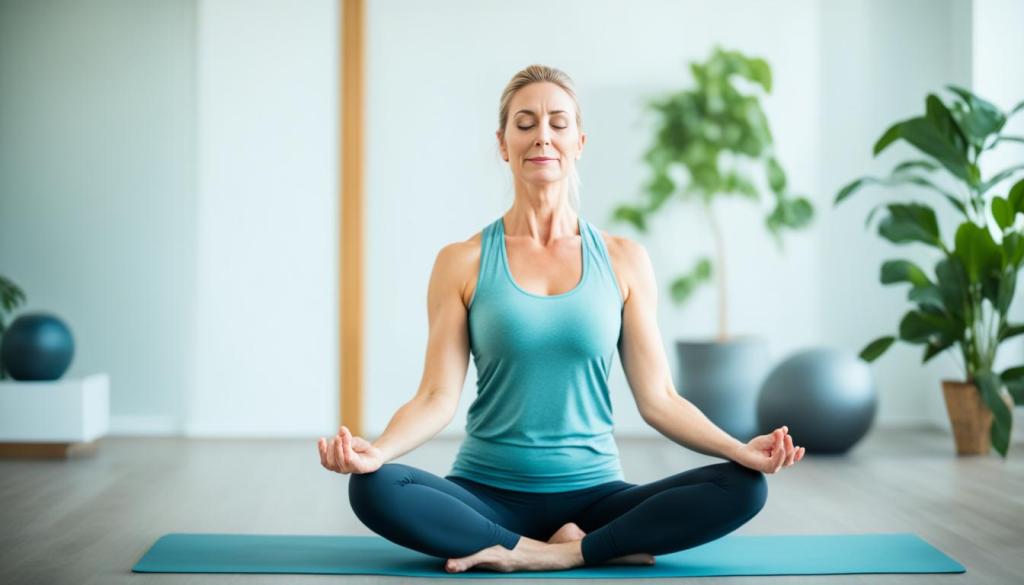
There are many types of exercises good for hypertension. Brisk walking is a perfect starting place. It’s a simple, low-impact aerobic exercise for daily life. You could also try cycling or swimming to boost your heart rate and heart health.
Flexibility exercises like yoga can be really helpful too. They increase how far you can move and make your posture better. Finally, add in muscle-strengthening activities like weight training. These build muscle and speed up your metabolism.
It’s important to mix up your exercises. This keeps you interested and ensures you work out all parts of your heart health. But, you don’t have to pick just one kind of exercise. Mix and match to make a complete plan that fits what you like and need.
| Type of Exercise | Description |
|---|---|
| Brisk Walking | A low-impact aerobic activity that can easily be incorporated into your daily routine |
| Cycling | An enjoyable and effective way to elevate your heart rate and improve cardiovascular health |
| Swimming | A low-impact aerobic activity that provides a full-body workout without putting stress on the joints |
| Yoga | Improves flexibility, balance, and posture, which are all important for overall cardiovascular health |
| Weight Training | Helps build lean muscle mass, increase metabolism, and improve overall strength |
Choose exercises that you like and feel at ease with. Enjoying your workout makes it easier to stick to. Be open to try new things to see what fits you best. Walking, cycling, yoga, or weight training, the main thing is to stay active for your heart’s sake.
Tips for Safe and Effective Exercise with Hypertension

Exercising with hypertension requires some special steps for safety and success. By tailoring your workouts, you can lower risks and see better outcomes. Always talk to a doctor before starting any new exercise.
Gradual Progression
It’s vital to slowly increase how hard and how long you exercise if you have high blood pressure. Doing this helps your body get used to the activity without causing big jumps in blood pressure. Start with easy, short workouts. Then, move on to tougher and longer ones.
Warm-Up and Cool-Down
Starting slowly and cooling down are essential. This helps your heart gradually get ready for and recover from exercise. Kick off with light movement like stretching or walking to get your blood flowing. Afterwards, gradually lower your heart rate with gentle exercises and stretching.
Personalize Your Exercise Routine
Finding an exercise you like is important for sticking with it and seeing results. Activities like walking, swimming, or dancing can make workouts fun. When you make your exercise plan personal, you’re more likely to keep it up and be happy with the results.
Breath Control
Controlling your breathing is crucial when working out with hypertension. Deep, steady breaths can help keep your heart rate and blood pressure incheck. Techniques like breathing from your diaphragm or through pursed lips can really help.
Consult a Healthcare Professional
Always talk to a healthcare professional before you start any new exercise routine, especially if you have high blood pressure. They’ll look at your health history and give you advice. This makes sure your exercise plan is safe and fits your health needs.
These tips will help you safely and effectively add exercise to your life. They can also help you manage hypertension and boost your health.
Setting Goals and Staying Motivated
Setting small goals is key to staying motivated on your fitness journey. It makes big dreams seem more doable. These smaller goals help you feel good about your progress. Achieving these little wins keeps you moving forward.
It’s also important to track how you’re doing. You can use a fitness tracker or just a simple journal. This helps you see what’s working and what you could do better. So, keep notes on your workouts and see how you improve over time.
Adding rewards can also keep you going. Why not treat yourself for all your hard work? Buy some new workout clothes or enjoy a massage. These treats remind you that exercise is fun and worth it.
We all need cheerleaders. Friends who exercise with us or classes we join help a lot. They make us accountable and push us to do better. Sharing our wins and struggles with others makes the journey sweeter.
Regular exercise is vital for lasting success. Make it a part of your daily or weekly plans. Treat it as an unbreakable date with yourself. This mindset helps your body and mind get used to being active.
Benefits of Setting Goals and Staying Motivated:
- Creates a sense of accomplishment and momentum
- Visualizes progress and identifies areas for improvement
- Enhances motivation through rewards and incentives
- Provides social support and accountability
- Develops a consistent exercise habit
| Small Goals and Tracking Progress | Exercise Rewards | Social Support | Consistency |
|---|---|---|---|
| Break larger goals into smaller, attainable targets | Reward yourself with exercise-related incentives | Exercise with a friend or join a fitness class | Schedule exercise as a regular part of your routine |
| Create a sense of accomplishment and momentum | Establish positive associations with exercise | Gain accountability and encouragement | Condition the mind and body for physical activity |
| Track progress using fitness trackers or journals | Recognize your hard work and dedication | Share progress, challenges, and victories | Make exercise a non-negotiable appointment |
Monitoring Intensity and Heart Rate
Watching how hard you exercise and your heart rate is important. It helps you get the best from your workout. Knowing about moderate exercise, target heart rates, how hard you feel you’re working, ways to breathe, and checking your heart rate keeps you on track.
Moderate exercise is the best for boosting workout results. It gets your heart and lungs working harder. Yet, you can still talk. Walking fast, biking, dancing, and swimming fit this level.
For how hard to push, look at your target heart rate. Your ideal heart rate while working out depends on your age. Use tools like the Karvonen formula to find it. Staying in this zone makes your exercise count.
The exertion scale also helps. It measures your feeling of effort during exercise. It looks at how hard you breathe and your tiredness. This tool gives a good idea of how intense your workout is.
How you breathe matters too. The pursed-lip technique can improve your breath control. This lowers the chance of getting out of breath and keeps your blood pressure steady while working out.
Heart rate monitors give instant feedback. They show your heart rate as you move. This lets you manage your heart rate zones and dial up or down your effort as needed. Don’t let the words Heart rate monitor scare you, today you can call this a smart watch.
Always listen to how your body responds to exercise. Focus on moderate effort, track your heart rate, use the exertion scale, control your breathing, and rely on heart rate monitors. These steps make your workout safe and effective.
Let’s see a table with heart rate zones and their target rates:
| Heart Rate Zone | Target Heart Rate Range |
|---|---|
| Resting Heart Rate | 60-100 bpm |
| Warm-up Zone | 50-60% of maximum heart rate |
| Fat-Burning Zone | 60-70% of maximum heart rate |
| Aerobic Zone | 70-80% of maximum heart rate |
| Anaerobic Zone | 80-90% of maximum heart rate |
| Maximum Effort Zone | 90-100% of maximum heart rate |
Remember these tips to make the most of every workout and keep your heart healthy.
Safe Exercise Guidelines for Individuals on Beta Blockers
Beta blockers can affect your heart rate during exercise. This means you might not hit your usual heart rate. But, you can still get a good workout. It’s not a reason to stop exercising.
One useful tool is the Borg Rating of Perceived Exertion Scale. It lets you rate how hard your body feels like it’s working. This includes factors like effort, how you’re breathing, and fatigue. Using this scale can help you pick the best exercise intensity.
“The Borg Scale helps you figure out the right workout intensity, so you can exercise safely on beta blockers. Listen to what your body tells you, and adjust your routine when needed.”
Another way to gauge your heart’s health during exercise is with a stress test. This test checks how your heart rate, blood pressure, and vital signs behave when you work out. It’s done on a treadmill or bike. The results can guide your doctor in setting the best exercise plan for you.
Always talk to your doctor before starting or changing your exercise routine, especially with beta blockers. They will give advice tailored to you, considering your health history and the effect of the medication on your exercise.
| Safe Exercise Guidelines for Individuals on Beta Blockers |
|---|
| 1. Consult with your healthcare professional before starting or modifying your exercise program. |
| 2. Assess your perceived exertion using the Borg Scale to figure out the right exercise intensity. |
| 3. Think about having an exercise stress test to look at your heart’s reaction to exercise. |
| 4. Stick to the exercise advice your healthcare professional gives you. |
| 5. Always pay attention to how your body feels and change your workouts as needed. |
Stick with these tips, and you can keep working out while on beta blockers. Remember, working with your doctor is key to finding the best exercise plan for you.
Recommended Exercises for Lowering Blood Pressure

Exercise is key to reducing blood pressure and improving heart health. Include different activities to boost your heart and control your blood pressure. Here’s what we recommend:
Aerobic Classes
Aerobics is fun and boosts your heart and lung health. These classes are full of activities like dancing and kickboxing. Join and enjoy!
Brisk Walking
Walking fast is simple and effective. It makes your heart stronger, helps burn calories, and is good for your heart. Walk at a pace that makes you breathe a bit harder.
Cycling
Riding a bike indoors or out is amazing for your heart. It makes your legs stronger, your heart healthier, and can lower your blood pressure. Go for bike rides with intervals or up hills for extra impact.
Dancing
Dancing improves heart health and is fun. From salsa to ballroom, it all helps. It boosts your heart rate, stamina, and can lower blood pressure.
Gardening
Tending the garden is good for your heart and lowers blood pressure. Use activities like digging to work out muscles and elevate your heart rate. Plus, it’s good to be outside.
Hiking
Hiking is a workout that gets you close to nature. It’s good for your heart and general fitness. Wear the right shoes and drink plenty of water while you hike.
Running
Running is great for your heart and reduces blood pressure. Start slow and get faster over time. Training in intervals or with a group can keep you going strong.
Swimming
Swimming is easy on the body and tough on cardiovascular health. It works your whole body. Find a local pool or swim in natural places regularly.
Weight Training
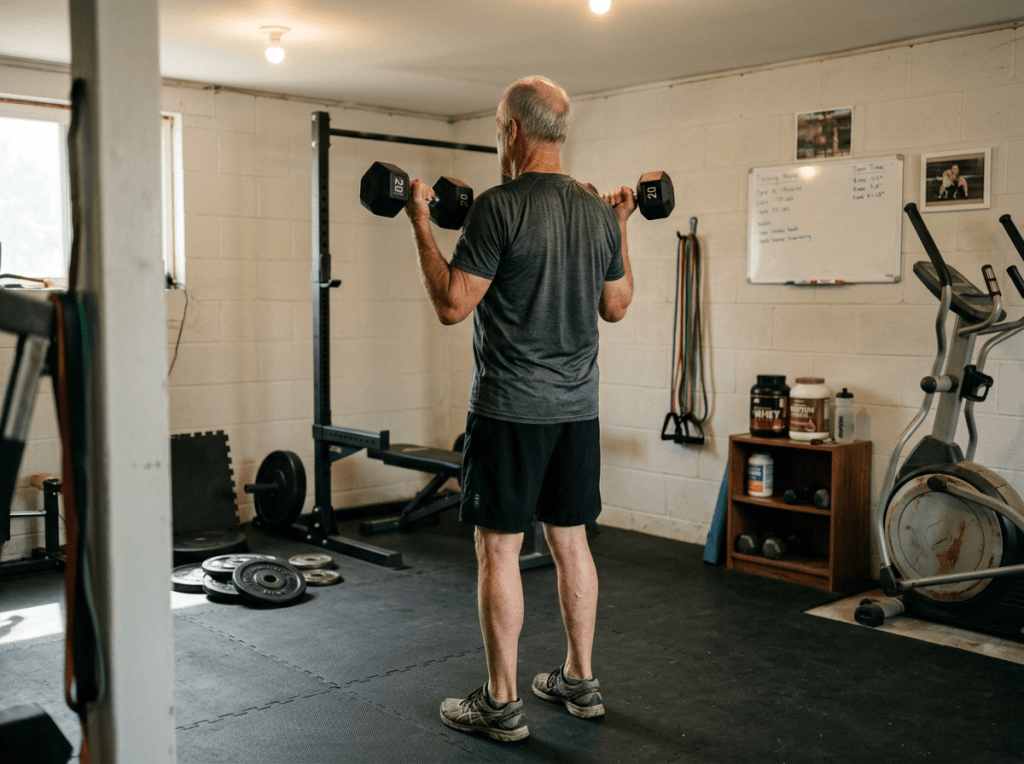
Lifting weights makes your heart stronger too. It builds muscle, speeds up your metabolism, and helps your heart health. Get tips from a trainer to do it right.
Find exercises you enjoy to do regularly. It’s important to like what you do. Mix it up to keep it interesting and consult your doctor before starting anything new.
| Exercise | Benefits |
|---|---|
| Aerobic classes | Improves cardiovascular fitness and helps control blood pressure. |
| Brisk walking | Enhances cardiovascular health and strengthens the heart. |
| Cycling | Builds leg muscles, improves endurance, and lowers blood pressure. |
| Dancing | Increases heart rate, improves endurance, and reduces blood pressure levels. |
| Gardening | Engages muscles, increases heart rate, and aids in blood pressure control. |
| Hiking | Strengthens the heart, improves cardiovascular fitness, and lowers blood pressure. |
| Running | Improves cardiovascular health, strengthens the heart, and lowers blood pressure. |
| Swimming | Provides a low-impact workout that enhances cardiovascular endurance and lowers blood pressure levels. |
| Weight training | Strengthens muscles, increases metabolism, and improves overall cardiovascular fitness. |
Precautions and Activities to Avoid

Exercise is great for managing high blood pressure. But, be careful with intense workouts. Things like sprinting, stair climbing, or heavy weightlifting can shoot up your blood pressure. This can stress your heart.
Avoid holding your breath when you exercise if you have high blood pressure. It can make your blood pressure go even higher. Instead, work on keeping your breathing steady during your workouts.
Always talk to a doctor before trying a new exercise. They can tell you which activities are safe for you. This ensures you get the right advice for your health and needs.
With the right advice and precautions, you can exercise safely. Make sure to follow your doctor’s recommendations closely. Your health always comes first when managing high blood pressure through exercise.
Conclusion
Exercise is key to handling high blood pressure and better heart health. Add regular physical activity to your day to keep your blood pressure in check. It also helps make your heart stronger and lowers stress. Make an exercise plan that works for you. Talk to your doctor or a fitness expert to create a plan that’s safe and right for you.
It’s important to keep up with your exercise. Doing it regularly helps you deal with high blood pressure over time. Always check with your doctor before you start any new workout plan, especially if you have health issues or take high blood pressure medicine. Working with a professional and sticking to your plan can lead to great improvements in your health.
Put exercise at the top of your to-do list and stick to your goals. Feel the good changes that exercise brings to your body and mind. With effort and doing things regularly, you can handle high blood pressure well. Enjoy the many ways exercise helps you, and start on a path to enjoy a healthier heart today.
FAQ
How does exercise help manage hypertension?
Exercise is key to managing high blood pressure. It helps keep your weight in check and makes your heart strong. It also lowers your stress levels, which is vital for controlling hypertension.
What types of exercises are beneficial for hypertension?
For hypertension, brisk walking and aerobics like cycling or swimming are great. Also, yoga and muscle-building exercises work well. They keep your body and heart healthy.
What precautions should I take when exercising with hypertension?
When you have hypertension, start your workouts slowly. Always warm up and cool down. Set up an exercise plan that fits you and control your breathing. Talk to a doctor before beginning any new exercise.
How can I stay motivated to exercise regularly?
To keep going, set small exercise goals. Track your progress and reward yourself. Having friends or family to support you and being consistent also make a big difference.
How can I monitor the intensity of my exercise and heart rate?
To watch your exercise level, aim for moderate effort. Know your target heart rate and use your own feeling of exertion. Breathing techniques and checking your heart rate as you exercise can also guide you.
What should individuals on beta blockers know about exercising?
If you take beta blockers, you might not hit your target heart rate. But how hard you feel you’re working, or doing a stress test, can guide you. Always talk with a doctor first before changing your exercise plan.
What exercises are recommended for lowering blood pressure?
For reducing blood pressure, try aerobics, brisk walking, and cycling. Dancing, gardening, hiking, and swimming are also good choices. Don’t forget about weight training too.
What exercises and activities should individuals with hypertension avoid?
Avoid exercises that strain you a lot, like sprinting or stair climbing. Heavy weights and holding your breath during exercise can be risky for those with hypertension. Always get advice from a doctor for your specific situation.
How can exercise benefit hypertension management?
Exercise is vital for fighting hypertension. It keeps your blood pressure under control, ensures a healthy heart, and reduces stress. Having an exercise plan tailored to you and working with healthcare providers is the best route for managing hypertension.
Source Links
- https://health.clevelandclinic.org/exercises-to-lower-blood-pressure
- https://www.heart.org/en/health-topics/high-blood-pressure/changes-you-can-make-to-manage-high-blood-pressure/getting-active-to-control-high-blood-pressure
- https://www.mayoclinic.org/diseases-conditions/high-blood-pressure/expert-answers/beta-blockers/faq-20058369


 trim down and shape up
Leave a reply to issabrainmonkeybrain Cancel reply