


As you age, staying physically active becomes increasingly important for your overall health. However, many misconceptions surround exercise myths and their impact on older adults. According to the American Heart Association, regular physical activity is crucial for maintaining heart health, yet many people still believe that exercise is only for the young.
It’s time to separate fact from fiction and debunk common aging misconceptions. As we explore the truth behind these myths, you’ll discover how regular exercise can significantly improve your quality of life as you age.
Key Takeaways
- Regular physical activity is essential for healthy aging.
- Many common exercise myths can be debunked with facts.
- Exercise is crucial for maintaining heart health at any age.
- Staying active can significantly improve your quality of life.
- It’s never too late to start exercising and reap the benefits.
The Truth About Physical Activity and Aging
Aging is a natural process that affects everyone, but regular physical activity can significantly influence how we age. As we grow older, our bodies undergo a range of physical changes that can impact our health and independence.
How Exercise Affects the Aging Process
As we age, our bodies experience a range of physical changes, including decreased muscle mass, reduced bone density, and diminished cardiovascular health. Exercise plays a crucial role in mitigating these effects.
Physical Changes in Aging Bodies
Aging bodies undergo various physical changes, including loss of muscle mass, reduced flexibility, and decreased bone density. These changes can increase the risk of falls, fractures, and other age-related health issues.
How Exercise Counteracts Age-Related Decline
Regular exercise can help counteract many age-related declines. For example, resistance training can build muscle mass, while aerobic exercise can improve cardiovascular health. Flexibility exercises, such as yoga or tai chi, can enhance range of motion and reduce the risk of falls.
Current Exercise Guidelines for Older Adults
Health organizations provide guidelines for older adults to follow when it comes to exercise. The American Heart Association recommends at least 30 minutes of aerobic activity five days a week, along with two days of strength training for overall heart health.
Recommendations from Health Organizations
Various health organizations, including the American Heart Association and the World Health Organization, recommend regular physical activity for older adults. These recommendations typically include a mix of aerobic exercise, strength training, and flexibility exercises.
Balancing Different Types of Exercise
To achieve overall fitness, older adults should aim to balance different types of exercise. This can include aerobic activities like walking or swimming, strength training with weights or resistance bands, and flexibility exercises like yoga or stretching.
| Exercise Type | Benefits | Examples |
|---|---|---|
| Aerobic Exercise | Improves cardiovascular health, boosts mood | Walking, swimming, cycling |
| Strength Training | Builds muscle mass, supports bone health | Weightlifting, resistance bands |
| Flexibility Exercises | Enhances range of motion, reduces fall risk | Yoga, tai chi, stretching |
6 Myths About Exercise and Aging: Why These Misconceptions Persist
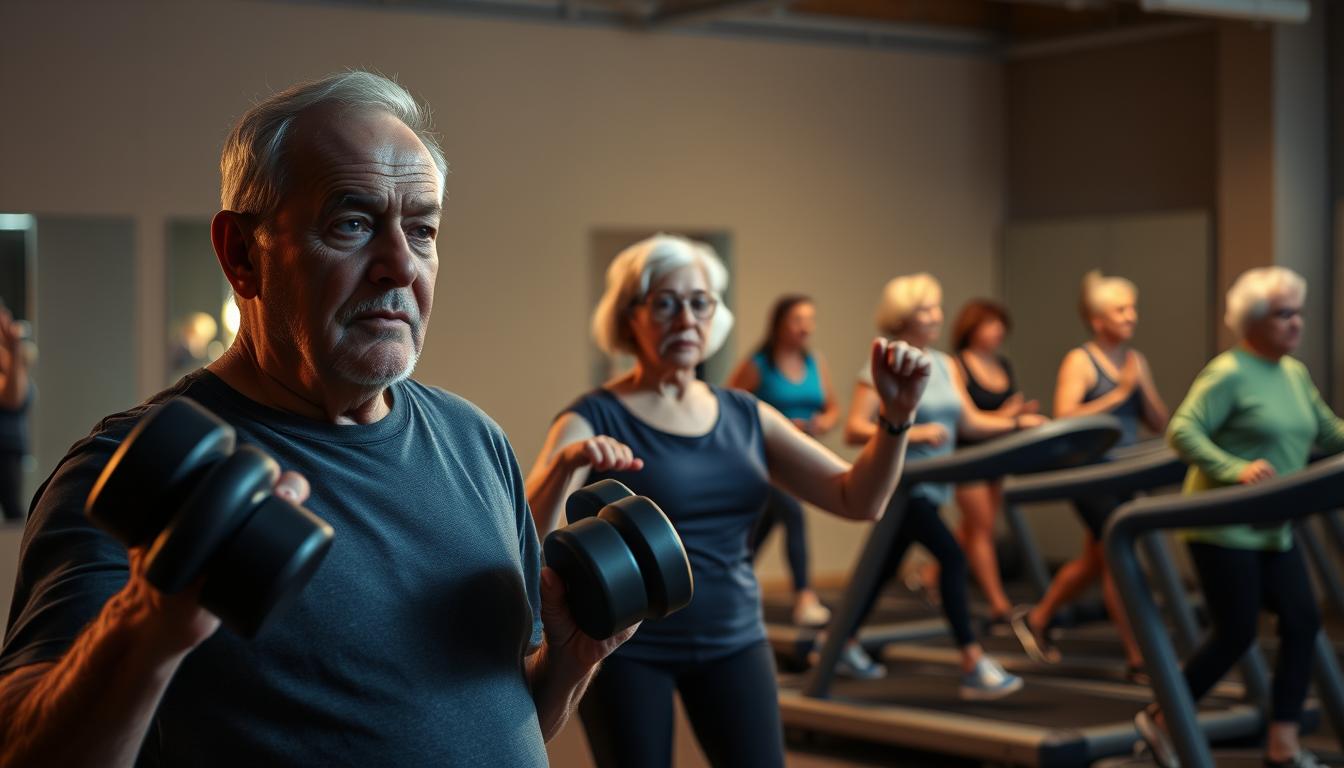
Many people hold misconceptions about exercise and aging that can significantly impact their health decisions. These myths can lead to a sedentary lifestyle, which is associated with various health risks.
The Origin of Common Exercise Myths
Common exercise myths often originate from misinformation or a lack of understanding about the aging process and physical activity. For instance, the belief that exercise is too strenuous for older adults can stem from outdated information or a lack of exposure to modern exercise guidelines for seniors.
How These Myths Affect Health Decisions
The perpetuation of these myths can have serious health consequences. Inactive people are twice as likely to develop heart disease and have more doctor visits.
Physical Consequences of Avoiding Exercise
Avoiding exercise due to misconceptions can lead to physical decline, including loss of muscle mass, reduced flexibility, and decreased cardiovascular health.
Psychological Impact of Limiting Activity
Limiting physical activity can also have psychological effects, such as increased risk of depression and anxiety.
| Health Risk | Active Individuals | Inactive Individuals |
|---|---|---|
| Heart Disease | Lower Risk | Higher Risk |
| Doctor Visits | Fewer Visits | More Visits |
As
“Exercise is a key component of healthy aging”
, understanding and debunking these myths is crucial for promoting healthy lifestyles among older adults.
Myth1: “I’m Too Old to Start Exercising”

Age is often seen as a limitation when it comes to fitness, yet it’s never too late to start. Many seniors worry that they’re too old to begin exercising, but research and success stories prove otherwise.
The Fiction: Age as a Barrier to Fitness
Common concerns about age and exercise include the fear of injury, feeling too old to start, and worrying about not being able to keep up. These concerns often stem from misconceptions about aging and physical capability.
Common Age-Related Concerns
- Fear of injury or exacerbating existing health conditions
- Feeling too old or frail to start an exercise routine
- Concerns about not being able to keep up with younger exercisers
The Fact: It’s Never Too Late to Begin
Studies have shown that seniors can significantly benefit from exercising, even when they start later in life. A study from Yale University found that walking just 20 minutes a day can lower the risk of mobility disability in seniors.
Research on Late-Life Exercise Benefits
Research highlights numerous benefits of exercising later in life, including improved mobility, reduced risk of chronic diseases, and enhanced mental health. Exercise is a key component of healthy aging, and it’s never too late to start.
Success Stories of Senior Exercise Beginners
Many seniors have transformed their lives by starting to exercise later in life. These success stories demonstrate that with the right mindset and support, anyone can begin exercising and reap the benefits.
Transformations After Age 60
There are numerous examples of individuals who have started exercising in their 60s, 70s, and beyond, achieving significant improvements in their health and well-being. It’s a testament to the human body’s ability to adapt and respond to exercise at any age.
Myth 2: “I’ll Hurt Myself If I Exercise”

Older adults often hesitate to start exercising due to fear of injury, but this fear is often misplaced. Exercise, when done properly, can significantly reduce the risk of injuries by strengthening bones and muscles.
The Fiction: Exercise Is Dangerous for Older Bodies
Fear of falls and injuries is a significant deterrent for many older adults considering exercise. However, the reality is that a sedentary lifestyle can actually increase the risk of falls and fractures.
Fear of Falls and Injuries
The concern about falling is valid, as falls are a leading cause of injury among older adults. Yet, exercises that improve balance, such as yoga and tai chi, can significantly reduce this risk.
The Fact: Proper Exercise Reduces Injury Risk
Engaging in regular physical activity can strengthen bones and muscles, making daily activities less risky. Exercise also improves flexibility and balance, further reducing the likelihood of falls.
How Exercise Strengthens Bones and Muscles
Weight-bearing exercises, such as walking or resistance training, can enhance bone density, reducing the risk of osteoporosis. Similarly, muscle-strengthening activities help with overall mobility and stability.
Safe Exercise Options for Different Mobility Levels
There are various exercise options suitable for different levels of mobility. For those with limited mobility, chair exercises or water-based activities can be beneficial.
Low-Impact Alternatives That Work
Low-impact exercises, such as swimming or cycling, are excellent alternatives for those who cannot perform high-impact activities. These exercises provide cardiovascular benefits without excessive strain.
| Exercise Type | Benefits | Mobility Level |
|---|---|---|
| Yoga | Improves flexibility and balance | Moderate to High |
| Swimming | Cardiovascular benefits, low impact | Low to Moderate |
| Resistance Training | Strengthens muscles and bones | Moderate to High |
Myth 3: “My Heart Isn’t Strong Enough for Exercise”

You might think that your heart isn’t strong enough for physical activity, but the truth is quite the opposite. Regular exercise is known to strengthen your heart, improving its overall function and efficiency.
The Fiction: Exercise Strains an Aging Heart
Many believe that exercise puts undue strain on an aging heart. However, this is a misconception that can deter individuals from engaging in physical activity that is crucial for their health.
Common Cardiovascular Concerns
Concerns about cardiovascular health are valid, especially for older adults. Common issues include high blood pressure, heart disease, and decreased cardiac output. However, most of these conditions can be managed or improved with appropriate exercise.
The Fact: Cardiovascular Benefits of Regular Activity
Exercise is a key factor in maintaining a healthy heart. Regular physical activity can help lower blood pressure, improve circulation, and increase overall heart function.
How Exercise Strengthens Heart Function
When you exercise, your heart rate increases, and your heart muscle becomes stronger. Over time, this can lead to improved cardiovascular health, reducing the risk of heart disease.
| Cardiovascular Benefits | Description |
|---|---|
| Lower Blood Pressure | Regular exercise helps reduce resting blood pressure. |
| Improved Circulation | Exercise enhances blood flow and overall circulation. |
| Increased Heart Function | Physical activity strengthens the heart muscle. |
How to Exercise Safely with Heart Concerns
If you have heart concerns, it’s essential to consult with your healthcare provider before starting any new exercise program. They can help you determine the most appropriate activities based on your health status.
Monitoring Intensity and Progress
Monitoring your heart rate during exercise can help you stay within a safe range. Using a heart rate monitor or fitness tracker can be beneficial.
Myth 4: “I Can’t Afford to Exercise Regularly.”

You don’t have to break the bank to stay physically active; there are numerous affordable exercise options available. Many people believe that exercising regularly requires expensive gym memberships or specialized equipment, but this is a misconception.
The Fiction: Effective Exercise Requires Expensive Equipment
The belief that effective exercise requires costly equipment is a common myth. Many assume that without expensive gym machinery, a workout is ineffective.
The Gym Membership Misconception
Gym memberships can be costly, and many people feel that they need to invest in them to get a good workout. However, there are plenty of alternatives that don’t involve hefty membership fees.
The Fact: Cost-Effective Exercise Solutions
In reality, you can achieve a great workout without spending a fortune. Simple exercises like walking, jogging, or bodyweight exercises are highly effective and cost nothing.
Household Items as Exercise Equipment
You can use household items as substitutes for expensive exercise equipment. For example, canned goods can be used as light weights for resistance training, making it easy to stay active without any additional expense.
Free and Low-Cost Exercise Resources for Seniors
There are numerous free and low-cost resources available for seniors to stay active. Community centers often offer exercise programs tailored for older adults.
Community Programs and Medicare Benefits
Many community programs provide affordable exercise options, and some Medicare plans even cover certain fitness programs. It’s worth exploring these options to stay active without straining your budget.
By exploring these cost-effective solutions, you can maintain an active lifestyle without breaking the bank. Whether it’s walking in your neighborhood or using household items for resistance training, there are plenty of ways to stay fit affordably.
Myth 5: “I Don’t Move Like I Used To”

The notion that you can’t exercise because you’ve lost some of your mobility is a misconception. Many older adults face challenges such as reduced flexibility, strength, or mobility due to aging or health conditions. However, this doesn’t mean that exercise is impossible.
The Fiction: Reduced Mobility Means Exercise Is Impossible
Common mobility challenges include arthritis, stiffness, or previous injuries that limit movement. Some people believe that these conditions make exercise dangerous or unfeasible.
Common Mobility Challenges
These can include chronic pain, limited range of motion, or balance issues. Such challenges often lead to a sedentary lifestyle, which can further exacerbate mobility problems.
The Fact: Adaptive Exercise Can Improve Mobility
Fortunately, there are numerous adaptive exercises designed for individuals with reduced mobility. These exercises can be modified to suit different fitness levels and health conditions.
Chair-Based and Modified Exercises
Chair-based exercises, for instance, are excellent for those with severe mobility limitations. They can help improve strength, flexibility, and circulation without putting excessive strain on the body.
Exercises That Improve Flexibility and Range of Motion
Simple stretching exercises, yoga, or tai chi can significantly enhance flexibility and balance. These activities can be adapted to accommodate physical limitations and can be done at a comfortable pace.
Progressive Improvement Strategies
Start slowly and gradually increase the intensity and duration of your workouts. Consulting with a healthcare provider or a fitness professional can help tailor an exercise plan that suits your needs.
Myth 6: “I Don’t Have Anyone to Exercise With”

The notion that you need someone to exercise with is a common misconception that can deter seniors from staying active. Many believe that exercising alone is not effective or that it’s more fun with a partner. However, this isn’t necessarily true.
The Fiction: Exercise Requires a Partner or Group
The idea that exercise requires a partner or group can be discouraging for those who live alone or have limited social interaction. The social pressure of exercising with others can be a motivating factor for some, but it’s not the only way to stay motivated.
The Social Pressure of Exercise
Exercising with others can provide an added motivation, as you’re more likely to show up when someone is counting on you. However, this doesn’t mean you can’t stay motivated on your own.
The Fact: Benefits of Both Solo and Group Exercise
Both solo and group exercises have their benefits. Solo exercise allows you to focus on your personal goals and schedule, while group exercise provides social interaction and a sense of community. You can choose what works best for you.
Finding Motivation Within Yourself
To stay motivated, set personal goals and track your progress. Celebrate your achievements, no matter how small they may seem.
Finding Exercise Communities for Older Adults
If you prefer group exercise, consider joining local clubs or groups that align with your interests, such as walking or gardening clubs. There are also virtual options available, such as online fitness classes and forums.
Virtual and In-Person Options
You can find exercise communities both online and in person. Look for local senior centers, gyms, or online platforms that cater to older adults.
Technology and Modern Resources for Senior Fitness
Staying active as you age is easier than ever, thanks to modern technology and digital resources. You can now access a variety of tools designed to support your fitness journey, making it simpler to maintain an active lifestyle.
Fitness Apps and Online Programs for Older Adults
Fitness apps and online programs have become increasingly popular among seniors. These digital resources offer a range of benefits, including personalized workout plans and motivational support.
Age-Appropriate Digital Resources
Many fitness apps are designed with older adults in mind, offering exercises that cater to different mobility levels and health conditions. For example, apps like Nike Training Club and SilverSneakers GO provide workouts that are both challenging and safe for seniors.
Wearable Technology for Tracking Progress
Wearable technology, such as fitness trackers and smartwatches, can be a valuable tool for seniors. These devices allow you to track your progress, set reminders, and monitor your heart rate, providing insights into your physical activity.
Using Data to Stay Motivated
The data collected by wearable devices can be a powerful motivator. By tracking your achievements and setting goals, you can stay engaged and motivated to continue your fitness journey.
Virtual Classes and YouTube Channels for Senior Fitness
Virtual fitness classes and YouTube channels offer a convenient way to stay active from the comfort of your home. Many of these resources are designed specifically for seniors, providing a safe and supportive environment.
Finding Quality Online Instruction
When selecting online fitness resources, it’s essential to choose reputable sources. Look for channels and programs led by certified instructors who specialize in senior fitness.
By leveraging these modern resources, you can maintain an active and healthy lifestyle, regardless of your age.
The Science-Backed Benefits of Exercise for Older Adults

The benefits of exercise for older adults are multifaceted, ranging from physical improvements to mental and emotional enhancements. Regular physical activity can significantly improve overall health and quality of life.
Physical Benefits: Beyond the Obvious
Exercise offers numerous physical benefits, including improved cardiovascular health and enhanced mobility. Regular activity can also contribute to better balance and reduced risk of falls.
Disease Prevention and Management
Regular exercise can help prevent or manage a range of chronic diseases, including diabetes, heart disease, and certain types of cancer. Physical activity can also aid in managing symptoms of these conditions.
- Reduces the risk of chronic diseases
- Improves management of existing conditions
- Enhances overall physical function
Mental and Cognitive Benefits
Exercise is not just beneficial for physical health; it also has significant mental and cognitive benefits. Regular physical activity can improve mood and reduce symptoms of anxiety and depression.
Exercise and Brain Health
Physical activity has been shown to improve cognitive function and reduce the risk of dementia. Exercise promotes blood flow to the brain, supporting overall brain health.
Social and Emotional Advantages of Staying Active
Staying active can also have social and emotional benefits. Exercise can provide opportunities for social interaction and community engagement.
Exercise as a Mood Enhancer
Regular physical activity can enhance mood and overall sense of well-being. Exercise releases endorphins, which are natural mood lifters.
In conclusion, the benefits of exercise for older adults are comprehensive, encompassing physical, mental, and emotional aspects. By incorporating regular physical activity into their lifestyle, older adults can significantly improve their quality of life.
Conclusion: Embracing an Active Lifestyle in Your Golden Years
Dispelling the 6 myths about exercise and aging is crucial for older adults to understand the importance of physical activity. Exercise myths can be misleading, but the facts show that regular exercise can significantly improve health and well-being in older age. By understanding the truth behind these myths, you can take the first step towards embracing an active lifestyle.
Aging and physical activity go hand-in-hand. As you’ve learned, it’s never too late to start exercising, and proper exercise can reduce injury risk. You can choose from a variety of cost-effective exercise solutions, including free and low-cost resources. Whether you prefer solo or group exercise, there are many options available to suit your needs and preferences.
By adopting an active lifestyle, you can experience the numerous physical, mental, and emotional benefits of exercise. So, take control of your health and well-being by incorporating physical activity into your daily routine. Start your journey today and enjoy the rewards of a healthier, happier you.


 trim down and shape up
Leave a comment