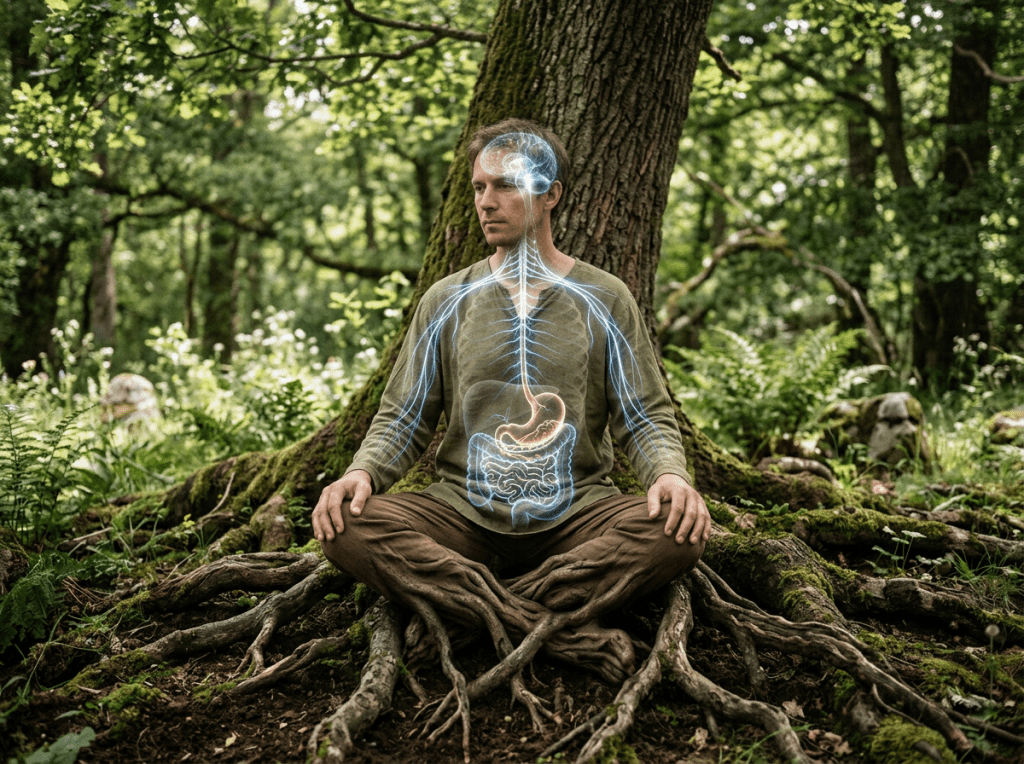


What if the physical symptoms you’ve been experiencing for years are actually connected to a traumatic event you experienced long ago?
Post-traumatic stress disorder affects millions of Americans every year. Many people think PTSD only happens to combat veterans. But the truth is, PTSD can happen to anyone who has lived through a traumatic experience. This includes car accidents, sudden loss, medical emergencies, childhood abuse, or even pandemic-related stress.
You might be suffering right now without realizing what’s causing your struggles. The surprising signs of PTSD often hide in plain sight. They show up as physical pain, digestive problems, skin issues, or unexplained weight changes. Your body sends signals that your mind hasn’t fully processed the trauma.
This article reveals 10 hidden signs you’re likely missing. Recognizing these symptoms is your first step toward healing. Understanding how post-traumatic stress disorder affects your whole body helps you seek the right support. Many people discover their confusing symptoms make sense once they connect them to past trauma.

Key Takeaways
- PTSD can happen to anyone who experiences trauma, not just military veterans
- Physical symptoms like skin problems and digestive issues are common PTSD signs
- Many people don’t recognize these symptoms as post-traumatic stress disorder
- Your body stores trauma in ways your conscious mind doesn’t understand
- Identifying surprising signs of PTSD is essential for getting proper treatment
- Healing begins when you connect your symptoms to past traumatic experiences
Understanding PTSD Beyond the Battlefield
Many think PTSD only affects soldiers. But this is not true. PTSD can happen to anyone who has faced a big, scary event. It’s not just for those in war.
Your brain doesn’t know the difference between dangers. A car crash, domestic violence, or losing someone suddenly can all cause PTSD. These events put your nervous system on high alert.
PTSD Can Happen to Anyone
People from all backgrounds can develop PTSD. Serious medical issues, childhood neglect, natural disasters, or assault can trigger it. It’s not about how others see your experience. It’s about how your brain processed it.
Your brain saw the event as a threat. Now, it’s always on guard. This helps you survive, but it can also cause problems. If you can’t stop thinking about the traumatic event, you need help.
Why Traditional PTSD Symptoms Are Just the Beginning
Flashbacks and nightmares are well-known symptoms. But PTSD affects more than just your mind. It can change how you sleep, interact with others, and even your physical health.
Trauma leaves deep marks on your body and mind. Your nervous system stays in survival mode. This leads to many other problems. Knowing this helps you understand that PTSD is real and treatable.
- Flashbacks and intrusive memories
- Sleep disruption and nightmares
- Avoidance of trauma reminders
- Negative changes in thinking and mood
- Physical tension and hypervigilance
- Emotional numbness or detachment
Recognizing these signs in yourself or others is the first step toward healing from traumatic events.
10 Surprising Signs Of PTSD
Post-traumatic stress disorder shows up in unexpected ways. Many think PTSD only includes flashbacks and nightmares. But the truth is more complex. Your body and mind can show signs of PTSD that go unnoticed for years.
These signs often get blamed on other health issues or aging. Understanding these early signs of PTSD helps you see what’s happening. Your symptoms might seem scattered and unrelated.
One week, your skin might break out in rashes. Next, you can’t focus at work. These hidden symptoms are linked to your trauma, but doctors might miss the connection.

- Skin that scars easily and stays persistently dry
- Sudden weight gain around your middle section
- Digestive problems and stomach pain
- Hands and feet that feel constantly cold
- Ringing sounds in your ears
- Increased pain sensitivity throughout your body
- Difficulty building or maintaining muscle
- Frequent allergy flares and weak immune function
- Sleep problems beyond regular insomnia
- Constant yawning during the day
These signs often get treated as separate conditions. Your doctor might focus on each symptom without recognizing the link to trauma. Your body keeps score in ways your mind doesn’t recognize. Physical discomfort, emotional numbness, and strange health changes all hint at unresolved stress.
Many people spend years seeing different specialists. They try skin treatments, digestive meds, and allergy shots. But none of it fixes the real issue. Spotting these hidden symptoms helps you understand your body’s messages about past trauma.
The Hidden Physical Symptoms of Post-Traumatic Stress
Your body remembers trauma in ways your mind might not see. Physical signs of PTSD often go unnoticed because they seem unrelated to emotional pain. When your body stays in fight mode, it affects your whole self. Knowing these signs helps you see how trauma impacts you.
Your body uses cortisol to handle stress. Normally, cortisol levels fluctuate with stress. But with PTSD, this balance is lost. Your body stays in a state of high alert, leading to physical changes you might not connect to trauma.

Skin That Scars Easily and Persistent Dryness
Have you noticed wounds healing more slowly than before? Your skin might always feel dry, no matter how much moisturizer you use. Skin that scars easily often shows up when trauma messes with cortisol levels and water balance. Your skin can’t repair itself as well.
Chronic stress takes away from healing. Your immune system weakens, collagen production slows, and your skin barrier gets damaged. What looks like a simple skin problem actually shows your nervous system’s reaction to trauma.
Unexplained Weight Gain and Digestive Issues
Many trauma survivors experience unexplained weight gain, often around the stomach. Elevated cortisol levels make your body store fat as a survival tactic. Your brain thinks danger is always present, telling your body to hold onto energy.
Poor digestion often comes with this weight gain. Your body doesn’t prioritize digestion when in survival mode. You might face:
- Irritable bowel syndrome symptoms
- Constipation or diarrhea
- Stomach pain without a clear cause
- Bloating after meals
- Difficulty absorbing nutrients
These digestive problems aren’t separate issues. Your gut reacts directly to your nervous system’s state.
Persistently Cold Hands and Feet That Won’t Warm Up
Do your hands and feet stay cold even when you’re wearing layers? Cold hands and feet happen because trauma changes blood flow. Your body moves blood away from your extremities to vital organs and muscles. This prepares you for danger that never comes.
Your nervous system sees every moment as a threat. Your body narrows blood vessels in your hands and feet, reducing circulation. This survival reflex keeps you uncomfortable and constantly aware of danger.
| Physical Symptom | Why It Happens | What You Feel |
|---|---|---|
| Skin that scars easily | Reduced water retention and compromised healing | Slow wound healing, prominent scars, dry skin |
| Inexplicable weight gain | High cortisol signals fat storage | Weight gain around the stomach, difficulty losing weight |
| Poor digestion | The body deprioritizes digestion in survival mode | IBS symptoms, stomach pain, constipation |
| Persistently cold hands and feet | Blood flow is redirected to vital organs | Numbness, tingling, constant coldness |
These symptoms are linked through your stress response system. Understanding how cortisol affects your health shows these aren’t random complaints. Your body tells you what your mind can’t express.
Emotional and Psychological Signs You Might Miss
Your emotional responses after trauma can feel confusing and overwhelming. Many people experience emotional symptoms that seem disconnected from PTSD. This makes it easy to overlook them as trauma-related. Understanding these signs helps you recognize what your mind and body are communicating about your psychological state.
One of the most challenging emotional symptoms is emotional dysregulation. Your mood might shift rapidly without warning. You could feel calm one moment, then experience an intense emotional outburst the next. These reactions often seem disproportionate to what triggered them. Your brain’s emotional control centers struggle to manage feelings effectively after trauma exposure.

Trouble sleeping extends beyond simple insomnia. Your nervous system remains on high alert, preventing deep, restorative sleep. You might wake frequently throughout the night or feel exhausted despite getting eight hours of sleep. This sleep disruption happens because your brain never fully relaxes into the peaceful stages needed for true rest.
Hypervigilance creates constant mental exhaustion. You scan your environment continuously for danger, even in safe spaces. This exhausting mental state drains your energy and ability to concentrate.
Other emotional symptoms to recognize include:
- Persistent shame and guilt about the traumatic event
- Deep feelings of emptiness or numbness
- Heightened pain sensitivity to minor physical discomfort
- Difficulty concentrating or staying organized
- Exaggerated startle responses to sudden noises
Your body’s pain sensitivity may increase after trauma. What felt manageable before now causes significant distress. This physical response mirrors your psychological state, showing how trauma affects your entire nervous system.
When Your Body Is Telling You Something Your Mind Won’t Acknowledge
Your body has its own language, but sometimes your mind doesn’t listen. Trauma leaves marks that you might not see. These signs show how your body and mind are connected in PTSD.
Doctors often treat physical symptoms as separate issues. They might give you different treatments for each problem. But these symptoms can all be linked to trauma.

The Connection Between Cortisol and Physical PTSD Symptoms
Cortisol is your stress hormone. It helps you survive danger. But too much cortisol can harm your health.
High cortisol levels can stop your muscles from growing. You might exercise and eat right, but your muscles won’t grow. Cortisol is working against you.
Too much cortisol also weakens your immune system. This can cause sudden allergy flares. Your body overreacts to harmless things because it’s always on alert.
Yawning a lot can also be a sign. It’s not because you’re tired. Your body is trying to calm itself down. It’s a sign of your nervous system’s hard work.
Tinnitus, or ringing in your ears, is another symptom. It’s linked to being always on the lookout for danger. Your ears become overly sensitive, causing you to hear sounds that aren’t there.
Understanding Your Body’s Stress Response
Your autonomic nervous system controls things you don’t think about. It handles your heartbeat, digestion, and breathing. Trauma can keep it in survival mode.
Your system can get stuck in two bad states:
- Hyperarousal: You’re always on edge and easily startled
- Hypoarousal: You feel numb and disconnected from your body
This explains why you react strongly to small things. A loud noise or a raised voice can scare you. Your body can’t tell the difference between past danger and now.
Just talking about your trauma might not help your body. Your nervous system reacts, not thinks. You need to heal your body first to recover.
First, you need to feel safe physically. Then, you can process your trauma emotionally. Somatic therapies and breathwork help your body learn to feel safe again.
Conclusion
You now know that PTSD signs are not just what you think. Skin that scars easily, digestive issues, and constant yawning are signs of trauma. Recognizing these symptoms is the first step to healing.
PTSD is treatable, and many therapies can help. Cognitive Behavioral Therapy (CBT) and Trauma-Focused CBT can reduce symptoms. Eye Movement Desensitization and Reprocessing (EMDR) is another effective method. Support groups offer a safe space to share experiences.
It’s common to think your trauma wasn’t severe or to feel shame about needing help. But mental health professionals can help you process your trauma safely. They understand how your mind and body are connected. Recovery is about finding balance and living in the present, not erasing the past.
Seeking PTSD treatment is brave and shows self-care. There are many resources across the United States to help you. Healing is possible, no matter how long you’ve struggled. Your decision to seek help can change your life.



 trim down and shape up
Leave a reply to OlRedHair Cancel reply