


What if the single most powerful thing you could do for your health right now costs nothing and feels amazing? Getting enough quality sleep is essential for both mental and physical health. Yet, millions of Americans shortchange themselves on rest every single night.
Your body doesn’t shut down when you sleep. Instead, it kicks into high gear, repairing cells, processing emotions, and cementing memories. The Centers for Disease Control and Prevention confirms that good sleep is essential for health and emotional well-being. Research from Oregon Health & Science University published in SLEEP Advances reveals something startling: insufficient sleep may shorten your life more than you’d expect.
The health benefits of sleep extend far beyond feeling less tired the next day. Studies show that men who sleep well can live 4.7 years longer, while women can live 2.4 years longer. Sleep ranks second only to smoking as a behavioral factor that determines how long you’ll live. That puts quality rest ahead of diet, exercise, and social connections.

Your sleep affects nearly every system in your body. From your immune system to your heart, from your brain to your metabolism, quality rest touches everything. The benefits of sleep for a healthy life and longevity aren’t optional perks. Sleep is a biological necessity that directly impacts your lifespan and your daily quality of life.
Key Takeaways
- Good sleep is as important for longevity as avoiding smoking.
- Getting enough quality sleep is essential for both mental and physical health.
- Men can gain 4.7 years and women 2.4 years with optimal sleep habits.
- Sleep affects your immune system, heart, brain, and metabolism.
- The health benefits of sleep include reduced disease risk and better emotional control.
- Sleep is a biological necessity, not a luxury or convenience.
Why Sleep Matters More Than You Think
Many people see sleep as a luxury, not a must. They think pushing through tiredness shows dedication. But research from Oregon Health & Science University shows something surprising.
Sleep is more important than diet or exercise for your lifespan. This changes what we think about health. It shows sleep is key, not just a luxury.
Sleep loss has big consequences, not just feeling tired. The American College of Cardiology found 8% of deaths are linked to bad sleep. This means thousands of deaths are preventable because of not getting enough sleep.
Knowing how much sleep you need is crucial. It’s not just about feeling good tomorrow. It’s about living longer.
Dr. Frank Qian’s study shows sleep’s benefits are clear. Every bit of better sleep lowers your risk of early death and heart disease. So, better sleep today means a longer, healthier life tomorrow.
Here’s what you need to know about sleep’s importance:
- Sleep loss weakens your immune system and makes it harder to make decisions
- Poor sleep cancels out the good of diet and exercise
- Even small sleep improvements lower disease risk
- Regular sleep protects against long-term health issues
If you have trouble sleeping, it’s time to talk to a doctor. Your sleep habits are as important as your diet and exercise. This is not optional. It’s essential for your health.
How Sleep Works to Restore Your Body and Mind
Understanding sleep is crucial for your health. It’s not just about resting your eyes. Your body and brain work hard to repair and maintain themselves during sleep. Each night, you go through different stages that last 90 to 120 minutes each. These stages are not random; they help keep you healthy and at your best.
Sleep offers many benefits, like physical recovery, mental clarity, and emotional stability. Your brain sorts information while your body fixes tissues and boosts immunity. This work is carried out across various sleep stages, each with its own role.
Understanding Sleep Stages and Cycles
Your sleep follows a predictable pattern each night. You start in light sleep and move to deeper stages. This journey is key to physical repair and immune function.
- Light sleep (Non-REM Stage 1-2) – Your body starts to relax, and your heart rate slows
- Deep sleep (Non-REM Stage 3) – Your muscles repair, and your immune system strengthens
- Rapid eye movement (REM) sleep – Your brain processes emotions and memories
Each stage has its purpose. Light stages prepare your body for deeper rest. Deep non-REM sleep handles physical repair and immune function. Then, rapid eye movement (REM) sleep takes over for memory consolidation, learning, and emotional regulation. This cycle repeats throughout your night.
The Role of REM and Non-REM Sleep
Non-REM and REM sleep work together. Non-REM sleep focuses on body maintenance. Rapid eye movement (REM) sleep focuses on mind maintenance.
| Sleep Type | Duration Per Cycle | Main Functions | Brain Activity |
|---|---|---|---|
| Non-REM Sleep | 60-90 minutes | Physical repair, immune function, muscle growth, tissue restoration | Slow, synchronized brain waves |
| REM Sleep | 20-30 minutes | Memory consolidation, learning, emotional regulation, and brain development | Fast, active brain waves similar to wakefulness |
Non-REM sleep focuses on physical repair and immune function. Your body releases growth hormones during deep non-REM sleep. These hormones repair muscles, build bone density, and strengthen your immune system. This is when your body does its heavy maintenance work.
Rapid eye movement (REM) sleep handles mental and emotional tasks. During REM sleep, memory consolidation occurs. Your brain sorts through the day’s events and moves important information into long-term storage. Learning becomes permanent during this stage. Emotional regulation also happens here. Your brain processes feelings and helps you manage stress.
“Sleep is not a luxury; it’s a biological necessity. Your brain and body depend on these cycles to function properly and maintain health.”
When sleep is disrupted or cut short, these processes get interrupted. You miss out on improved memory, focus, and learning that come with REM sleep. You also lose out on the physical repair and immune function that non-REM sleep provides. Missing even one night of quality sleep affects how you think, feel, and perform the next day. Over time, chronic sleep loss creates serious health problems.
Benefits of Sleep for a Healthy Life and Longevity
Quality sleep is a powerful tool for a longer, healthier life. It lets your body repair itself and fight off disease. People who sleep well have better health outcomes in many areas of their lives.
Let’s look at how sleep protects you from serious health threats and helps you live better.

Reduced Risk of Chronic Conditions
Your body needs sleep to keep your metabolism running smoothly. When you get enough rest, you reduce your risk of chronic conditions like heart disease and diabetes. Sleep helps regulate blood sugar.
Without quality sleep, your hormones get out of balance. This leads to problems with hunger and glucose processing.
Research from the CDC shows that adequate sleep lowers your chances of developing type 2 diabetes, high blood pressure, and stroke. Sleep also supports a balanced appetite and metabolism, helping your body maintain a healthy weight more easily.
The data is striking: people with optimal sleep habits live significantly longer than those who don’t get good sleep.
Enhanced Cardiovascular Health
Your heart works hard every day. Sleep gives your cardiovascular system the rest it needs to stay strong. When you sleep, your blood pressure naturally drops, which reduces stress on your heart and blood vessels.
This rest period is essential for your long-term health.
Research from the American College of Cardiology found that people with all five quality sleep factors were 21% less likely to die from cardiovascular disease. Sleep supports heart health by reducing inflammation and allowing your heart to recover.
Men who sleep well gain an extra 4.7 years of life expectancy, while women gain an extra 2.4 years.
| Sleep Quality Factor | Cardiovascular Risk Reduction | Life Expectancy Gain (Men) | Life Expectancy Gain (Women) |
|---|---|---|---|
| Optimal sleep duration (7-9 hours) | 21% lower risk of cardiovascular death | 4.7 years | 2.4 years |
| Consistent sleep schedule | Reduces blood pressure variability | Extends life span | Extends life span |
| Quality sleep without disorders | Decreases inflammation markers | Improves heart function | Improves heart function |
| Adequate daytime alertness | Supports heart health stability | Reduces stress-related damage | Reduces stress-related damage |
Stronger Immune Response
Sleep is when your immune system does most of its important work. During sleep, your body produces special proteins called cytokines that fight infection and inflammation. A stronger immune response means you catch fewer colds and stay healthier overall.
When you skip sleep, you significantly weaken your immune defenses. Chronic sleep deprivation makes you more susceptible to infections and serious illnesses. Your body needs sleep to bolster the immune system and keep you protected.
People who sleep well enjoy a better mood and emotional regulation, which also helps their immune system work better. Quality rest is one of the best investments you can make in your health and longevity.
- Sleep produces cytokines that fight infection
- Rest reduces inflammation in your body
- Quality sleep strengthens your disease-fighting ability
- Poor sleep weakens your immune defenses
- Consistent sleep supports your body’s healing processes
Boosts Energy and Cognitive Function
Quality sleep does more than just make you feel rested. It boosts your energy and alertness all day long. This helps you face challenges with clear thinking and focus.
When you sleep well, your brain processes information and clears out waste. It prepares itself for peak performance. This is what makes a productive day different from a sluggish one.
The CDC says getting enough sleep improves your attention and memory. This makes daily activities more effective. Your brain needs quality rest to strengthen neural connections for learning and memory.

Increased energy and alertness come from full sleep cycles. Your brain consolidates what you learned and prepares for the next day. Without proper sleep, your thinking abilities suffer as much as alcohol intoxication.
Your brain uses sleep to enhance cognitive function in many ways:
- Strengthens problem-solving abilities and creative thinking
- Improves decision-making skills and judgment
- Boosts reaction time and mental speed
- Enhances your capacity to handle complex tasks
- Increases focus and sustained attention
Well-rested people outperform sleep-deprived ones in nearly every cognitive measure. Your energy and alertness improve work performance, thinking, and stress management. Prioritizing quality sleep makes you smarter, faster, and more capable.
Supports Mental Health and Emotional Regulation
Your mental health is closely tied to how well you sleep. Good sleep lets your brain handle emotions and stress. The CDC says sleep helps reduce stress and boosts your mood.
Poor sleep can make anxiety and depression worse. This creates a cycle that impacts your daily life. It’s a vicious loop.
Sleep helps your body recover emotionally. It releases chemicals that calm your nerves. Without enough sleep, you feel more stressed and anxious.
Just one bad night can make you feel worse the next day. Skipping sleep makes it harder to handle challenges.

Better Mood and Stress Relief
Quality sleep improves your mood by helping you manage emotions. It helps your brain deal with the day’s stress. This builds resilience and boosts confidence.
The benefits include:
- Lower anxiety levels throughout your day
- Better emotional responses to challenges
- Increased patience and focus
- Improved sense of calm and well-being
Improved Memory and Learning
Sleep enhances memory and learning. It helps your brain store and process information. This is crucial during REM sleep.
Better sleep means better memory and faster learning. It also helps with emotional processing. This keeps your mood and mental health stable over time.
Chronic sleep loss is linked to depression and anxiety. Prioritizing sleep protects your mental health and emotional balance.
Physical Health Benefits of Quality Sleep
Quality sleep does more than just help you rest. It starts powerful healing processes in your body. The Centers for Disease Control and Prevention say it helps maintain a healthy weight and improves heart health and metabolism. Sleep works on many body systems at once, boosting your overall health.
One key benefit is faster muscle recovery and tissue repair. During deep sleep, your body releases growth hormone. This hormone rebuilds and strengthens muscle tissue, which is vital for athletes and for injury recovery. Quality sleep also reduces inflammation and aids in healing at the cellular level.

For athletes, sleep is crucial. It improves reaction times, accuracy, and endurance. Your body needs sleep to build strength and stay at peak physical condition.
Sleep also helps with healthy weight management. It regulates hunger hormones, improves insulin sensitivity, and gives energy for exercise. It also reduces cravings for unhealthy foods and supports better metabolism.
- Regulates hunger hormones like leptin and ghrelin
- Improves insulin sensitivity and glucose control
- Provides energy for physical activity and exercise
- Reduces cravings for high-calorie foods
- Supports better metabolism throughout the day
Not getting enough sleep disrupts your metabolism. You might crave unhealthy foods more and feel less like exercising. People who sleep well find it easier to keep a healthy weight and have better body composition.
| Physical Benefit | Impact on Your Body | Sleep Duration Needed |
|---|---|---|
| Muscle Recovery | Faster repair and growth of muscle tissue | 7-9 hours |
| Athletic Performance | Improved reaction time and endurance | 7-9 hours |
| Weight Management | Better hormone regulation and metabolism | 7-9 hours |
| Heart Health | Lower blood pressure and improved circulation | 7-9 hours |
| Daily Stamina | Better balance, coordination, and energy levels | 7-9 hours |
Quality sleep boosts your physical performance in daily activities. It helps with balance, coordination, and stamina. Whether you’re an athlete or just want to feel energetic, quality sleep is essential for your physical health.
How Much Sleep You Actually Need
Your sleep needs change as you get older. What works for a teenager won’t work for a senior. Knowing how much sleep you need is key to staying healthy and feeling good every day.
The American Academy of Sleep Medicine and the Sleep Research Society have research-based guidelines. These help you know if you’re getting enough sleep for your age.
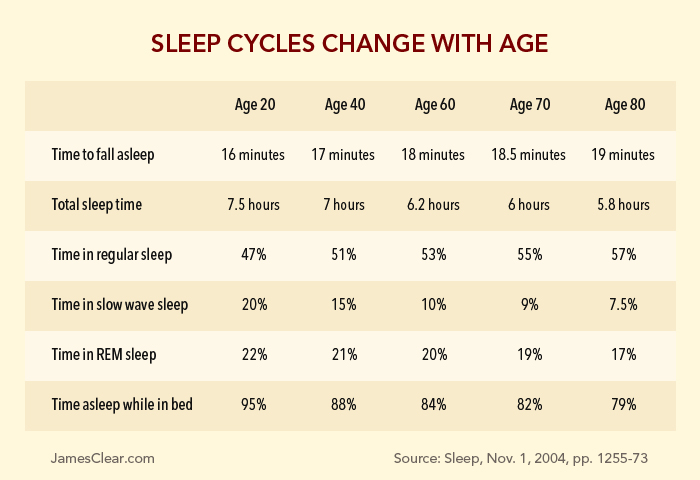
Sleep Requirements by Age Group
Sleep needs change with age. The CDC has specific recommendations to help you understand:
| Age Group | Recommended Hours | Notes |
|---|---|---|
| Newborns (0-3 months) | 14-17 hours | Sleep is fragmented throughout the day and night |
| Infants (4-12 months) | 12-16 hours | Includes naps and nighttime sleep |
| Toddlers (1-2 years) | 11-14 hours | Includes one to two naps daily |
| Preschool (3-5 years) | 10-13 hours | One nap period is usually recommended |
| School Age (6-12 years) | 9-12 hours | A consistent bedtime helps learning |
| Teens (13-17 years) | 8-10 hours | Biological sleep shift occurs during puberty |
| Adults (18-60 years) | 7 or more hours | Seven hours is the minimum recommended |
| Adults (61-64 years) | 7-9 hours | Quality matters as much as quantity |
| Seniors (65+ years) | 7-8 hours | Sleep patterns naturally change with age |
These are general guidelines. Your body’s needs can vary. Factors like exercise, stress, and health conditions play a role.
Signs You’re Not Getting Enough Sleep
Knowing the signs of sleep deprivation helps you adjust. Your body sends clear signals when it needs more rest:
- Trouble falling asleep at night
- Waking multiple times during sleep
- Feeling exhausted even after a full night in bed
- Daytime drowsiness affecting your work or school
- Difficulty concentrating on tasks
- Mood swings or increased irritability
- Getting sick more frequently
- Slower reaction time and poor decision-making
Listen to these warning signs. Your body needs restorative sleep to function well. Meeting your sleep needs supports your overall wellness and longevity.
Tips for Getting Better Sleep Every Night
Getting quality sleep is a challenge, but you can start making changes tonight. The CDC says good sleep habits boost your health and happiness. These tips will help you sleep better and wake up feeling refreshed.
One key step is to stick to a consistent sleep schedule. Sleeping and waking at the same time every day helps your body get into a rhythm. This makes it easier to fall asleep over time.
Your bedroom’s setup is crucial for sleep. Keep it cool, around 60 to 67 degrees Fahrenheit. Use blackout curtains or a white noise machine to block out light and noise. Your mattress and pillows should support your body well.
What you eat and drink before bed matters a lot. Avoid caffeine, nicotine, and alcohol because they can disrupt your sleep. Also, eat big meals 2 to 3 hours before bedtime.
Exercise during the day can help you relax and get tired naturally. Do intense workouts 3 to 4 hours before bed. Afternoon exercise helps you sleep more deeply and for longer.
Electronics can mess with your sleep. Try to avoid screens for at least 30 minutes before bed. The blue light from phones and computers can lower your melatonin levels.
Napping can be helpful, but do it wisely. Keep naps short, 20 to 30 minutes, and avoid them late in the day. Long naps can hurt your nighttime sleep.
| Sleep Strategy | Benefits | Best Timing |
|---|---|---|
| Consistent Sleep Schedule | Regulates circadian rhythm, and makes sleep onset easier | Every single day |
| Cool Bedroom (60-67°F) | Promotes deeper sleep, faster sleep onset | Always maintain |
| Exercise During the Day | Reduces stress, improves sleep quality | 3-4 hours before bed |
| Avoid Caffeine | Prevents sleep disruption | After 2 PM |
| No Screens | Maintains melatonin levels | 30 minutes before bed |
| Short Naps | Boosts energy without affecting nighttime sleep | Early afternoon only |
Improving your sleep takes time, but it’s worth it. Begin with one or two changes this week. You’ll soon notice better energy, mood, and health.
Conclusion
Sleep is not a luxury. It’s essential for your health, like eating right and staying active. Dr. Andrew McHill from OHSU says aim for seven to nine hours of sleep each night. Good sleep boosts energy, sharpens the mind, and guards against serious diseases.
Your sleep habits are important at any age. Building strong sleep routines now benefits you for years to come. Think of sleep as an investment in your future health. The choices you make tonight affect how you feel tomorrow and your health in the future.
If you often struggle with sleep, talk to your doctor. The CDC suggests seeing a healthcare provider if you have sleep disorders like insomnia or sleep apnea. These conditions can be treated, and getting help can greatly improve your health. By prioritizing sleep, you take charge of your well-being. Every night of quality sleep brings you closer to a longer, healthier, and more vibrant life.





Leave a comment