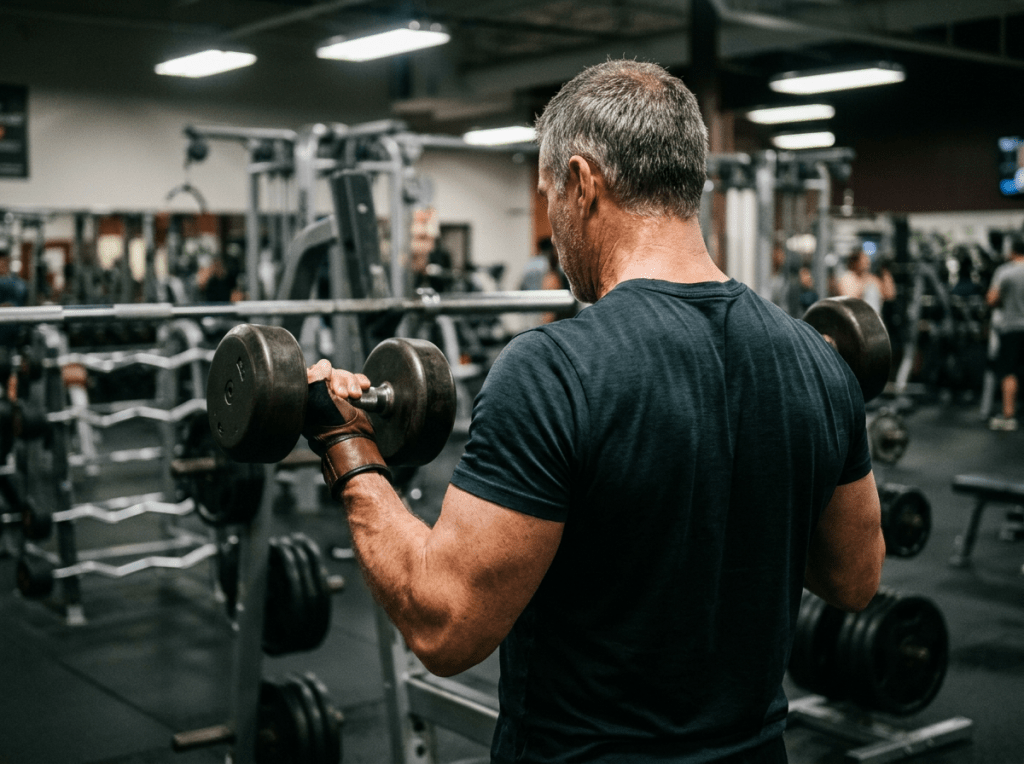


Men hitting 50 face a surprising reality. Studies reveal they lose 3 to 5 percent of muscle mass each decade after 30. By 50, this loss speeds up. Many men see this as a natural part of the aging process. But the truth is different.
Your fifties are a key moment. The choices you make now affect your health for years. You don’t have to accept physical decline. Making smart choices can reverse damage and lead to healthier years.
This guide lists 13 things men should stop doing after 50. These changes are big, not small. They can prevent serious diseases, keep you independent, and boost your quality of life. The good news is your body still responds to good choices. You still have time to make a big difference.

The choices you make in your fifties are crucial. Your body needs different care than it did at 30 or 40. Knowing what to stop doing is as vital as knowing what to start. Let’s look at the habits holding you back and how to live your best life.
Key Takeaways
- Men lose significant muscle mass after 50, but this decline can be slowed or reversed with proper habits.
- The 13 things men should quit doing after 50 focus on preventing chronic disease and maintaining independence
- Your fifties are not a time to assume physical decline is inevitable and unchangeable.
- Strategic lifestyle changes in this decade determine your health trajectory for decades to come.
- Your body still responds well to positive changes, even after 50
- Stopping harmful habits is as critical as starting healthy ones
- Small daily choices compound into major health improvements over time
Why Your Fifties Demand a Different Approach to Health
Your body changes a lot by the time you’re fifty. What kept you healthy in your twenties and thirties won’t work the same anymore. Your metabolism slows down, hormones change, and muscles need special care.
This isn’t about giving up. It’s about knowing what’s happening and adapting. This way, you can stay healthy and strong.
Knowing what’s happening in your body gives you power. You can make better choices about exercise, food, and daily habits. Your fifties are a time when making smart health choices really matters.
Understanding Sarcopenia and Muscle Loss After 40
Starting at about 40, men begin losing muscle at a rate of 1% per year. This loss gets worse in your 50s. This condition, called sarcopenia, affects your strength, balance, metabolism, and independence.
Sarcopenia isn’t just about looking different. It affects your ability to:
- Climb stairs without getting tired
- Stay balanced and avoid falls
- Carry groceries and do daily tasks
- Get better quickly from illness or injury
- Stay independent as you get older
Muscle loss happens even if your weight doesn’t change. Your body gains fat and loses muscle. This makes it harder to do things and means you burn fewer calories at rest.

The Metabolic Shift That Changes Everything
Your metabolism changes a lot by your fifties. Your testosterone levels drop, and your body gets less responsive to insulin. These changes make it easier to gain weight and harder to lose it.
Key changes in your metabolism include:
| Metabolic Factor | What Happens | Your Body’s Response |
|---|---|---|
| Insulin Sensitivity | Decreases significantly | Blood sugar control becomes more difficult; diabetes risk increases |
| Testosterone Levels | Drops about one percent yearly | Muscle maintenance becomes harder; fat storage increases |
| Resting Metabolic Rate | Slows with muscle loss | You burn fewer calories doing nothing; weight management gets tougher |
| Inflammation Markers | Increase throughout the body | Joint pain, cardiovascular stress, and recovery time lengthen |
| Recovery Capacity | Diminishes after stress or exercise | Harder to bounce back; sleep becomes more important |
These changes are big. They increase your risk of heart disease and diabetes. They also make it harder to handle stress and recover from exercise.
Understanding this means you need to take action in your fifties. Old habits won’t protect you like they used to. You need to focus on strength training, eating right, managing stress, and getting enough sleep. This decade is all about prevention.
Skipping Strength Training and Relying Only on Cardio
Many men over 50 think running, cycling, or walking on a treadmill is enough. But skipping strength training and only doing cardio is not wise at this age. Your body loses muscle at 3-5% per decade after age 30, and the rate accelerates after 50. Cardio alone can’t stop this loss.
Cardio keeps your heart healthy. But, resistance training does something cardio can’t: it keeps and builds muscle. Without muscle, your metabolism slows, bones weaken, and simple tasks get harder.

- Increases bone density and reduces osteoporosis risk
- Improves insulin sensitivity and blood sugar control
- Enhances balance and prevents dangerous falls
- Strengthens joints and reduces arthritis pain
- Boosts your resting metabolic rate
- Sharpens memory and cognitive function
You might worry about getting hurt or feeling awkward at the gym. These fears are real but can be handled. Start with lighter weights and focus on proper form to stay safe. Many gyms have classes for older adults, and trainers can adjust exercises for you.
Your best plan is to mix both types of exercise. Aim for 2-3 strength training days a week, along with your cardio. Building and keeping muscle is a strong anti-aging tool. Skipping strength training means missing out on better health, independence, and a longer life.
Lifestyle Habits That Accelerate Physical Decline
Your choices in your fifties affect how fast your body ages. Smoking, drinking too much, and being sedentary are big problems. They lead to muscle loss, weaker bones, and more inflammation. Knowing why these habits are bad after fifty helps you stay healthy.
The Truth About Smoking and Alcohol Tolerance After 50
Smoking harms your body at any age, but more so after fifty. Your lungs can’t fix damage from smoke as well. Your heart and brain age faster. Smoking also speeds up aging in your skin, bones, and organs.
Drinking more than you can handle gets riskier with age. Your liver works less well, making alcohol more dangerous. Your body holds less water, so alcohol hits your bloodstream harder. What seemed okay at thirty now overloads you.

Alcohol messes with your sleep and boosts inflammation. It can make you gain weight and increase cancer risk. At this age, your body needs gentler care, not old habits.
How Sedentary Living Compounds Age-Related Changes
Sitting too much is bad for men over fifty. It makes muscles and bones weaker. Your metabolism slows down. Inflammation and heart problems get worse.
- Prolonged sitting reduces bone density and increases fracture risk
- Lack of movement speeds up muscle loss and strength decline
- Sedentary patterns impair blood circulation and heart health
- Inactivity worsens mood and increases the risk of depression
- Sitting slows digestion and contributes to weight gain
Seeing movement as medicine is key. Stand up every thirty minutes. Walk while on phone calls. Climb stairs when you can. Daily movement is better than big workouts. Small steps throughout the day keep your muscles, bones, and mind healthy.
Ignoring Preventive Care and Annual Health Screenings
Many men over 50 avoid the doctor, thinking “nothing feels wrong.” This approach misses the point of preventive medicine. Conditions like high blood pressure and diabetes often have no symptoms until it’s too late.
Annual physicals and screenings are key to catching diseases early. Early detection can greatly improve treatment outcomes. Your body sends silent signals that only medical tests can reveal.

As you get older, screenings become more important. Regular blood pressure checks can prevent heart damage. Cholesterol tests show your heart risk years ahead. Diabetes tests can catch the disease early, when lifestyle changes can help.
Critical screenings for men over 50 include:
- Blood pressure monitoring at every visit
- Cholesterol panels and lipid testing
- Diabetes screening tests
- Colon cancer screening via colonoscopy
- Prostate cancer screening discussions with your physician
- Skin cancer checks during physical exams
- Cardiovascular risk assessments
| Health Condition | Warning Without Screening | Early Detection Benefit |
|---|---|---|
| High Blood Pressure | Silent until a heart attack or stroke | Years to prevent organ damage |
| High Cholesterol | No symptoms until artery blockage | Time to reduce cardiovascular risk |
| Type 2 Diabetes | Discovered after complications develop | Opportunity for lifestyle intervention |
| Colon Cancer | Advanced stage at diagnosis | Removal of precancerous polyps |
| Prostate Cancer | Spread before symptoms appear | Treatment at an early, localized stage |
Cultural messages about masculinity often teach men to be self-reliant and tough. This can make seeking medical care seem weak. Real strength is in taking control of your health through knowledge and action. View medical appointments as a way to stay independent and vital in your later years.
Many men fear bad news and avoid doctors’ appointments. But knowing your health status empowers you. It lets you make informed decisions and act before problems become serious. Avoiding the doctor is like ignoring your car’s dashboard warning lights.
Make an appointment for your annual physical today. Talk to your healthcare provider about screenings based on your risk factors. Your future self will thank you for prioritizing preventive care now.
13 Things Men Should Quit Doing After 50
After turning 50, your body changes a lot. What you eat and how you feel mentally are key. These choices affect your energy, strength, and how long you live.
Eating Processed and Inflammatory Foods
Eating processed foods that cause inflammation accelerates aging and disease. Your metabolism slows down after 50. Your body can’t handle bad food like it used to.
Processed foods with sugars, unhealthy fats, and additives cause inflammation. This can lead to heart disease, diabetes, joint pain, and brain problems. Your digestion worsens, you lose energy, and your waistline widens.

- Choose whole grains over refined carbohydrates
- Eat fatty fish like salmon and sardines twice weekly
- Add colorful vegetables to every meal
- Include nuts, seeds, and legumes for protein and fiber
- Limit red meat and processed meats
- Reduce added sugars and artificial ingredients
Focus on protein for muscles, fiber for digestion, and nutrient-rich foods over empty calories.
Dismissing Mental Health and Emotional Well-Being
Ignoring mental health is bad for your overall health. Many men think emotional struggles are weak or not important. This is very harmful.
Not dealing with mental health issues can lead to stress. Stress increases inflammation and blood pressure and weakens your immune system. It makes you physically decline faster. Bad emotional health leads to poor choices in food, exercise, and social life.
Your mental and physical health are connected:
- Stress harms heart health and inflammation
- Depression messes with sleep and appetite
- Anxiety makes it hard to make good choices
- Being alone speeds up brain decline
Getting help from therapy, counseling, or friends shows strength. Dealing with tough emotions builds mental toughness. Taking care of your mental health protects your physical health and improves your life.
The Hidden Cost of Unmanaged Stress and Poor Sleep
As you get older, your body changes a lot. One big problem is ignoring stress. If you let stress build up, your body stays on high alert all the time.
This constant alertness can seriously harm your health. It can weaken your immune system and slow your mind. Your choices and relationships might suffer, making life less enjoyable.

- Practice mindfulness or meditation daily
- Exercise regularly to burn off stress hormones
- Spend time in nature to calm your nervous system
- Use breathwork techniques before bed
- Set clear boundaries with work and people
Not getting enough sleep is also bad. Many men think they need less sleep as they get older. But your sleep needs stay the same, and sleep quality often declines with age.
Not sleeping well makes stress worse. Stress keeps you awake, and not sleeping makes you more stressed. Here’s how to break this cycle:
- Keep a consistent sleep schedule, even on weekends
- Create a dark, cool bedroom environment
- Stop using screens one hour before bed
- Limit caffeine after 2 p.m. and alcohol at night
- Address sleep apnea with a doctor if you snore heavily
Controlling your nervous system is crucial for staying healthy and feeling good. After 50, managing stress and getting quality sleep is not just a good idea—it’s a must.
Why Social Connection and Purpose Matter More Than Ever
After 50, your health is more than just about diet and exercise. Research shows that avoiding social connections is very dangerous. Harvard Medical School found that being alone is as risky as smoking 15 cigarettes a day.
Loneliness can lead to heart disease, stroke, and brain decline. Your social life affects how long you live and how well you live. It’s crucial for your health and happiness.
Many men see their social circles shrink in their fifties. Career changes, children moving out, and losing friends can lead to isolation. Feeling like you must do everything alone is harmful.

Your brain needs meaningful talks. Being alone can cause depression, anxiety, and brain decline. Men with strong relationships have better health and live longer.
Purpose is just as important. Without direction after retirement or career changes, health quickly worsens.
Breaking the Isolation Cycle
Building brotherhood takes effort. You can’t just wait for it to happen. Start by joining groups that match your interests.
| Connection Strategy | Benefits | Time Commitment |
|---|---|---|
| Fitness or sports groups | Exercise plus social interaction | 2-3 times weekly |
| Volunteer work | Purpose and community impact | 4-8 hours monthly |
| Men’s circles or groups | Deep conversations and accountability | 1-2 times monthly |
| Hobby clubs or classes | Learning while connecting | Weekly sessions |
| Regular family contact | Strengthened relationships | Twice weekly minimum |
Practical steps can fight loneliness. Plan social activities like you would appointments. Call friends instead of waiting for them to call you.
Go to local events often. Join a gym or running club. Volunteer for causes you care about. Mentoring younger men gives you purpose and connection.
- Identify your interests and find groups centered on them
- Commit to showing up consistently at social events
- Be honest about loneliness rather than hiding it
- Initiate contact with friends and family members
- Join faith communities if spirituality matters to you
- Find a mentor or become one for someone younger
Purpose fuels longevity. Men with clear goals are happier and healthier. Whether through work, hobbies, mentoring, or service, staying purposeful prevents decline after retirement. Your fifties need active engagement and meaningful pursuits for long-term health and happiness.
Rejecting the Myth That Physical Decline Is Inevitable
Many men over 50 think they can’t fight physical decline. This belief stops them from taking action. But your body reacts to today’s choices, not tomorrow’s.
Your mindset shapes your reality. Believing decline is inevitable makes you give up. You stop going to the gym and avoid going to the doctor. You accept weight gain and weakness as normal aging.

Small daily choices lead to big changes. Here are some proven results:
- Building and maintaining muscle after 50 is completely achievable
- Reversing metabolic problems through proper nutrition
- Improving heart health and cardiovascular strength
- Sharpening mental focus and cognitive function
- Increasing bone density to prevent fractures
Eating patterns are key to your metabolism after 50. Skipping breakfast or eating late at night messes with your body’s rhythms. Eating a balanced breakfast boosts your metabolism. Finishing meals early helps your body digest before sleep.
The idea of compression of morbidity shows that staying healthy now means less illness later. Your fifties are a crucial time. What you do today affects your future health.
Change is possible when you stop making excuses and start making different choices. Your body wants to respond. Stop waiting for someday to arrive. That day is today.
Conclusion
The 13 things men should quit doing after 50 are not just rules. They are based on solid medical evidence and real health outcomes. Your body tells you what works and what doesn’t. Ignoring strength training, preventive care, and stress levels can harm you over time.
But your fifties are a key time for change. You’re old enough to see the effects of not acting, yet young enough to make a difference. You can prevent or reverse many age-related conditions.
Biological aging is natural, but many age-related issues come from lifestyle choices. The 13 things men should quit doing after 50 target these choices. You have decades left, and your family and dreams need you healthy.
See these changes as investments in your future, not sacrifices. Quitting bad habits makes room for better ones. This brings real vitality into your life.
Changing everything at once is too much. Start with one or two big changes, like strength training and health screenings. Build up at your own pace.
Even small improvements in exercise, nutrition, and health care add up. Starting at 50, 55, or 60 can lead to big benefits in strength, energy, and disease prevention.
Your fifties can be your healthiest decade yet. You have wisdom, resources, and motivation. Understand why these changes matter and take action. Quit bad habits and adopt good ones. Your future self will thank you every day.





Leave a Reply