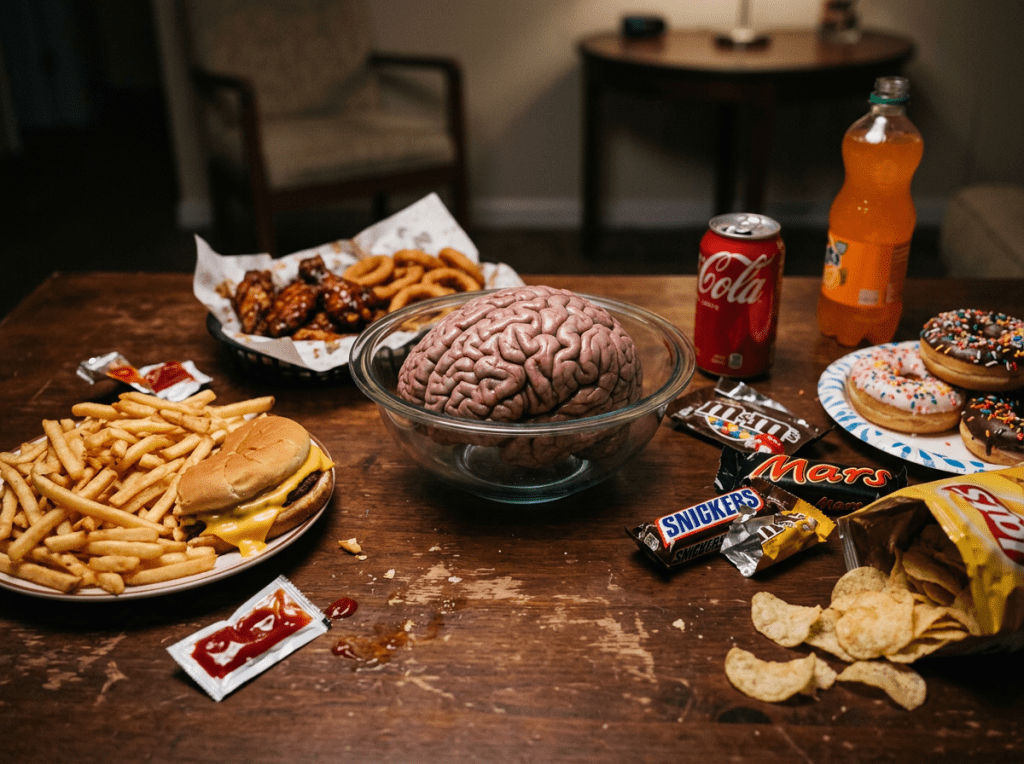


Your brain uses 20% of all the oxygen and nutrients in your blood. This is despite making up only 2% of your body weight. This shows how hard your brain works every day to keep you thinking, remembering, and feeling your best.
Inside your skull are over 100 billion neurons. These brain cells send messages constantly. They handle everything you do, from walking to solving math problems to feeling emotions.
Keeping your brain healthy isn’t just about doing crossword puzzles or remembering where you left your keys. It starts with what you eat. Your daily food choices affect how well your brain works today and in the future.
The truth is simple but powerful: a few common foods can quietly harm your mental sharpness. You might eat them every day without realizing the damage they do to your thinking, memory, and focus.
This guide will show you 7 foods to avoid for a healthy brain. You’ll learn why each one is risky for your mind. You’ll also find better choices you can make right now.

Key Takeaways
- Your brain demands 20% of your body’s oxygen and nutrients in spite of being only 2% of your weight
- Over 100 billion neurons in your brain control every thought, memory, and feeling you have
- Daily food choices shape your brain’s ability to think, remember, and focus both now and in the future
- Common everyday foods can silently harm your mental sharpness over time without you knowing it
- Small dietary changes can protect your brain and improve your cognitive health
- Understanding which foods to avoid is the first step toward long-term brain protection
Why What You Eat Matters More Than Crossword Puzzles for Brain Health
Many think puzzles and games are key to a sharp mind. But the truth is, what you eat has a bigger impact. Your brain thrives on quality nutrition, not just mental exercises. The link between diet and brain health is strong and backed by science.
Your brain has thousands of blood vessels. These vessels carry oxygen and nutrients. Damage to your heart harms these vessels and your brain, too. So, eating for your heart is also good for your brain.

The Connection Between Your Plate and Your Mental Sharpness
Your mental sharpness is tied to your diet. Foods high in sugars and unhealthy fats cause brain inflammation. This swelling damages your brain’s structures, affecting thinking and memory.
The foods you choose impact your brain in several ways:
- Blood sugar spikes damage the hippocampus, which stores your memory
- Trans fats reduce gray matter volume in your brain
- Artificial additives trigger inflammation that harms brain cells
- Nutrient deficiencies prevent your brain from making chemicals needed for thinking
How Diet Affects Brain Function and Memory
Research shows diet plays a big role in preventing dementia and keeping memory sharp. Some foods protect brain cells, while others speed up decline. Your brain works best when it gets the right nutrients.
The science is clear: eating well is more important for brain health than puzzles. Your food choices build the foundation for your brain’s health over decades. Make choices that support your mental sharpness today.
Processed Meats and Their Impact on Cognitive Function
Your brain needs oxygen and nutrients to function well. Eating processed meats like bacon and sausage can harm your brain. These foods contain a lot of saturated fat, which can damage blood vessels.
Processed meats are not just meat. They also have preservatives and additives that cause inflammation. This inflammation affects your brain, making it harder for brain cells to communicate.

Studies show that eating a lot of processed foods can hurt your brain. People who eat more of these foods have trouble with memory and thinking.
Why Saturated Fat Harms Your Brain
Saturated fat in processed meats can lead to heart attacks and strokes. Since your brain needs healthy blood vessels, saturated fat can harm it. It blocks the flow of oxygen to brain cells.
The MIND Diet was made to protect your brain. It limits red meat and focuses on foods that keep your memory sharp.
Better Protein Choices for Brain Protection
You don’t need processed meats for protein. Here are better options for your brain:
- Salmon and other fatty fish are rich in omega-3 fatty acids
- Chicken and turkey are prepared without frying
- Beans and legumes
- Nuts and seeds
These foods support your brain without the risks of processed meats.
Sugary Drinks That Silently Sabotage Your Brain
Your daily drink choices have a big impact. Drinking sodas, sweet teas, and energy drinks harms your brain. These drinks can damage your brain’s most important parts.
Research from 2023 shows a big link between sugar and brain health. Those who ate the most sugar were twice as likely to get dementia. This should worry anyone who often drinks sugary beverages.

How High-Fructose Corn Syrup Affects the Hippocampus
High-fructose corn syrup is in many drinks, like sodas and energy drinks. It has 55% fructose and 45% glucose, different from regular sugar.
The hippocampus is key to learning and memory. Drinking high-fructose corn syrup harms it. Studies show it causes brain inflammation and weakens new connections. It can even shrink your hippocampus over time.
- High-fructose corn syrup triggers inflammation in brain cells
- Excessive fructose weakens neural connection formation
- Prolonged consumption can shrink the hippocampus
- Brain damage occurs even with moderate regular intake
The Link Between Soda Consumption and Dementia Risk
Drinking too much soda can hurt your memory. People who drink a lot of sugary drinks have more memory problems. The link between soda and dementia risk is strong.
Drinking sugary drinks causes blood sugar spikes. This stresses your brain’s energy systems. It also leads to insulin resistance, which harms brain cells.
| Beverage Type | Sugar Content Per 12 oz | Brain Impact |
|---|---|---|
| Regular Cola | 39g | Severe hippocampus damage risk |
| Sweet Tea | 36g | Significant memory decline |
| Energy Drinks | 54g | Extreme dementia risk elevation |
| Orange Juice | 26g | Moderate cognitive stress |
| Sports Drinks | 21g | Measurable memory impact |
Drinking sugary drinks increases your dementia risk. The more you drink, the higher your risk of serious brain problems. Making smart drink choices can prevent this.
Protect your memory and hippocampus by choosing water, unsweetened tea, or sparkling water instead of sugary drinks.
Fried Foods and Brain Inflammation
Eating fried foods often can harm your brain. Studies show that those who eat a lot of fried foods do worse on thinking and memory tests. Fried foods cause brain inflammation, which damages blood vessels. These vessels are key to bringing oxygen and nutrients to your brain.

Fried foods are made by cooking in oil at high temperatures. This process creates harmful compounds. Your body sees these as threats, leading to inflammation in your brain.
Your blood vessels are also at risk from fried foods. They carry oxygenated blood and glucose to your brain cells. When these vessels are damaged, your brain doesn’t get the nutrients it needs. This can lead to cognitive decline over time.
Common fried foods that harm your brain include:
- French fries and potato chips
- Fried chicken and breaded meats
- Donuts and fried pastries
- Fried fish and seafood
- Fried vegetables in batter
The harmful compounds in fried foods also weaken your blood-brain barrier. This barrier keeps harmful substances out of your brain. When it’s damaged, toxins can enter your brain, causing further damage and accelerating cognitive decline.
Reducing fried foods in your diet helps protect your brain’s blood vessels. It also prevents inflammation that can lead to memory loss and reduced thinking ability.
Highly Processed Baked Goods and Executive Function Decline
Choosing a packaged pastry or commercial cookie can harm your brain. These foods have ingredients that hurt your thinking and memory. Knowing how they affect your brain can help you choose better foods.
Your brain needs stable energy to function well. But processed baked goods don’t provide that. They contain harmful ingredients that damage brain cells and disrupt communication.
Understanding Trans Fats and Their Effect on Memory
Trans fats are found in many baked items at the store. They are in shortening, margarine, frosting, and prepackaged cookies. Your body can’t use them well because they’re not natural.
Studies show that trans fats can hurt your memory and word recall. This is true for people under 45. The damage starts early, often before you realize it.

Even with FDA rules, some products still have trans fats. These fats cause brain inflammation and raise bad cholesterol levels.
How Refined Carbohydrates Spike Blood Sugar and Harm the Brain
Refined carbs are key in processed baked goods. White flour, added sugars, and processed grains cause blood sugar spikes. This harms your brain.
These ingredients affect your brain in several ways:
- They cause blood sugar spikes and crashes, making you feel foggy
- They damage areas of the brain that handle memory and learning
- They disrupt decision-making and planning
- They cause inflammation in the brain
- They disrupt the connection between the gut and brain
Examples include pastries, cookies, white bread, bagels, and many cereals. Eating them often can lead to anxiety and depression by affecting neurotransmitters.
Switch to whole-grain foods like whole wheat bread, brown rice, and oatmeal. These choices help protect your memory and keep your blood sugar stable.
Artificially Sweetened Foods and Neurotransmitter Disruption
When you grab diet sodas and sugar-free snacks, you think you’re helping your brain. But, artificially sweetened foods might actually harm your mental health. Aspartame, found in many “zero sugar” products, breaks down into harmful compounds in your body.
These compounds can reach your brain, posing serious risks to your thinking. The FDA says it’s okay to consume 18-23 mg of aspartame per pound of body weight daily. For a 150-pound person, that’s about 3,400 mg. A single packet of sweetener has 40 mg, and a diet soda can has 125 mg.

Studies show a link between diet soda and brain health problems. Drinking one diet soda a day can triple your risk of stroke or dementia. This is due to aspartame’s impact on brain chemistry.
Artificial sweeteners mess with your neurotransmitters. These chemicals control your mood, memory, and learning. When phenylalanine reaches your brain, it messes with dopamine, serotonin, and norepinephrine. This can cause:
- Learning difficulties and memory problems
- Increased anxiety and stress levels
- Depression and mood changes
- Irritability and emotional instability
Aspartame also affects your gut-brain axis. This connection makes your brain more vulnerable to damage. It leads to inflammation and problems with thinking.
| Artificially Sweetened Product | Aspartame Content (mg) | Daily Limit Impact |
|---|---|---|
| Single sweetener packet | 40 | Represents 1.2% of the safe daily limit |
| 12-ounce diet soda | 125 | Represents 3.7% of the safe daily limit |
| Sugar-free yogurt cup | 60 | Represents 1.8% of the safe daily limit |
| Three diet sodas daily | 375 | Represents 11% of the safe daily limit |
While the FDA says aspartame is safe in small amounts, long-term use is a concern. Your brain works best without artificial sweeteners. Switching to whole foods protects your neurotransmitters and keeps your mind sharp.
7 Foods to Avoid if You Want to Keep Your Brain Healthy
Your diet is key to keeping your brain healthy. What you eat affects your thinking, memory, and mood. Avoid fast food and ultra-processed foods, and be careful with high-mercury fish. Knowing these risks helps you make better choices for your brain.

Fast Food Meals and Ultra-Processed Products
Fast food and ultra-processed foods are common in our diets. They have too much sugar, unhealthy fats, salt, and preservatives. Examples include potato chips, candy, and frozen pizzas.
Eating too much of these foods harms your brain. More than 19.9% of your daily calories from these foods over eight years is bad. For a 2,000-calorie diet, that’s just 400 calories. A cola has 155 calories, and a small bag of chips has 149 calories. That’s almost 300 calories from just two items.
These foods are bad for your brain in many ways:
- They increase inflammation in your body
- They shrink the hippocampus, which controls memory
- They reduce gray matter in areas for thinking and emotions
- They weaken the blood-brain barrier, protecting your brain tissue
The Role of Mercury in Fish on Brain Health
Not all fish are good for your brain. Mercury in fish is a big threat. It builds up in long-lived fish like sharks and tunas.
Mercury harms your nervous system and brain cells. It’s even more dangerous for pregnant women. Mercury can harm a baby’s brain development and cause delays.
Instead, choose safer fish options. Salmon, sardines, and trout are good choices. They have omega-3s without the mercury risks. Eat eight ounces of these fish a week for your brain’s health.
How Excessive Alcohol Shrinks Your Brain Over Time
Drinking alcohol can harm your brain in ways you might not know. Enjoying a glass of wine with dinner might seem okay, but excessive alcohol use is a serious problem. Your brain uses neurotransmitters to talk to itself. Alcohol messes with these messengers and damages the paths they follow.
Drinking too much can cause memory loss or “blackouts.” These blackouts show alcohol is messing with your hippocampus, where new memories are made. It blocks the normal way your brain remembers things.

The long-term effects are scary. Chronic alcohol use causes brain atrophy, making your brain shrink. This damage affects areas that control thinking, planning, and emotions. Studies show heavy drinkers have smaller brains than those who drink less or not at all.
Understanding Brain Damage from Chronic Drinking
Excessive alcohol harms your brain in several ways:
- Kills brain cells directly through toxic effects
- Causes inflammation that damages brain tissue
- Prevents your brain from creating new neurons
- Disrupts the balance of neurotransmitters like dopamine and serotonin
- Reduces blood flow and oxygen delivery to brain regions
Moderate drinking means two drinks a day for men and one for women. Staying within these limits helps keep your brain healthy. If you stop drinking early, you might be able to reverse some brain damage.
Better Food Choices for Long-Term Brain Protection
Now you know which foods harm your brain. It’s time to learn what to eat instead. Choose whole foods that fight inflammation and support your mind. Making these changes is easy once you know what to buy at the store.
Your brain needs good fuel. Unlike bad foods, brain-healthy foods give your mind what it needs. You don’t need expensive supplements or hard meal plans. Simple swaps in your daily eating can improve how sharp and focused you feel.
Omega-3 Fatty Acids and Brain-Healthy Alternatives
Not all fats are bad for your brain. Omega-3 fatty acids are essential and must come from food. These fats reduce brain inflammation and protect blood vessels, helping keep oxygen flowing to your brain.
Studies show that eating foods rich in omega-3 fatty acids lowers the risk of heart attack and stroke. It also boosts your brain’s defense against cognitive decline.
Fatty fish is the best source of omega-3 fatty acids. It also provides high-quality protein and important nutrients such as vitamin B12, zinc, iron, and magnesium. These nutrients are key to a healthy brain. Safe fish choices include:
- Salmon
- Anchovies
- Sardines
- Trout
- Tilapia
- Shrimp
- Catfish
- Crab
- Flounder
The Mediterranean diet is great for brain protection. It focuses on whole foods, such as fresh fruits and vegetables. These foods provide fiber and antioxidants, which fight inflammation and protect brain cells.
Choose whole grains over refined carbohydrates. This keeps your blood sugar stable and prevents spikes that harm your brain. Swap white bread for whole-grain bread, white rice for brown rice, and regular pasta for whole wheat pasta.
Build your protein intake around lean poultry and beans. Beans offer protein, fiber, and brain-supportive nutrients without saturated fat. Choose low-fat dairy products for calcium and vitamin D without excess saturated fat.
Getting rid of sugary drinks is a smart move. Replace them with brain-friendly alternatives:
- Sparkling water (carbonation without sugar)
- Unsweetened tea (packed with beneficial antioxidants)
- Vegetable juice (vitamins and minerals)
- Unsweetened dairy products (protein without added sugar)
By replacing harmful foods with protective options, you support your mental sharpness. Your brain will thank you with better focus, clearer thinking, and stronger long-term protection against decline.
Conclusion
Your diet greatly impacts your brain health, affecting your memory, mood, and more. Foods like processed meats and sugary drinks harm your brain. They cause inflammation and damage blood vessels, making it hard for brain cells to communicate.
These foods don’t just harm one area of your brain. They affect your ability to learn and make decisions. They also increase your risk of dementia. But you can prevent cognitive decline by eating a healthy diet.
Switching to foods rich in omega-3s and antioxidants can protect your brain. This choice benefits your heart and overall health. It keeps your brain sharp and reduces inflammation.
If you’re worried about your brain health, talk to a healthcare professional. They can help you make better food choices. Remember, every meal you eat builds your brain’s future.





Leave a Reply