

Ever thought a simple exercise routine could change your life as you get older? This article presents a 3-move bodyweight routine designed specifically for seniors. It boosts your strength, balance, and flexibility. You can do these exercises safely at home with little gear.
Keeping your independence as you age is key. This routine focuses on safety and the right way to do things, even if you have health issues like osteoporosis or balance problems. Bodyweight exercises are easy to get into and fit all fitness levels, great for beginners. Adding this Simple 3-Move Bodyweight Routine Modified and Explained for Seniors to your daily routine is a big step towards being stronger and healthier.

Key Takeaways
- This routine is tailored for seniors to improve strength and stability.
- Bodyweight exercises require minimal equipment and space.
- Safety and proper form are emphasized throughout the routine.
- Exercises can be modified for those with specific health concerns.
- Regular practice can enhance your daily activities and independence.
Understanding the Importance of Strength Training for Seniors
Strength training is key for seniors. It keeps you healthy and independent as you get older. It boosts your quality of life by building muscle and bone density.
These areas naturally shrink with age. Keeping them strong helps prevent fractures and frailty.
How Strength Training Supports Bone Density and Muscle Mass
Strength training brings many health benefits. Here are some main advantages:
- It helps build muscle and keep it strong.
- It makes bones denser, reducing the risk of osteoporosis.
- It boosts overall strength, making daily tasks easier.
As you get stronger, you’ll find it easier to do things like climb stairs and carry groceries.
Benefits of Functional Strength for Daily Living
Functional strength is vital for everyday tasks. It lets you do things safely and well. The benefits include:
- It improves balance and coordination.
- It lowers the chance of falls and injuries.
- It boosts mobility and independence.
Strength training also boosts mental health. It can reduce depression symptoms and improve sleep. By doing strength training, you can age well and enjoy life more.
What is a Stationary Split Squat? Explanation and Modification for Seniors
A stationary split squat is a leg-strengthening exercise that also boosts balance. It’s great for seniors who struggle with stability. You can modify it to make it safe and effective.
To start, follow this easy guide for a safe stationary split squat:
Step-by-Step Guide to Performing a Safe Stationary Split Squat
- Stand tall with your feet hip-width apart.
- Step one foot back into a split stance. Keep your front knee over your ankle.
- Lower your body by bending both knees until your back knee nearly touches the ground.
- Push through your front heel to return to the starting position.
- Repeat for 8-12 repetitions on each leg.
Remember, reverse lunges get easier with chair support for balance. Holding onto a sturdy chair or wall adds stability. This makes you feel more secure as you build strength.
Chair Support and Range of Motion Adjustments to Improve Safety
If the stationary split squat is hard, try reducing your range of motion or doing stationary split squats. Here are some safety tips:
- Use a chair or wall for support.
- Start with a smaller range of motion to gain confidence.
- Focus on controlled movements to prevent falls.

By making these adjustments, you can strengthen your legs safely. With practice, you’ll see better balance and strength.
Exploring the Dead Bug Exercise: Core Strength with Minimal Hip Flexor Strain
The dead bug exercise is a great way to boost your core strength. It doesn’t put too much pressure on your hip flexors. As you get older, keeping your core stable is key for balance and daily tasks. This exercise helps you do that while keeping you comfortable and safe.
How Dead Bugs Enhance Core Stability for Seniors
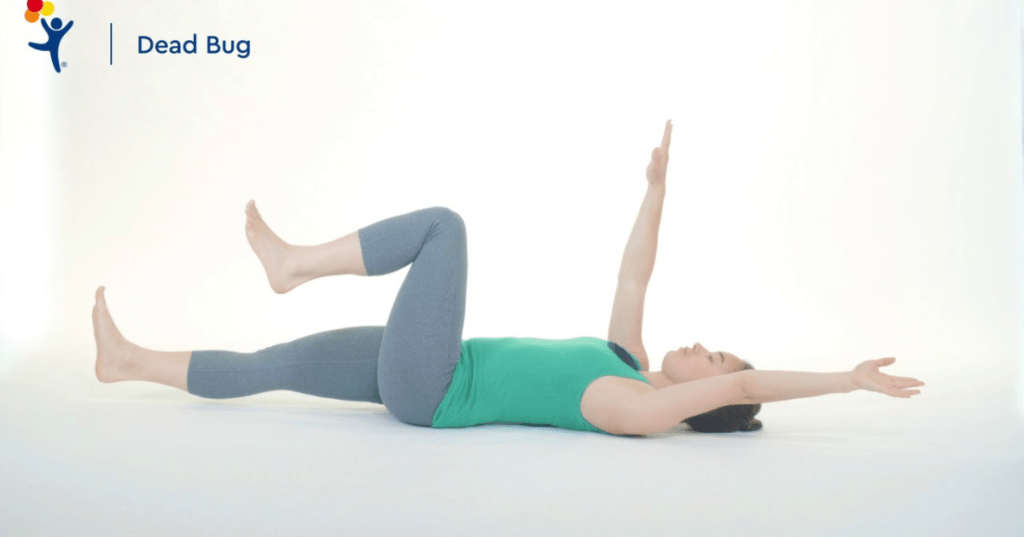
So, what is a dead bug? It’s an exercise where you lie on your back and move your arms and legs together. Think about how a bug looks when it’s lying on its back trying to get up. Here are some benefits:
- Strengthens core muscles
- Improves stability
- Supports daily activities
- Minimizes strain on hip flexors
Dead bugs are good for seniors because they strengthen the core without hurting the hip flexors. This makes them safe for building strength.
Modifications to Make Dead Bugs Comfortable and Safe
To make dead bugs comfortable, try these changes:
- Limit the range of motion to your arms or legs.
- Keep your hands on the floor for added support.
- Perform the exercise on a soft surface for extra comfort.
These tweaks let you enjoy the dead bug exercise without feeling uncomfortable.
| Modification | Description |
|---|---|
| Limited Range of Motion | Move only arms or legs to reduce difficulty. |
| Hand Support | Keep your hands on the floor for added stability. |
| Soft Surface | Use a mat or soft surface for comfort. |
Safe Crunch Techniques for Those with Osteoporosis of the Spine
If you have spinal osteoporosis, doing traditional sit-ups might not be safe. It’s important to find a safe way to crunch for those with this condition. Gentle crunches are a good option, as they help strengthen your abs without harming your spine.
By switching from sit-ups to crunches with less movement, you can work your core safely. Here are some tips to consider:
Transforming Sit-Ups into Gentle Crunches with Limited Movement
- Start by lying on your back with your knees bent and feet flat on the floor.
- Place your hands behind your head for support, but avoid pulling on your neck.
- Engage your abdominal muscles and lift your head and shoulders slightly off the ground.
- Hold this position for a few seconds, then lower back down gently.
- Repeat this motion 5-10 times, focusing on controlled movements.
The goal is to move your spine as little as possible while still working your core. It’s key to listen to your body and stop if you feel any pain.
| Exercise Type | Movement Level | Spinal Strain |
|---|---|---|
| Traditional Sit-Ups | High | Increased |
| Gentle Crunches | Low | Minimal |
These gentle methods help keep your abdominal muscles strong without risking your bone health. Always talk to a healthcare provider before starting any new exercise.

Simple 3-Move Bodyweight Routine Modified and Explained for Seniors
Strength training is key for seniors to stay independent and feel good. A simple 3-move bodyweight routine can help you get stronger safely. It includes squats, modified push-ups, and glute bridges. These exercises work on important muscles, boosting your strength.
Incorporating Squats, Modified Push-ups, and Glute Bridges
Here’s how to do each exercise right:
- Squats: Stand with feet shoulder-width apart. Lower your body as if sitting in a chair. Keep your back straight. Return to standing.
- Modified Push-ups: Start on your knees with hands slightly wider than shoulder-width. Lower your chest towards the floor, then push back up.
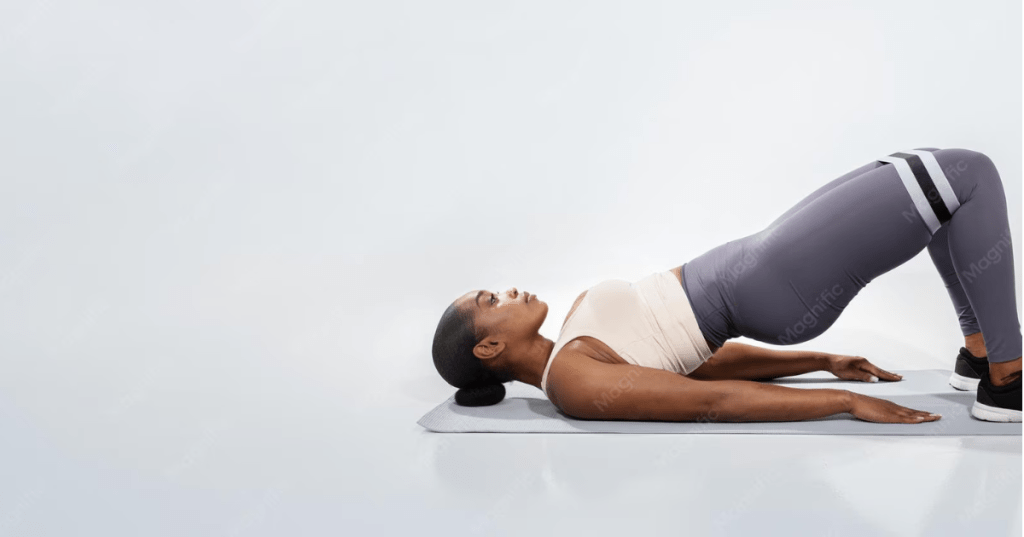
- Glute Bridges: Lie on your back with knees bent. Lift your hips towards the ceiling, squeezing your glutes. Lower back down.
Reps, Sets, and Frequency Suitable for Beginners
For beginners, here’s what to do:
| Exercise | Reps | Sets | Frequency |
|---|---|---|---|
| Squats | 8-12 | 2-3 | 2-3 times per week |
| Modified Push-ups | 8-12 | 2-3 | 2-3 times per week |
| Glute Bridges | 8-12 | 2-3 | 2-3 times per week |
By doing this simple 3-move bodyweight routine, you can get stronger and more stable. Always pay attention to your body and adjust as needed.
Balancing the Dangers and Advantages of Exercising with Osteoporosis
Exercising with osteoporosis has its ups and downs. Knowing how to balance these can help you stay active and protect your bones. You can build strength and improve bone density with safe exercises. It’s key to know the difference between normal aches and pains and those that mean you’ve hurt yourself.
This knowledge lets you exercise with confidence and lower the risk of injury.
Recognizing the Difference Between Aches and Injury-Related Pain
Listening to your body is key when you’re exercising. Here are some tips to tell aches from pain that means you’ve hurt yourself:
- Aches are usually mild and go away after rest.
- Pain that gets worse with activity might mean you’ve hurt yourself.
- If you feel sharp or intense pain, stop exercising right away.
Knowing these signs helps you stay in your comfort zone. This is important for safe exercise.
Staying Within Your Comfort Zone for Safe Exercise
Staying in your comfort zone means picking exercises that feel safe and easy. Here are some ways to do it:
- Start with low-impact exercises that don’t strain your body.
- Change movements if needed to lessen discomfort.
- Slowly increase intensity as you get stronger.
By following these tips, you can enjoy exercising with osteoporosis while avoiding dangers. It’s about improving your health without risking injury.

Using Chair Support to Enhance Balance and Reduce Fall Risk
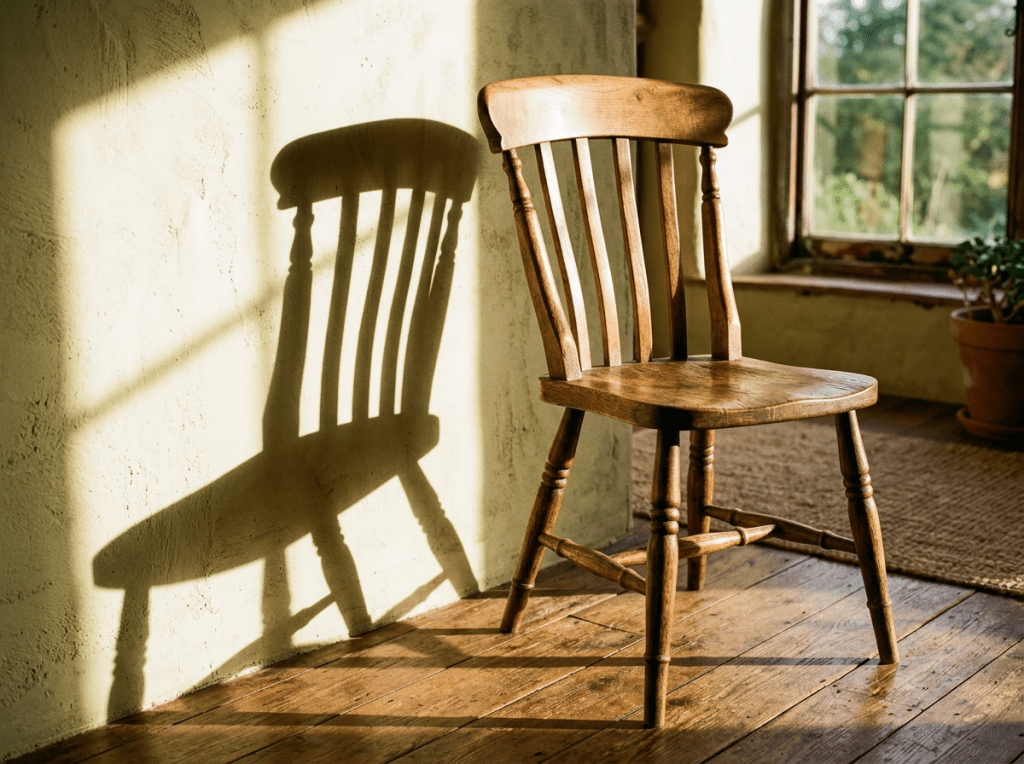
Balance is key to aging well. As we get older, staying stable is crucial for our safety and freedom. Using a chair for support during workouts can greatly improve your balance. This makes strength training safer and easier.
Chair support helps you exercise safely, reducing the chance of falls. A sturdy chair lets you do a variety of exercises with confidence. Here are some tips to add chair support to your workouts:
- Choose a stable chair with a solid base.
- Position the chair against a wall for added security.
- Use the chair to assist with balance during exercises like squats or modified push-ups.
- Gradually reduce reliance on the chair as your strength and confidence improve.
Chair support not only lowers fall risk but also boosts your confidence in daily tasks. You can practice simple movements while holding onto the chair. This lets you focus on your form without worrying about losing your balance. It encourages you to stay active and engaged, improving your overall well-being.

Adding chair support to your workouts can change your life. By focusing on balance, you improve your mobility and independence. This leads to a healthier, more active life.
Addressing Concerns: How Seniors in Their Mid-70s Can Safely Exercise
If you’re a senior in your mid-70s, you might wonder about safe exercise options. Learning about modified exercises can keep you active and safe. This part explains how to adjust movements to your age and ability.
Modification Descriptions Tailored for Your Age and Ability
Age can change how you do exercises. Here are some tips:
- Chair Support: Use a sturdy chair for balance during exercises like squats or push-ups.
- Range of Motion: Limit the range of motion to reduce joint strain.
- Slow Movements: Perform exercises slowly to maintain control and avoid injury.
- Shorter Sessions: Start with shorter exercise sessions and gradually increase duration.
Importance of Consultation with Healthcare Providers Before Starting
It’s key to talk to healthcare providers before starting any exercise. They can guide you on the best modifications. Here’s why:
- Assess your current health status and any chronic conditions.
- Receive personalized recommendations based on your medical history.
- Ensure that your exercise routine aligns with your health goals.

Remember, you’re not alone. Getting advice will make you feel more confident and safe while exercising.
Conclusion
This article has given you great tips on a simple 3-move bodyweight routine for seniors. It’s all about safety and getting results. This routine helps improve strength, balance, and bone health.
With the right changes, you can safely enjoy the benefits of this routine. It’s designed to help you stay strong and independent.
Regular strength training is key to keeping your independence and improving your quality of life. Listen to your body and adjust as needed. Getting advice from healthcare professionals can also help.
Begin adding these exercises to your routine today. Start your journey to a stronger, healthier you. It’s time to see the positive changes in your life.
Exercise is a very individual and personal thing. Something that is great for me, won’t work at all for someone else. Kind of like religion.
Essentially, if you don’t like it you won’t stay with it. You shouldn’t do it impress someone else. You have to do it for yourself.






Leave a Reply