


Ever wondered what the best exercise is for lowering blood pressure? Recent studies show that traditional aerobic activities might not be the top choice. Instead, isometric exercises like wall sits and planks are now seen as the most effective. This could change how you work out.
Lowering blood pressure is key to your health. High blood pressure can lead to serious health issues. This article will explore various exercises, their benefits, and how to incorporate them into your daily routine.

Key Takeaways
- Isometric exercises may be more effective than aerobic exercises for lowering blood pressure.
- Regular exercise is vital for maintaining overall health and managing blood pressure.
- Understanding the health risks associated with high blood pressure is essential.
- Incorporating a mix of exercises can provide comprehensive health benefits.
- Consulting with a healthcare provider before starting any new exercise routine is important.
Understanding the Importance of Lowering Blood Pressure Through Exercise
Keeping your blood pressure in check is key to your health. High blood pressure can cause heart attacks, strokes, and kidney disease. Exercise is vital in managing blood pressure. It reduces inflammation, improves blood flow, and boosts heart health.
Starting with gentle exercises for longer periods is better for beginners. It makes fitness easier and more lasting. Here are some dangers of high blood pressure:
- Heart attacks
- Strokes
- Heart failure
- Kidney disease
The Health Risks of Chronic High Blood Pressure
Knowing these risks shows why maintaining healthy blood pressure is crucial. Regular exercise is a strong ally in this fight.
How Regular Exercise Contributes to Blood Pressure Control
Regular exercise is a powerful tool for managing blood pressure. Here’s how it helps:
- Improves vascular health
- Reduces bodily stress
- Enhances heart efficiency
Adding regular exercise to your life can lower your risk of high blood pressure. Starting with gentle workouts is a great way to begin a healthier lifestyle.
What is the most effective exercise for lowering blood pressure?
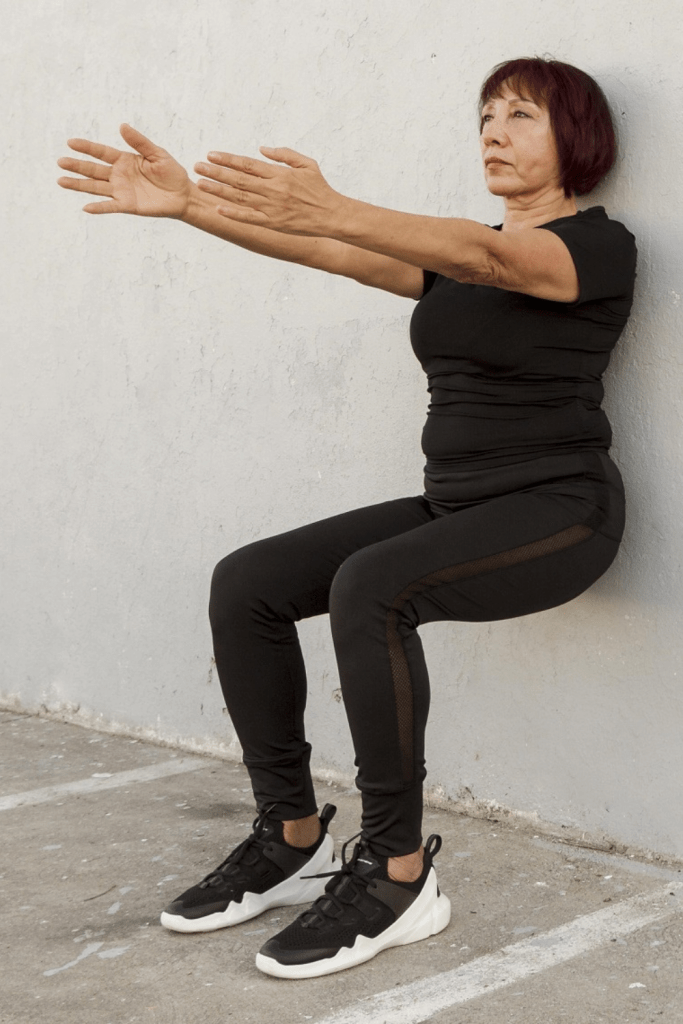
Isometric exercise training is a top choice for lowering blood pressure. It involves muscle contractions without moving your joints. Wall squats and planks are great examples of static isometric exercises you can add to your routine.
The Role of Isometric Exercise Training
Isometric exercises are special because they work your muscles hard while keeping your joints still. This is good for people with joint problems or who like low-impact workouts. Some main benefits of isometric exercise training are:
- Minimal equipment needed
- Can be performed anywhere
- Low impact on joints
- Effective in lowering blood pressure

Scientific Evidence Supporting Isometric Exercises
Studies involving over 15,000 participants show that isometric exercises, such as wall squats and planks, are more effective than aerobic workouts at lowering blood pressure. These results show how important it is to include static isometric exercises in your workout routine.
When doing these exercises, you might see a brief increase in blood pressure due to muscle contraction. If you have uncontrolled high blood pressure, talk to your doctor before starting any new exercise program.
Comparing Endurance Exercises: Running, Biking, Swimming, and More
Endurance exercises are key to managing blood pressure. Running is a simple yet effective choice. It works big muscles and boosts your heart rate. Plus, you can run almost anywhere, making it easy for everyone.
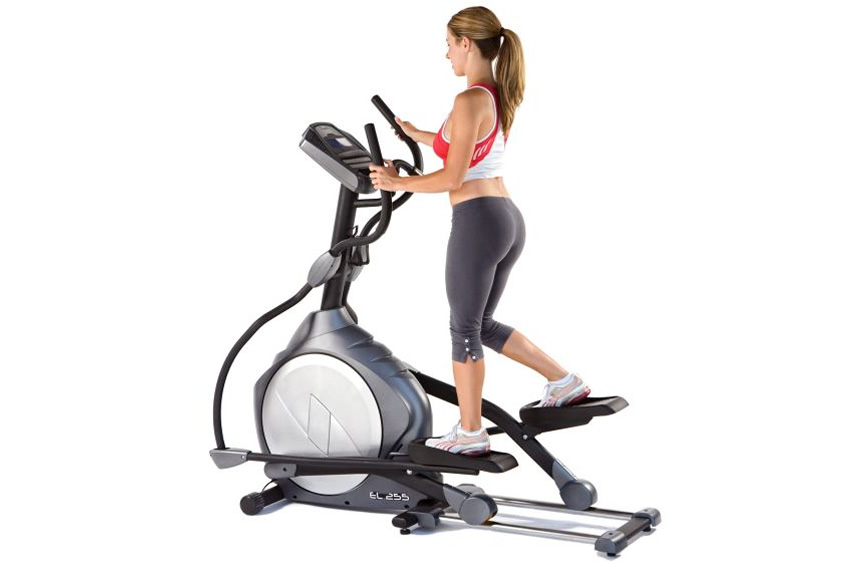
Other activities like biking, swimming, elliptical workouts, and rowing machines also have benefits. Each offers something special:
- Biking: It’s low-impact, great for long rides.
- Swimming: It’s a full-body workout that’s easy on your joints, perfect for those with joint issues.
- Elliptical: It combines running and biking, offering a smooth motion that’s easy on your body.
- Rowing Machine: It works both your upper and lower body, giving you a complete workout.
While these exercises are good for your heart, they might not lower blood pressure as much as isometric exercises. Still, adding endurance workouts to your routine can boost your fitness and overall health.
Why Endurance Exercises Help Lower Blood Pressure
Endurance exercises are great for your health. They make you fitter and improve your overall well-being. Let’s see how they help your body.
Improved Arterial Compliance and Circulatory System Benefits
Endurance training makes your arteries more flexible. This means they can handle blood flow better. When your arteries are more open, your heart works less hard.
This lowers your blood pressure. It’s a big win for your heart health.
Calorie Burning, Weight Loss, and Heart Rate Effects
Endurance exercises burn a lot of calories. Activities like running, swimming, or cycling help you lose weight. Losing weight is key to keeping blood pressure in check.
These exercises also raise your heart rate. This strengthens your heart and boosts blood flow. It’s a win-win for your heart and circulatory system.
- Improved arterial compliance helps reduce circulatory resistance.
- Effective calorie burning aids in weight loss.
- Increased heart rate strengthens the heart and improves blood flow.

Integrating Isometric and Endurance Exercises Safely Into Your Routine
Adding isometric and endurance exercises to your routine can boost your health. It’s key to do it safely, especially if you have high blood pressure or other health issues. Always check with your doctor before starting any new exercise program. This step is crucial for your safety and health.
Precautions and Consultation with Your Doctor
Before starting a new exercise plan, keep these tips in mind:
- Consult your healthcare provider if you have uncontrolled hypertension.
- Discuss any medications you are taking that may affect your exercise capacity.
- Understand the signs of overexertion, such as dizziness or shortness of breath.
Starting Low Intensity and Gradually Increasing Duration
When starting out, begin with low-intensity exercises. This helps your body adjust without too much stress. Here’s how to proceed:
- Start with short sessions of 10-15 minutes.
- Choose low-intensity activities like walking or gentle stretching.
- As you get stronger, increase the time by 5-10 minutes each week.
Increasing duration and intensity slowly lets your body adjust safely. This approach reduces risks and enhances workout benefits.

Conclusion
Isometric and endurance exercises are key to managing blood pressure. Studies show that isometric exercises are the most effective for lowering blood pressure. They boost heart health when done often. Endurance activities, such as running or swimming, also improve cardiovascular fitness and support weight loss.
It’s important to mix up your workouts. Different exercises keep you interested and motivated. Start with easy exercises and gradually increase intensity as you get fitter.
Regular exercise and a healthy lifestyle are vital for blood pressure control. This combo improves heart health and overall well-being. Always talk to your doctor before starting a new exercise plan to make sure it’s safe.






Leave a comment