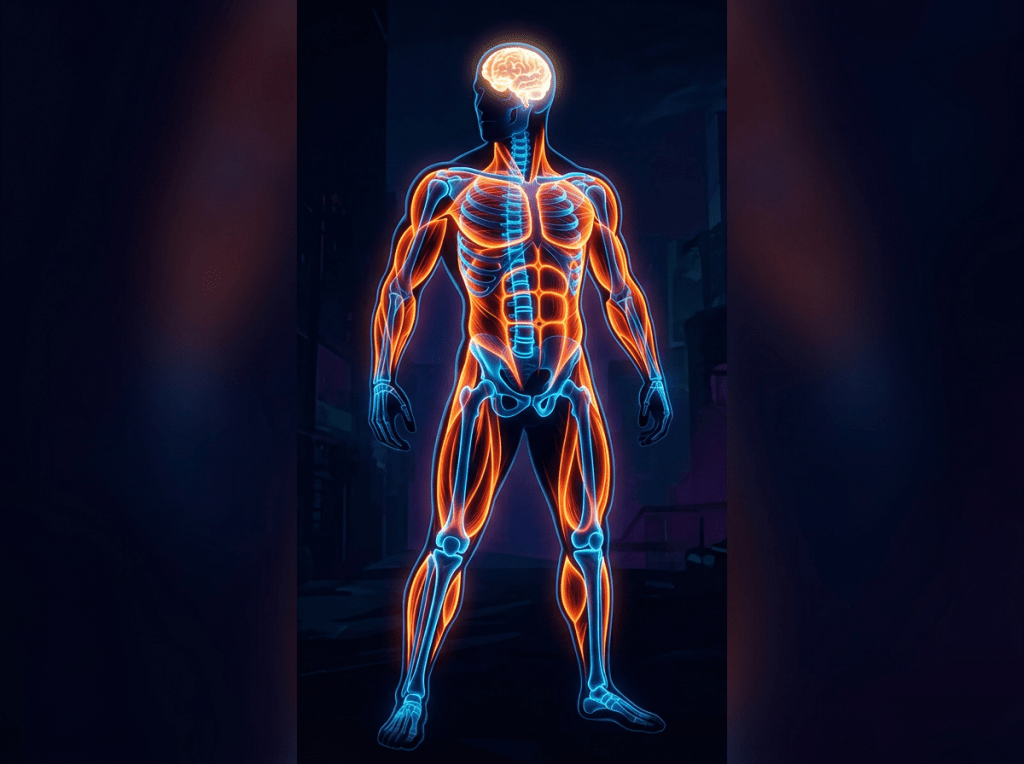


Ever wondered why some men seem to lose their energy and strength as they get older? It might be because of low testosterone. This hormone is key for men’s health, affecting everything from sex drive to mood and muscle.
As men get older, their testosterone levels go down. This can cause health problems that are often missed. Studies show that about 40% of men over 45 have low testosterone. Spotting these signs early is important for staying healthy.

Key Takeaways
- Low testosterone, or “low T,” affects many men as they age.
- Recognizing the signs early can help prevent health complications.
- Testosterone influences energy, mood, and physical health.
- About 40% of men over 45 may experience low testosterone levels.
- Awareness of symptoms is essential for maintaining well-being.
Understanding What Testosterone Is and Its Role in Men’s Health
Testosterone is a key hormone in men. It’s mainly made in the testicles and is vital for health. Knowing about testosterone helps you see its role in your life. As men get older, testosterone levels drop, causing health problems.
What Is Testosterone?
Testosterone is a hormone that affects men’s physical and emotional traits. It does many things, like:
- Maintaining muscle strength and mass
- Supporting bone density
- Regulating hair growth patterns
- Facilitating sperm production
- Enhancing libido and sexual function
- Impacting mood and mental clarity
How Testosterone Influences Male Physical and Sexual Development
Testosterone is key to men’s physical and sexual growth. It impacts:
- Physical Appearance: More testosterone means more muscle and a better body shape.
- Sexual Development: It’s vital for sex drive and erectile function.
- Mood Regulation: It helps keep emotions stable and the mind clear.
In your 30s and 40s, testosterone levels may drop. This can cause low energy, mood swings, and sexual health issues. Spotting these signs early can help you stay healthy.
Recognizing the Signs That a Man May Have Low Testosterone
It’s key for men to know the signs of low testosterone. Spotting these symptoms early can help improve health. Low testosterone affects sexual, physical, and emotional health in different ways.
Sexual Signs: Low Libido, Erectile Dysfunction, and Reduced Semen Output
One clear sign of low testosterone is a drop in sexual health. Men might see:
- Low libido: A big drop in sexual desire.
- Erectile dysfunction: Trouble getting or keeping an erection.
- Reduced semen output: Less semen during ejaculation, which can hurt fertility.
Physical Signs: Muscle Loss, Weight Gain, and Body Hair Changes
Low testosterone also causes physical changes. You might see:
- Muscle loss: Less muscle mass and strength.
- Weight gain: Unexpected fat gain, often around the belly.
- Body hair changes: Thinning or loss of body and facial hair.
Emotional and Cognitive Symptoms: Mood Swings and Trouble Concentrating
Low testosterone can also affect emotional health. Look out for:
- Mood swings: More irritability and mood changes.
- Depression: Feeling sad or hopeless.
- Trouble concentrating: Hard time focusing or remembering things.

Spotting these signs is crucial. If you see any, talk to a healthcare expert for help.
Common Low Testosterone Symptoms in Men You Should Not Ignore
Low testosterone can really change your life. Many men ignore the signs, thinking they’re just aging or stressed. Spotting these symptoms early can help you feel better.
Decreased Energy and Chronic Fatigue
Feeling tired all the time is a big sign. You might still be tired after sleeping well. This can make you less productive and affect your mood.
Loss of Muscle Mass and Increased Body Fat
Noticing less muscle is another sign. It’s harder to maintain your shape, which can lead to more belly fat. Even working out doesn’t help as much as it used to.
Changes in Mood and Mental Focus
Low testosterone also affects your mood. You might get angry easily or have trouble focusing. These changes can mess up your work and personal life.
- Persistent fatigue despite adequate rest
- Reduced muscle strength and mass
- Increased abdominal fat
- Irritability and mood swings
- Difficulty focusing on tasks

Knowing these signs can push you to get checked and treated. Ignoring them can lead to bigger health problems later. Being aware is the first step to feeling better.
Male Hormone Imbalance Symptoms and Clinical Signs of Low Testosterone
It’s important to know the signs of male hormone imbalance. Low testosterone, linked to male hypogonadism, can cause physical and emotional problems. This happens when the testicles don’t make enough testosterone, affecting a man’s life in many ways.
Common signs of male hypogonadism include:
- Decreased libido and sexual dysfunction
- Fatigue and chronic tiredness
- Loss of muscle mass and strength
- Increased body fat, especially around the abdomen
- Mood changes, including irritability and depression
Knowing these symptoms helps spot hormone imbalances early. Low testosterone can be caused by medical conditions, some medications, and problems with the pituitary gland. Catching it early is key to managing and treating it effectively.
| Symptom | Description |
|---|---|
| Decreased Libido | Reduced interest in sexual activity |
| Erectile Dysfunction | Difficulties in achieving or maintaining an erection |
| Fatigue | Persistent tiredness that affects daily activities |
| Muscle Loss | Decrease in muscle mass and strength |
| Mood Changes | Feelings of sadness, irritability, or anxiety |

Knowing these signs helps you take care of your health. If you see any of these symptoms, see a doctor. They can help with tests and treatments that fit your needs.
What Are the Effects of Low Testosterone on Overall Health?
Low testosterone can greatly affect your health. It’s important to know how it impacts you. This issue doesn’t just affect your sex life. It also affects your physical and mental health.
Impacts on Sexual Health and Fertility
Low testosterone can cause many sexual health problems. You might see:
- Reduced libido or sex drive
- Erectile dysfunction
- Lower sperm production affects fertility
These issues can be upsetting and may require medical attention.
Consequences for Bone Density and Muscle Strength
Testosterone is key to keeping bones strong and muscles powerful. When it’s low, you might notice:
- Weaker bones increase the risk of osteoporosis
- Loss of muscle mass, making physical activities more challenging
This can lead to more fractures and less physical ability.
Mental Health Effects Including Depression and Apathy
Low testosterone also affects your mind. Many men feel:
- Feelings of depression
- Apathy or lack of motivation
- Difficulty concentrating

When to See a Doctor: Important Testosterone Deficiency Indicators
Knowing when to see a doctor is key if you think you might have low testosterone. Low testosterone can hit men of any age, not just the older crowd. Spotting the signs can guide you to when it’s time for a medical check-up.
Some key signs that mean it’s time to visit your healthcare provider include:
- Persistent low libido
- Erectile dysfunction
- Chronic fatigue or low energy
- Significant mood changes
- Loss of muscle mass
Testosterone levels do drop as we age, but can a man have low testosterone at any age? Absolutely. Things like injury, illness, or some meds can cause low testosterone in younger guys, too.
Getting tested early can lead to good treatment plans. Talking to a doctor is the first step to bettering your life. Here’s a quick rundown of symptoms that need a doctor’s attention:
| Symptom | When to Seek Help |
|---|---|
| Low Libido | If it lasts more than a few weeks |
| Erectile Dysfunction | If it happens often |
| Chronic Fatigue | If it messes with your daily life |
| Mood Changes | If they mess with your relationships or job |
| Muscle Loss | If it’s noticeable and you can’t explain it |

Conclusion
It’s important to know if a man has low testosterone. Signs like low energy, less sex drive, and mood swings are key. These can really affect how you live your life.
So, what can you do if you think you have low testosterone? There are ways to treat it. Eating better and exercising more can help. Also, treatments like injections and gels can boost your hormone levels.
Seeing a doctor is a big step. They can check your levels and give you the right care. Taking action now can make you feel better and more alive.



 trim down and shape up
Leave a comment