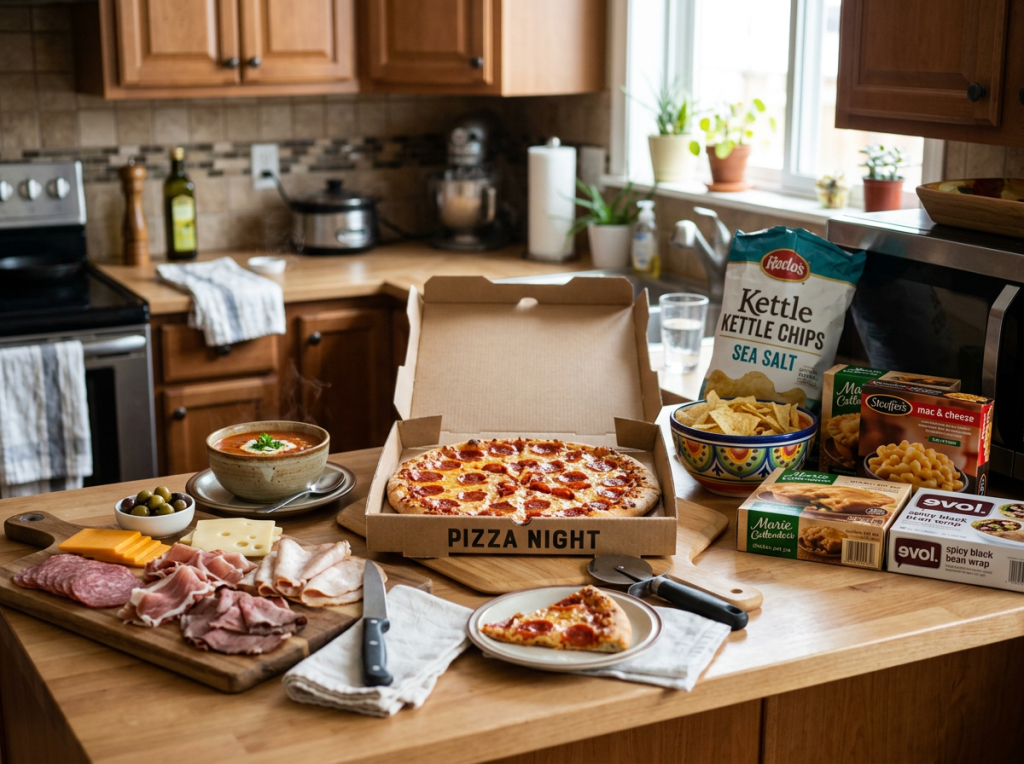


Did you know that over 70 million Americans have high blood pressure? This is a big health issue that many don’t notice. The foods we eat every week can quietly raise our blood pressure. It’s not just salt from the table; it’s often in processed foods.
Knowing how these foods affect our blood pressure is key to heart health. The data show that most sodium comes from packaged foods. By knowing these risks, we can take steps to keep our blood pressure in check.

This section will look at foods and drinks that raise blood pressure. You’ll learn how to choose better foods for a healthier life.
Key Takeaways
- High blood pressure affects over 70 million Americans.
- Processed foods are a major source of hidden sodium.
- Many common foods can elevate your blood pressure without obvious salt.
- Awareness of dietary choices is crucial for heart health.
- Making informed food choices can help manage blood pressure.
Understanding the Impact of Diet on Blood Pressure
Your diet is key to keeping your blood pressure in check. It’s all about the balance between sodium and potassium. Sodium is high in processed foods, while potassium helps balance it out. Knowing this can help you make better food choices.
How Sodium and Potassium Influence Blood Pressure
Sodium makes your body hold onto water, which increases blood volume. This extra volume puts pressure on your arteries, raising your blood pressure. On the other hand, potassium relaxes blood vessels and helps remove sodium. Eating foods rich in potassium can help keep your blood pressure healthy.
- Sodium increases blood volume.
- Potassium helps relax blood vessels.
- High sodium intake is linked to hypertension.
- Potassium-rich foods can help lower blood pressure.
The Role of Processed Foods in Raising Blood Pressure
Processed foods are a big source of sodium. They account for about 75% of the sodium in our diets. Many foods, like frozen meals, canned soups, deli meats, and snack foods, are high in sodium. Being aware of this can help you cut down on sodium.
Choosing fresh, whole foods can help you keep a better balance of sodium and potassium. This is a healthier way to eat.
Hidden Sodium Loads in Common Foods
Many everyday foods contain surprising amounts of sodium, which can raise your blood pressure. Knowing where these sodium loads come from helps you make better food choices. You might not know that some of your favorite foods contribute significantly to your sodium intake.
Pizza, Deli Meats, and Bread as Major Sodium Contributors
Pizza, deli meats, and bread are big culprits when it comes to sodium. Let’s take a closer look at these common foods:
- Pizza: A single slice can have over 700 mg of sodium, depending on toppings and crust.
- Deli Meats: Processed meats like ham and salami can have more than 1,000 mg of sodium per serving.
- Bread: Even a single slice can have around 200 mg of sodium, which adds up fast if you love sandwiches.
Processed Snacks and Frozen Meals: Silent Sodium Sources
Processed snacks and frozen meals often have high sodium levels that go unnoticed. These foods are easy to grab but can harm your health. Here’s what to consider:
- Processed Snacks: Chips and pretzels can have up to 300 mg of sodium per serving.
- Frozen Meals: Many frozen dinners have over 800 mg of sodium, making them a hidden risk.
Knowing about the hidden sodium loads in pizza, deli meat, bread, processed snacks, and frozen meals is key. By picking lower-sodium options, you can manage your blood pressure and still enjoy your meals.

Sweetened Drinks and Their Effect on Blood Pressure
Many people love sweetened drinks, but they can harm their health. Drinks like sweetened iced teas, fruit-flavored drinks, and energy drinks can raise your blood pressure. The sugars in these drinks, like fructose, can increase your risk of high blood pressure, even if you don’t gain weight. It’s important to know how these drinks affect your health to make better choices.
Sugar-Sweetened Iced Teas, Fruit-Flavored Drinks, and Energy Drinks
Drinking sugary beverages often leads to health problems. Here are some key points to consider:
- Sugar-sweetened drinks and energy drinks raise blood pressure, too.
- Sweetened iced teas and fruit-flavored drinks often contain high levels of fructose.
- These drinks add empty calories without providing nutritional benefits.
- Regular consumption can lead to inflammation and insulin resistance.
Research shows that fructose in sweetened drinks is very harmful. It can increase your blood pressure, even if you’re not overweight. This means these drinks can still harm your heart, even if you’re healthy.
To keep your heart healthy, try drinking healthier options instead. Here are some alternatives:
- Water
- Seltzer
- Unsweetened tea

Switching to these drinks can help lower your blood pressure and improve your health. Be mindful of what you drink, as sugary beverages can significantly affect your blood pressure.
| Drink Type | Average Sugar Content (grams) | Blood Pressure Impact |
|---|---|---|
| Sweetened Iced Tea | 30 | Increases risk |
| Fruit-Flavored Drink | 40 | Increases risk |
| Energy Drink | 50 | Increases risk |
Alcohol and Licorice: Uncommon but Significant Blood Pressure Offenders
Licorice and alcohol are not often listed as dietary warnings. Yet they can raise blood pressure in ways unrelated to sodium. Knowing how they affect health can guide better choices.
Black licorice has glycyrrhizin, a compound that can cause serious health problems. The effects of black licorice glycyrrhizin include:
- Increased salt and water retention
- Lowered potassium levels
- Potential heart rhythm problems
Alcohol, even in small amounts, affects blood pressure. Studies link alcohol and blood pressure closely. Drinking can make blood vessels narrow, raising blood pressure. This happens with any type of alcohol.
To show how licorice and alcohol impact blood pressure, look at this table:
| Substance | Mechanism of Action | Potential Effects on Blood Pressure |
|---|---|---|
| Black Licorice | Glycyrrhizin leads to salt retention and potassium loss | Increased blood pressure and heart rhythm issues |
| Alcohol | Constricts blood vessels | Elevated blood pressure, even at moderate levels |
Knowing about these less common culprits can help manage blood pressure. Reduce your intake of licorice and alcohol for better heart health.

The Biggest Blood Pressure Offenders Sit in Your Grocery Store
The biggest blood pressure offenders are not rare or hard to find. They are in the center aisles of every grocery store and on fast-food menus. These common foods can raise blood pressure because of their sodium, unhealthy fats, and sugars. Knowing which foods to avoid can help you stay healthy.
When you go shopping, it’s key to know which foods might harm your blood pressure. Here are some common culprits found in stores and fast-food places:
- Processed meats, such as deli meats and sausages
- Canned soups and sauces are loaded with sodium
- Frozen meals that often contain high levels of fast-food sodium
- Snack foods like chips and pretzels
- Pizza, a popular fast-food choice, packed with sodium
Center Aisles Shelf Staples and Fast-Food Menu Items
Fast-food sodium is a big concern. Many fast foods are tasty but high in sodium. This can increase blood pressure over time. Here are some fast foods to watch out for:
- Burgers and sandwiches
- Fried chicken and other fried foods
- Soft drinks and sugary beverages
- Salads with creamy dressings

Knowing how processed foods affect blood pressure can help you make better choices. Always check labels and watch for sodium when shopping or eating out. Your heart will appreciate it.
Foods High in Saturated Fats and Their Role in Hypertension
Diet is key in managing blood pressure. Foods high in saturated fats are a big concern. They can raise LDL cholesterol levels, leading to arterial buildup.
This buildup narrows and stiffens blood vessels. Your heart has to work harder, which raises blood pressure.
Common sources of saturated fats include:
- Red meat
- Butter
- Cheese
- Fried foods
It’s important to know how these foods affect blood pressure. Red meat, in particular, has a big impact. Too much can cause inflammation and harm the arteries.
Red Meat, Butter, Cheese, and Fried Foods
Here’s how each of these foods affects your health:
- Red Meat: High in saturated fats, it can elevate LDL cholesterol.
- Butter: Often used in cooking, it adds significant saturated fat to your diet.
- Cheese: A popular dairy product, it can contribute to high cholesterol levels.
- Fried Foods: These are typically cooked in oils high in saturated fat, which can increase health risks.
Reducing these foods can lower blood pressure. Opt for healthier fats, such as avocados and nuts,for better vascular health.

Everyday Foods That Quietly Push Your Blood Pressure Higher
Many foods you eat every day can raise your blood pressure. These foods often have hidden sodium and added sugars. Knowing how they affect you is key to staying healthy.
Processed foods play a big role in your diet. Foods like frozen meals, snacks, and deli meats have a lot of sodium. These small amounts can add up, raising your blood pressure. It’s important to know what you eat and how it affects your body.
Here are some common foods to watch out for:
- Frozen dinners
- Packaged snacks
- Deli meats
- Pizza
- Sugary drinks
Making small, consistent changes can help lower your blood pressure. Cutting down on sodium-rich foods and sugary drinks can improve your heart health. By making these changes, you can fight the effects of sodium and sugar in your diet.
| Food Item | Sodium Content (mg) | Sugar Content (g) |
|---|---|---|
| Frozen Dinner | 800 | 5 |
| Deli Meat | 600 | 1 |
| Packaged Snack | 400 | 3 |
| Pizza Slice | 700 | 2 |
| Sugary Drink | 50 | 30 |
Being mindful of these foods can help you make better choices. Start today by making informed decisions about what you eat.
The Role of Medications and Supplements in Blood Pressure Management
Managing blood pressure is not just about what you eat. Medications and supplements can also help. It’s important to know how they affect your blood pressure for your health.
Over-the-counter drugs like NSAIDs and acetaminophen can increase blood pressure. This is a concern for those at risk. Always talk to your doctor about any medications you take.
NSAIDs, Acetaminophen, and Interactions with Blood Pressure
Here are some key points to consider regarding these medications:
- NSAIDs: Medications such as ibuprofen and naproxen can lead to increased blood pressure.
- Acetaminophen: This common pain reliever has been linked to hypertension in some studies.
- Consultation: Always discuss your use of these medications with your doctor to ensure your blood pressure remains stable.
It’s crucial to check your blood pressure regularly, especially if you take these medications frequently. Knowing how medications and supplements affect blood pressure can help you make better choices for your health.

Potassium-Rich Foods That Help Counteract High Blood Pressure
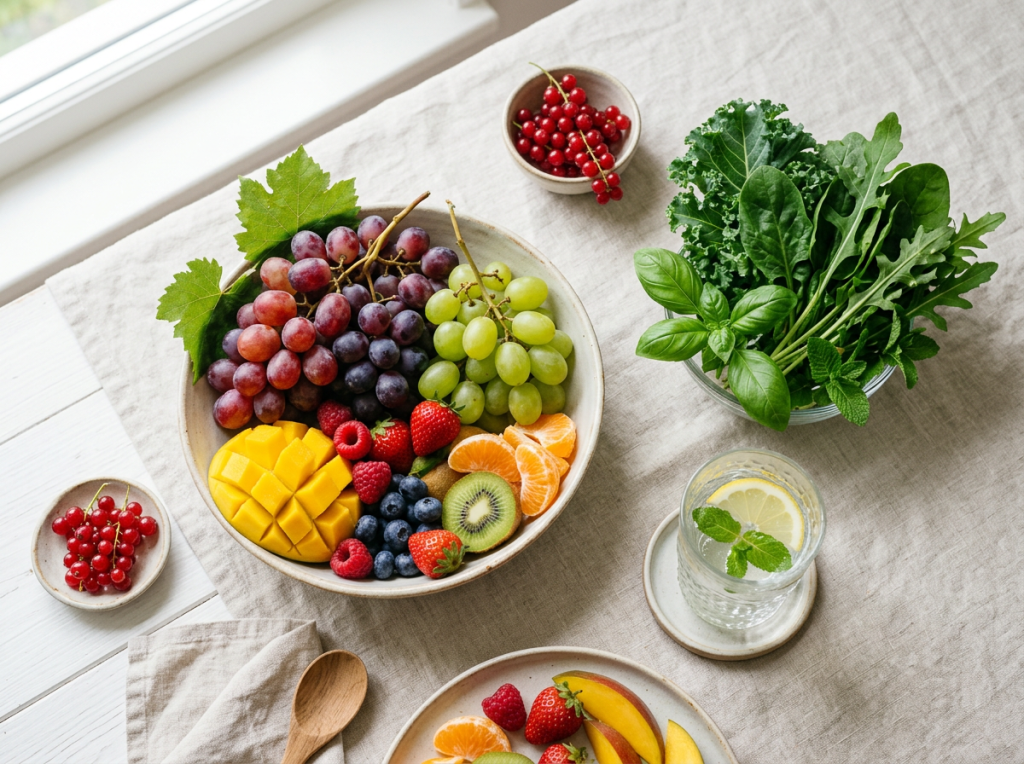
Eating the right foods can greatly help manage your blood pressure. Foods rich in potassium are key in balancing sodium levels and improving circulation. They help relax blood vessels, which can naturally lower blood pressure.
Adding fruits and vegetables to your diet is vital. The DASH diet focuses on these groups, offering many benefits for blood pressure. Here are some top potassium-rich foods to try:
Fruits and Vegetables for Blood Pressure
- Bananas: A great source of potassium, perfect for snacks.
- Spinach: Packed with nutrients, it can be added to salads or smoothies.
- Sweet Potatoes: A versatile vegetable that can be baked or mashed.
- Oranges: Delicious and hydrating, they make a great addition to breakfast.
Following the DASH diet offers more benefits. It promotes:
- Fruits and vegetables for blood pressure support.
- Whole grains for better overall health.
- Lean proteins to help maintain a balanced diet.
Adding these potassium-rich foods to your meals can help achieve a healthy balance of potassium and sodium. Embrace these dietary changes to support your heart health and keep your blood pressure in check.

Practical Steps to Lower Dietary Blood Pressure Risks
Managing your blood pressure through diet is easy. A few simple changes can help a lot. Focus on what you eat and drink. Small changes can make a big difference in your health.
Choosing Lower-Sodium Alternatives and Limiting Processed Foods
Start by picking lower-sodium versions of common foods. This includes:
- Opting for low-sodium breads and frozen meals
- Limiting pizza and deli meats, which are often high in salt
- Avoiding processed snacks that can contain hidden sodium
These choices can lower your sodium intake. By avoiding processed foods, you also get better nutrition.
Replacing Sugary Drinks and Moderating Alcohol Intake
Another key step is to swap sugary drinks for healthier ones. Consider:
- Drinking water or seltzer instead of soda
- Choosing unsweetened tea over sugary iced teas
Also, keep your alcohol intake in check. This helps manage your blood pressure well.
By making these changes, you can boost your heart health. Remember, every small step leads to a healthier life.
Conclusion
Some everyday foods can quietly raise your blood pressure, affecting your heart health. Knowing which foods to avoid can help you better manage your blood pressure. It’s important to cut down on hidden sodium and sugary or processed foods.
Choosing a heart-healthy lifestyle means eating more potassium-rich foodspotassium-rich foods. Fruits, vegetables, and following the DASH diet are key. Also, being mindful of your medication and making lifestyle changes can help you control your blood pressure.
Managing blood pressure is more than just avoiding certain foods. It’s about eating a balanced diet that keeps you healthy. With the right dedication and knowledge, you can lower your risk of heart problems and live a healthier life.

 trim down and shape up
Leave a comment