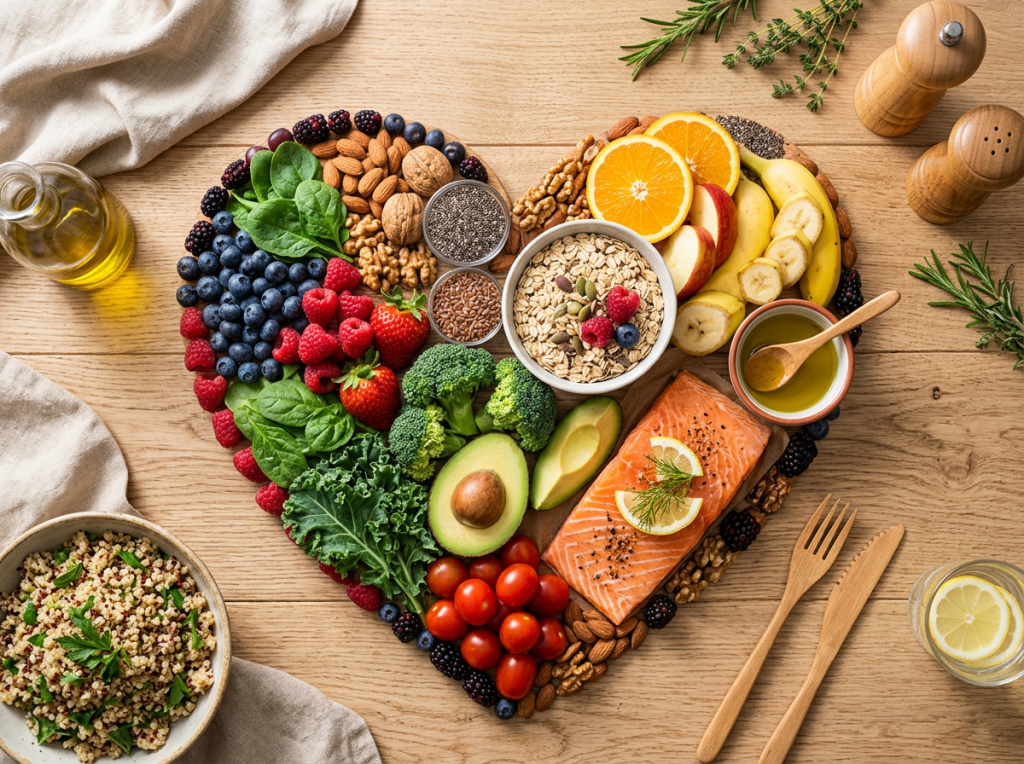


Did you know nearly 40% of American adults have high lipid levels? They might not even know it. What you eat every day is key to your heart health. Each meal sends a message to your arteries, either helping or hurting them.
Many people unknowingly eat things that raise their cholesterol. By spotting these bad habits, you can start to protect your heart. Making small changes in your cooking can greatly improve your health.

Learning about the science behind food choices gives you power. This guide offers tips for swapping out bad habits for heart-healthy ones you can live with.
Key Takeaways
- Dietary choices are the primary drivers of your cardiovascular health.
- Small, consistent changes are more sustainable than drastic diets.
- High lipid levels often develop silently over time.
- Science-backed nutrition helps you protect your arteries effectively.
- Proactive management leads to better long-term wellness outcomes.
Understanding cholesterol and your heart health
Your body needs a balance to work right, and cholesterol is key. While it might seem scary, cholesterol is a waxy substance found in the blood. Your body needs it to build healthy cells, but high levels can increase your risk of heart disease.

What is cholesterol?
At its core, cholesterol is vital for making hormones and vitamin D, and for helping digest food. Your liver makes all the cholesterol your body needs for these important tasks.
But eating too much cholesterol can cause problems. When you have too much, cholesterol is a waxy substance found in the blood. Your body needs it to build healthy cells, but high levels can increase your risk of heart disease.
The difference between LDL and HDL
To keep your health in check, it’s important to know the difference between LDL and HDL. These lipoproteins carry fats through your blood to different parts of your body.
- LDL (Low-Density Lipoprotein): This “bad” cholesterol can cause plaque to build up in your arteries. This can narrow your arteries and lead to serious health issues.
- HDL (High-Density Lipoprotein): This “good” cholesterol helps remove excess lipids from your body. It carries them back to your liver for processing and removal.
Knowing how LDL and HDL work is the first step to protecting your heart. Keeping LDL low and HDL high helps keep your heart healthy.
The worst eating habits for cholesterol that you need to break
Your daily food choices are key to keeping your heart healthy. Many struggle because they don’t eat enough healthy fats. Sticking to a healthy diet is essential for lasting health benefits.

Why your daily choices matter
Every meal you eat helps build your body. Eating nutrient-rich foods gives your heart what it needs to work well. Small, intentional shifts in what you buy can make a big difference in your cholesterol levels over time.
It’s easy to get caught up in convenience foods, but your long-term health depends on your daily choices. If you’re not eating healthy fats, your cholesterol levels might not stay in check. Choosing unsaturated fats helps your heart every day.
Identifying hidden dietary triggers
Hidden enemies can be found in your kitchen, working against your health without you knowing. Many packaged foods contain trans fats or too much sodium, which can harm your cholesterol levels. Take time to check your kitchen for these common enemies:
- Partially hydrogenated oils in crackers and cookies.
- High-fat coffee creamers with added sugars.
- Processed meats that contain hidden saturated fats.
The table below shows the differences between various fats to help you make better choices at the store.
| Fat Type | Common Source | Impact on Cholesterol | Recommendation |
|---|---|---|---|
| Saturated Fat | Butter, Red Meat | Increases LDL | Limit intake |
| Trans Fat | Processed Snacks | Increases LDL/Lowers HDL | Avoid completely |
| Monounsaturated | Olive Oil, Avocado | Supports healthy levels | Use daily |
| Polyunsaturated | Walnuts, Flaxseed | Improves lipid profile | Include regularly |
Choosing the fattiest steak on the menu
Choosing the fattiest steak might not be the best choice for your health. While a marbled ribeye or a thick T-bone tastes great, they are full of saturated fat. This fat can raise your LDL cholesterol, which is bad for your heart.

The impact of saturated fats on blood lipids
Saturated fats can mess with how your liver handles cholesterol. Eating too much of them can upset your body’s lipid balance. This can lead to plaque buildup in your arteries and increase your risk of heart disease.
It’s important to remember that not all meats are created equal. Choosing lower-fat options helps your body process nutrients better. Cutting down on saturated fats is key to a healthy heart.
Healthier protein alternatives for meat lovers
You don’t have to stop eating meat to be heart-healthy. There are many lean proteins that offer the protein your muscles need without the extra fat. Simple changes in your diet can greatly improve your health.
| Protein Source | Fat Content | Heart Health Impact |
|---|---|---|
| Ribeye Steak | Very High | Increases LDL |
| Sirloin Tip | Low | Neutral/Positive |
| Chicken Breast | Very Low | Supports Heart Health |
| Ground Turkey | Moderate | Better Alternative |
Here are some tips for your next grocery trip or restaurant visit:
- Choose labels that say “loin” or “round” for leaner options.
- Trim visible fat from your meat before cooking.
- Grill or bake instead of frying to keep fat content low.
Skipping fish in your weekly meal plan
If you skip fish in your weekly meal plan, you miss out on a key heart health tool. Many people focus on cutting bad fats, but adding good nutrients is just as key. Seafood gives your body the building blocks for a stronger heart.

The benefits of omega-3 fatty acids
Omega-3 fatty acids are known for their heart health benefits. They help control blood pressure and lower the risk of heart rhythm problems. Most importantly, certain types of fish—like salmon, mackerel, trout, and herring—contain higher amounts of omega-3 fatty acids, “good fats” that don’t affect LDL cholesterol levels.
Eating these healthy fats improves your lipid profile. They keep your arteries clear and flexible. This makes them a vital addition to any heart-healthy diet.
Best fish choices: Salmon, mackerel, trout, and herring
Choosing the right seafood ensures you get the most health benefits. Include these nutrient-dense options at least twice a week for the best health results:
- Salmon: Rich in high-quality protein and essential fatty acids.
- Mackerel: A flavorful, oily fish that boosts nutrients.
- Trout: A mild-tasting fish perfect for quick dinners.
- Herring: A small but mighty fish great for heart health.
Rotating these options keeps your diet interesting and supports your heart. This simple change can lead to lasting improvements in cholesterol management.
Relying on fried foods and processed snacks
If you love fried foods, baked goods, and packaged foods, you might be harming your heart health. These foods are tasty and easy to grab, but they often have bad ingredients. Switching to healthier snacks can greatly improve your health over time.

The danger of trans fats
Trans fats are a big problem in many processed foods. These artificial fats are made by adding hydrogen to oils. Sadly, many foods with trans fats raise bad cholesterol and lower good cholesterol, harming your heart.
Regularly eating these fats can cause inflammation and blockages in your blood vessels. Choosing whole foods instead helps keep your heart safe. Fresh ingredients are a simple way to keep your heart healthy.
How to read nutrition labels for hidden fats
Learning to read nutrition labels is key for better heart health. Ignore the front of the package and focus on the ingredient list. If it says “partially hydrogenated oils,” it has trans fats.
Even if a label says “zero grams of trans fat,” it might have them if the serving size is small. Always check the total fat content. Look for foods with healthy fats. Here’s a table to help you pick better snacks:
| Category | Processed Choice | Heart-Healthy Swap |
|---|---|---|
| Snack Crackers | Hydrogenated oil crackers | Whole grain, seed-based crackers |
| Fried Treats | Deep-fried potato chips | Air-popped popcorn |
| Baked Goods | Store-bought pastries | Homemade oatmeal muffins |
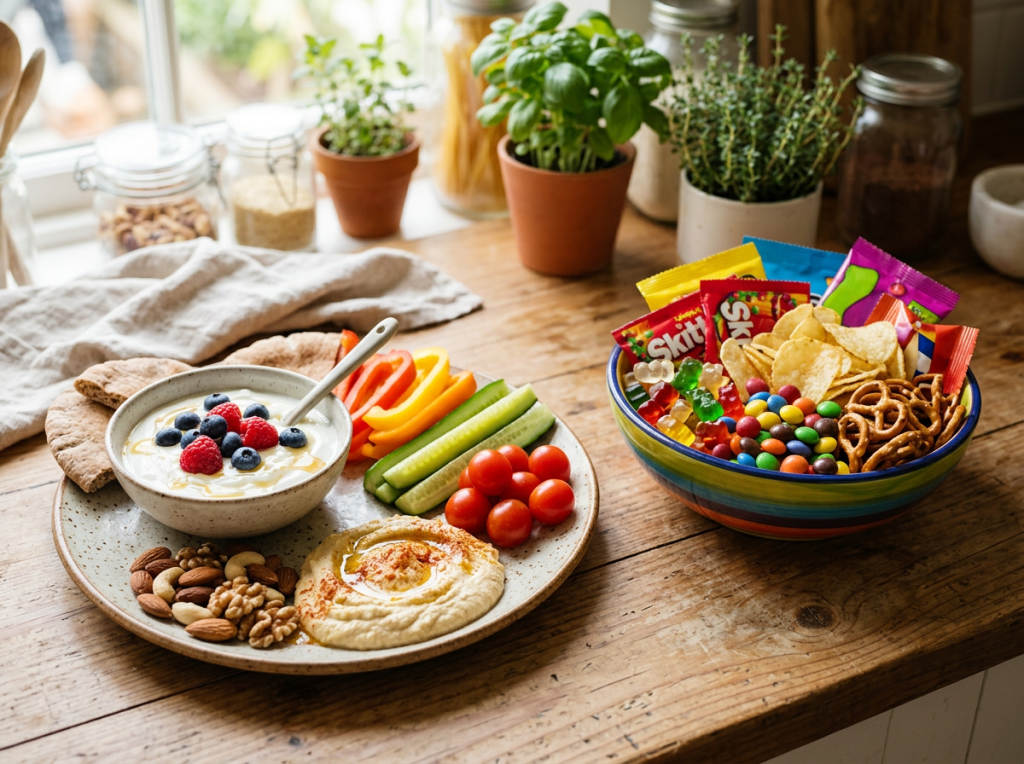
| Sweet Snacks | Commercial cookies | Fresh fruit with almond butter |
Neglecting soluble fiber in your diet
If your diet lacks soluble fiber, you’re missing a key part for heart health. Many people cut out fats but forget about the nutrients that protect their arteries. Eating the right plant-based foods can greatly improve your health.

How fiber acts as a cholesterol sponge
Soluble fiber acts like a cholesterol sponge. It doesn’t get digested like other foods. Instead, it turns into a gel in your gut.
This is why fiber is great for lowering cholesterol. The gel traps cholesterol particles. It binds to cholesterol and removes it from your body before it can harm you.
Top fiber-rich foods to add to your plate
It’s easy to add more fiber to your diet. Just swap processed snacks for whole foods that are good for your heart. Here are some foods to try:
- Oatmeal and oat bran: Great for a heart-healthy breakfast.
- Legumes: Kidney beans, lentils, and chickpeas are good in soups and salads.
- Fresh fruits: Apples, pears, and citrus fruits are full of pectin, a soluble fiber.
- Brussels sprouts and carrots: These veggies are crunchy and full of fiber.
By making these small changes, you can improve your health. Consistency is key for lasting benefits. Start by adding one of these foods to your meals each day.
Limiting your dairy intake to coffee creamer
If your only dairy is coffee creamer, you might be missing out on important nutrients for your heart. Adding creamer to your coffee is tasty, but it doesn’t give you the essential minerals your body needs. This habit can lead to missing out on the health benefits of a balanced diet.

The role of calcium and healthy dairy
Calcium is key for strong bones, but how you get it affects your cholesterol. Many coffee creamers have saturated fats and sugars that can harm your blood fats. Eating a variety of dairy helps you get calcium without bad additives.
“A healthy diet is not about restriction, but about making smarter choices that nourish your body from the inside out.”
Adding different dairy sources helps you better manage fat intake. Here’s a comparison to see how they affect heart health:
| Dairy Option | Calcium Content | Saturated Fat Level |
|---|---|---|
| Full-Fat Creamer | Low | High |
| Greek Yogurt | High | Low |
| Fortified Almond Milk | High | Very Low |
Choosing low-fat or plant-based alternatives
Switching to healthier options is simpler than you think. Try using low-fat milk or plant-based milks like almond, soy, or oat. These have fewer calories and less saturated fat, which is better for your heart.
Trying these alternatives can help you stay heart-healthy while enjoying your favorite drinks. Small, consistent changes to your daily routine can greatly improve your health. Always read labels to avoid hidden fats and choose products that meet your health goals.
Overlooking the power of protein supplements
If you think protein shakes are only for CrossFit fans, you’re missing out. These supplements are more than just for muscle building. They can be a key part of your daily nutrition, helping with weight management and heart health.

Why protein shakes are not just for athletes
Protein is key for keeping muscle mass as you get older. It helps keep your metabolism healthy. Eating enough protein makes you feel fuller for longer, which means you snack less on unhealthy foods.
Protein powders make it easy to get enough protein without extra calories. The right formula ensures your body gets what it needs. This is great for those with busy lives who find it hard to eat balanced meals every day.
Selecting heart-healthy protein powders
Not all supplements are the same. You need to choose wisely. Plant-based options like pea, hemp, or brown rice protein are cholesterol-free and low in saturated fats. They’re a good way to increase your protein without harming your heart.
Always check the nutrition label before buying. Look for products with little added sugar and no hydrogenated oils or artificial fillers. A good protein powder should have simple, clean ingredients that support your health.
| Protein Source | Saturated Fat | Cholesterol | Heart Health Impact |
|---|---|---|---|
| Whey Concentrate | Moderate | Present | Neutral |
| Pea Protein | Very Low | None | Excellent |
| Hemp Protein | Low | None | Excellent |
| Soy Protein | Low | None | Good |
The impact of excessive alcohol consumption
If you find that you toast more than most, it’s time to think about how it affects your blood lipids. Social drinking is common, but it has hidden consequences for your heart. Alcohol adds empty calories that can lead to weight gain.
How alcohol raises triglyceride levels
Drinking alcohol can change your cholesterol levels in a bad way. It can increase your triglycerides and lower your HDL cholesterol. This mix is dangerous for your arteries over time.
Too much alcohol also raises LDL, or “bad” cholesterol. Alcohol is full of calories, which can cause weight gain. Keeping a healthy weight is key to managing your lipids.
Guidelines for moderate and safe consumption
If you drink, do it in moderation to protect your heart. Setting limits helps you enjoy drinks without harming your health. Here are some essential guidelines for safer drinking:
- Limit intake to one drink per day for women and up to two for men.
- Avoid binge drinking, which puts sudden stress on your heart.
- Choose lower-calorie drinks to avoid weight gain.
- Always pair your drink with a balanced, nutrient-dense meal.
Monitoring your intake helps keep your blood pressure and triglycerides within safe ranges. Small changes in your drinking habits can greatly improve your heart health. Always talk to your doctor about how alcohol affects your health goals.
The hidden risks of baked goods and packaged foods
If you love fried foods, baked goods, and packaged foods, you might be surprised by how they affect your cholesterol. These items are staples in many American pantries. Yet, they often hide ingredients that can damage your cardiovascular system over time.
It is easy to overlook the labels when you are busy or looking for a quick snack. Being mindful of these hidden triggers is a vital step toward protecting your heart health.
Why convenience foods often contain harmful fats
Many processed snacks rely on shelf-stable fats to maintain their texture and flavor for months. These fats, often found in commercial pastries and crackers, can significantly spike your LDL cholesterol levels.
“The quality of the fats you consume is just as important as the quantity when it comes to maintaining healthy cholesterol levels.” — Heart Health Foundation
Manufacturers frequently use partially hydrogenated oils or cheap vegetable oils that lack nutritional value. When you consume these regularly, your body struggles to process the excess lipids. This can lead to arterial buildup.
Simple swaps for your favorite treats
You do not have to give up snacks entirely to maintain a healthy heart. Making small, intentional changes can satisfy your cravings while keeping your cholesterol in check.
If you love fried foods, baked goods, and packaged foods, consider these healthier alternatives:
- Swap store-bought cookies for homemade ones made with almond flour and coconut oil.
- Replace potato chips with air-popped popcorn seasoned with herbs instead of salt.
- Choose whole-food snacks like raw nuts, seeds, or fresh fruit instead of processed granola bars.
- Use an air fryer to mimic the crunch of fried foods without the excess saturated fats.
By choosing whole ingredients, you provide your body with the nutrients it needs to function optimally. Small adjustments to your shopping list will lead to significant improvements in your long-term wellness.
Practical strategies for long-term dietary success
For lasting health, we need to go beyond quick fixes to sustainable daily habits. Instead of trying fad diets that are hard to stick to, make small, steady changes. These small steps are the best way to keep your cholesterol in check for good.
Planning your meals for better heart health
Preparation is key for a heart-healthy diet. By planning meals ahead, you avoid grabbing unhealthy, processed foods when you’re hungry or tired.
Here are some easy ways to improve your weekly nutrition:
- Batch cook healthy grains like quinoa or brown rice for the week.
- Make sure your kitchen has nutrient-dense foods like nuts, seeds, and frozen veggies.
- Plan a weekly menu for balanced, heart-friendly meals.
- Prepare healthy snacks ahead to avoid fast food or vending machines.
Tracking your progress and consulting your doctor
Tracking your progress helps keep you motivated and on track. A simple food journal or a mobile app can help spot patterns in your eating.
It’s also key to talk openly with your doctor. Regular check-ups let you track your blood lipid levels and adjust your diet based on medical data. Your doctor can give you advice tailored to your health and lifestyle.
“Small, consistent changes are the foundation of long-term health success. Focus on what you can add to your plate, not just what you need to remove.”
Remember, your health journey is unique. By sticking to your meal plans and involving your medical team, you create a reliable roadmap for a healthier heart.
Conclusion
Managing your cholesterol levels is a lifelong journey. It starts with the choices you make every day. You can change your health by choosing better foods.
Changing your diet can greatly improve your health. Focus on eating whole foods. Be careful of what’s in packaged foods from brands like Quaker or Nature Valley. Sticking to it is key to better heart health.
Keep track of your progress with blood tests. Talk to your doctor often. They can create a plan just for you. Every good choice you make adds to a longer, healthier life.
Begin your journey today by changing one habit. Your heart’s health is worth the effort to live a healthier life.

 trim down and shape up
Leave a comment