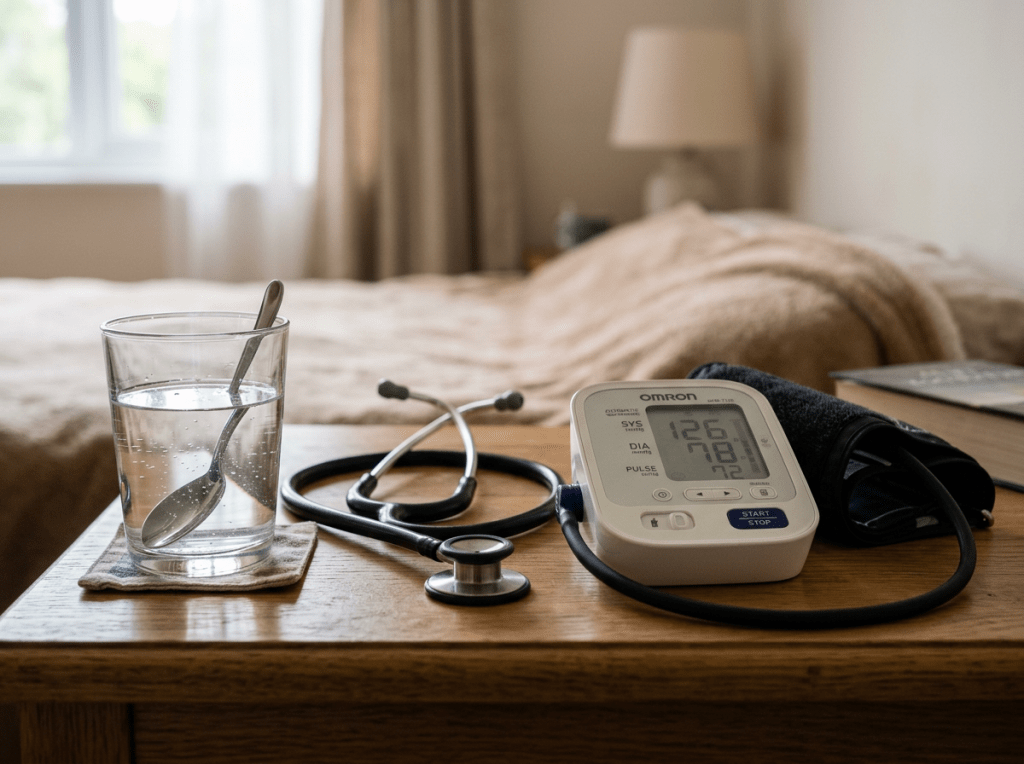


Have you ever wondered if drinking more water can benefit your heart? Many people are unaware of the connection between keeping hydrated and heart health.
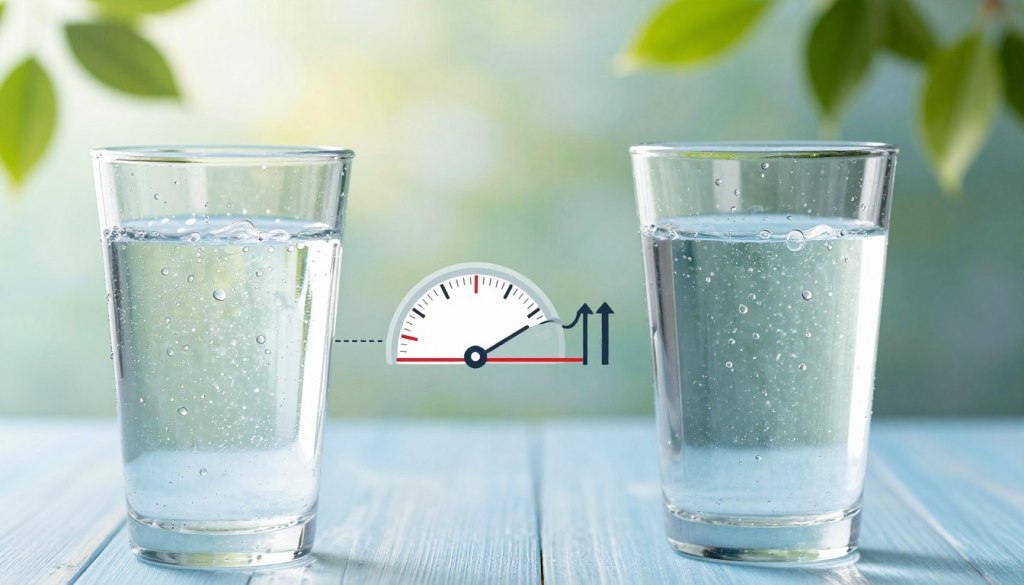
Drinking enough water is important for keeping your heart healthy. It helps control blood volume and keeps your blood flowing properly. This supports your arteries and may help prevent high blood pressure.
Understanding how water affects your body can help you make better choices. Drinking water regularly keeps your body balanced. Let’s look at the way these small habits can make a big difference for your heart.
Key Takeaways
- Drinking enough water helps keep your heart and arteries healthy.
- How much water you drink affects your blood volume and how well your blood circulates.
- Consuming fluids regularly can help prevent sudden increases in blood pressure.
- Keeping hydrated helps your blood vessels stay flexible.
- Making small changes to your daily habits can improve your heart health.
Understanding the link between hydration and blood pressure
Understanding how much water you drink affects your blood pressure is important for your health. Many people don’t realize that keeping hydrated can help manage high blood pressure caused by dehydration. When your body has enough water, it can control blood flow more effectively.
Defining high blood pressure and its risks
High blood pressure, also called hypertension, means your blood pressure is higher than normal—over 140/90 mmHg. This forces your heart to work harder to pump blood.
If left untreated, high blood pressure can lead to heart disease and stroke. It’s important to check your blood pressure regularly. Taking steps to keep it healthy can help you live longer.
How dehydration impacts your cardiovascular system
When you don’t drink enough water, your blood volume drops and your blood vessels narrow, making it harder for blood to flow. Drinking enough water can help control blood pressure, along with other treatments.
Staying well-hydrated keeps your blood volume at a healthy level, which makes it easier for your heart to do its job. It also helps your blood vessels stay open, improving blood flow. Here’s how hydration aids your heart and blood vessels.
| Optimal Hydration | Balanced | Low/Normal | Efficient Pumping |
| Mild Dehydration | Slightly Reduced | Increased | Moderate Strain |
| Severe Dehydration | Significantly Low | High | High Cardiac Stress |
What happens to your blood pressure when you drink more water
Drinking water triggers several reactions in your body that can affect your blood pressure. It’s important to know that water may help lower blood pressure, especially if you are dehydrated. Keeping hydrated helps your heart and blood vessels function better.

The physiologic response to fluid intake
When you drink water, your body responds quickly to sustain balance. Drinking water activates your sympathetic nervous system, which prepares you to react quickly. This can make you feel more awake and energetic.
It might seem like this could raise your blood pressure, but it’s a normal response. Water helps your blood vessels stay at the right size and prevents them from narrowing too much. When you’re hydrated, your heart doesn’t have to work as hard to move blood around.
Evidence from recent research on hydration and hypertension
Many studies have looked at how drinking water affects your heart. Research published in 2022 found that people with high blood pressure are often less hydrated. This stresses the importance of drinking enough water every day for your health.
The table below shows how different levels of hydration affect your heart and blood vessels:
| Optimal | Relaxed/Flexible | Stable | Normal |
| Mild Dehydration | Slightly Constricted | Increased | Elevated |
| Severe Dehydration | Highly Constricted | Rapid | High |
Understanding how your body responds to water can help you make better choices. Drinking enough water helps your body control blood pressure more effectively. Making small, steady changes in your daily routine can greatly improve your heart health.
Determining your optimal daily water intake
Managing your blood pressure often starts with drinking enough water. It can be confusing to know how much water you need, since advice changes often. By paying attention to your body, you can find a water routine that supports your heart.
The standard recommendation of 64 fluid ounces
Experts have long recommended a simple guideline for staying hydrated: about 6 to 8 glasses of water a day, or 64 fluid ounces. Studies have found this amount to be effective for most people.
This guideline works well for most people. Drinking 6-8 glasses of water each day may help manage blood pressure for many people. It’s an easy way to start improving your heart health.
Why individual needs vary based on your lifestyle
Although 64 ounces is a common goal, your needs may be different. Your activity level, the climate you live in, and your health all affect how much water you need each day.
If you have high blood pressure, your doctor may suggest drinking more water. Pay attention to your body and talk to your doctor to adjust your water intake. Your hydration plan should fit your unique lifestyle.
Key factors that influence your hydration requirements
Many factors affect how much water you should drink each day. General advice is helpful, but your needs depend on your body, your environment, and your daily activities.
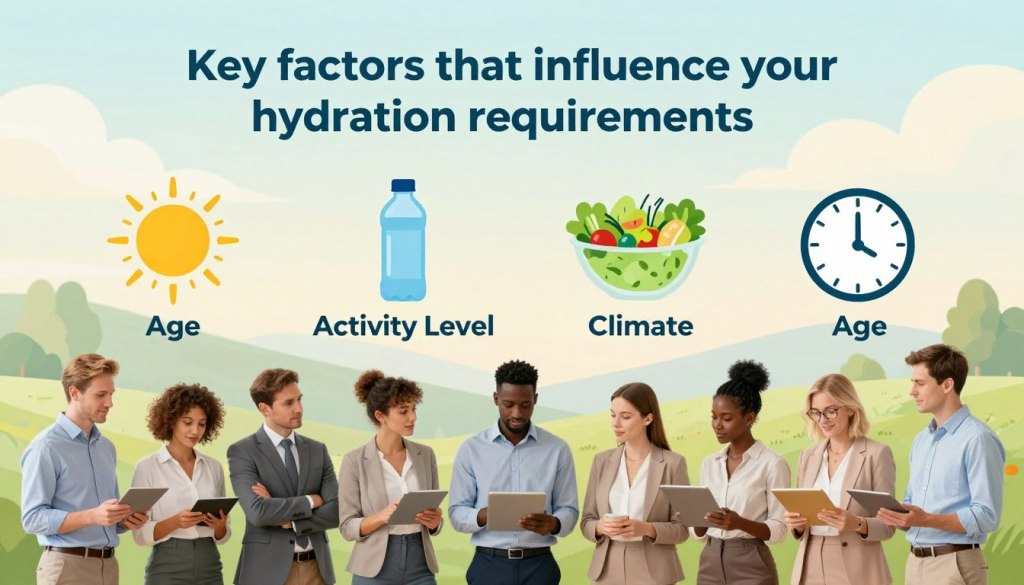
Biological factors: Age, sex, and body weight
Your body’s makeup affects how much water you need. As you get older, your body holds less water. Men and women also have different body compositions, which can change hydration requirements.
Lastly, how much you weigh sets your basic water needs. Bigger bodies need more water to keep cells working and aid heart health. Knowing these biological factors helps you adjust your water intake to fit your body.
Environmental and activity-based considerations
Environmental conditions can make your body work harder to stay balanced. For example, the climate you live in affects how much water you lose through sweat and breathing. In hot, humid, or high-elevation places, you need to drink more to avoid dehydration.
Also, the amount of physical activity you get affects your water needs. Hard exercise makes you lose water fast, which can hurt your blood pressure if not replaced. Always try to replace the water you lose during exercise to keep your heart healthy.
Special circumstances: Pregnancy and breastfeeding
Certain life stages require extra attention to hydration. If you are pregnant or breastfeeding, your body works harder and needs more water to support increased blood volume and milk production.
It’s a good idea to talk to a healthcare provider during these times. They can help you set the right water goals to stay hydrated for both you and your baby. Drinking enough water is important for your long-term health.
Alternative beverages to support healthy blood pressure
When you focus on heart health, it’s important to think about what you drink. Besides water, other drinks can help control blood pressure. These options can help you meet your daily fluid needs and provide important nutrients for your heart.
Choosing different beverages to help lower blood pressure is a smart way to support your health. Drinking a variety of fluids can increase the antioxidants and minerals in your diet, which help keep your arteries healthy.
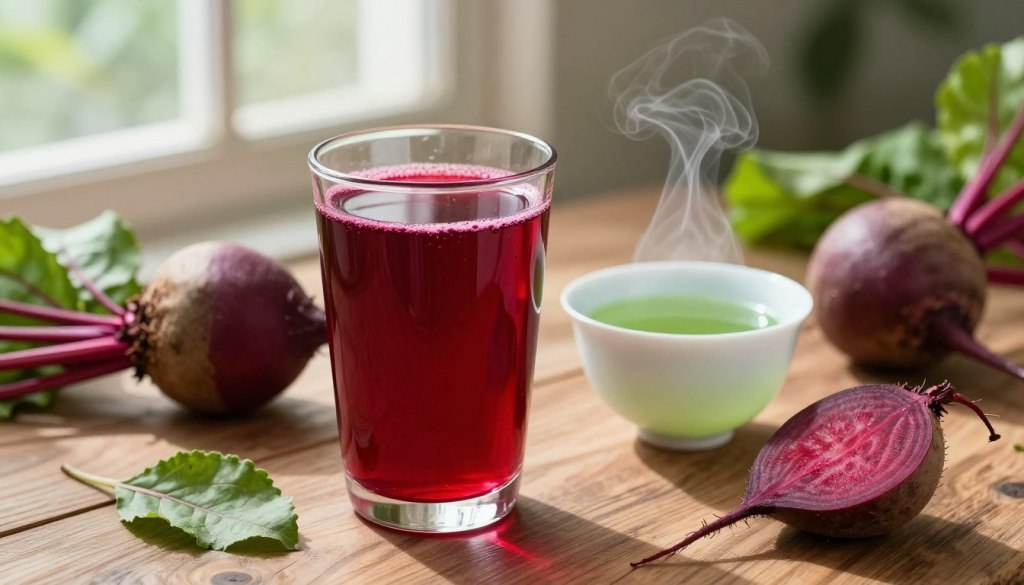
The role of vegetable juices: Beet, tomato, and pomegranate
Vegetable juicVegetable juices are packed with nutrients that support healthy blood pressure. Beet juice, tomato juice, and pomegranate juice are all known for their heart health benefits. It’s rich in dietary nitrates that relax and dilate your blood vessels.
- Tomato juice: It’s rich in lycopene and potassium, both key for a healthy heart.
- Pomegranate juice: It has strong antioxidants that fight inflammation in your arteries.
Benefits of fruit-based options like cranberry juice
Cranberry juice is good for your heart. It contains polyphenols that support healthy blood vessels.
“A balanced diet that includes a variety of nutrient-dense fluids can substantially affect your long-term cardiovascular outcomes.”
Employing the power of green and black tea
Tea is an important part of many healthy diets. Green and black tea contain flavonoids that support blood flow and help keep your arteries flexible.
Beet juice and green tea may also help lower your blood pressure when included in a balanced diet. Adding these drinks can be an enjoyable and effective way to support your health goals.
The role of electrolytes in fluid balance
Electrolytes play an important role in your body’s electrical signals. They help your blood vessels manage fluid levels. Minerals like sodium, potassium, and magnesium are essential for healthy arteries. Without enough of them, your blood pressure may become unbalanced.
When to choose electrolyte-enhanced water
For most daily activities, plain water is enough. However, electrolyte water is better for intense workouts that last more than an hour. It helps replace lost minerals and can prevent muscle cramps.
You can also choose electrolyte water on hot, humid days or when you’re recovering from an illness. It helps restore your body’s balance quickly. Just be sure to avoid drinks that have too much sugar.
Balancing sodium and potassium for arterial health
Sodium and potassium are important for controlling blood pressure. Sodium helps your body hold onto fluids, but too much can raise your blood pressure. Potassium helps your kidneys remove sodium and relaxes your blood vessels.
Eating whole foods is the best way to keep a healthy balance of sodium and potassium. For more variety, try cranberry juice or green or black tea, which provide antioxidants that aid heart health. Using electrolyte water in moderation can also help you stay hydrated without adding extra sodium from processed foods.
| Plain Water | Essential Hydration | Daily maintenance |
| Electrolyte Water | Mineral Replacement | Intense exercise |
| Cranberry Juice | Antioxidant Support | Heart health boost |
| Green or Black Tea | Vascular Protection | Daily wellness |
Integrating hydration into a comprehensive heart health plan
Keeping hydrated is important, but it’s only one part of caring for your heart. Managing high blood pressure means looking at your whole lifestyle. Hydration works best when combined with other healthy habits.
Combining water intake with diet changes
Your heart stays healthiest when you eat nutrient-rich foods and drink enough water. Drinking water should be part of a broader plan for heart health that includes eating well, avoiding smoking, staying active, getting enough sleep, limiting alcohol intake, managing stress, and maintaining a healthy weight. Eating less sodium and more potassium-rich foods also helps your blood vessels work better.
Here are some diet changes to help with hydration:
- Eat whole, unprocessed foods to cut down on hidden sodium.
- Eat more leafy greens and fruits for natural water content.
- Stay away from processed snacks that can dehydrate and raise blood pressure.
The importance of physical activity and weight management
Being active is key for a healthy heart. In 2018, nearly half a million deaths in the United States included hypertension as a primary or contributing cause. Regular exercise improves your heart’s pumping efficiency, which lowers blood pressure.
Maintaining a healthy weight also supports your heart. Regular exercise, mindful eating, and keeping hydrated all help build a strong heart. Focus on these areas to stay healthy.
| Physical Activity | Strengthens heart muscle | Lowers resting pressure |
| Weight Management | Reduces systemic load | Improves blood flow |
| Stress Reduction | Lowers cortisol levels | Prevents arterial tension |
Lifestyle habits that complement your hydration goals
Hydration is just one of many factors that can affect your blood pressure. Drinking enough water is important, but your heart health also depends on your other daily habits. Making a variety of healthy choices helps build a sound foundation for your heart.
Managing stress and improving sleep quality
Stress can cause your blood vessels to tighten. Activities like meditation can help keep them relaxed. Getting good sleep is also very important for your heart.
When you sleep well, your blood pressure goes down, which helps your heart recover from the day. Not getting enough sleep keeps your body stressed, which can raise your blood pressure over time.
“The foundation of a healthy heart is built upon the calm moments of rest and the deliberate choices we make every single day.”
Reducing alcohol consumption and refraining from smoking
Smoking and drinking too much alcohol are major risks for high blood pressure. Smoking damages your artery walls, making them narrow and stiff, which forces your heart to work harder.
Drinking too much alcohol can also interfere with your heart-healthy habits. Reducing how much you drink helps your body function better. Remember, drinking water is just one part of a bigger plan for heart health that includes eating well, not smoking, staying active, sleeping well, limiting alcohol, managing stress, and keeping a healthy weight.
| Consistent Sleep | Vascular recovery | Lowers nightly pressure |
| Stress Reduction | Lower cortisol levels | Prevents vessel constriction |
| Smoking Cessation | Arterial wall repair | Improves blood flow |
| Limiting Alcohol | Reduced systemic strain | Stabilizes heart rate |
Common myths and misconceptions about water and blood pressure
Some people believe that drinking more water can cure high blood pressure, but it’s not that simple. Keeping hydrated is important for your health, but it isn’t a cure-all. Always check health advice and make choices based on science, not trends.
Separating hydration facts from health fads
Some people think that drinking a lot of water will quickly lower blood pressure. However, your body needs a balance of fluids and electrolytes. Drinking too much water can strain your kidneys and won’t instantly improve heart health.
Only about one in four adults with high blood pressure manage it well. This shows that managing blood pressure requires a comprehensive approach, not just a single solution. Don’t rely on quick fixes like drinking more water alone, as these commonly lack scientific support.
When to consult your doctor about blood pressure management
Always talk to a medical professional about your heart health. High blood pressure is complex, and your doctor can help you decide if your hydration habits are right for you. Personal care is important for reaching your blood pressure goals safely.
If you take blood pressure medication, don’t change your fluid intake or diet without talking to your doctor. They can help you add healthy habits without affecting your treatment. Your health journey is special, and your doctor can guide you with a plan that fits you.
Conclusion
Small changes in your daily habits can make a big difference for your heart. Drinking enough water is a simple and effective way to support your health. By keeping hydrated, you can help control your blood pressure.
Find what works best for you to create a lasting routine. Keep track of your water intake, exercise, and diet. This approach may help you stay balanced throughout the day.
Work with your healthcare provider to monitor your progress. Experts at organizations like the Mayo Clinic or the American Heart Association can give you personal advice. They can help you adjust your habits to attain permanent success.
Start your road to better heart health today. Small, thoughtful steps can lead to big improvements for your well-being. Remember, keeping hydrated is an important part of living a healthier life.




 trim down and shape up
Leave a comment