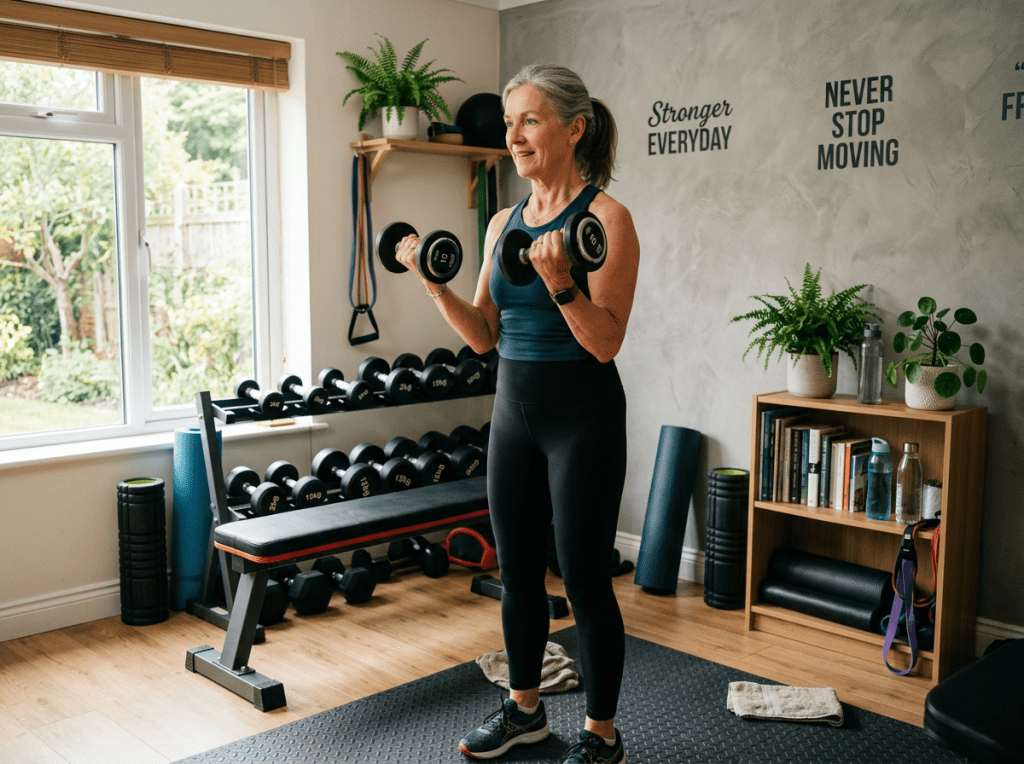


Did you know that after age 30, people lose 3% to 5% of their strength each decade? This loss is often unnoticed until simple tasks like carrying groceries or climbing stairs become hard.

Understanding these changes is key to getting your energy back. By changing your diet and staying active, you can slow down this loss. Starting now helps keep you independent for years.
This guide offers tips for your lifestyle. We’ll show how small changes can fight off aging. Investing in your health today means a brighter future.
Key Takeaways
- Muscle loss is a natural part of aging but can be significantly slowed.
- Strength training is the most effective tool for maintaining physical function.
- Protein intake plays a critical role in supporting tissue repair.
- Consistent activity helps protect your long-term independence.
- Small, daily lifestyle changes yield the best results over time.
Understanding Sarcopenia: A Look at Age-Related Muscle Loss
Sarcopenia is why your body changes as you get older. It’s the natural loss of muscle mass and function with age. Knowing this can help you stay healthy.

Defining the Progressive Decline of Muscle Function
This condition makes your muscles shrink over time. You lose strength and coordination. This leads to a drop in your physical abilities.
As muscles shrink, moving becomes harder. Simple tasks like climbing stairs or carrying groceries take more effort. Spotting these signs early is key to managing your health.
Prevalence and Statistics Among Aging Populations
This issue is more common than you might think. It affects 5% to 13% of people aged 60 to 70. And up to 50% of those 80 or older.
Being aware of this risk is important. By focusing on keeping your muscles strong, you can live better and stay independent longer. Acting now can help you beat these odds.
Why It Is Important to Preserve Muscle as You Get Older
Your physical strength is key to your daily life. So, it’s no surprise that losing muscle has many downsides. Keeping your muscle mass as you age is vital. It helps you stay strong, balanced, and independent.

Maintaining Independence and Mobility
Good physical health means you can do daily tasks on your own. Sadly, sarcopenia, or muscle loss, is linked to more falls and injuries.
When you lose muscle, your balance and coordination get worse. This can lead to losing your independence and make aging at home harder.
The Link Between Muscle Mass and Longevity
Having enough muscle tissue does more than keep you moving. It’s a metabolic powerhouse. Muscle loss is tied to longer hospital stays and health problems like metabolic disorders and cognitive decline.
By focusing on strength, you protect your long-term health. But muscle gain and maintenance also have benefits. They improve heart health, blood sugar control, cholesterol levels, and weight management. They can even help you live longer.
| Health Metric | Impact of Muscle Loss | Benefit of Muscle Maintenance |
|---|---|---|
| Metabolic Rate | Slows down significantly | Boosts calorie burning |
| Bone Density | Increases fracture risk | Supports skeletal structure |
| Blood Sugar | Higher insulin resistance | Improved glucose regulation |
| Daily Mobility | Reduced range of motion | Enhanced functional capacity |
Factors Contributing to the Progressive Loss of Muscle Mass
Many people are surprised to learn that muscle decline starts early. It’s a fact that both men and women naturally start losing muscle mass as they get older. Knowing what causes this loss is key to keeping your body healthy.
The Natural Aging Process and Muscle Atrophy
The aging process affects how your body stays strong. For most people, it’s a gradual decline of about 3% to 5% each decade, starting at age 30. This is called sarcopenia, a natural part of aging.

As you get older, your body changes in subtle ways. Hormones and cell repair shift. While you can’t stop time, staying active helps a lot. Consistent movement is your best ally against muscle loss.
Secondary Causes: Inactivity, Obesity, and Insulin Resistance
Lifestyle choices greatly affect muscle loss. Getting older is a major (and unavoidable) cause of muscle loss, but other factors that can affect muscle mass include inactivity, obesity, insulin resistance, malnutrition, and inadequate protein intake.
Sitting too much leads to muscle weakening. Obesity causes inflammation that stops muscle growth. Insulin resistance makes it hard for your body to use nutrients for muscle repair.
The Impact of Malnutrition and Inadequate Protein Intake
Nutrition is essential for staying strong. A nutrient-deficient diet can lead to muscle loss. Protein is vital for repairing and growing muscle.
Many adults don’t eat enough protein to fight muscle loss. Eating nutrient-rich foods helps keep your muscles strong. Focusing on balanced nutrition is a great way to fight muscle loss.
A Guide to Combating Sarcopenia and Preserving Muscle Mass as You Get Older
You can slow down muscle loss as you age. Aging is a natural process, but you can control how fast you lose muscle. By adopting sustainable habits, you can keep your independence for longer.

Setting Realistic Expectations for Muscle Maintenance
Your goal is to maintain and improve your muscle function, not look like you’re 20 again. Aim for small, steady gains that help with everyday tasks. Focus on consistency over trying to do too much too fast.
Measuring your progress by how well you can do everyday tasks is better than just looking at the scale. Notice how easy it is to carry groceries or climb stairs. These real-world indicators show you’re winning in your fight against muscle loss.
Strategies to Slow the Progression of Muscle Loss
To fight muscle loss, mix movement with rest. Small daily changes add up to protect your muscles. Here’s a comparison to clear up common myths about aging and muscle health.
| Common Myth | The Reality | Actionable Step |
|---|---|---|
| Muscle loss is inevitable | It is manageable | Start resistance training |
| Cardio is enough | Strength is required | Lift weights twice weekly |
| Rest is for the lazy | Recovery builds muscle | Prioritize sleep and protein |
Using progressive overload is key. Gradually make your workouts harder to tell your body to keep and repair muscle. Patience is your greatest ally in keeping your strength as you age.
The Role of Strength and Power Training in Muscle Maintenance
Starting your journey to long-term health means understanding how resistance training affects your body. You can build stronger muscles by strength training, which uses resistance (such as body weight, free weights, elastic bands, or specialized machines), or by power training, which focuses on both strength and speed. These methods help keep your body strong and stable.

Differentiating Between Strength and Power Training
Strength training focuses on how much force your muscles can exert. It’s key for everyday tasks like lifting groceries or climbing stairs. Power training adds speed to that force.
Power movements train your nervous system to use muscle fibers quickly. This is vital for staying independent as you get older.
How Resistance Training Bolsters Bone Density
Exercise does more than just tone your muscles; it’s also good for your bones. Ideally, you’d do a combination of both, as they help build and maintain muscle and can also bolster your bones by stimulating them to get stronger. When you do resistance exercises, your muscles pull on your bones. This makes your bones stronger.
This is key for preventing fractures and keeping your bones strong. Regular exercise helps keep your skeleton strong as you age.
The Consequences of Sedentary Aging
Being inactive can harm your body composition. On the flip side, people who don’t do strength training as they age can expect to lose four to six pounds of muscle per decade – and that muscle is often replaced by fat. Losing muscle weakens you and slows down your metabolism.
Staying active is the best way to keep your metabolism healthy. It helps your body stay strong and functional, avoiding the loss of vital tissue.
| Training Type | Primary Focus | Key Benefit |
|---|---|---|
| Strength Training | Force Production | Increased Muscle Mass |
| Power Training | Speed and Velocity | Improved Reaction Time |
| Combined Approach | Overall Function | Bone Density and Stability |
Essential Strength Training Exercises to Try at Home
Adding specific resistance movements to your daily routine can fight muscle loss with age. You don’t need fancy equipment or a gym to see results. These strength-training exercises are safe, effective, and simple to do at home.

Standing Calf Raise for Lower Body Stability
This exercise is great for improving balance and strengthening your lower legs. Here’s how to do a standing calf raise:
- Stand with your feet flat on the floor.
- Hold on to the back of a sturdy chair for balance.
- Raise yourself up on the balls of your feet.
- Hold briefly, then lower yourself back down.
- Do eight to 12 repetitions, rest, and repeat the set.
As your strength increases, you can progress to elevated standing calf raises. This would entail standing on an elevated surface with the balls of your feet. I’m talking about something like the edge of a stair, or even just a board lying on the floor. Then follow the same directions as before. This gives you a greater range of motion and makes it more challenging for your calf muscles.
Chair Stand for Hip and Thigh Strength
The chair stand works the muscles of your abdomen, hips, front thighs, and buttocks. It’s like sitting and standing, which helps keep you independent.
- Place a small pillow between the small of your back and the back of your chair, and have the chair positioned against a wall so it doesn’t move.
- Sit at the front of the chair with your knees bent and feet flat on the floor.
- Lean back on the pillow in a half-reclining position with your arms crossed over your chest.
- Raise your upper body forward until you are sitting upright, then stand up slowly using your hands as little as possible.
- In the beginning, you can use a chair with arms for assistance with rising. After gaining balance and strength, progress to the stage with your arms folded against your chest.
- Remember to purposefully engage your core during this process.
- Slowly sit back down, perform 8-12 repetitions, then repeat the set.
Reverse Fly for Shoulder and Upper Back Health
The reverse fly targets the muscles of your shoulders and upper back. It improves posture and supports upper body stability.
- Sit in a chair holding light weights about 12 inches in front of your chest.
- Keep your elbows up and slightly bent with palms facing each other.
- Lean forward at a slight angle, bending from your hips while keeping your back straight.
- Pull the weights apart to bring your shoulder blades together, letting the movement pull your elbows back as far as possible.
- Pause, then return to the starting position.
Overhead Press for Upper Body Power
The overhead press targets the muscles of your shoulders, upper back, and upper arms. It’s a key movement for building upper body strength.
- Stand with your feet slightly apart for a stable base.
- Hold a dumbbell in each hand at shoulder height with your elbows bent.
- Ensure your palms are facing forward.
- Slowly press the weights straight up until your arms are fully extended.
- Lower the weights back to shoulder height with control.
Building Muscle Through Proper Nutrition
Reaching your fitness goals is more than just lifting weights. It also needs a smart nutrition plan. When you focus on building muscle through proper nutrition, you give your body what it needs to recover and grow. It’s easier to build muscle when you eat the right foods to match your activity level.

The Synergy of Carbohydrates and Healthy Fats
Many people focus only on protein, but your body needs all macronutrients to function at its best. You need carbohydrates for fuel and energy to get through workouts. Without enough glycogen, your body can’t maintain the intensity needed to preserve muscle.
Healthy fats are also key for your metabolic health and hormone balance. Adding healthy fats like olive oil, avocados, nuts, and fatty fish gives your muscles steady energy. This mix helps your body repair tissues and stay energized all day.
“Let food be thy medicine and medicine be thy food.”
Hippocrates
Selecting Quality Sources of Fuel for Muscle Energy
Picking the right foods is the last step to boost your performance. You definitely need high-quality protein sources for muscle growth. But the quality of your carbs and fats is just as important. Choose whole, unprocessed foods for the most nutrients.
The table below shows how different foods help with muscle health and energy:
| Nutrient Category | Primary Benefit | Recommended Sources |
|---|---|---|
| Complex Carbs | Sustained Energy | Oats, Quinoa, Sweet Potatoes |
| Healthy Fats | Hormone Support | Salmon, Walnuts, Olive Oil |
| Lean Protein | Tissue Repair | Chicken, Tofu, Greek Yogurt |
By choosing nutrient-rich foods, you help your muscles grow. Sticking to a healthy diet will give you better results than quick fixes. Remember, your diet is the most powerful tool for lasting health.
The Role of Protein in Maintaining Muscle Health
When you focus on healthy aging, the role of protein in maintaining muscle is key. This essential macronutrient is the main building block for your body’s structure and metabolism. By choosing high-quality sources, you give your body the tools it needs to stay strong.

Protein for Immune System and Hormone Regulation
Getting enough protein is vital for a strong immune system. Your body uses amino acids to make antibodies that fight off sickness. Without enough protein, your immune system may get weaker over time.
Also, protein is important for hormone production and growth. Hormones help regulate your metabolism and energy levels. Eating enough protein helps keep these processes working well as you age.
Repairing Muscle Tissue After Resistance Training
Physical activity stresses your muscles. Your body uses protein to repair the small tears from strength training. This process helps build and strengthen your muscles.
To get the most from this, spread your protein intake throughout the day. This keeps your body supplied with amino acids for muscle repair. By doing this, you help your body stay strong and vital for the long term.
Lifestyle Adjustments for Long-Term Muscle Preservation
To keep your muscles strong, you need to make daily habits that help your body stay healthy. Exercise and eating right are key, but it’s also important to take care of your body’s inner workings. Making small, steady changes in your daily life can help protect your strength and energy.
Managing Metabolic Health and Blood Sugar
Your body’s metabolic health is key to how it uses nutrients and keeps muscle tissue. Keeping blood sugar levels steady helps your body use protein for repair rather than for energy. Chronic spikes in blood sugar can cause inflammation, which harms muscle fibers over time.
To keep muscle mass, focus on insulin sensitivity. Eat complex carbs and high-fiber foods. This helps your body stay energized and keeps your muscles ready to grow.
Preventing Falls and Improving Balance Through Consistent Activity
Being independent means more than just being strong. You also need good balance and coordination. As you get older, your body’s sense of where it is in space can get worse. Doing different activities regularly keeps your nervous system sharp and your reflexes quick.
Adding simple habits to your day can greatly lower your risk of falls and injuries. Here are some ways to improve your balance:
- Practice single-leg stands while brushing your teeth to challenge your core and ankle stability.
- Incorporate tai chi or yoga sessions twice a week to improve your flexibility and spatial awareness.
- Walk on uneven surfaces, such as grass or gravel, to engage your stabilizing muscles more actively.
- Stay hydrated, as even mild dehydration can affect your focus and physical coordination.
- Consiously engage your core muscles during your movements throughout the day. As you go about your normal daily tasks, engaging your core sneaks in a little ab workout. Even while you’re just sitting and watching TV, raise your feet a few inches and tighten your core. Hey, that’s another free ab workout.
By focusing on these changes, you build a strong defense against the dangers of aging. Consistency is key to your success. Treating your balance and metabolic health as seriously as your workouts will help you have a resilient body that thrives for years.
Conclusion
Keeping your muscle mass up means changing your daily habits. You have the power to shape your body by choosing how you move and what you eat.
Sarcopenia doesn’t have to be your fate. You can fight off frailty by staying active and eating enough protein.
Even small changes can lead to big results over time. Being consistent is key to keeping your strength and independence as you get older.
Begin your journey to a stronger body today. Your future self will thank you for the health investments you make now.
Share your progress with friends or join a fitness group to stay motivated. Your dedication to these habits will lead to a vibrant and capable life for years to come.
FAQ
What exactly is sarcopenia and who does it affect?
A: Sarcopenia is the progressive loss of muscle mass and function that happens as we age. It affects about 5% to 13% of people between 60 and 70. For those over 80, it can hit up to 50%.
At what age do you start losing muscle mass?
Both men and women start losing muscle around age 30. This loss is about 3% to 5% each decade if you don’t stay active.
What are the primary health risks associated with muscle loss?
A: Sarcopenia increases the risk of falls and broken bones. It also leads to longer hospital stays, metabolic disorders, cognitive impairment, and a higher mortality rate. These issues can make it hard to stay safe and independent as you age.
Besides aging, what other factors contribute to the loss of muscle?
Other factors include inactivity, obesity, insulin resistance, malnutrition, and insufficient protein intake. Fixing these can slow muscle loss.
What is the difference between strength training and power training?
A: Strength training builds muscle with free weights, elastic bands, or body weight. Power training adds speed to strength. Mixing both keeps you strong and can even strengthen your bones.
What happens if I don’t perform resistance exercises as I age?
Skipping strength training means losing four to six pounds of muscle per decade. This muscle loss is often replaced by fat, leading to metabolic problems and less stability.
Which specific exercises can I do at home to combat muscle loss?
Start with standing calf raises for balance, chair stands for hips and thighs, reverse flys for upper back health, and overhead presses for shoulder power. Doing eight to 12 repetitions of these can build lean muscle mass.
How does nutrition support muscle growth in older adults?
Good nutrition is key for muscle hypertrophy. You need high-quality protein to repair small tears from training. Also, carbohydrates for fuel and healthy fats like olive oil, avocados, nuts, and fatty fish give energy to your muscles.
Why is protein so vital for my body as I get older?
Protein is vital for muscle building, immune system regulation, and hormone production. Meeting your daily protein requirements helps your body repair tissue and stay strong.
Are there unexpected benefits to maintaining muscle mass?
Yes. Keeping muscle does more than keep you moving. It can improve your heart health, control your blood sugar, and improve cholesterol levels. It also helps maintain a healthy weight and is key to improving longevity.




 trim down and shape up
Leave a comment