

Ever thought about healing from smoking’s long-term effects? Many think once the damage is done, it can’t be fixed. But research shows the human body can repair itself in amazing ways.
Stopping smoking is a big step towards getting your health back. The benefits start right away. But how far can the healing go? Your lungs can get better, and your heart disease risk drops.
In this article, we’ll look at the recovery stages and what you can expect. You might be amazed at the positive changes years after quitting.

Key Takeaways
- Quitting smoking starts health benefits right away.
- The body can heal over time, improving lung function.
- Long-term ex-smokers see reduced risks of serious diseases.
- Positive changes can occur years after quitting.
- Understanding recovery stages helps in setting realistic goals.
Can Your Body Recover After 30 Years of Smoking?
Many people doubt if they can recover from years of smoking. The question is, is it too late to quit? often comes up. Long-term smokers think stopping won’t help their health, leading to a sense of hopelessness.
But recent studies show a glimmer of hope. A 2020 study found that some lung cells can avoid the DNA damage caused by smoking. These cells are key to recovery. Quitting smoking helps these cells fix your airways and heal your lungs.
This discovery is a game-changer for long-term smokers. It shows that some lung cells can recover, no matter how long you’ve smoked. Knowing this can motivate you to quit.
Why This Question Matters for Long-Term Smokers
For those who’ve smoked for years, knowing about recovery is key. The fear of permanent damage stops many from quitting. But understanding your body’s healing power can give you the courage to act.
The Myth of Irreversible Damage
Many smokers think their health is beyond repair. This myth can make them feel hopeless. But by debunking it, we can inspire them to believe in recovery and the benefits of quitting.
| Time After Quitting | Health Benefits | Research Findings |
|---|---|---|
| 20 Minutes | Heart rate and blood pressure normalize | Immediate positive changes |
| 12-24 Hours | Carbon monoxide levels drop | Improved oxygen levels |
| 2-3 Weeks | Circulation improves | Increased lung function |
| 1 Year | Heart disease risk cut in half | Significant health improvement |

The Good News: It’s Never Too Late to Quit
Many health experts agree that quitting smoking is always a good idea. They say it’s a myth that you must quit at a certain age to see benefits. Quitting can lead to big health improvements, even if you’ve smoked for decades.
What Health Experts Say About Quitting After Decades
Recent studies show quitting smoking can greatly increase your life expectancy. A 2024 study found that quitting after 65 can add years to your life. This is great news for anyone who thinks it’s too late to quit.
The American Cancer Society says quitting can add up to 10 years to your life. This shows quitting is very important, no matter how long you’ve smoked.
Real Stories of Recovery After Long-Term Smoking
Let’s look at some real stories of people who quit smoking. Many who smoked for 20, 30, or 40 years have quit and seen big changes in their lives.
- John, 62: After smoking for 35 years, John quit and noticed a big improvement in his breathing and energy within weeks.
- Linda, 70: After 40 years of smoking, Linda quit. She feels more vibrant and has even started hiking again.
- Mike, 58: Mike quit smoking after 30 years and now enjoys daily walks without getting winded.
These stories show recovery is possible. The journey to better health can start at any time.

The First 20 Minutes: Your Body Begins to Heal
When you quit smoking, your body starts healing within 20 minutes. This is a key time for your heart. Right after your last cigarette, your heart rate drops and your blood pressure returns to normal. This shows how quickly your body can heal.
Heart Rate and Blood Pressure Normalize
Stopping smoking means the nicotine’s effects wear off fast. This leads to a big drop in heart rate and blood pressure. For someone who smoked for nearly 30 years, this is a big deal. It’s the start of a healthier life.
What This Means for Your Cardiovascular System
This change in heart rate and blood pressure is good for your heart and blood vessels. It’s the first big step in lowering your risk of heart disease. Quitting smoking is a key move to better heart health.
Quitting smoking has quick, good effects on your body. Every minute without a cigarette brings you closer to being healthier.

12 to 24 Hours Smoke-Free: Carbon Monoxide Drops
When you quit smoking, your body starts a quick recovery. In just 12 to 24 hours, big changes happen. One key change is the drop in carbon monoxide in your blood.
This toxic gas from cigarette smoke blocks oxygen in your blood better than oxygen itself. Your organs and tissues then lack the oxygen they need to work right.
Stopping smoking lets your body get rid of carbon monoxide fast. In just 12 hours, your blood’s carbon monoxide levels go down. This lets more oxygen flow through your body.
You might start to feel more energetic and less tired. Your body is now getting the oxygen it was missing.
How Carbon Monoxide Affects Your Body
Carbon monoxide can harm your health. When you smoke, it gets into your blood and takes oxygen’s place. This lowers oxygen in your blood, affecting your heart, brain, and muscles.
Your heart has to work harder to get oxygen to your body. This puts extra strain on your heart.
Also, low oxygen can make you feel slow and mentally tired. But quitting smoking helps your body recover. With less carbon monoxide, your blood can carry more oxygen, boosting your health.
More Oxygen Circulating Through Your System
With less carbon monoxide, your body can move oxygen better. This helps every part of your body. Your heart gets more oxygen, making it work better.
Your brain also gets more oxygen, improving focus and mental clarity. Plus, your muscles get the oxygen they need for energy. This makes it easier to do physical activities.
The changes in just 12 to 24 hours after quitting smoking are huge. You’re not just getting healthier; you’re making your whole body feel new again.

Weeks 2-3: Circulation Improves, and Breathing Gets Easier
As you move through the second and third weeks of being smoke-free, big changes start to happen. Your circulation improves, making it easier for your body to get oxygen to your muscles. This boost helps you do more physically.
With better circulation, your lung function begins to increase. Your lungs get stronger, making breathing easier than before. Many people feel less out of breath when doing daily tasks.
Increased Lung Function and Stamina
Improved lung function brings big benefits. Climbing stairs or walking becomes less exhausting. As your lungs heal, they can take in more air, increasing your stamina. This energy boost encourages you to engage in more physical activity.
Physical Activities Become Less Tiring
Adapting to life without cigarettes brings positive changes. Easier breathing makes you want to be more active. This supports better heart and lung health. It’s a key moment in your recovery, where you can enjoy life more.

The First Few Months: Cilia Recovery and Reduced Coughing
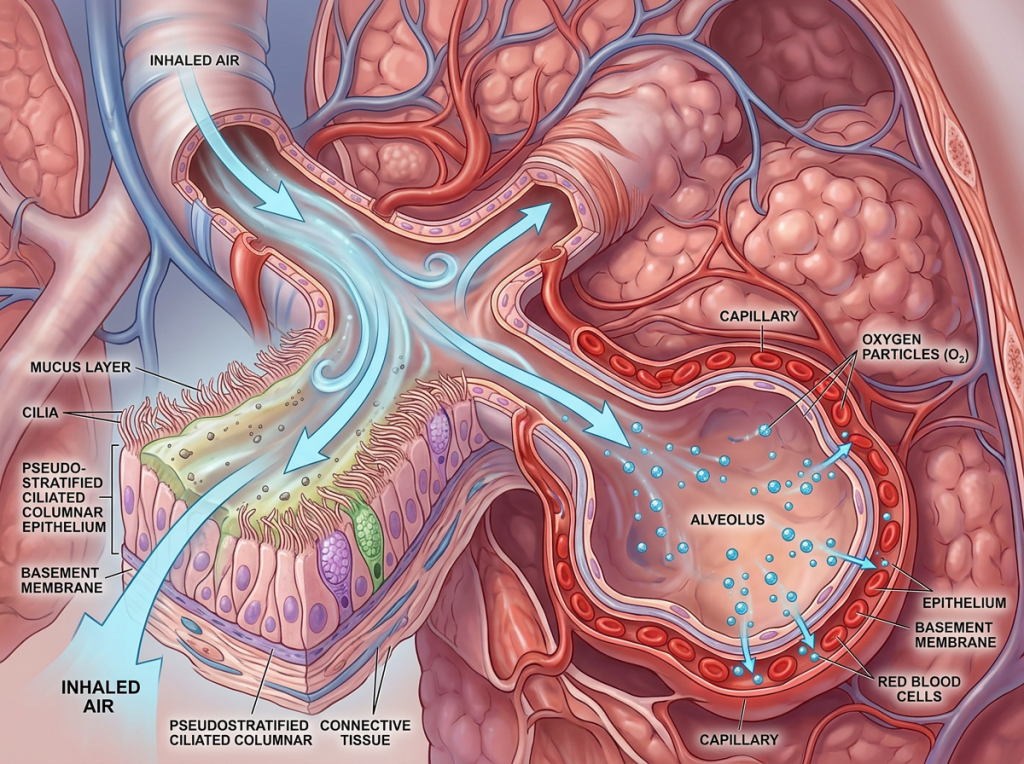
When you quit smoking, your lungs start a healing journey. Tiny hair-like structures in your lungs, called cilia, play a big role. They were damaged by cigarette smoke but start to recover soon after you quit.
In the first few days, cilia start working again. They help clear out mucus and toxins. You might cough more during this time. This is not a setback; it’s a sign that your body is healing. As cilia recover, they help remove mucus and tar that have accumulated over the years.

How Cilia Help Keep Your Lungs Clean
Cilia are key to lung health. They act like tiny escalators, sweeping out foreign particles and mucus. Smoking makes them less effective and causes respiratory issues. But as you quit smoking, they recover, improving lung function.
Noticeable Reduction in Shortness of Breath
As cilia work better, you’ll notice less shortness of breath. This is due to improved airflow and fewer respiratory infections. Embracing this phase of recovery is essential, as it signifies your body’s resilience and commitment to healing.
In summary, the first few months after quitting smoking are critical for lung recovery. The reactivation of cilia not only cleans your lungs but also leads to a healthier respiratory system. Celebrate the small victories during this time, as they pave the way for a healthier future.
One Year Smoke-Free: Heart Disease Risk Cut in Half
Reaching the one-year mark without smoking is a big deal. It’s a key moment on your path to better health. After just one year, your heart disease risk drops by half compared to a smoker.
Stopping smoking lets your body start fixing itself. In a year, many changes occur that help lower the risk of heart disease. Better blood flow and less inflammation in blood vessels are key. These changes make it less likely that blood clots will form, a major cause of heart disease.
Comparing Your Risk to Current Smokers
It’s important to see how quitting affects your risk compared to that of smokers. While smokers face high risks, your risk keeps going down. After one year, you’re not just a former smoker; you’re on a healthier path.
Smokers are more likely to have heart attacks and other heart problems. But quitting improves your heart health. This shows how quitting is key to staying healthy.
Long-Term Cardiovascular Benefits
The benefits of staying smoke-free keep getting better over time. After 1 to 2 years, your risk of heart attack drops significantly. This shows how quitting is a big step towards better health.
Quitting smoking not only helps your heart but also lowers the risk of many diseases. Making the choice to stay smoke-free is a powerful move. It leads to lasting benefits for your heart and overall health.

Five Years Smoke-Free: Stroke Risk Returns to Normal
Being smoke-free for five years is a big deal. Your body heals a lot after quitting. The good news keeps coming for years. By the five-year mark, your stroke risk is like someone who never smoked.
Smoking harms your body by thickening blood and causing artery blockages. This can lead to blood clots and strokes. But quitting starts your body’s healing. After five years, your stroke risk drops a lot, showing your body’s strength.
How Smoking Affects Your Stroke Risk
It’s important to know how smoking and stroke are linked. Cigarettes damage blood vessels and the heart, raising stroke risk. Quitting starts to heal and lower these risks over time.
Your Risk Becomes Similar to Never-Smokers
By the five-year mark, your stroke risk is like a non-smoker’s. This shows how well your body can heal from smoking damage. Here’s a quick look at stroke risk over time:
| Timeframe | Stroke Risk | Comparison to Non-Smokers |
|---|---|---|
| 1 Year Smoke-Free | Reduced Risk | Higher than Non-Smokers |
| 3 Years Smoke-Free | Significantly Reduced Risk | Lower than Current Smokers |
| 5 Years Smoke-Free | Normal Risk | Similar to Non-Smokers |
Reaching five years without smoking is a big achievement. It means your health keeps getting better. This milestone is not just about lower stroke risk. It’s the start of a healthier life. Your journey shows your strength and dedication.
Ten Years Later: Lung Cancer Risk Significantly Decreases
After ten years without smoking, your lung cancer risk drops a lot. This is a big deal for anyone who used to smoke. By then, your risk is half that of someone who keeps smoking.
This is a huge win for your health. Knowing the numbers can help you stay smoke-free. Let’s look at what this means for your health in the long run.
Understanding the Numbers
After ten years, your lung cancer risk goes down a lot. It won’t be the same as someone who never smoked, but it’s a big drop. Here’s how your risk compares:
| Time Frame | Risk of Lung Cancer | Comparison to Current Smokers |
|---|---|---|
| 10 Years Smoke-Free | 50% lower than smokers | Still elevated compared to non-smokers |
| 20 Years Smoke-Free | Similar to non-smokers | Equivalent risk |
| 30 Years Smoke-Free | Risk of lung cancer is nearly equal to non-smokers | Equivalent risk |
What This Means for Your Long-Term Health
The drop in lung cancer risk is more than a number. It’s a big change for your health. Every smoke-free year lowers your risk of other cancers too. This means you could live a longer, healthier life.
Quitting smoking is a big journey. Reaching ten years without smoking is a huge achievement. Celebrate this and keep working on your health. Quitting smoking brings many benefits, not just lower lung cancer risk. It opens the door to a brighter, healthier future.

Brain Benefits: Memory, Concentration, and Cognitive Function
When you quit smoking, your brain starts to heal. This leads to better memory and focus. Smoking harms your brain by reducing blood flow and oxygen delivery.
But stopping smoking helps your body and brain recover. Your brain gets the oxygen and nutrients it needs to work well.
Improved Circulation Supports Brain Health
With better circulation, your brain gets the oxygen and nutrients it needs. This is key for brain health. As your body, including your lungs, works better, your health improves.
This improvement in circulation also lowers your risk of heart disease. It boosts your cognitive abilities too.
Long-Term Mental Sharpness
Quitting smoking has long-term benefits. You may notice better mental clarity and sharper focus over time. Quitting smoking can also lower your risk of stroke and vascular dementia.
These changes help keep your mind sharp for years. Quitting smoking is a big step towards a healthier body and mind.
What Damage May Be Permanent
Long-term smoking can cause lasting damage that may not heal fully. Quitting can help your body recover in many ways. But some effects might stay with you forever. It’s important to know this if you want to get healthier after smoking for years.
Chronic Obstructive Pulmonary Disease (COPD) Considerations
Smokers face a big risk of chronic obstructive pulmonary disease (COPD). This includes lung diseases like emphysema and chronic bronchitis. Doctors say some damage from smoking may not go away.
Emphysema makes your lung air sacs burst. This causes your lungs to inflate too much and lose their shape. This damage can’t be fixed and affects your breathing. But quitting can slow down the disease’s progress. This helps keep your lungs working better and improves your life.
Conditions That May Not Fully Reverse
Quitting smoking has many benefits, but some damage can’t be fully reversed. Emphysema is a prime example. Quitting can prevent more damage, but the existing harm may stay.
Yet, quitting is a huge step forward. It greatly improves your health and life span, even with permanent damage. You can take charge of your health and aim for a better future, despite some challenges.
Conclusion
Deciding to quit smoking can feel overwhelming, but your body is very resilient. The healing starts right after you stop smoking. Your heart rate returns to normal within 20 minutes, and lung cancer risk drops after 10 years.
The best time to quit was right after you started. The second best time is now. Every day without cigarettes makes you healthier. Your lungs can heal and regain strength.
Starting to quit is a big step for your health. Each day without cigarettes improves your life and lowers health risks. Start your recovery journey today. Your future self will be grateful.
FAQ
Is it too late to quit smoking after 30 years?
No, it’s never too late to quit smoking. Health experts agree that quitting at any stage can lead to significant health benefits. These include improved life expectancy and quality of life.
What happens to my body when I quit smoking?
Your body starts to heal almost immediately. Within 20 minutes, your heart rate and blood pressure return to normal. Over time, circulation and lung function improve significantly.
How quickly does carbon monoxide leave my system after quitting?
Within 12 to 24 hours of quitting, the level of carbon monoxide in your bloodstream decreases. This allows more oxygen to circulate throughout your body.
Will I notice improvements in my health after quitting?
Yes, many people notice improvements in their daily lives within the first few weeks. They experience easier breathing, increased energy levels, and reduced coughing. Lung function begins to recover.
What role do cilia play in lung recovery?
Cilia are tiny hair-like structures in your lungs that help clear mucus and debris. After quitting smoking, cilia begin to recover. This leads to a reduction in coughing and respiratory infections.
How does quitting smoking affect my risk of heart disease?
After one year of being smoke-free, your risk of coronary heart disease is cut in half. This is thanks to improved circulation and reduced inflammation.
What about my risk of stroke?
After five years of quitting, your risk of stroke decreases to a level comparable to that of someone who has never smoked. Your body heals and circulation improves.
How does quitting smoking impact lung cancer risk?
After ten years of abstinence, your risk of developing lung cancer is roughly half that of a person who continues to smoke. This significantly reduces your chances of this serious disease.
Are there cognitive benefits to quitting smoking?
Yes, quitting smoking can improve circulation to the brain. This enhances memory, concentration, and overall cognitive function.
Is all damage from smoking reversible?
While many health improvements occur after quitting, some damage may be permanent. For example, damage from chronic obstructive pulmonary disease (COPD) may not be reversible. Quitting can slow disease progression and improve quality of life.


 trim down and shape up
Leave a comment