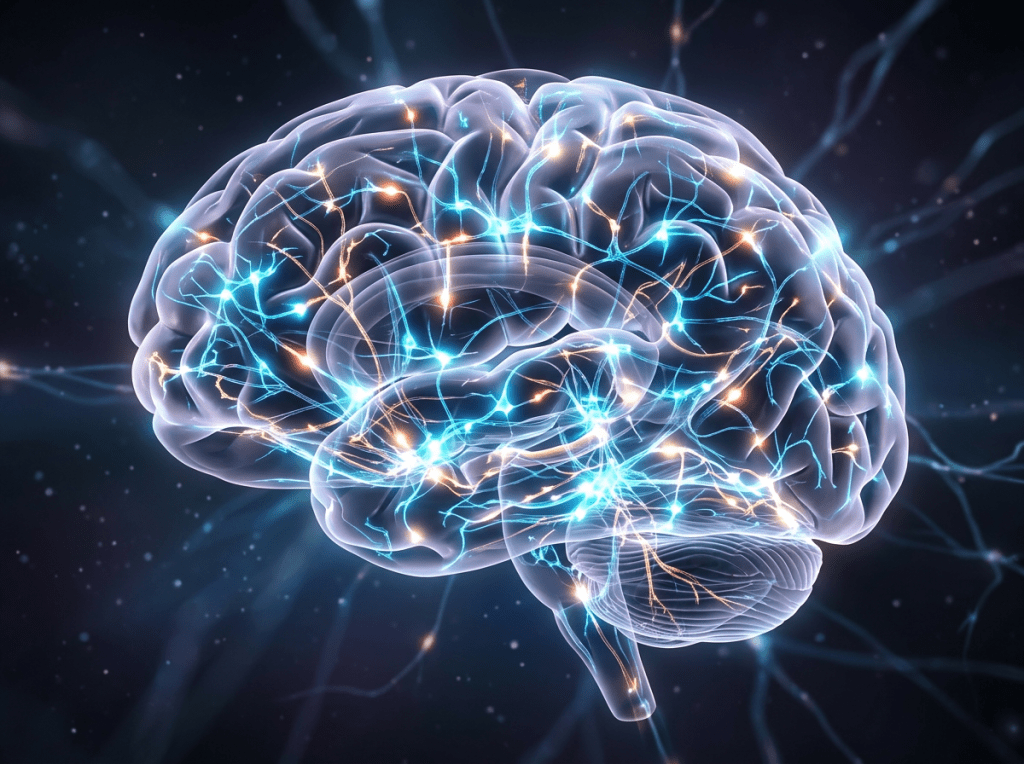


Did you know that the human brain can lose about 5 percent of its volume every decade starting at age 40? This is a shocking fact that many people don’t know. Aging brings many unwanted changes, including to our brains.
As you get older, you might notice your thinking skills getting a bit slower. Brain atrophy, or the loss of brain tissue, can start in your 30s. But not everyone loses brain tissue at the same rate. Cognitive psychologist Daniel Gustavson from the University of Colorado Boulder says some people may lose it more slowly.
Even with these challenges, there’s good news. Doing mentally challenging activities, like learning something new or playing a musical instrument, can help keep your brain sharp. This article will look into these changes and offer ways to keep your mind sharp as you age.

Key Takeaways
- The brain can lose about 5% of its volume per decade after age 40.
- Cognitive decline may begin in your 30s, but the rate varies among individuals.
- Learning new skills can help maintain cognitive function.
- Brain atrophy is a natural part of aging, but it’s not inevitable.
- Engaging in mentally challenging activities is key for brain health.
Understanding Why Your Brain Starts Shrinking After 40
As you get older, your brain changes a lot. These changes start slowly and are often hard to notice. But they get more obvious when you hit your 40s. Knowing about these changes is key to keeping your brain sharp as you age.
The Natural Aging Process and Your Brain
Your brain ages naturally throughout your life. This includes:
- Gradual volume loss: After age 40, our brains lose about 5% of their volume per decade.
- Neuronal shrinkage: Neurons may shrink, reducing brain tissue weight.
- Synaptic loss: The connections between neurons, known as synapses, can diminish over time.
How brain volume changes with age
Studies show that the brain starts to shrink in your 30s or 40s. Not all parts of the brain shrink at the same rate. Knowing this can help you protect your brain health.
The 5% per decade loss explained
Our brains lose about 5% of their volume each decade after 40. This loss can affect how well we think and remember. It’s important to be aware of this to take care of our brains.
When Does Brain Shrinkage Accelerate?
As you get older, brain shrinkage can speed up. Knowing when this happens is important for your brain health.
Why age 67 is a critical turning point
Brain degeneration accelerates significantly around age 67. This is a key time for taking action to protect your brain. Understanding this can help you keep your brain healthy as you age.
What Happens Inside Your Brain After 40
When you turn 40, your brain starts to change a lot. These changes affect how it works and looks. Knowing about these changes can help you stay sharp and healthy.
Cortical Density Changes
The outer layer of your brain, called the cerebral cortex, gets thinner with age. This thinning is most noticeable in the frontal lobe. It’s the part of your brain that handles complex thinking and making decisions.
As your cortical density goes down, you might find it harder to think quickly or solve problems. This can be a bit of a challenge, but it’s a normal part of getting older.
Impact on thinking and processing
With less cortical density, your brain takes longer to process information. You might struggle to remember things or solve problems that were once easy. It’s a natural aging process.
But don’t worry, “The mind is like a muscle; the more you use it, the stronger it gets.” So, keep using your brain to keep it sharp.
White Matter Alterations
White matter, made of myelinated nerve fibers, also changes after 40. The myelin sheath, which protects these fibers, starts to break down. This makes it harder for different parts of your brain to communicate.
Effects on communication between brain regions
As white matter declines, you might find it harder to recall things or coordinate your thinking. Tasks that need you to think in steps can become more difficult. It’s important to keep your brain active to help with these challenges.
Neurotransmitter System Decline
Another big change is the decrease in neurotransmitter systems. Neurotransmitters like dopamine, serotonin, and acetylcholine are key for mood, memory, and muscle control. As you age, your brain makes less of these important chemicals.
How chemical messaging changes affect function
Dopamine levels, for example, drop by about 10% every decade from early adulthood. This can affect how well you think and move. You might forget where you put things or struggle to remember recent conversations.

Key Areas Affected by Brain Shrinkage
Knowing which parts of your brain shrink as you age is key. Brain atrophy primarily affects specific brain regions, leading to cognitive problems. Knowing these spots helps you take care of your brain.
Regions Most Vulnerable to Volume Loss
The following brain regions are most affected by age-related volume loss:
- Frontal Lobe Changes: The prefrontal cortex, key for problem-solving and adaptation, shrinks significantly. This can make it hard to control impulses and interact socially.
- Hippocampus and Memory Centers: The hippocampus, vital for memory and navigation, also shrinks a lot. This can make it tough to remember new things.
- Other Affected Areas: The striatum, temporal lobe, cerebellar vermis, and hemispheres also shrink. This contributes to cognitive decline.
How Shrinkage Impacts Cognitive Function
When certain brain areas shrink, cognitive function changes:
- Memory: It gets harder to make new memories, making it tough to remember names or events.
- Attention: You might struggle to stay focused, which can lead to distractions during tasks.
- Processing Speed: Slower processing can make it hard to quickly respond to information or stimuli.

Who’s at Higher Risk for Brain Atrophy
Knowing who is at risk for brain atrophy is key to protecting your brain. Aging is a common factor, but certain conditions and lifestyle choices also increase your risk. Let’s dive into these factors.
Factors That Increase Your Risk
Previous head or brain injuries
If you’ve had a head or brain injury, you might face a higher risk of brain atrophy. Such injuries can harm brain tissue, causing inflammation and faster volume loss. Even mild concussions can harm your brain over time, so it’s important to be careful during physical activities.
Heavy alcohol consumption effects
Heavy drinkers are also at a higher risk for brain atrophy. Alcohol is harmful to brain cells, causing memory problems. Drinking too much can shrink brain tissue, leading to cognitive decline.
Smoking and vascular damage
Smoking also affects your brain health. It damages blood vessels, reducing blood flow to the brain. This can starve brain cells of oxygen and nutrients, accelerating cognitive decline and increasing the risk of brain atrophy.
Everyone Over 40 Is at Risk
It’s important to remember that everyone over 40 is at risk for brain atrophy. The natural aging process makes your brain more prone to shrinkage. As you age, your brain structure and function change, leading to cognitive decline. Understanding this can help you prevent it.
Why age alone matters
Age is a big factor in brain health. As you get older, your brain undergoes changes that can lead to cognitive decline. While some risks can be changed, age is not. Being aware of this can help you focus on other lifestyle choices to reduce your risk.

Can Brain Shrinkage Lead to Dementia?
It’s important to know if brain shrinkage can lead to dementia. As we age, our brains naturally shrink a bit. But the big question is: can it lead to dementia? Studies show that while some shrinkage is normal, excessive shrinkage can be a concern.
Understanding the Connection
Dementia becomes more common with age. About 20% of those aged 80 have it, and this number jumps to 40% for those aged 90. Alzheimer’s disease is the main cause, making up 40%–70% of cases. Vascular dementia is another big one, making up 15%–30%.
These two types of dementia often overlap. This suggests that brain shrinkage might play a part in their development.
When Atrophy Becomes Concerning
Some brain shrinkage is okay, but too much is not. Severe shrinkage, like in the hippocampus, can signal dementia. If you often forget things, it might be a sign of dementia.
Warning Signs to Watch For
It’s key to tell normal forgetfulness from serious symptoms. Here are some signs to watch:
- Getting lost in familiar places
- Repeatedly asking the same questions
- Struggling to follow conversations
If you or someone you know shows these signs, see a doctor. Early action can help a lot.
Distinguishing Normal Decline from Disease
It’s vital to know the difference between normal aging and dementia. Forgetting where you put things is normal. But forgetting recent events or conversations is not. Spotting these differences helps keep your brain healthy.

Other Causes and Symptoms of Brain Atrophy
Brain atrophy can happen for many reasons, not just aging. Knowing these reasons helps us protect our brain health.
Medical Conditions That Accelerate Shrinkage
Many health problems can cause brain atrophy. These include:
- Neurological diseases and disorders: Diseases like Alzheimer’s, vascular dementia, and frontotemporal dementia can cause brain tissue loss.
- Vascular health issues: High blood pressure, diabetes, and high cholesterol can harm brain blood flow.
- Small vessel disease: This disease damages small brain blood vessels, leading to microinfarctions and atrophy.
These conditions can worsen age-related brain shrinkage. It shows how important it is to take care of your health.
Recognizing Symptoms of Brain Atrophy
Spotting brain atrophy symptoms early is key. These signs can affect both your body and mind:
- Physical indicators: You might notice coordination issues, balance problems, or muscle weakness.
- Cognitive indicators: Symptoms such as memory loss, confusion, and language difficulties can also occur.
Symptoms vary based on the affected brain areas and the cause. Knowing these other symptoms of brain atrophy helps you get help when needed.

Mental Activities That Fight Brain Shrinkage
Challenging your mind with tough activities can really help fight brain shrinkage. These activities are more than just hobbies; they’re key in the battle against brain decline. By pushing yourself mentally, you boost your brain’s ability to change and adapt.
Why Mentally Challenging Activities Matter
Doing mentally tough tasks is vital for keeping your brain healthy as you get older. These activities help create new brain cells and neural pathways, which are key to thinking clearly. It’s like finding a new way to work when your usual route is closed. Every challenge you take on makes your brain stronger.
Building New Neurons and Pathways
Learning something new means you’re making new brain cells and neural pathways. This is important for building cognitive reserve. Cognitive reserve helps your brain better handle age-related changes or damage. By doing mentally stimulating activities, you strengthen your brain’s connections, improving how different parts communicate.
The Science Behind Mental Scaffolding
Research shows your brain can change, even as an adult. Challenging activities boost your brain’s connections and help neurotransmitters work well. This means your brain’s networks get stronger, improving how it works overall.
Neurologist Insights on Counteracting Damage
Experts say building cognitive reserve through tough activities is a smart way to keep your brain healthy. Learning new skills keeps your mind sharp and builds a stronger brain structure. As you strengthen the corpus callosum, your brain’s hemispheres communicate better, boosting your thinking skills.

How Neuroplasticity Helps Your Aging Brain
Your brain is amazing at adapting and changing, even as you get older. This ability, called neuroplasticity, lets your brain rebuild and reorganize itself. Neurologist Golnaz Yadollahikhales calls this “mental scaffolding.” It shows how your brain can make new neural pathways to replace old ones.
Your Brain’s Ability to Rebuild
Learning is key to making new connections in your brain. Every time you learn something new, your brain forms stronger neural connections. This keeps your mind sharp and helps you multitask better.
How Learning Creates New Neural Connections
When you face new challenges, your brain forms new neural pathways. These pathways help different parts of your brain communicate better with each other. For example, using both hands to accomplish a task can strengthen your brain’s largest connection.
Training Your Brain to Stay Strong
Keeping your brain active is important. Doing different activities that challenge your brain can improve your thinking skills. Studies show that learning with others can make these benefits even stronger.
Evidence-Based Approaches
To keep your brain sharp, try these proven methods:
- Do puzzles and play games that challenge you.
- Learn to play a musical instrument or a new language.
- Join group classes or workshops.
- Practice mindfulness and meditation.
It’s never too late to start building your mental strength. The effort of learning itself is what grows your brain.

Practical Activities to Keep Your Brain Sharp
To keep your mind sharp, try different activities. Doing challenging things keeps your brain active and healthy. Here are some ideas to get you started.
Creative Outlets for Brain Health
Creative activities are great for your brain and fun. Here are a few ideas:
Cooking and Culinary Skills
Cooking uses planning and sequencing. It also engages your senses, improving your brain. Trying new recipes is rewarding and mentally stimulating.
Painting and Artistic Pursuits
Painting boosts your brain’s visual and emotional centers. It doesn’t matter if you’re new or experienced. Painting lets you express yourself and keeps your mind sharp.
Dancing and Movement Arts
Dancing mixes physical movement with rhythm. It also helps you connect with others. Learning new dances challenges your memory and coordination.
Intellectual Pursuits That Build Neural Pathways
Intellectual activities strengthen your brain’s connections. Here are some options:
Writing and Journaling
Writing organizes thoughts and processes emotions. Keeping a journal improves language skills and cognitive function. It’s a great way to reflect and engage your mind.
Coding and Technology Skills
Coding tests your logical thinking and problem-solving. It strengthens your brain’s pathways. Coding, whether for a simple website or complex program, is rewarding.
Learning New Skills
Expanding your skills is key for cognitive health. Here are two ways to learn:
New Languages and Communication
Learning a new language builds neural networks. It boosts communication skills and may slow cognitive decline. Try a language class or app to start.
Sports and Physical Learning
Learning a new sport combines physical exercise with learning. It’s good for both your mind and body. Choose sports like tennis, swimming, or martial arts.
Playing a musical instrument is the best brain-training activity. It uses nearly every brain region. Instruments like the piano, guitar, or drums improve executive function and memory.

Treatment Options for Brain Atrophy
Exploring effective treatment options for brain atrophy can empower you to take control of your mental well-being. While there is no definitive cure for age-related brain shrinkage, a combination of medical interventions and lifestyle changes can significantly slow its progression.
Medical Interventions and Approaches
Current treatment strategies focus on managing underlying conditions that contribute to brain atrophy. Medications may help slow cognitive decline for those dealing with hypertension or diabetes. Regular medical check-ups are essential for monitoring cardiovascular health, as cardiovascular health plays a critical role in brain function.
Current treatment strategies
- Medications to manage cognitive decline
- Regular health screenings for early detection
- Management of chronic conditions
Lifestyle-Based Prevention Methods
In addition to medical approaches, adopting healthy lifestyle habits can significantly benefit your brain health. Here are some key areas to focus on:
Diet, exercise, and brain health
- Get physically active every day: Exercise increases blood flow to your brain, promoting overall health.
- Eat healthy: A heart-healthy diet rich in fruits, vegetables, fish, and lean proteins supports brain function. Pay special attention to vitamin B, which aids neurotransmitter production.
- Stay socially connected: Engaging with friends and family can enhance mental well-being and reduce feelings of isolation.
Managing stress, getting adequate sleep, and avoiding smoking and excessive alcohol consumption are vital. Remember, a multi-pronged approach combining medical oversight with consistent healthy habits offers the best defense against brain atrophy.

Conclusion
Your brain starts shrinking after 40, but there’s hope. This change is part of aging, but it doesn’t mean you’ll lose your mind. Research shows your brain can adapt and grow at any age.
Michael Snyder, a genetics professor at Stanford School of Medicine, says learning is for everyone. The effort you put into learning can make your brain grow, no matter your age.
Trying new things can change your brain’s structure. Whether it’s playing music, learning a new language, or painting, it keeps your mind active. Exercise and a healthy diet also help keep your brain sharp.
Think of brain health as an investment for life. Small, consistent steps can lead to big improvements. The effort to learn, not just the outcome, is what grows your brain.
You have the power to shape your brain’s future. By choosing to learn and stay mentally active, you can fight off the effects of aging. It’s never too late to start this journey.
Embrace lifelong learning and stay mentally engaged. With the right mindset and activities, you can protect your brain and improve your life.






Leave a Reply