


What you do in the evening may have more of an impact on your health than you realize.
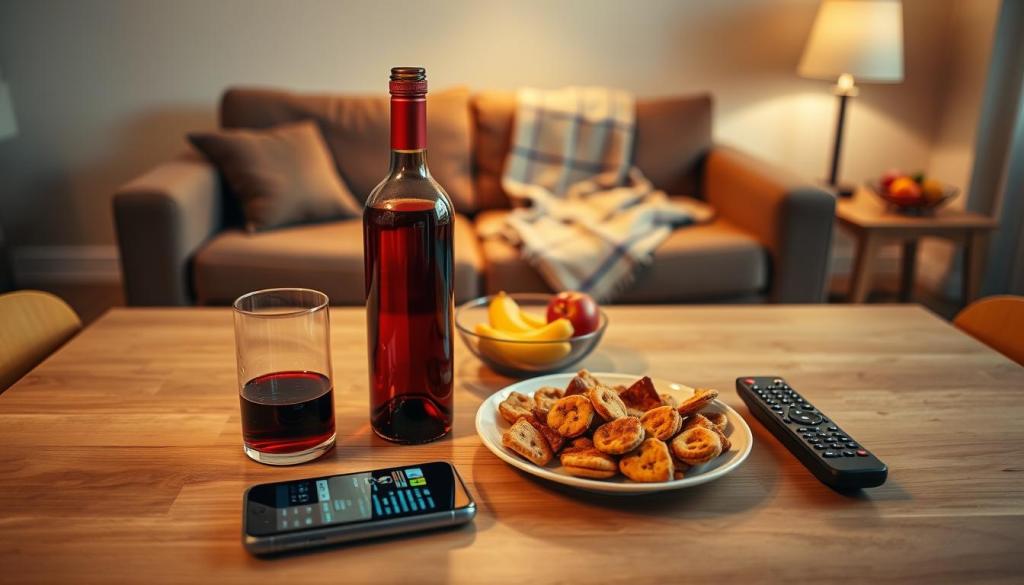
When the workday is over, it’s easy to fall into habits that feel harmless—ordering takeout, having a drink, grabbing something sweet, or settling onto the couch for the rest of the night. But if those habits become part of your routine, they can work against your heart and blood vessel health.
Many strokes can be prevented through lifestyle changes and better management of risk factors, according to the CDC. This means that your daily choices can have a significant impact on your health.
And you don’t have to completely overhaul your life to get started.
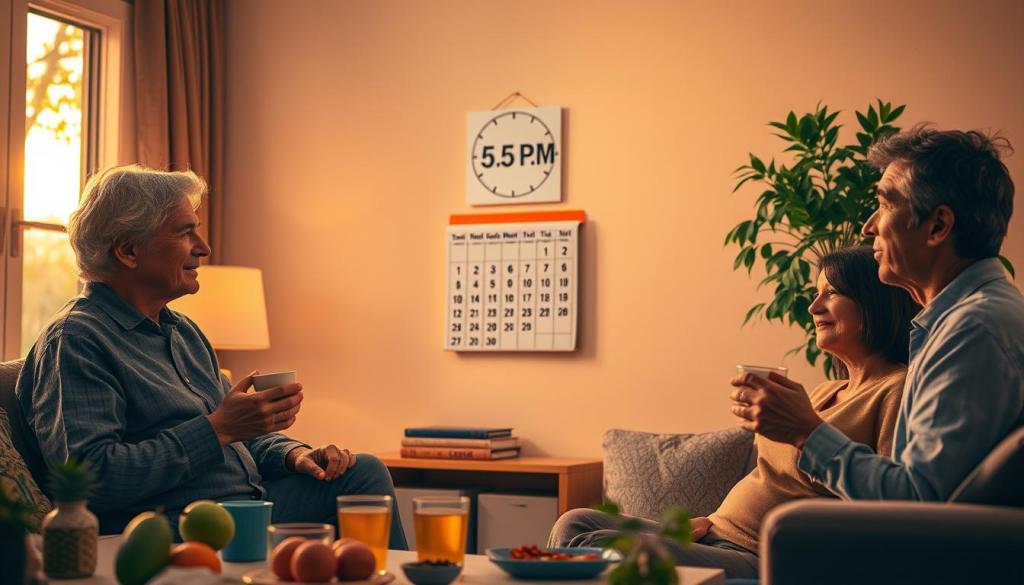
Making a few simple changes to your evening routine—especially after 5 P.M.—can help you manage blood pressure, maintain a healthy weight, stay active, and support your cardiovascular health.
In this article, you’ll learn about four evening habits worth cutting back on if you want to reduce your stroke risk.
Key Takeaways
- Many strokes can be prevented by addressing lifestyle and health risk factors.
- Your evening routine is part of your overall approach to heart health.
- High-sodium foods can contribute to high blood pressure.
- Excessive alcohol consumption can increase stroke risk.
- Too much added sugar can make it harder to maintain a healthy weight and cardiovascular health.
- Sitting for hours after dinner keeps you from getting the movement your body needs.
- Simple alternatives, such as walking after dinner, can make your evenings healthier.
Why Your Evening Routine Matters

You probably don’t think much about stroke prevention when you’re relaxing after dinner. But your evening habits are still part of the bigger picture.
Your blood pressure, blood sugar, weight, activity level, sleep, and overall cardiovascular health all contribute to your long-term stroke risk. What you eat and drink in the evening—and how much you move—can influence several of these factors.
The CDC reports that someone in the United States has a stroke about every 40 seconds. Stroke can cause permanent disability and remains a major health concern.
The good news is that you have some control over many of the factors that contribute to stroke.
That doesn’t mean one unhealthy dinner or one evening on the couch will cause a stroke. It’s the pattern of your habits over time that matters most.
So instead of worrying about being perfect, focus on building better routines you can actually maintain.
The 4 Things to Avoid After 5 P.M.
If you want to make your evenings more heart-friendly, start by paying attention to these four habits:
- Eating high-sodium meals
- Drinking too much alcohol
- Consuming too much added sugar
- Sitting for long periods
You don’t necessarily have to eliminate these things completely. The goal is to make healthier choices more often and to avoid letting unhealthy habits become nightly routines.
Let’s take a closer look.
1. High-Sodium Meals
Dinner can be one of the easiest times of day to overdo sodium.
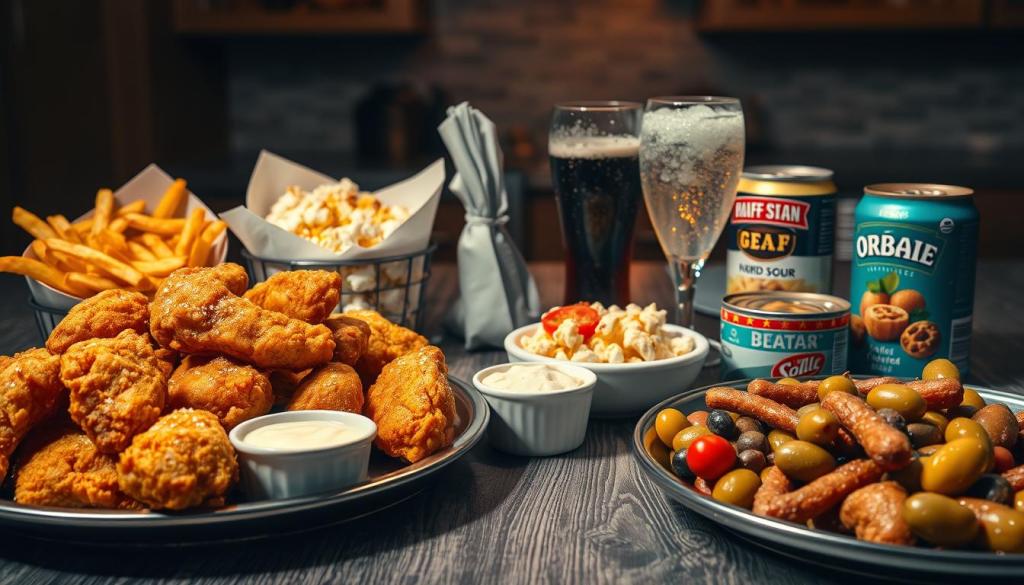
Restaurant meals, frozen dinners, pizza, processed meats, canned soups, sauces, and packaged foods can contain surprisingly large amounts of sodium. You may not even realize how much you’re eating until you start checking food labels.
The problem is that too much sodium can contribute to higher blood pressure—and high blood pressure is one of the most important risk factors for stroke.
Why Sodium Matters
Your body requires sodium, which helps maintain fluid balance and is essential for the proper functioning of nerves and muscles. The issue arises from overconsumption.
When you regularly eat large amounts of sodium, your body may retain more fluid. This can increase the pressure placed on your blood vessels and contribute to hypertension.
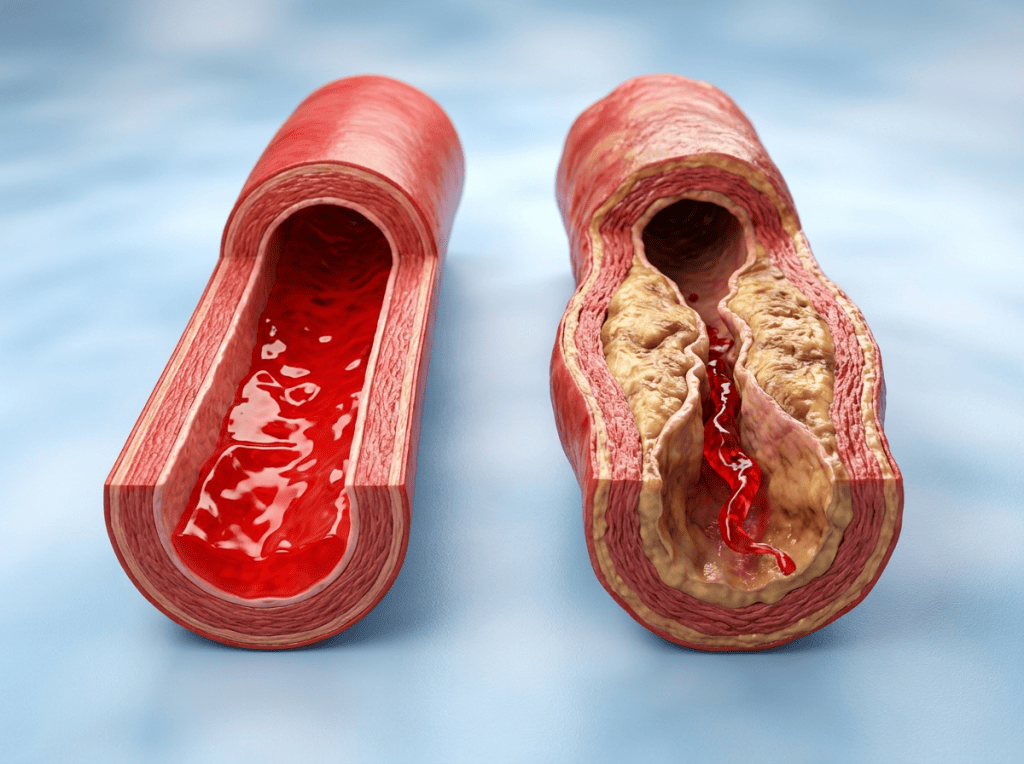
Over time, uncontrolled high blood pressure can damage blood vessels and increase your risk of cardiovascular problems, including stroke.
Easy Ways to Cut Back at Dinner
You don’t have to sacrifice flavor to eat less sodium. Try a few simple changes:
- Use garlic, herbs, lemon juice, pepper, and spices instead of salt.
- Choose fresh or frozen vegetables more often than heavily salted canned versions.
- Rinse canned beans before eating them to reduce sodium.
- Look for reduced-sodium broths, soups, and sauces.
- Cook at home more often when possible.
- Check nutrition labels on packaged foods.
The FDA recommends limiting sodium to less than 2,300 milligrams per day for most adults. Some people may benefit from consuming less, particularly if they have high blood pressure.
A lower-sodium dinner isn’t just about avoiding salt. It’s about building meals around foods that naturally contain less sodium, such as vegetables, fruits, beans, whole grains, and minimally processed proteins.
2. Alcohol
For many people, an evening drink is part of winding down after a busy day.
But if that drink turns into two or three every night, it can become a problem for your cardiovascular health.
Excessive alcohol consumption can increase blood pressure and heighten the risk of stroke. Excessive alcohol use can also contribute to weight gain and may increase the risk of atrial fibrillation, an irregular heart rhythm that is associated with stroke.
How Alcohol Can Affect Stroke Risk
The relationship between alcohol and health isn’t as simple as saying one drink is always harmful or that everyone needs to avoid alcohol completely.
Your overall intake matters.
Regular heavy drinking is particularly concerning. It can contribute to high blood pressure and other conditions that increase cardiovascular risk. Binge drinking can be especially dangerous.
If you currently drink, consider how often alcohol appears in your evening routine.
Is it something you occasionally enjoy, or has it become something you feel you need every night?
That distinction matters.
Try a Different Evening Drink
If you enjoy having something special after dinner, you have plenty of alternatives.
Try:
- Sparkling water with lemon, lime, or berries
- Herbal tea
- A fruit-infused water
- A low-sugar mocktail
- Unsweetened iced tea
You don’t have to make your evening feel restrictive. Simply replacing some alcoholic drinks with healthier options can be a positive change.

3. Added Sugar
After a long day, your sweet tooth can become surprisingly persuasive.
Maybe it’s a bowl of ice cream while watching television. Maybe it’s a couple of cookies after dinner or a sugary drink before bed.
Occasionally, that’s not a big deal. But regularly loading up on added sugar in the evening can make it harder to maintain a healthy weight and support good cardiovascular health.
Why Too Much Added Sugar Can Be a Problem
Foods and drinks high in added sugar often provide many calories without offering much nutritional value.
Eating them frequently can contribute to excess calorie intake and weight gain. Over time, diets high in added sugars can also make it harder to maintain healthy blood sugar and triglyceride levels.
And there’s another issue: sugary foods can be easy to overeat.
One cookie can quickly become three. A small bowl of ice cream can turn into a much larger serving before you realize it.
Better Evening Snacks
If you’re genuinely hungry after dinner, you don’t have to ignore your hunger. Instead, choose something that provides more nutritional value.
Try:
- Greek yogurt with fresh berries
- An apple with a little peanut butter
- A small handful of unsalted nuts
- Carrots, celery, or bell peppers with hummus
- Fresh fruit
- A small serving of cottage cheese with fruit
Keeping healthier options available makes it easier to make a good choice when cravings hit.
And don’t forget about drinks. Soda, sweet tea, flavored coffees, and other sugary beverages can add a surprising amount of sugar to your day.
4. Prolonged Sitting
After being busy all day, sitting down at night can feel like a reward.
There’s nothing wrong with relaxing. The problem comes when “I’ll sit down for a few minutes” turns into three or four hours of barely moving.
Long periods of sedentary behavior aren’t ideal for your cardiovascular health. Regular physical activity helps support healthy blood pressure, blood sugar, cholesterol levels, body weight, and circulation.
Why Movement Matters
Your body was designed to move.
You don’t need to spend your entire evening exercising, either. Breaking up long periods of sitting with short bouts of movement can be a simple way to become more active.
A short walk after dinner, some stretching, or even doing household chores gets you off the couch and moving.
Regular physical activity is associated with a lower risk of cardiovascular disease and stroke.
Easy Ways to Move After 5 P.M.
Try adding movement to activities you already do:
- Take a 10- to 20-minute walk after dinner.
- Walk the dog.
- Stretch while watching television.
- Do some light household chores.
- Work in the yard.
- Take the stairs when practical.
- Stand up and move around during television commercial breaks.
- Try a short beginner-friendly workout.
You don’t need to turn every evening into a workout session. The goal is simply to avoid spending the entire evening sitting.
Other Ways to Lower Your Stroke Risk
Your evening routine is only one piece of the puzzle.
If you want to lower your overall stroke risk, pay attention to the bigger picture as well.
Keep Your Blood Pressure Under Control
High blood pressure is one of the leading risk factors for stroke. Check your blood pressure regularly and work with your healthcare professional if your readings are consistently high.
Don’t Smoke
Smoking damages blood vessels and significantly increases cardiovascular risk. If you smoke, quitting is one of the most important things you can do for your health.
Watch Your Cholesterol and Blood Sugar
High cholesterol and poorly controlled blood sugar can contribute to cardiovascular disease. Regular checkups can help you identify problems early.
Stay Physically Active
Aim for at least 150 minutes of moderate-intensity physical activity each week, unless your healthcare professional recommends a different amount.
Get Enough Sleep
Poor sleep can affect blood pressure, blood sugar, weight, and cardiovascular health. Aim for a consistent sleep schedule and talk with your healthcare professional if you regularly have trouble sleeping.
Manage Stress
Chronic stress can impact blood pressure and make healthy habits harder to maintain. Find ways to decompress that work for you, whether it’s walking, reading, spending time with family, listening to music, or practicing relaxation techniques.
Build a Heart-Healthy Dinner With the DASH Eating Pattern
One of the easiest ways to improve your evening meals is to follow the principles of the DASH eating pattern.
DASH stands for Dietary Approaches to Stop Hypertension. It’s designed to help support healthy blood pressure and emphasizes foods such as fruits, vegetables, whole grains, beans, nuts, fish, poultry, and low-fat dairy.
It also encourages you to limit sodium, added sugars, and foods high in saturated fat.
What Should Your Dinner Plate Look Like?
You don’t need to count every calorie or measure every bite.
Instead, try this simple approach:
- Fill about half your plate with vegetables.
- Include a serving of lean protein.
- Choose whole grains such as brown rice, quinoa, or whole-grain pasta.
- Add beans or lentils when you can.
- Finish with a piece of fruit if you want something sweet.
For example, you might have grilled chicken, roasted broccoli, a small serving of brown rice, and fresh berries for dessert.
Simple meals like this can be satisfying without being overloaded with sodium, added sugar, or unhealthy fats.
Take a Short Walk After Dinner
Here’s one habit that’s surprisingly easy to add to your evening: walking.
You don’t need expensive equipment or a gym membership. Just put on a comfortable pair of shoes and head outside.
Even a 10-minute walk can be a good starting point.
Walking after dinner can also help you avoid the temptation to immediately settle onto the couch. And regular physical activity can support healthy blood pressure, blood sugar, body weight, and cardiovascular health.
Make Your Walk a Routine
The easiest way to stick with a new habit is to make it predictable.
Try walking at the same time each evening. Invite your spouse, friend, or family member to join you. Take the dog along if you have one.
If the weather isn’t cooperating, walk indoors, use a treadmill, or simply spend a few minutes moving around your home.
Don’t worry about making every walk perfect.
Consistency is far more important.
Create a Healthy Wind-Down Routine
Your evening shouldn’t be all about what you need to avoid.
It’s also an opportunity to create habits that help you relax.
After a busy day, give yourself some time to slow down before going to bed. A calmer evening can make it easier to get the quality sleep your body needs.
Try:
- Dimming the lights in the evening.
- Putting away electronic devices before bed.
- Reading a book.
- Doing some gentle stretching.
- Practicing slow, deep breathing.
- Listening to calming music.
- Taking a warm shower or bath.
- Spending a few quiet minutes preparing for the next day.
You don’t need a complicated nighttime routine. Choose two or three things that help you relax and make them part of your evening.
Protect Your Sleep
Sleep is often overlooked when people talk about stroke prevention, but it’s an important part of your overall health.
Poor sleep and certain sleep disorders are associated with cardiovascular problems, including high blood pressure and stroke.
Sleep apnea deserves particular attention. Loud snoring, gasping during sleep, morning headaches, and excessive daytime tiredness can sometimes be signs of sleep apnea.
If those symptoms sound familiar, talk with a healthcare professional about whether you should be evaluated.
Simple Sleep Habits to Try
You can also improve your sleep routine by:
- Going to bed and waking up around the same time each day.
- Keeping your bedroom dark, quiet, and comfortable.
- Limiting caffeine later in the day.
- Avoiding heavy meals close to bedtime.
- Limiting alcohol, which can interfere with sleep quality.
- Turning off electronic devices before bed.
- Giving yourself time to relax before getting into bed.
Better sleep won’t eliminate your risk of stroke, but it can support many of the health factors that matter.
The Bottom Line
You don’t need to completely change your life to start taking better care of your cardiovascular health.
Look at what you do after 5 P.M. Do your evenings regularly include salty takeout, several alcoholic drinks, sugary snacks, and hours on the couch?
If so, you have some easy opportunities to make improvements.
Start small.
Choose a lower-sodium dinner. Replace an alcoholic drink with sparkling water. Reach for fruit instead of a sugary dessert. Take a 10-minute walk after dinner instead of sitting down immediately.
Then build from there.
The most important thing to remember is that stroke prevention isn’t about a single perfect meal or a single evening walk. It’s about the habits you repeat day after day.
Your evening routine is one more opportunity to make choices that support your heart, blood vessels, and long-term health.
If you’re concerned about your personal stroke risk—or you have high blood pressure, diabetes, high cholesterol, atrial fibrillation, or another cardiovascular condition—talk with your healthcare professional about the steps that are right for you.



Leave a Reply