

Nearly half of all adults in the United States have some form of cardiovascular disease. Artery problems can develop quietly, and many people miss changes until blood flow becomes significantly restricted. Warning signs your arteries may be under strain can go unnoticed.
As plaque builds up in the arteries, it can cause serious problems in vital organs, including the heart and brain. Not every symptom means you have a blockage; fatigue, dizziness, and cold feet have many causes. Still, recurring, unexplained, or worsening symptoms require advice from a healthcare professional.
This article explains critical warning signs of arterial strain. Chest pressure during physical activity, leg cramping, and sudden changes in limb temperature should not be ignored. Some symptoms seem harmless, but sudden chest pressure or stroke-like signs need immediate medical attention.

Key Takeaways
- Artery problems can develop gradually and often go unnoticed.
- Symptoms like fatigue and dizziness can have multiple causes.
- Recurring symptoms should prompt a visit to a healthcare provider.
- Chest pressure during exertion is a significant concern.
- Emergency care is crucial for sudden or severe symptoms.
What Healthy Arteries Do and Why Strain Matters
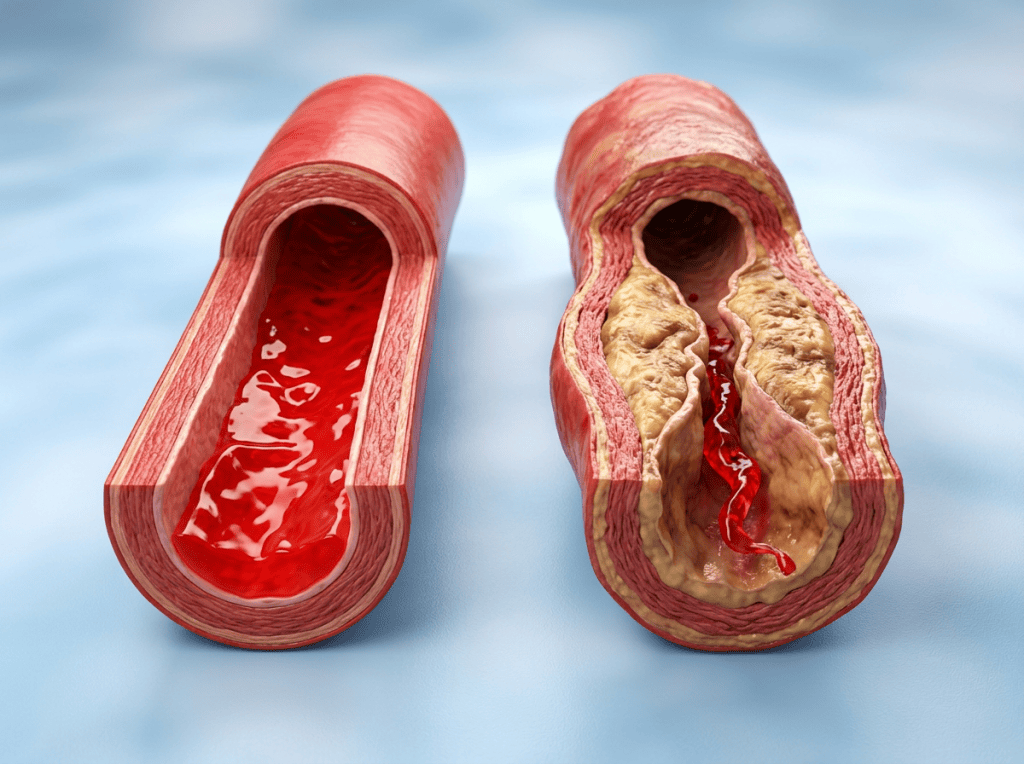
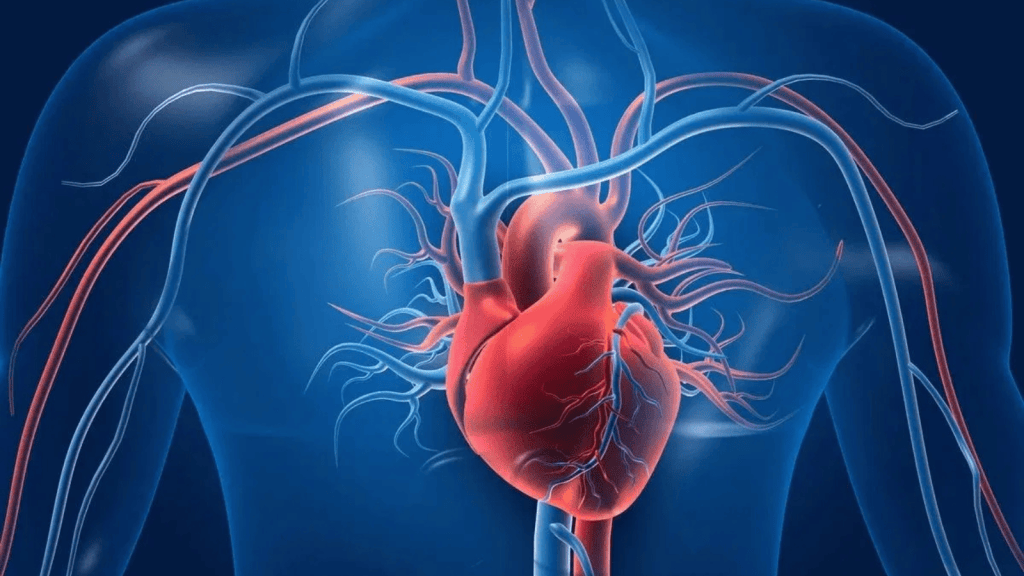
Understanding what healthy arteries do is key to recognizing the importance of arterial strain. Healthy arteries are flexible blood vessels that carry oxygen-rich blood from your heart to organs and muscles. Think of them as open tunnels that let blood flow freely. When arteries strain, they may stiffen, narrow, or develop plaque, limiting this vital flow.
Atherosclerosis develops when fatty deposits, cholesterol, calcium, and other materials build up in artery walls over time. This buildup reduces space for blood flow and can cause serious health problems. When symptoms do appear, they may affect the chest, brain, legs, feet, or other areas, depending on which arteries are involved.
Restricted blood flow to the coronary arteries can cause chest pressure or shortness of breath. Reduced circulation to the legs may cause cramping, cold feet, or numbness. The body may form collateral vessels around a blockage, but these routes may not supply enough blood during physical activity.
Treating arterial strain is essential because untreated conditions can greatly reduce mobility and quality of life. They can also raise the risk of heart attack, stroke, tissue damage, and other complications.

Warning Signs Your Arteries May Be Under Strain
Understanding the warning signs of arterial disease helps protect cardiovascular health. Symptoms may develop slowly, appear during exertion, or emerge after major artery narrowing. Many of these signs also have less serious explanations, so one symptom doesn’t automatically mean your arteries are clogged. Still, recurring, unexplained, or worsening changes deserve a conversation with a healthcare professional.
You Feel Chest Pressure During Activity
Chest pressure during activity may signal chest pain or pressure from reduced coronary blood flow. It can feel like heaviness, tightness, or a squeezing sensation while walking, climbing stairs, under stress, or after a heavy meal. Pressure that eases with rest may suggest exertional angina; severe pressure, sweating, nausea, or trouble breathing require immediate care.
Your Legs Cramp While Walking
Claudication means leg cramps while walking, with aching, burning, or cramping in the calf, thigh, or buttock. Narrowed arteries reduce oxygen delivery, causing symptoms at predictable distances and making daily activities harder. Arthritis or muscle strain can also cause discomfort, but worsening claudication or rest pain needs vascular evaluation.
One Foot Feels Colder Than the Other
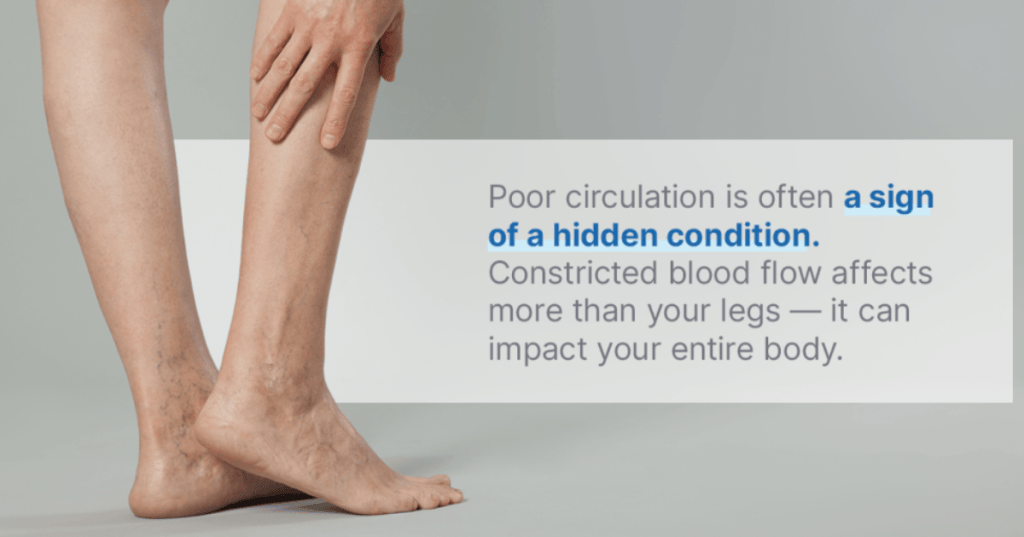
Cold feet and unequal leg temperature may signal reduced blood flow, especially when one foot feels colder than the other. New coldness with numbness, tingling, color changes (pale or bluish skin), weak pulses, or slow-growing toenails needs care. Room temperature and footwear can cause temporary changes, but a suddenly cold, pale, or painful foot is an emergency.
Your Legs Feel Heavy or Tired
Leg heaviness can indicate tired legs due to reduced circulation and limited oxygen during activity. Shopping or climbing stairs may require more effort, while venous disease or joint problems can cause similar feelings. Track walking distance and recovery time; symptoms that improve with rest but return with activity deserve medical advice.
Leg Hair Is Disappearing
Leg hair loss from poor circulation may result when chronic blood flow problems affect the skin and hair follicles. Hair loss alone does not prove blockage, but cold feet, shiny skin, or slow-healing wounds raise concern. Report new or unexplained loss, especially with diabetes or high blood pressure.
You Feel Pain While Resting
Rest pain in the feet or legs is more concerning than early exertional claudication. Burning or throbbing may worsen when the leg is raised or when you lie down, while dangling it may briefly help. This may signal critical limb ischemia, especially with nonhealing sores, skin-color changes, diabetes, or known peripheral artery disease; seek prompt care.
You’re Frequently Dizzy
Frequent dizziness and circulation concerns can have many causes, including dehydration or low blood pressure. Dizziness with exertion, chest discomfort, or other symptoms may be related to circulation; record the timing, duration, and associated signs. Sudden dizziness with facial drooping or confusion needs immediate care because it may signal a stroke.
You Tire More Easily Than Before
Unexplained fatigue and reduced oxygen delivery may cause a noticeable drop in stamina during daily activities. Arterial disease can make the heart work harder, so compare fatigue with your normal baseline rather than aging. Persistent fatigue with breathlessness or chest discomfort needs medical assessment.
Men Experience Erectile Difficulties
Erectile dysfunction as a vascular warning sign may appear before other cardiovascular problems because erections need healthy blood flow. Stress or hormonal changes can also cause erectile difficulties, but new or worsening changes deserve discussion with a healthcare professional. A clinician can review your overall health, including blood pressure and cholesterol.
One Limb Suddenly Becomes Painful and Cold
Acute limb ischemia can cause sudden, severe pain, coldness, or a change in color in one limb. It results from a rapid blockage, unlike gradual peripheral artery disease, and requires emergency care. Do not massage or heat the limb; pale or bluish skin needs rapid treatment to prevent tissue damage.
Symptoms Keep Appearing Together
When symptoms keep appearing together, they can reveal important patterns in vascular health. For example, leg cramps while walking with cold feet or hair loss on the legs may suggest circulation problems; note triggers. Chest pressure with shortness of breath or unusual fatigue needs prompt evaluation, even though clusters of arterial warning signs do not confirm a diagnosis.
Why These Signs Often Go Unnoticed
You may overlook early warning signs of artery strain. Plaque can build slowly in your arteries over time. Your body may adapt by forming smaller collateral blood vessels, which can hide symptoms.
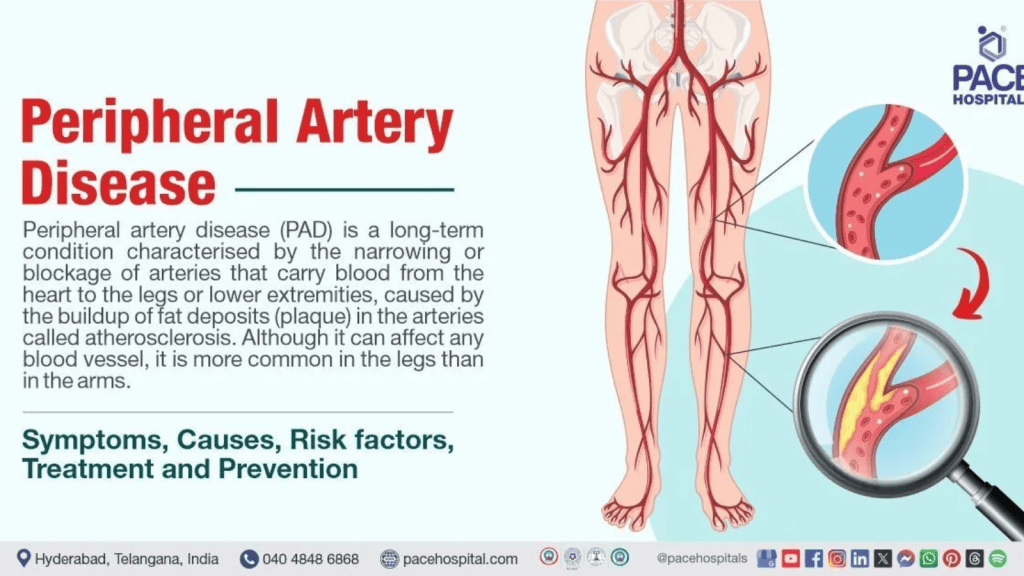
You may blame mild fatigue on a poor night’s sleep or cold feet on the weather. You might dismiss leg pain as aging or arthritis. Some people with peripheral artery disease (PAD) have no symptoms, while others slowly walk shorter distances.
Having no symptoms does not prove that your arteries are healthy. This matters especially if you have diabetes, a smoking history, high blood pressure, high cholesterol, obesity, or past cardiovascular issues. Share any subtle changes during routine visits.
Taking action early can make a major difference. Seek help if symptoms persist, return, or worsen. Recognizing subtle artery symptoms can help prevent more serious artery problems that are easy to overlook.
Common Risk Factors for Artery Strain
Understanding the common risk factors for artery strain can empower you to take charge of your vascular health. Artery strain often develops from several long-term causes, not one cause. Knowing these risk factors helps with prevention and management.
One major factor is smoking, which harms blood vessel linings and causes inflammation. Over time, this damage can cause serious complications. Additionally, high blood pressure puts force on artery walls, making damage more likely.
High cholesterol, especially low-density lipoprotein (LDL), promotes plaque buildup in arteries. This buildup can narrow arteries and limit blood flow. Diabetes can also damage blood vessels over time, raising the risk of artery strain.
Obesity and a sedentary lifestyle can add stress to your arteries. Chronic inflammation, family history, and kidney disease also matter. Risk rises with age, but younger adults can develop vascular problems when multiple risk factors are present.
Early recognition supports better screening and prevention. With professional support, regular monitoring, and lifestyle changes, you can manage these risks effectively.
How Healthcare Providers Diagnose Artery Problems
Diagnosing artery problems starts with a medical history and physical exam. Your provider may ask about walking tolerance, chest discomfort, dizziness, smoking, diabetes, medications, family history, and symptom timing. This early review supports prompt detection and effective treatment.
Next, your provider checks your pulses, skin temperature, skin color, and hair growth. Blood pressure readings from your limbs also support a complete vascular evaluation.
The ankle-brachial index (ABI), also called an ABI test, compares blood pressure in your ankle and arm. An ABI below 0.90 usually suggests peripheral artery disease (PAD), but calcified arteries can change results. Further testing may then be needed.
A stress test may assess symptoms during exercise and show whether poor coronary blood flow causes them. Other imaging tests include ultrasound, CT angiography, and MR angiography. In some cases, catheter angiography, an angiogram using contrast dye, shows narrowed or blocked arteries.
Your healthcare professional should guide the choice of tests. Doctors must interpret each result within the full clinical context, not alone.

Lifestyle Changes That Support Arterial Health
A heart-healthy lifestyle can support arterial health and improve your overall cardiovascular well-being. Add regular exercise, such as walking, swimming, or cycling, to improve circulation and help manage Peripheral Artery Disease (PAD).
Aim for at least 150 minutes of moderate aerobic activity each week. For PAD exercise, consider a supervised walking program. It can improve walking ability by encouraging the development of collateral circulation.
A healthy diet is also crucial. Eat plenty of fruits, vegetables, whole grains, and lean proteins. Limit saturated fats, trans fats, and excess sodium to lower cholesterol and support arterial health.
Quitting smoking is one of the most effective ways to improve arterial health. Tobacco use damages blood vessels and strains arteries. If you smoke, seek help to quit smoking.
Manage your weight, control blood pressure, and keep blood glucose levels in check. Set realistic goals and work with healthcare professionals to reach them. These lifestyle changes are not substitutes for medical evaluation, but they are essential parts of a complete health strategy.

Medical Treatments Your Doctor May Recommend
Understanding treatment for arterial blockages can help you make informed decisions. Your doctor may suggest options based on the affected artery, symptom severity, and overall health.
Doctors often use statins to lower LDL cholesterol levels. These medications reduce the risk of artery blockage. Blood pressure medicine may manage hypertension and support arterial health.
Doctors may recommend antiplatelet medicine to help prevent blood clots. It is especially important for people at higher risk of cardiovascular events. Ask your doctor before starting or stopping any medicine, as benefits and risks vary.
Persistent symptoms or nonhealing wounds may require angioplasty or stent placement. These procedures improve blood flow by opening blocked arteries. In severe cases, bypass surgery can create a new route around major blockages and improve circulation.
For complex cases, specialized cardiology teams may use advanced catheter techniques. These techniques can treat chronic total occlusions, relieve symptoms, protect tissue, and reduce cardiovascular risk.
When to Seek Emergency Care
Emergency artery symptoms need immediate medical care. They include stroke warning signs and acute limb ischemia.
If you notice these symptoms, call 911 right away, especially if you have chest pressure.
- Chest Pressure: If you feel persistent or severe chest pressure, squeezing, or heaviness lasting more than a few minutes, it’s critical to act quickly.
- Stroke Warning Signs: Look for sudden facial drooping, one-sided weakness, trouble speaking, or confusion. These may indicate a stroke.
- Acute Limb Ischemia: If a limb suddenly becomes painful, cold, pale, or weak, it may indicate a blocked blood supply and require urgent care.
Also seek help for rapidly worsening leg pain, spreading discoloration, or infected non-healing wounds.
Do not wait for a routine appointment or try home remedies during these emergencies.

Building a Long-Term Prevention Plan
Creating a long-term plan for artery health is vital for heart and artery health. A focus on cardiovascular prevention helps protect both. Start routine screenings with your provider, including blood pressure, cholesterol levels, and blood glucose. Regular check-ups support early detection and management of possible problems.
Use these elements when building your prevention plan:
- Manage cholesterol and blood pressure: Work with your doctor to establish a plan that includes medication if necessary.
- Maintain a healthy weight: Doing so can significantly reduce strain on your arteries.
- Adopt a heart-healthy diet: Incorporate plenty of fruits, vegetables, whole grains, and lean proteins into your meals.
- Increase physical activity: Aim for at least 150 minutes of moderate exercise each week.
- Quit smoking: If you smoke, seek support to quit. This is one of the most effective ways to improve your heart health.
Tracking your symptoms is also crucial. Record changes such as:
- Walking distance before experiencing discomfort
- Frequency of dizziness or chest pain
- Temperature differences in your feet
- Healing time for any wounds
Prevention does not require perfection. Steady lifestyle improvements can lower risks and help you stay mobile. Address new or worsening symptoms promptly, and discuss them with your healthcare professional to adjust your plan.
A long-term prevention strategy can improve your quality of life and lower your risk of serious cardiovascular issues. Stay informed and proactive. Use your plan to manage cholesterol and blood pressure.
Myths and Facts About Artery Health
Understanding artery health myths means separating fact from fiction. Many people believe clogged arteries always cause symptoms. In reality, atherosclerosis and peripheral artery disease (PAD) can develop quietly, often without noticeable signs. You may not know when an artery narrows.
Another common myth is that one symptom proves a clogged artery. Chest pressure, dizziness, and fatigue can have many causes. A healthcare provider must evaluate you for an accurate diagnosis.
Some people try natural artery-clearing remedies to remove plaque. However, no unproven product should replace evidence-based medical care. Consult your doctor before trying any supplements.
Many people also believe exercise with PAD is unsafe. In fact, clinician-guided activity, especially structured walking, can improve circulation and function. Always seek medical advice for sudden or severe symptoms.
A diagnosis does not mean that nothing can be done. Managing risk factors, using medications, and choosing surgery can significantly improve symptoms and quality of life for many patients.
Talking to Your Doctor About Your Concerns
Talk openly with your doctor about concerns involving your artery health. During your visit, describe symptoms accurately: explain what you feel, where it happens, when it started, and what triggers it. Tell your doctor whether rest helps or symptoms are getting worse.
To prepare for your appointment, consider bringing:
- A list of your medications and supplements
- Your home blood pressure readings, if available
- Relevant medical records
- A family history of heart disease, stroke, or PAD
Here are some questions to ask your doctor about artery symptoms:
- Could these symptoms be related to circulation?
- Do I need an ABI, stress test, ultrasound, or other imaging?
- What are my goals for cholesterol, blood pressure, and diabetes?
- Is exercise safe for me?
- Should I see a cardiologist or vascular specialist?
- What symptoms require emergency care?
Don’t hesitate to mention erectile dysfunction, smoking, foot wounds, or reduced walking ability. These details can improve your risk assessment. Your diagnosis should come from testing and clinical evaluation, not internet symptom matching.
Conclusion
Recognizing the warning signs your arteries may be under strain helps you maintain good health. Chest pressure during activity, leg cramping, or unusual coldness in one limb may signal serious problems. Early artery evaluation supports timely treatment and helps protect your heart and circulation.
Notice how your body feels, including changes in energy, persistent dizziness, or erectile difficulties. These are more than minor inconveniences and may indicate you need to see a healthcare professional. Seek medical advice when symptoms return or worsen.
Call 911 right away during emergencies. For ongoing concerns, schedule a visit with your doctor. Work with them to manage blood pressure, cholesterol, and lifestyle choices through simple changes in nutrition and activity.
Taking proactive steps now can improve your quality of life. By spotting symptoms early and following a consistent care plan, you can protect mobility, heart health, and overall well-being.




Leave a Reply