


About 60% of your body is water. This surprising fact shows why hydration matters, and many people are realizing the importance of drinking water daily. Some prefer warm or hot water in the early morning, during illness, or as a soothing bedtime ritual.
Specific scientific evidence for hot water’s special advantages remains limited. Still, staying hydrated supports digestion, skin health, and normal bodily functions. This article explores the benefits of drinking hot water, from aiding digestion to offering comfort during illness.
Hot water is not a cure-all, and it cannot replace a balanced lifestyle or medical care. It does not literally flush out toxins. Let’s explore practical guidance and the 7 Benefits of Drinking Hot Water, while avoiding scalding temperatures to prevent burns.

Key Takeaways
- Water constitutes about 60% of the human body, emphasizing the need for hydration.
- Warm water can be more enjoyable for many, especially in the morning or during illness.
- Staying hydrated supports digestion, skin health, and normal bodily functions.
- Hot water is not a substitute for medical treatment or a balanced lifestyle.
- Be cautious of drinking water at scalding temperatures to prevent burns.
Why Hot Water Is Gaining Attention in Everyday Wellness
In recent years, the trend of drinking hot water has gained attention among wellness enthusiasts. Many people believe drinking hot water offers many health benefits. It can feel comforting and fit easily into daily routines.
Did you know hot water can help reduce skin aging, ease pain, and support natural detoxification? These ideas are popular on social media and wellness blogs. Evidence remains limited, but warm drinks can feel soothing and easier to consume, especially on an empty stomach.

Many traditional practices also support drinking warm water for health. From ancient cultures to modern home remedies, people view it as a simple way to improve hydration. Hydration matters, but water temperature may affect how enjoyable it feels.
Consider hot-water claims with care. Hot water can support a healthy routine, but the liver and kidneys handle detoxification and other key processes. Comfort and preference matter, but strong medical claims need substantial evidence.
Hot water’s growing role in wellness reflects interest in simple self-care practices. If you add hot water to your routine, make hydration appealing and enjoyable.
How Hot Water Interacts with Your Body
Drinking warm or mildly hot water starts its journey through your digestive tract. This process supports your body’s normal functions. Warm water adds to your fluid intake, which helps maintain hydration for digestion and waste removal.
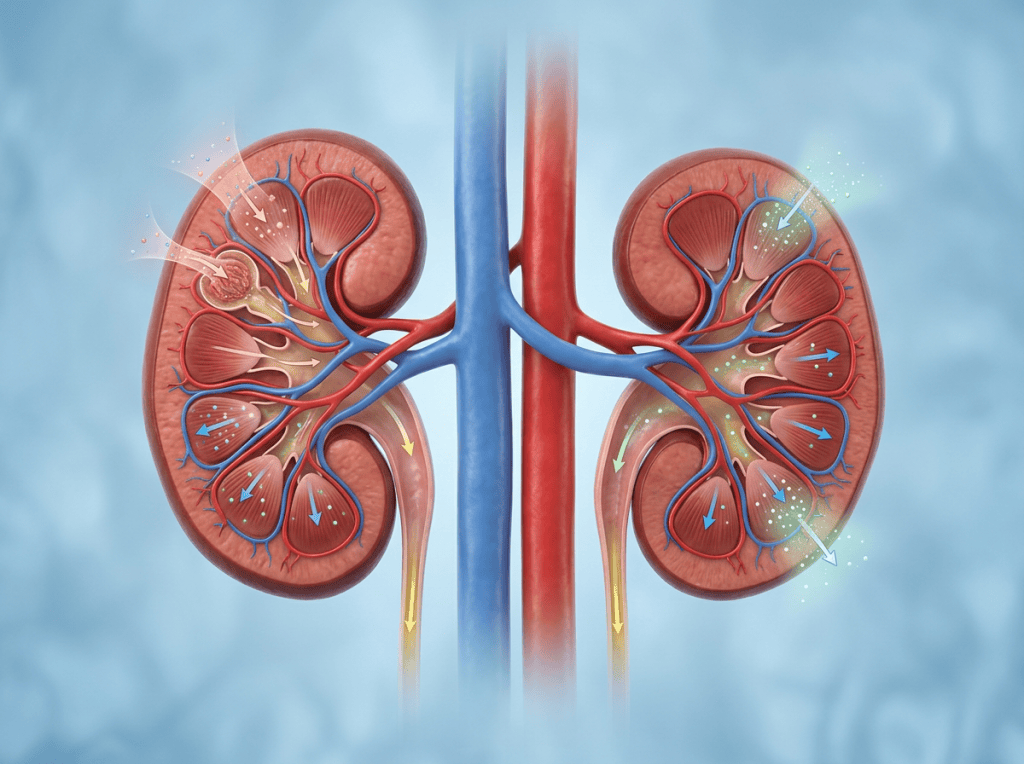
Drinking water can soften stool, helping prevent constipation and support regular bowel movements. Good hydration also supports urine production, which helps protect kidney health. Water keeps mucous membranes moist, which supports respiratory health.

While drinking water is a natural way to remove toxins from your body, temperature does not change detoxification. Your liver and kidneys filter waste efficiently, regardless of water temperature. In general, physicians usually recommend drinking at least 64 ounces of water every day.
This general guideline varies with body size, diet, activity, climate, pregnancy, breastfeeding, and medical conditions. For the best benefits, drink hot beverages at 130–160°F (54–71°C). Water above this range can cause burns or scalds.
Let freshly boiled water cool, and choose comfortably warm water over water hot enough to cause discomfort.
In summary, warm water hydrates your body and supports many bodily functions. Understanding this process can help you make informed hydration choices.
7 Benefits Of Drinking Hot Water That Improve Your Life
Drinking hot water may offer benefits that support your overall well-being. These benefits include 1. anti-aging for skin, 2. improved digestion, and 3. relief from congestion. They also include 4. body detoxification, 5. eases menstrual cramping, 6. helps with constipation, and 7. stimulates hair growth.
- Anti-aging for skin: Staying hydrated is crucial for maintaining skin elasticity. Dehydration is one of the most common reasons our skin loses its youthful appearance. Drinking hot water can help combat this issue by keeping your skin well-hydrated.
- Improves digestion: Warm water can aid in digestion by helping to dissolve food particles. This process allows your body to absorb nutrients more effectively and may reduce post-meal discomfort.
- Relieves congestion: If you’re feeling congested, hot water can provide soothing relief. The warmth helps to loosen mucus, making it easier to breathe and alleviating sore throat symptoms.
- Body detoxification: While hot water itself doesn’t detoxify your body, adequate hydration supports your kidneys and digestive system. These organs play vital roles in processing waste and maintaining your health.
- Eases menstrual cramping: Many find that drinking hot water can help ease menstrual cramps. The warmth may provide comfort and relaxation during this time.
- Helps with constipation: Drinking enough fluids is essential for regular bowel movements. Warm water can help some individuals relax their digestive tract, potentially easing constipation.
- Stimulates hair growth: While drinking water is a natural way to remove toxins from your body, staying hydrated can also promote a healthy scalp, which is essential for hair growth.
Dehydration is one of the most common causes of skin elasticity loss, so stay hydrated. Drinking water is a natural way to remove toxins from your body. Always consult a healthcare professional about severe menstrual pain or ongoing constipation.

How Much Hot Water Should You Drink Each Day
Finding the right amount of hot water can be difficult. No universal guideline explains how much hot water you should drink each day. Still, consider your overall daily water intake.
Many health experts recommend at least 64 ounces of water every day. This total includes all beverages and food sources. Women average about 78 ounces of fluid daily, while men should aim for about 112 ounces. These amounts vary with several factors, including:
- Age
- Body size
- Activity level
- Climate
- Diet
- Pregnancy and breastfeeding
- Illness and medications
Warm water can add to your total daily fluids, but do not force a set amount because it is hot. Instead, listen to your body. Thirst, urine color, and guidance from healthcare professionals can help you judge your hydration needs.
Remember that supplements and some medical conditions can change urine color. Avoid drinking too much water, which can cause dangerous electrolyte imbalances. If you have kidney, heart, or liver disease, follow your doctor’s personalized fluid advice.

Best Times of Day to Drink Hot Water
Knowing when to drink hot water can help you get more out of it. There is no single best time, but some parts of the day may improve your hydration.
Drinking hot water in the morning can offer a refreshing way to start your day. After a night of sleep, your body needs water. A warm drink may wake your metabolism and replace fluids lost during hours without water. It can also set a positive tone for your day.
Throughout the day, sipping hot water can help you meet your fluid intake. It may feel comforting during meals or between them. This habit may aid digestion and help you stay comfortable, but use moderation. Too much water right before meals may cause discomfort.

As the day ends, drinking hot water at night can help you relax. A small serving may soothe you and help you unwind after a busy day. Avoid large amounts before bed, because bathroom trips could disrupt your sleep.
Ultimately, the best time to drink hot water is when it fits your routine and supports safe hydration. Listen to your body and adjust your intake based on what feels right.
Simple Ways to Make Hot Water a Daily Habit
Drinking hot water each day can support your wellness journey. These simple ways to make hot water a daily habit fit easily into your routine.
Prepare a mug of hot water after waking to help start your metabolism. This can set a positive tone for the day. When traveling, carry warm water in a thermos or insulated flask.
Add flavor to hot water to make it more enjoyable. For instance, warm water with lemon tastes refreshing and may aid digestion. Similarly, ginger tea and peppermint tea offer delightful alternatives with added health benefits.
Set phone reminders to sip hot water throughout the day. Pair this habit with breakfast or a work break to reinforce it. Hot water with honey may soothe your throat, especially when it feels sore.
Lemon adds flavor but does not provide a detox effect. Frequent acidic drinks may harm dental enamel, so enjoy them in moderation.
Green tea contains caffeine, which may interact with certain medications. Ask your healthcare provider about potential interactions with herbal products if you have concerns.
Plain warm water provides enough hydration. Choose drinks that feel comfortably hot, never scalding. These simple practices can help hot water become a daily habit and support your overall health.

Hot Water vs. Cold Water: What the Research Shows
When you think about hydration, the hot-water vs. cold-water debate is more nuanced than it may seem. Both temperatures hydrate your body effectively, but research on drinking hot water offers useful insights.
Studies show warm fluids can reduce shivering, while cold water may refresh you during exercise or hot weather. A 2017 study found warm drinks could improve cold symptoms and increase nasal airflow. This suggests the temperature of drinking water may affect comfort in different situations.
Warm water does not reliably boost metabolism, burn fat, or detoxify the body better than cold water. Many people find warm water soothing for a sore throat or congestion. Cold water can feel invigorating and refreshing after a workout.
The best choice encourages you to drink enough water without discomfort. Whether you prefer hot or cold, staying hydrated matters most. Prioritize safe temperatures that suit your personal preferences and health needs.
Common Mistakes to Avoid When Drinking Hot Water
To gain the full benefits of hot water, avoid common mistakes. Many people miss safety tips that can improve their experience. Learning the common mistakes when drinking hot water helps you use it safely and effectively.
Drinking water right after it boils can cause burns in your mouth and throat. Let it cool to a safe hot water temperature between 130–160°F (54–71°C). Test a small sip before drinking more.
Another common mistake is swallowing large gulps. Sipping slowly can prevent burns and aid digestion. Rapid drinking can overwhelm your system, making hot water less helpful.
Many people believe hotter water provides greater health benefits. However, this is a misconception. Hot water’s benefits do not increase with temperature, and excessive heat can cause serious harm.
Do not replace meals with hot water. Staying hydrated matters, but water cannot replace balanced nutrition. Overhydration can cause harmful electrolyte imbalances.
Some people mistakenly believe warm water can cure diseases or detoxify the body. It may support digestion, but it is not a miracle cure. Always consult a healthcare professional for medical advice.
When enjoying hot drinks, such as lemon water or herbal teas, consider their effects. Sugar, caffeine, and acidity can affect your health, especially in excess. Also consider possible allergies and medication interactions.
Finally, avoid inhaling steam from boiling pots because it can cause breathing problems. Use a heat-safe mug to enjoy hot water comfortably instead.
Who Should Be Cautious About Drinking Hot Water
Knowing who should be cautious about drinking hot water supports safer choices. Hot water safety matters for children, older adults, and people with medical conditions.
Children may not accurately judge hot water temperature, increasing their risk of burns. Older adults may have less heat sensitivity and face greater risk. People with trouble swallowing or reduced sensation should take extra care with hot drinks.
People with kidney, heart, or liver conditions should watch their fluid intake. Medical conditions and fluid intake vary greatly between people. Ask a healthcare professional for advice about your daily fluid needs.
Severe dehydration can cause confusion, fainting, a rapid heartbeat, and shock. Seek medical care promptly for a persistent sore throat, chest pain, or severe abdominal pain. These signs may mean hot water is not right for you.
Warm water may support your health, but it should not replace medical advice or treatment. Always put your health and safety first when making dietary choices.
Quick Recap of the 7 Key Benefits
Drinking hot water may support daily health and comfort. Here’s a quick recap of the 7 key benefits, including the benefits of drinking hot water:
- Hydration: Staying hydrated is crucial for your overall wellness. Hot water can help you meet your daily fluid intake.
- Digestive Comfort: Warm water can soothe your digestive system, helping your body process food more easily.
- Constipation Support: Regular consumption of hot water may promote normal bowel movements and help alleviate constipation.
- Sore Throat Relief: If you’re feeling under the weather, hot water can provide temporary relief from sore throat and congestion symptoms.
- Relaxation: Sipping hot water can promote relaxation, making it a great choice for winding down after a long day.
- Comfort During Menstruation: Many find that hot water can be comforting during menstrual cramps, providing a soothing effect.
- Skin and Hair Hydration: While hot water alone doesn’t reverse aging or stimulate hair growth, staying well-hydrated supports healthy skin and hair.
Adequate hydration supports your skin, overall wellness, and general health. Hot water does not directly burn fat or detoxify your body; your liver and kidneys handle that work. Water temperature matters less than drinking enough fluids safely.
Final Thoughts on Making Hot Water Part of Your Life
Making hot water part of your life can support your wellness journey. While it is not a miracle cure, it can add interest to your hydration plan. Start with one comfortably warm serving in the morning or during a break; this small change makes hydration more appealing.
As you build your daily warm-water routine, listen to your body and adjust it to your preferences and hydration needs. The strongest health benefits come from drinking enough water, whatever its temperature. Treat warm water as part of sustainable wellness habits, not a quick fix.
Combine warm water with nutritious foods, regular movement, and enough sleep to support your well-being. Safe sun protection and proper medical care also matter. Consistency and comfort matter more than rigid schedules or extreme temperatures.
“Simplicity is the ultimate sophistication.” – Leonardo da Vinci
By making warm water a gentle part of your lifestyle, you support long-term health benefits. Embrace this habit and let it complement your journey toward better health.
Conclusion
Warm water offers hydration benefits that can improve your daily routine. The benefits of drinking warm water go beyond hydration alone. Warm liquids may comfort people with congestion or a sore throat and ease some digestive issues.
Evidence suggests that hot water wellness has benefits, but warm water has limits. It cannot detoxify your body, cure ailments, guarantee weight loss, or reverse skin aging. It is not a magic solution for menstrual cramps or hair growth; it supports natural functions and hydration.
When adding warm water to your lifestyle, choose safe drinking temperatures. Avoid scalding hot beverages, which can cause burns. Always consult a healthcare professional for persistent or serious symptoms.
This ensures personalized guidance for your needs. Choose the water temperature that helps you stay hydrated and feel your best. Embracing the benefits of drinking warm water can support a balanced, comfortable daily life.



Leave a Reply