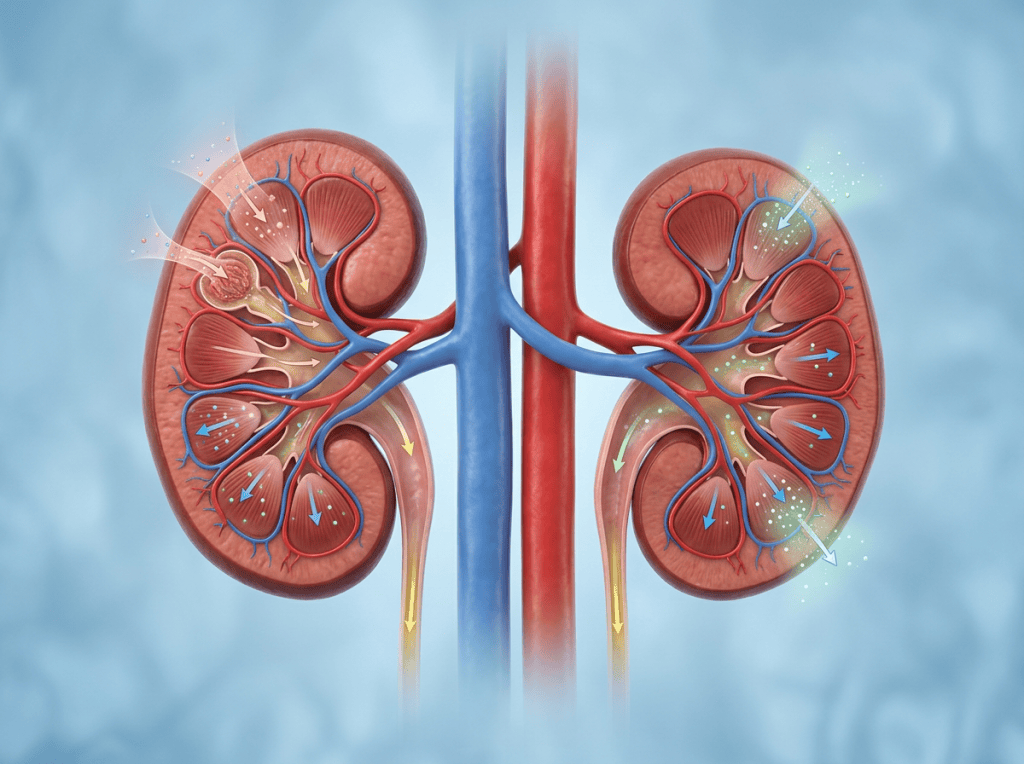


Kidney problems can be hard to spot: early chronic kidney disease may cause no noticeable symptoms. How you feel alone cannot confirm whether your kidneys are working well.
A new change may have many causes, so it does not always mean kidney disease. Still, new or grouped changes deserve attention, especially if they persist or worsen.
You can learn which signs to notice, when to seek care, and how tests can help explain what is happening. Kidney problems may develop quietly, so a checkup can matter even when you feel well.

Key Takeaways
- Symptoms can point to a problem, but they cannot diagnose kidney failure.
- Early kidney disease may have no clear warning signs.
- Changes in urination, swelling, or ongoing fatigue are worth discussing with a clinician.
- Call for urgent care for severe breathing trouble, chest pain, confusion, or inability to urinate.
- Blood and urine tests can show changes before you notice symptoms.
To understand why these changes matter, start with what healthy kidneys do and how their function can shift.
What Does Kidney Disease Mean for Kidney Function?
A gradual change found on routine testing differs from a sudden drop during an illness. Timing matters, because kidney disease can change slowly or quickly.
Kidney disease means that the structure or function of the kidneys is affected. It does not mean every case will progress to kidney failure.
Kidney disease affects kidney structure or function, but it does not always lead to kidney failure.

Chronic kidney disease can develop quietly.
Your kidneys are two bean-shaped organs below your ribcage. They filter waste and excess fluid from your blood and help keep needed substances in balance.
They balance electrolytes, which are minerals such as sodium and potassium. They also help regulate blood pressure and support red blood cell production.
Chronic kidney disease, or CKD, means lasting kidney damage or reduced function. It can develop over months or years, and early stages may have no noticeable symptoms.
One abnormal result does not establish chronic kidney disease. A clinician considers how long the change lasts and what other findings show.
Acute kidney injury is a sudden change
Acute kidney injury, or AKI, is a rapid drop in kidney function. It can happen over hours or days, often during an illness or after another health problem.
The phrase acute renal failure is an older term for acute kidney injury. It describes a sudden problem, not the same slow pattern as CKD.
The definition of acute renal failure centers on a rapid loss of kidney function. A single unusual result may need follow-up before anyone knows what it means.
Both forms affect how your kidneys filter waste and manage fluid, but the timing and cause can differ. Those changes can lead to signs you may notice in daily life.
Signs Your Kidneys Are Failing: What Changes Should You Watch For?
If you feel tired while doing ordinary tasks, such as walking across a room, notice whether the feeling persists. Ongoing fatigue can be one clue, but it has many possible causes.
Fatigue, swelling, and changes in urination can be early clues, but early kidney disease often has no obvious warning signs.

Fatigue, weakness, and trouble concentrating
Kidney problems may leave you feeling weak or worn out, even after rest. The change may make work, school, or household tasks harder than usual.
Reduced kidney production of erythropoietin can contribute to anemia. Anemia means your blood carries less oxygen, which can add to fatigue and weakness.
You may also have trouble focusing or keeping your thoughts clear. These symptoms can arise from many health conditions, so they do not prove kidney failure.
Swelling and shortness of breath
Extra fluid can cause swelling in your feet, ankles, hands, or around your eyes. Notice whether rings or shoes feel tighter than usual.
Fluid buildup can also contribute to shortness of breath. Anemia may play a part, too, so breathing changes need attention rather than guesswork.
Sudden or severe trouble breathing calls for emergency care. A clinician can assess whether fluid, anemia, or another condition is involved.
Nausea, appetite changes, itching, cramps, and blood pressure
Kidney problems may cause nausea, vomiting, or reduced appetite. If you eat less, you may lose weight without trying.
Dry, itchy skin and muscle cramps can also occur. These symptoms have other common causes, so consider how long they last and whether they appear together.
High blood pressure can contribute to kidney damage and can also result from kidney problems. It may cause no noticeable symptoms, so feeling well does not rule it out.
Doctors may call high blood pressure hypertension. A routine reading can reveal it when you would not otherwise know it was present.
There is no single first sign that appears for everyone. Fatigue, swelling, and changes in urination are possible clues, but early kidney disease can remain silent.
When several changes appear together or keep getting worse, contact a healthcare professional. Urine changes offer another useful clue.
Which Urine Changes Should You Pay Attention To?
If you start waking to urinate more often than usual, note whether the change persists. A lasting pattern may warrant reporting, but it cannot diagnose kidney disease.
Urine changes have several possible causes, so a clinician must assess them in context. One unusual trip or a color change may not indicate a kidney problem.

Frequency and amount can change
You may urinate more often at night or notice a different pattern during the day. Producing much less urine than usual can also signal a health concern.
Changes in urination can be related to kidney function, but they may also stem from medications, infections, or other conditions. Painful urination can point to a urinary infection or another urinary problem.
Color, foam, or blood can be a clue
Persistent foamy urine may signal protein leakage. Protein in urine can have other explanations, so foam alone does not confirm kidney damage.
Dark, pink, brown, or visibly bloody urine has multiple possible causes. Red blood in urine should be assessed, even if you feel well.
A single color change can follow food, medicine, or dehydration rather than kidney disease. Tell a clinician about any changes that persist, recur, or occur alongside other symptoms.
Visible clues cannot show how quickly kidney function is changing. A sudden drop can happen during illness, even when urine changes are hard to interpret.
Can Kidney Failure Happen Suddenly?
During an illness, you may notice that you are suddenly producing much less urine. A sharp change can signal acute kidney injury and needs prompt assessment.
Acute kidney injury can reduce kidney function over hours or days. The cause guides treatment, so a clinician needs to assess the full situation.

Acute kidney failure causes
Severe dehydration can reduce blood flow to the kidneys. Serious infection can also affect kidney function, especially when it changes blood flow through the body.
Other possible causes include reduced blood flow for other reasons, a urinary blockage, or harm caused by certain medicines. Several causes may occur at once.
Medicines that help one person may harm another person’s kidneys in certain conditions. Do not stop a prescribed medicine on your own; ask a clinician to review it.
Acute kidney failure symptoms
Symptoms can include reduced urine output, swelling, nausea, or breathlessness. Some people have few clear symptoms, and the cause may not be obvious at home.
Reduced urine output can result from dehydration, a blockage, or other problems. A sudden change during an illness deserves medical attention even without pain.
Breathing trouble, chest pain, or confusion can signal an emergency. Get urgent help if these symptoms are severe or come on suddenly.
Acute kidney failure treatment depends on the cause
Acute kidney failure treatment focuses on the cause and the person’s condition. Care may include fluids when appropriate, treating an infection or blockage, or reviewing medicines.
In severe cases, dialysis may help remove waste and extra fluid while the kidneys recover or while care continues. The need depends on the person’s health and test results.
Do not automatically increase fluids when a clinician has restricted them or fluid overload is suspected. Ask the care team what to drink when ill.
Because causes range from infection to obstruction, some people face higher risk in particular situations. Health conditions and exposures can help guide kidney monitoring.
Who Is at Higher Risk of Kidney Problems?
If you have diabetes or high blood pressure, you may need regular kidney checks even when you feel well. Feeling fine does not show how well your kidneys filter.
Diabetes and high blood pressure are major contributors to chronic kidney damage, but they are not the only causes.

Some risks build over time, while others relate to medicines or a sudden illness. These factors can help you and your clinician decide when to monitor kidney health:
- Diabetes
- High blood pressure
- A family history of kidney disease
- Older age, especially after 60, or obesity
- Smoking
- Long-term or excessive use of certain medicines, including NSAIDs such as ibuprofen
NSAIDs are nonsteroidal anti-inflammatory drugs. They include common pain medicines, but long-term or excessive use can harm kidney function in some situations.
Infections and urinary obstruction can also cause harm. Obstruction means urine cannot flow normally, such as when a blockage is in the way.
There is no single cause that most damages every person’s kidneys. Diabetes and high blood pressure are major causes of chronic kidney damage, while medicines, infections, and blockages can cause harm in specific cases.
A family history of kidney disease can make monitoring more important. It does not mean you will develop the same condition as a relative.
Having a risk factor does not mean kidney disease is inevitable. Testing can identify changes before symptoms appear, which is why regular checks may matter for you.
How Do Doctors Diagnose Kidney Failure?
A blood test can indicate how well your kidneys filter, while a urine test can show signs of damage. Each test answers a different question.
Clinicians use test results, your health, and past readings to assess kidney problems. No single number explains every case.

Blood tests estimate kidney filtering
Estimated glomerular filtration rate, or eGFR, is an estimate of how much blood your kidneys filter each minute, calculated from a blood test and other factors.
Creatinine is a waste product in your blood. Clinicians use its level to estimate filtration and calculate eGFR, while considering other factors that can affect the result.
Blood tests may also check blood urea nitrogen and electrolytes. These results give clinicians more information about waste levels and the body’s chemical balance.
A low GFR reading does not always mean chronic kidney disease. A temporary change may lower it, and clinicians consider other evidence before making a diagnosis.
Urine tests look for damage
A urine albumin-to-creatinine ratio (uACR) measures albumin in your urine. Albumin is a protein, and elevated levels can be a sign of kidney damage.
Urinalysis can detect blood, protein, or signs of infection. A clinician may also order an ultrasound or CT scan to assess kidney size, structure, or blockage.
Chronic kidney disease generally requires an abnormality to persist for at least three months. A single low eGFR or unusual urine result may need repeat checks.
Acute renal failure diagnosis and criteria
For the diagnosis of acute renal failure, clinicians compare your creatinine and urine output with prior results. They also consider your condition and the timing of the change.
Common acute renal failure criteria include a rise in creatinine of at least 0.3 mg/dL within 48 hours. Another criterion is a rise to at least 1.5 times baseline within seven days.
A third criterion is urine output of less than 0.5 mL/kg/hour for at least 6 hours. Clinicians use these findings with the full health picture, not in isolation.
Test results help identify a possible problem, but the next step depends on how quickly your health is changing. Some symptoms call for urgent care.
When Do Kidney Symptoms Need Urgent Care?
Arrange a prompt appointment for persistent changes, but seek emergency help for severe symptoms. The level of urgency depends on how sudden or serious the change is.
Severe breathing difficulty, chest pain, confusion, or inability to urinate needs emergency evaluation. Do not wait for a routine appointment if these occur.
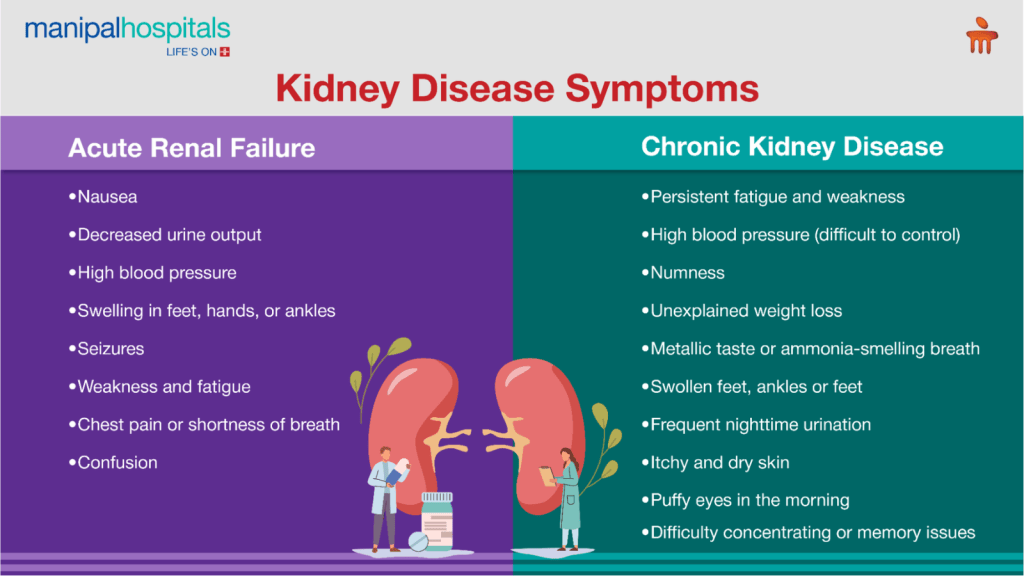
Seek urgent help for sudden or severe changes
Contact a healthcare professional promptly if your urine output drops sharply or if new swelling worsens. Persistent nausea or several symptoms appearing together also deserve timely care.
If you cannot reach your clinician and symptoms worsen, seek urgent medical care. Severe trouble breathing, chest pain, and confusion can have causes beyond kidney disease.
Do not try to manage a sudden, marked change on your own. A medical team can judge whether you need emergency evaluation or another level of care.
End-stage kidney failure symptoms and comfort-focused care
The phrase end-stage renal failure symptoms before death can sound like a fixed timeline, but symptoms cannot reliably predict timing or outcome. People’s experiences vary.
Late-stage kidney failure may involve severe fatigue, poor appetite, nausea, itching, swelling, or breathlessness. These symptoms can also change with treatment and other health needs.
Ask the treating team how to ease discomfort and what changes to expect. You can also discuss goals of care, which means what matters most to you as care decisions are made.
Comfort-focused care can address symptoms and support you and your family. Ongoing care choices can also support kidney health and quality of life.
What Can You Do to Support Kidney Health?
Two people with kidney disease may receive different food and fluid advice. Your own needs depend on test results, treatment, and other health conditions.
Follow an individual care plan rather than a one-size-fits-all kidney diet. A clinician or dietitian can help match advice to your needs.
Food, fluid, and medicine choices should fit your test results, treatment, and other health conditions.
Daily habits and food choices
Practical steps can support kidney health and help manage chronic kidney disease. You can ask your care team which changes are appropriate for your current health.
- Follow your care plan for diabetes or high blood pressure.
- Choose lower-sodium foods and more minimally processed meals.
- Be physically active as your clinician advises.
- Avoid excessive use of NSAIDs, such as ibuprofen, unless your clinician guides you.
- Attend recommended checkups and monitoring.
For people with kidney failure, guidance on food, fluid, and medication depends on lab results, treatment, and other conditions. Dialysis and other care can change what your body needs.
Ask whether you should limit processed meats, canned soups, salty packaged snacks, fast food, or cola with phosphate additives. These are examples to discuss, not foods everyone must avoid.
Potassium and phosphorus limits depend on your own health and test results. Do not cut out fruits or other foods without checking which choices fit your needs.
No morning drink or fruit repairs kidneys. Water is a reasonable choice for many people, unless you have fluid limits or different advice.
Fruit choices should fit your potassium needs. A kidney dietitian can help you plan meals without removing foods your body can safely handle.
Treatment plans and emotional support
Take medicines as directed and ask before changing a dose. Tell your care team about over-the-counter drugs and supplements you use.
Dialysis support may include a kidney-care social worker, counseling, peer groups, and help from family or caregivers. You can ask the dialysis team which services are available to you.
It is normal to have questions or feel stressed about long-term care. A simple first step is to ask your clinician which advice on food, fluids, and medications applies to you now.
Conclusion
A new or persistent change deserves attention, not a self-diagnosis. Early kidney disease may be silent, and symptoms alone cannot confirm kidney failure.
If a change concerns you, contact your healthcare professional and ask whether blood and urine testing is appropriate. This is especially important if you have known risk factors or ongoing health concerns.
Seek urgent help for severe symptoms rather than waiting for a routine visit. For a concerning change that is not an emergency, arrange medical advice and discuss your kidney function.




Leave a Reply