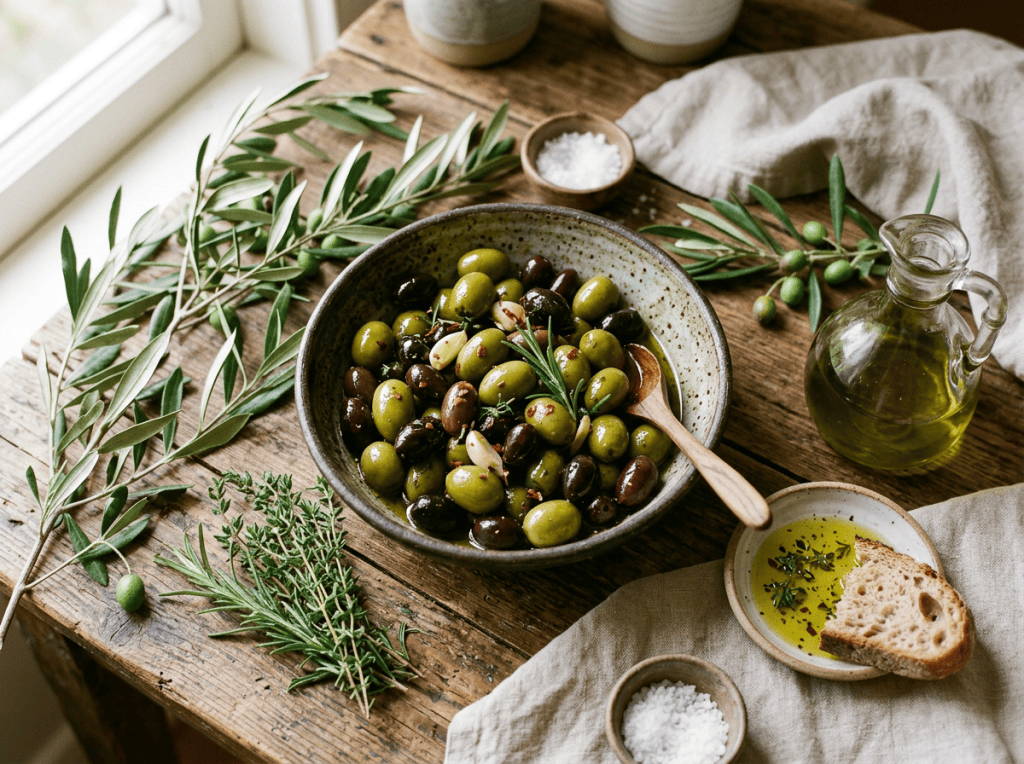


Have you wondered whether olives offer more than flavor? Many say olive oil is revered for its impressive nutrient profile, but whole olives also deserve attention.
But what about olives, the ingredient olive oil comes from? These fruits offer a treasure trove of health benefits.
These fruits are more than garnishes. They are low in carbohydrates and high in monounsaturated fat, vitamin E, fiber, and essential minerals. In fact, a 100-gram serving of canned ripe olives has around 116 calories and 10.9 grams of fat.
It has 6 grams of carbohydrates and 1.6 grams of fiber. This nutrient mix makes olives a strong choice for a healthy diet.
Research suggests that olives may support heart health, protect cells with antioxidants, and help manage inflammation. They may also support bone health and offer benefits for cancer prevention. However, processing methods and sodium levels matter because they can affect overall healthfulness.
This article explores the health benefits of olives, compares green and black varieties, and explains serving sizes. It also examines curing methods. By the end, you will know how to enjoy olives while maximizing their health benefits.

Key Takeaways
- Olives are nutrient-rich fruits, not just sources of oil.
- They are low in carbohydrates and high in healthy fats.
- Regular consumption may support heart health and reduce inflammation.
- Processing methods can affect their health benefits.
- Understanding serving sizes is key to enjoying olives in a healthy way.
What Makes Olives a Unique Food?
Olives offer more than flavor. They provide nutrients and health benefits that many snacks lack.
A Look at the Olive’s Nutrient Profile
Per 100 grams, olives provide about 116 calories. They contain 10.9 grams of fat, including 7.7 grams of heart-healthy monounsaturated fat.
Olives also contain 6 grams of carbohydrates, 1.6 grams of fiber, and less than 1 gram of protein.
These small fruits are rich in essential nutrients, including:
- Vitamin E: Helps protect cells from oxidative damage.
- Iron: Crucial for transporting oxygen in the blood.
- Copper: Plays a role in energy production and iron metabolism.
- Calcium: Important for bone health and muscle function.
Olives contain antioxidants such as oleuropein, hydroxytyrosol, oleanolic acid, and quercetin. However, sodium levels can be high because brine preserves olives. This matters for people monitoring their blood pressure.
Why Olives Stand Out Among Common Snacks
Unlike many packaged snacks, olives have few refined carbohydrates and provide fiber. They are calorie-dense, but most of their fat is monounsaturated and supports heart health. They make a smart savory snack choice that supports overall health.
By adding olives to your diet, you’ll increase your intake of polyphenols, a class of antioxidants. They add a satisfying taste and texture to meals. This increases antioxidant intake.
In summary, olives are a nutrient-rich food that can support your diet. However, consider their sodium content, especially on a sodium-restricted diet.

Are Olives Actually Good for You?
Are olives just a tasty snack, or do they offer real health benefits? Most people can enjoy olives in moderation as a healthy food. Olive health benefits include improved heart health, antioxidant activity, and lower inflammatory markers.
Olives stand out for their nutrient profile, including oleic acid, polyphenols, vitamin E, and fiber. Together, these nutrients offer several health advantages. Fiber supports digestion, while antioxidants help protect cells from damage.
Olives can also make meals more satisfying. A small serving can add flavor and make dishes more satisfying. This may help you choose nutrient-dense foods, such as vegetables, beans, whole grains, and fish. As you add olives to your diet, remember that olive products can have different nutritional profiles.

Brining, lye treatment, and pasteurization can change olives’ sodium levels, polyphenols, texture, and probiotic content. Choose high-quality olives to preserve their nutritional value.
Olives deserve a place in your diet because of their many health benefits. Still, they cannot cure illness or replace medical care. This combination of healthy fats and antioxidants offers the strongest benefits and supports heart health and overall well-being.
The Role of Oleic Acid in Olive Health Benefits
Approximately 75 percent of the fat in an olive is oleic acid, a monounsaturated fatty acid; estimates range from 70–75%. It is a key part of olives’ health benefits. Oleic acid is also the primary fat in olive oil, which is often praised for its health benefits.
Oleic acid is an unsaturated fat that differs greatly from saturated fats. Saturated fats can raise LDL (bad) cholesterol, while oleic acid may help balance cholesterol levels. Eating foods rich in oleic acid can support a healthier overall fat profile.
What Is Oleic Acid?
Oleic acid is a beneficial fat that may support heart health, and olives are one of its richest sources. This fatty acid may help regulate LDL (bad cholesterol) and HDL (good cholesterol) levels. However, its effects depend on your overall diet, not just on a single food.
How Oleic Acid Supports Your Body
Besides helping regulate cholesterol, oleic acid may offer other health benefits. It may reduce inflammation and support healthy blood pressure. Research continues; some cardiovascular claims look promising, but more studies are needed to clarify these benefits.
Olives provide more than oleic acid; they also contain polyphenols and vitamin E. Together, these nutrients may offer benefits beyond isolated fat. Enjoy olives in moderation, and consider your total calories and portion sizes.

How Olives Help Manage Inflammation
Inflammation is a natural response, but chronic inflammation can cause serious health issues. It is linked to heart disease, type 2 diabetes, cancer, and neurodegenerative diseases. Understanding how food manages inflammation can support your health.
If you’d like to eat more anti-inflammatory foods, consider adding more olives to your diet. Olives contain oleic acid, oleuropein, oleocanthal, and hydroxytyrosol. These compounds may reduce oxidative stress and inflammation in your body.
Understanding Chronic Inflammation
Chronic inflammation occurs when the immune system stays active for a long time. This ongoing response can damage tissue and contribute to several diseases. Inflammation is normal, but lasting inflammation can harm your health.
Oleic Acid and Anti-Inflammatory Pathways
Oleic acid is a key compound in olives. It may affect pathways that cause inflammation in your body. Research shows it may lower inflammation markers, including C-reactive protein and interleukin-6.
Olive polyphenols can also fight oxidative stress and support cell defenses. Another compound, oleocanthal, has ibuprofen-like anti-inflammatory activity. However, olives cannot replace anti-inflammatory medicines.
Instead, enjoy olives as part of a broader Mediterranean-style eating pattern. Pair them with vegetables, legumes, whole grains, nuts, fish, and extra-virgin olive oil. These choices create a balanced diet that supports overall health.
“Incorporating olives into your diet is a delicious way to help manage inflammation.”

Olives as a Source of Antioxidants
Adding olives to your diet increases antioxidant intake. These small fruits taste good and contain compounds that may support overall health.
What Are Polyphenols?
Polyphenols are plant compounds that occur naturally and have antioxidant effects. They help protect your body from oxidative stress caused by free radicals. Olives contain oleuropein, hydroxytyrosol, oleocanthal, oleanolic acid, and quercetin.
Oleuropein is especially common in fresh, unripe olives and is responsible for their bitter taste. As olives ripen, hydroxytyrosol levels rise, potentially offering more health benefits. Together, these compounds fight oxidative damage and may reduce inflammation in the body.
How Antioxidants Protect Your Cells
Antioxidants in olives help protect your cells from oxidative stress. This stress can cause chronic diseases if left unchecked. Olives do not promise disease prevention, but research suggests their antioxidants can lower inflammatory markers and support overall health.
Olive antioxidant levels can vary greatly with cultivar, ripeness, storage, and processing methods. For example, curing may reduce bitter compounds and change the olives’ phytochemical profile.
To maximize antioxidant intake, eat colorful fruits, vegetables, herbs, legumes, and whole foods. This varied approach supports health and keeps meals exciting and flavorful.

How Olives Support Heart Health
Learning how olives support heart health can guide better food choices. These small fruits contain nutrients that promote heart and blood vessel health. Their healthy fats and antioxidants help protect the heart.
Olives may help balance cholesterol levels. The heart-healthy fats in olives, particularly oleic acid, may help regulate cholesterol levels by lowering LDL cholesterol while raising HDL cholesterol. This balance may lower the risk of heart disease.
Olives and Cholesterol Balance
Replacing saturated fats with monounsaturated fats from olives may improve blood fat patterns. Adding olives to meals can support heart health. However, olives are naturally salty, and large amounts may work against blood-pressure goals.
Cardiovascular Protection Beyond Cholesterol
Olives may support healthy blood pressure and improve blood vessel function. Their antioxidants may reduce oxidative stress, which contributes to heart disease. Their anti-inflammatory effects may also lower inflammation and protect the heart.
Rinse brined olives to reduce their sodium content. Check labels, and enjoy olives with vegetables, beans, whole grains, fish, and nuts. Olives support heart-healthy habits, but they do not eliminate heart disease risk; choose a balanced diet.
Other Notable Health Benefits of Olives
Olives offer several olive health benefits that may support your overall well-being. Two notable benefits involve bone health and digestion.
Bone Health Support
Research suggests that olives may help protect bone health. They contain small amounts of essential minerals, including calcium, which helps maintain strong bones. Olives are also rich in polyphenols, compounds that have been studied for their potential role in reducing bone loss.
Olives can support bone health, but they should be part of a balanced diet. Important factors for strong bones include:
- Adequate calcium intake
- Vitamin D
- Protein
- Regular resistance exercise
- Medical guidance
Digestive Health Benefits
Olives also provide digestive health benefits. They contain dietary fiber, which supports regular bowel movements and healthy gut function. Naturally fermented olives may contain beneficial bacteria that support a healthy gut microbiome.
However, not all olives are the same. Many products are pasteurized or heavily processed, which can remove live microorganisms. For digestive health benefits, choose naturally fermented olives, check labels for storage instructions, and select products that may contain probiotics.
Green Olives vs. Black Olives: Nutritional Differences
Knowing the nutritional difference between green and black olives can improve your food choices. Both types have distinct flavors, but ripeness and processing affect their nutrient profiles.
Ripeness and Nutrient Content
Olives begin green and darken as they ripen. Green olives are picked earlier, so they tend to be firmer and taste more bitter, while black olives become softer and fruitier.
Some varieties, such as the Castelvetrano, stay green even when fully ripe. The nutritional difference between green and black olives also involves plant compounds. Green olives often have higher levels of certain antioxidants, while black olives may contain more healthy fats due to ripening.
Flavor Profiles and Culinary Uses
Flavor also helps distinguish these olives. Green olives, such as Manzanilla, are usually firm and bitter, making them good for salads and appetizers. Naturally black Kalamata olives have a rich, fruity flavor, making them a perfect addition to Greek salads and pasta dishes.
Canned black olives can differ from olives that ripen naturally. Many undergo lye treatment and oxidation, which can alter their nutrient profiles. Choose olives by checking the curing method and ingredient lists, not color alone.
How Many Olives Should You Eat Per Day?
Knowing how many olives to eat per day can help you enjoy their health benefits. There is no single answer, but a typical serving size of olives is a handful, or five to six olives. This portion adds flavor and nutrients without too many calories or much sodium.
Recommended Serving Size
A serving of approximately 10 olives, or about 40 grams, contains roughly 50–75 calories. Watch sodium, too, because a 100-gram serving of canned olives has about 735 milligrams. Thus, portion size matters when monitoring salt intake.
For many adults, five to 10 olives is a reasonable starting portion. Olive size, calorie needs, and the rest of the meal can change this amount. If you have high blood pressure, heart failure, or kidney disease, follow your clinician’s guidance about olive intake.
Tips for Incorporating Olives Into Your Meals
Adding olives to meals can be both delicious and nutritious. Here are some practical ideas:
- Mix olives into Greek salads for added flavor.
- Include them in grain bowls for a savory touch.
- Use olives in sandwiches to enhance taste.
- Stir them into pasta dishes for a Mediterranean flair.
- Add olives to roasted vegetables for a unique twist.
- Serve olives on hummus plates or in omelets.
- Incorporate them into soups or spreads like tapenade.
Rinse olives to remove some surface brine and reduce sodium. Use them instead of adding them to other salty ingredients. Olives should complement a varied diet, not replace essential food groups such as vegetables, protein, or whole grains.
Does the Curing Process Impact Olive Nutrition?
Does the curing process impact olive nutrition? Raw olives are often too bitter to eat because compounds like oleuropein affect their taste, so people use curing methods. Each method changes the olives in its own way.
Common Curing Methods
Several common methods cure olives:
- Brining: This traditional method uses saltwater to ferment olives, often preserving more polyphenols and beneficial bacteria.
- Natural Fermentation: This method allows olives to ferment naturally, potentially enhancing their probiotic value.
- Lye Treatment: A faster method that involves soaking olives in lye. While it speeds up the curing process, it may reduce polyphenol content.
- Heat Processing: Used for some canned olives, this method can alter flavor and texture while eliminating live bacteria.
- Oxidation: Some black olives undergo oxidation, which can affect their taste and nutritional value.
Nutritional Trade-Offs of Curing
Each method has benefits and drawbacks. Brine fermentation may preserve beneficial compounds, but lye treatment can reduce them. Curing also raises sodium, which matters for people watching their salt intake.
When shopping, look for naturally fermented, brine-cured, or dry-salt cured olives. These labels often point to a more health-conscious product. However, labels are not always standardized, so read ingredient lists carefully.
Finally, rinse olives before eating to reduce their sodium content. If you have dietary restrictions, ask a health professional about your sodium limits.
Conclusion
Olives offer flavor and important health benefits. They are low in carbohydrates and rich in monounsaturated fats, fiber, vitamin E, and essential minerals. These nutrients support heart, digestive, and bone health while helping manage inflammation.
When you ask, “Are olives actually good for you?” the answer is yes. Enjoying sensible portions can boost your diet in a tasty way. Olive oleic acid supports cardiovascular health, while polyphenols and antioxidant plant compounds protect cells from damage.
Green and black olives offer unique flavors and nutritional profiles. Their curing method can affect sodium content and overall quality. Choose olives that fit your health needs.
Start with five to ten olives to add them to your meals. Pair them with fresh vegetables or whole grains for a balanced dish.
Remember to rinse high-sodium varieties and read labels carefully. Choose brined, fermented, or canned options wisely to enjoy the many health benefits of olives and support a healthy lifestyle. Enjoy olives as part of a Mediterranean-style eating pattern for a flavorful, nutritious diet.




Leave a Reply