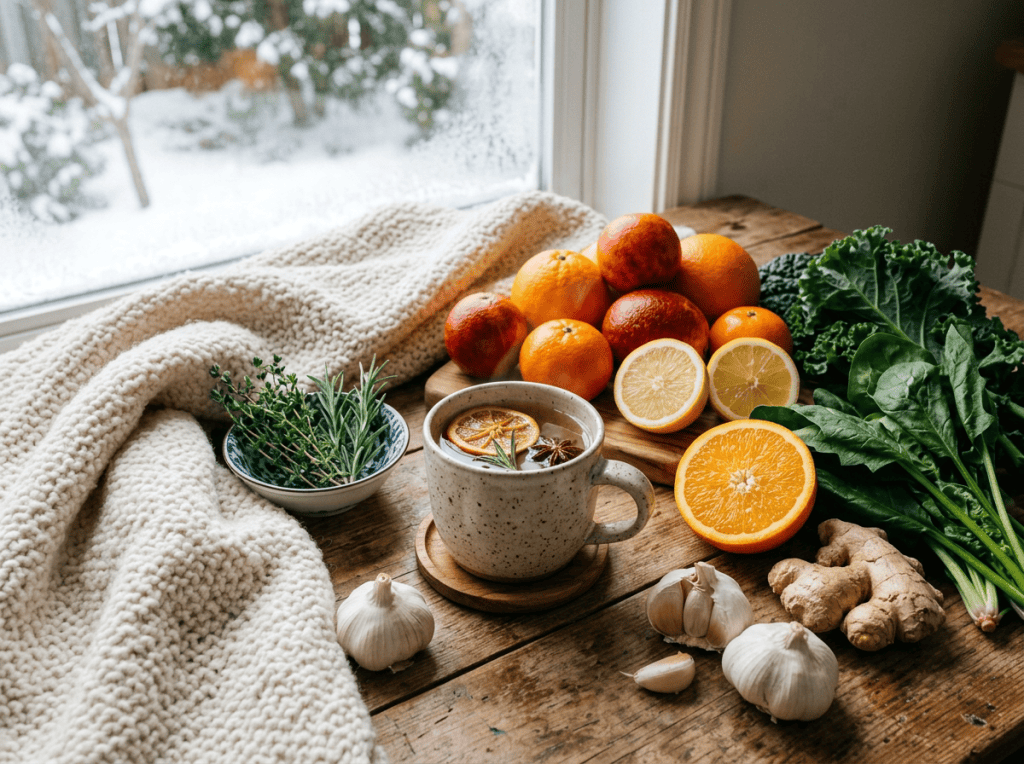


Nearly 20% of adults catch a cold each year, and illness becomes more likely as colder months approach. People spend more time indoors, where respiratory viruses thrive in shared or poorly ventilated spaces. Here’s how to boost your immune system ahead of winter as darker evenings set in and winter viruses circulate.
Your immune system is your body’s natural defense network, working to fend off infections. No magic solution can instantly enhance immunity, but science-backed habits support normal immune function. The aim is to build consistent practices that support overall health and resilience.
This article covers vaccinations, quality sleep, a balanced diet, moderate exercise, and stress management. It also covers proper ventilation, hydration, avoiding smoking and excessive alcohol, and realistic expectations. These steps may bolster defenses, lower illness risk, and aid recovery, but cannot prevent every cold or flu virus.

Key Takeaways
- Indoor gatherings increase exposure to viruses during winter.
- A strong immune system helps fight off infections.
- Consistent habits support immune health.
- Practical steps include vaccinations and a balanced diet.
- Realistic expectations are important; no method guarantees complete protection.
Why Winter Puts Your Immune System to the Test
Winter challenges your immune system. As temperatures fall, you may spend more time indoors, where germs spread easily. Close contact in enclosed spaces means mixing with others carries an inevitable risk of infection – leaving your immune system as your chief line of defense.
Learning why winter can weaken immunity helps you take steps to stay healthy.
The Science Behind Seasonal Immunity Drops
Several factors can reduce your immune system’s effectiveness during colder months. Poor sleep can disrupt normal immune regulation. Without enough rest, your body struggles to fight infections.
Chronic stress can suppress your immune response, making it harder to fight illness. Nutrient deficiencies also matter; without key vitamins and minerals, your immune system cannot work well. Dehydration, often overlooked in winter, can weaken your defenses.
Finally, cold weather may reduce activity, which can weaken your immune response.
Common Winter Illnesses You May Face
During winter, several illnesses become more common. The common cold is caused by various viruses, while influenza, or the flu, can cause severe symptoms. COVID-19 remains a serious risk, along with other respiratory infections that can affect anyone.
Symptoms can offer clues, but they may not identify the illness. Monitor your health closely. Seek medical guidance promptly for severe, lasting, or concerning symptoms.
Following public health advice can keep you informed and protected during this vulnerable season.

Here’s How to Boost Your Immune System Ahead of Winter: A Complete Guide
Strengthening your immune system ahead of winter takes healthy habits and preventive measures. While we can’t avoid every cold, flu, or virus during winter, looking after your immunity matters. It is a really important aspect of overall health.
A multi-pronged strategy works best for boosting your immune system. Combine proper nutrition, regular exercise, sufficient sleep, and effective stress management. Together, these practices support your immune health.
Why a Multi-Pronged Approach Works Best
Good nutrition provides essential nutrients your body needs to work well. Regular physical activity improves circulation, helping immune cells move more freely through your body. Adequate sleep supports immune signaling, allowing your body to recover and repair itself.
Chronic stress can cause prolonged physiological strain and weaken your immune defenses. Stress-reduction techniques can help you stay balanced and support overall health.
How Long Does It Take to Strengthen Immunity?
After adopting these habits, you may notice better energy and sleep within a few days or weeks. Meaningful health benefits often require consistent practice over time. Immunity has no instant fix; build a strong foundation instead.
Begin before winter is fully underway by scheduling preventive appointments and reviewing your vaccination needs. Make gradual changes you can realistically maintain throughout the season. This proactive approach can help you face winter with confidence.

Get Your Vaccinations and Annual Jabs
Get your jabs: the most important way to protect yourself from infections over the winter is through vaccination. Vaccination can lower your risk of serious seasonal illnesses, including flu, COVID-19, and other infections. Stay informed about recommended vaccines to protect your health.
Recommended Winter Vaccinations for Adults
Several vaccinations are especially important during the winter months:
Flu Vaccine
- The flu vaccine is updated each year to target circulating strains. Get your flu shot annually for the best protection.
COVID-19 Booster
- National recommendations advise a COVID-19 booster to strengthen immunity against severe illness. Talk with your healthcare provider about the best timing for you.
RSV and Pneumonia Vaccines
- RSV and pneumonia vaccines depend on your age and risk factors. Ask your clinician whether you qualify for these important immunizations.
When and Where to Get Your Shots
Arrange your vaccinations before the season reaches its peak. You can get your shots at:
- Primary care offices
- Pharmacies
- Health clinics
- Community vaccination programs
Confirm availability, eligibility, and insurance coverage with your provider. Vaccination works alongside sleep, nutrition, and hygiene.

Prioritize Quality Sleep Every Night
Get enough quality sleep to support a healthy immune system. Sleep is one of the most important things you can do to maintain a healthy immune system. During sleep, your body repairs itself and strengthens immune function.
Adults should aim for 7 to 9 hours of sleep each night. This rest helps your body recharge and prepare to fight infections. Even one night of poor sleep can reduce infection-fighting cells the next day, so practice good sleep hygiene.
How Sleep Supports Immune Function
During sleep, your body completes processes that strengthen your immune system. It produces cytokines, proteins that help fight inflammation and infection. Adequate sleep also improves vaccine effectiveness and other immune responses.
Without enough rest, your body may struggle to fight illness. This can make you more vulnerable to winter ailments.
Tips for Better Sleep Hygiene
Better sleep hygiene can improve your sleep quality. Use these practical tips to get the rest you need:
Stick to a Consistent Schedule
Go to bed and wake up at the same time daily, even on weekends. This habit regulates your internal clock and helps you wake refreshed and sleep well.
Create a Restful Environment
Make your bedroom a calm place for sleep. Keep it cool, dark, and quiet. Blackout curtains, earplugs, a comfortable mattress, and pillows can reduce disturbances and improve sleep quality.
Limit Screen Time Before Bed
Screen exposure can make it harder to fall asleep. Turn off your phone, tablet, computer, and television at least 30 minutes before bed. This reduces blue light, which can disrupt your sleep cycle.
Consult a healthcare professional for persistent snoring, gasping, insomnia, or extreme daytime sleepiness. These symptoms may signal sleep apnea or other sleep disorders needing specialized care.

Eat a Healthy, Balanced Diet and Replenish Deficiencies
A nutrient-rich diet is your best defense against winter illnesses. Your immune system needs energy, protein, vitamins, and minerals to work well. Instead of relying on a single supplement, focus on eating a healthy, balanced diet with a variety of foods.
Essential Nutrients for Immune Health
Several nutrients help maintain your immune system. Here are some of the most important ones:
Vitamin C
Vitamin C supports normal immune function. Find it in citrus fruits, bell peppers, broccoli, and leafy greens. These foods help you effectively replenish vitamin and mineral deficiencies.
Vitamin D
Less winter sunlight can lower vitamin D levels, especially in northern climates. Ask your primary care clinician if testing or supplements may help. Fatty fish, fortified dairy products, and egg yolks provide vitamin D.
Zinc and Selenium
Zinc and selenium also support immune health. Get zinc from seafood, poultry, meat, beans, nuts, seeds, and whole grains. Brazil nuts and fish provide selenium, but high-dose supplements can cause harm without medical guidance.
Foods to Include in Your Winter Diet
To support your immune system, you should follow a good diet rich in vegetables and fruit and avoid any deficiencies. This diet maintains the immune system very well. Here are foods to consider:
- Colorful produce (carrots, sweet potatoes, spinach)
- Lean proteins (chicken, turkey, legumes)
- Whole grains (quinoa, brown rice, oats)
- Nuts and seeds (almonds, chia seeds, walnuts)
- Dairy products (yogurt, kefir, fermented vegetables)
Staying hydrated is also essential. Drink water, unsweetened herbal tea, or fruit-infused water during winter.

Stay Active with Regular Exercise
Staying active helps maintain a strong immune system, especially during winter. Move more with regular, moderate exercise.
Regular, moderate exercise stimulates the immune system very well. It lowers the risk of infection. Exercise improves circulation, reduces stress, and helps immune cells work better. Aim for about 30 minutes on most days.
How Exercise Strengthens Immunity
Exercise strongly affects your overall health. It improves blood flow, helping immune cells travel through your body. Physical activity also helps control stress hormones. If unchecked, these hormones can weaken your immune response.
Regular movement can strengthen your immune defenses and help you resist illness.
Best Types of Moderate Exercise
Many enjoyable forms of moderate exercise fit easily into daily life. Here are some of the best options:
Brisk Walking
Brisk walking is an excellent way to move more. Walk outdoors, explore indoor malls, or take the stairs at home. Choose a pace that raises your heart rate but still lets you talk.
Start with short walks, then increase your time gradually for an enjoyable, lasting habit.
Cycling and Swimming
Cycling and swimming are low-impact exercises that can be tailored to your fitness level. They are gentle on joints, so many people can enjoy them. Cycle outdoors or on a stationary bike, or swim in a pool, to improve heart health and immune function.
Yoga and Strength Training
Yoga and strength training can support immune health. Stretching and body-weight movements improve flexibility and strength. Resistance bands or light weights can build muscle without overexertion.
Yoga also builds strength and encourages relaxation, which helps manage stress.
If you are new to exercise, start with 10-minute sessions. Gradually work toward 30 minutes on most days. Listen to your body and adjust activity based on how you feel, especially with illness, injury, or extreme weather.
Manage Stress Levels Effectively
Managing stress levels helps protect a healthy immune system, especially during winter. Short-term stress is a normal response to challenges. However, long-term stress can negatively affect the immune system.
Chronic stress may raise cortisol levels and weaken your body’s defenses over time. Use effective ways to reduce stress.
The Link Between Stress and Immunity
Prolonged stress can disrupt your sleep, mood, and overall behavior. This disruption may affect immune regulation and increase your risk of becoming ill. This link shows why managing stress levels matters.
Practical Stress-Reduction Techniques
Several practical techniques can help you manage stress levels:
- Mindfulness and Meditation: Engage in brief guided practices, mindful walking, or simply focus on your breathing. Yoga can also be a great way to center your thoughts and reduce anxiety.
- Deep Breathing Exercises: Try slow breathing with a comfortable exhale. This technique can help you reduce tension throughout the day, making it an accessible option for everyone.
- Social Connection: Reach out to friends through text or calls. Spending time with supportive people or joining community activities can greatly enhance your emotional well-being.
Also, try simple restorative activities like stepping outside, doodling, listening to music, or playing with a pet. These activities can offer a quick mental reset.
These stress-management practices support your well-being but do not replace professional care. Seek help from a qualified healthcare provider for persistent anxiety, depression, or trouble functioning.
Ensure Your Home Is Well-Ventilated
A well-ventilated home can support your immune health. Good indoor air quality matters, especially during winter. People spend more time indoors then, and poor airflow can trap pollutants and raise infection risks.
Why Indoor Air Quality Matters
Indoor air quality affects your overall health. Sharing a space with others, especially someone who is unwell, increases the risk of airborne virus transmission.
Proper ventilation removes airborne particles and creates a healthier space. Health experts note, “Spending extended periods indoors in recirculated air may increase exposure to respiratory viruses.”
Simple Ways to Improve Ventilation
Improving ventilation does not need to be difficult. Use these simple steps to ensure homes are well-ventilated:
Open Windows Daily
When weather permits, open your windows for short periods. Fresh air can circulate after gatherings or in crowded rooms. Even a few minutes can improve indoor air quality.
Use Air Purifiers
A properly sized portable air purifier can improve indoor air quality. Choose one with a filter that captures airborne particles. Air purifiers should support, not replace, natural ventilation.
Maintain HVAC Systems
Maintain your HVAC system regularly. Replace filters as the manufacturer instructs, and keep air vents clear. Routine checks can prevent air quality problems.
A humidifier can improve comfort during dry winter months. However, excess humidity can encourage mold growth.
Spend time outdoors when possible. Ventilation matters, but it does not eliminate all infection risks. A well-ventilated home supports your immune system during winter.
Limit Alcohol and Avoid Smoking
To support immune health this winter, limit alcohol and avoid smoking. These choices can affect your body’s ability to fight infections and maintain wellness.
Excessive alcohol use can harm health, especially during winter. It can:
- Interfere with sleep: Poor sleep can weaken your immune system, making you more susceptible to illness.
- Contribute to dehydration: Alcohol can dehydrate your body, hindering its ability to function optimally.
- Affect infection response: Alcohol can suppress your immune defenses, making it harder for your body to respond to pathogens.
Moderate alcohol use does not guarantee you will avoid illness. Still, follow current U.S. dietary guidelines. Discuss drinking concerns with a healthcare professional to protect your winter health.
How Alcohol Weakens Immune Defenses
Excessive alcohol consumption can weaken your immune system. Recognize the risks and take steps to reduce them.
The Impact of Smoking on Immunity
Smoking is another factor that can severely harm immune health. Tobacco smoke damages the respiratory tract and weakens the lungs’ natural defenses. This can:
- Reduce antibody production: Smoking affects your body’s ability to produce antibodies, which are crucial for fighting infections.
- Hinder lung function: Compromised lung health can make you more vulnerable to respiratory illnesses.
- Lead to chronic health issues: Long-term smoking can result in serious health problems that weaken your immune system.
If you smoke, consider evidence-based cessation support. Options include counseling, quitlines, nicotine-replacement therapies, and medications recommended by a clinician. Reducing smoke exposure can benefit respiratory health, even if quitting takes multiple attempts.
Conclusion
Preparing for winter helps maintain your immune health. Build stronger defenses with steady habits, including 7 to 9 hours of sleep each night. A balanced diet with fruits, vegetables, and whole grains provides the nutrients needed.
Stay hydrated to support your immune system. Regular exercise improves circulation and supports your overall well-being. Manage stress with techniques like mindfulness or yoga.
Vaccinations help protect against seasonal illnesses. Ask your healthcare provider which vaccines are right for you. Improve indoor air quality by increasing ventilation in your home.
Limit alcohol consumption and avoid smoking to keep your immune system strong. Supplements can help, but use them under professional guidance for specific deficiencies, not as a substitute for a healthy diet.
Here’s how to naturally boost your immune system ahead of winter: start with one or two manageable changes. Schedule a preventive appointment if needed, and discuss health concerns with a healthcare professional.
Preparing now can make a significant difference in your health this winter.




Leave a Reply