

Did you know nearly 80% of older adults feel foot discomfort while walking? This common issue can make daily activities feel hard, but it does not mean giving up movement. Your feet have muscles like any other part of your body, and those muscles respond to training at any age.
This educational guide helps people over 65 regain comfort and explains why stronger feet lead to easier walking. We explore four gentle exercises: Toe Yoga, Arch Doming, Slow Heel Raises, and the Knee-to-Wall Ankle Stretch. These movements support strength, mobility, and confidence in your feet and ankles.
This guide covers 4 foot exercises to help reduce walking pain after 65. We cannot promise instant relief, but gradual training may lead to significant improvements. Your calves and ankles help control each step, so approach these exercises with care.
Use support when needed and stay within a comfortable range. Consult a healthcare professional if you have persistent or severe pain.

Key Takeaways
- Foot discomfort is common but manageable.
- Muscles in your feet can be strengthened at any age.
- Regular movement supports independence and reduces fall risk.
- Gentle exercises can improve strength and mobility.
- Consult a doctor if you have ongoing foot pain.
The Most Common Foot Problems After 65
As you age, your feet may show wear and tear. Many people over 65 develop common foot problems that cause discomfort and instability. Understanding these issues helps protect your mobility and overall health.
Heel Pain and Plantar Fasciitis
By far, the most common problem I see is heel pain with the first few steps in the morning. This pain may also begin after getting up from a chair. It usually means plantar fasciitis, irritation of the strong band of tissue running from the heel to the toes. Worsening pain after inactivity may mean it is time to consult a specialist.
Flattening Arches and End-of-Day Soreness
Next comes the arch. Your foot may feel fine in the morning but become sore and visibly flatter by day’s end. This change can increase discomfort, cause instability, affect balance, and raise your risk of falls.
Stiff Big Toe Joints and Ball-of-Foot Pain
Many older adults have stiff, sore big toe joints, bunions, and pain under the ball of the foot. Age-related changes thin the natural padding there. This can increase pain during daily activities, so noticing changes helps you manage foot health.
Tired Calves and Stiff Ankles
Tired calves and stiff ankles often run alongside these foot problems. Limited ankle motion can change how force travels through your foot and add discomfort. For ongoing pain, check your footwear and consider exercises that improve flexibility and strength.
Persistent pain deserves evaluation, especially when it affects balance or normal activities. Seek medical advice for severe, sudden, or lasting symptoms, especially swelling, numbness, or inability to bear weight. Early care can help you keep your independence and mobility.

Why Stronger Feet Walk Easier
Strong feet make walking smoother, more comfortable, and steadier. There are small muscles inside the foot itself. They work the whole time you stand or walk, holding the arch up and controlling your toes.
Sitting above them, the calf and ankle muscles absorb the impact of every step. They control how the foot rolls through each stride. Together, they guide smooth movement and may help prevent injuries.
The Small Muscles Inside Your Foot
The small muscles within the foot are easy to overlook, but they support mobility. They hold the arch up and keep the toes positioned correctly. Strong muscles improve control and stability, especially as you age.
The Calf and Ankle Muscles Above
The calf and ankle muscles above them manage the impact of walking. They help the foot move smoothly from heel contact to push-off. Strong calves improve balance and help you handle stairs and uneven surfaces.
What Happens When You Train Them
Exercises like Toe Yoga, Arch Doming, Heel Raises, and the Knee-to-Wall Stretch train these important muscle groups. Toe Yoga improves toe control, Arch Doming supports the arch, Heel Raises build calf strength, and the ankle stretch increases flexibility.
With regular practice, you may improve your ability to perform daily activities such as walking, climbing stairs, and rising from a chair. Stronger feet help you recover from minor balance losses and support your independence.

Getting Started Safely With Foot Exercises
Begin foot exercises with care to support safety and good results. Practicing foot exercises for older adults may improve mobility and reduce pain. Prepare your body and space before you start.
What You Need Before You Begin
Gather these items before you begin to create a safe exercise space:
- A sturdy chair, kitchen counter, or wall for support
- A stable, nonslip surface to prevent falls
- Comfortable clothing that allows for movement
- Bare feet or secure footwear appropriate for the exercises
These preparations support safe, effective foot strengthening exercises for seniors.
How Often to Practice
Practice foot exercises several days each week. Start with short sessions, then slowly increase exercise time as you feel more comfortable. Include balance and flexibility exercises at least twice weekly to support daily light activity and moderate walking.
Signs You Should Stop or Modify
Listen to your body while exercising. Stop and contact a healthcare professional if you notice any warning signs below:
- Sharp or worsening pain
- New swelling or numbness
- Dizziness or chest pain
- Unusual shortness of breath
- Loss of balance
You can modify exercises by doing fewer repetitions, using more support, or moving through a smaller range of motion. Always put safety first when exercising after 65.

4 Foot Exercises to Help Reduce Walking Pain After 65
These 4 foot exercises to help reduce walking pain after 65 can improve foot strength, mobility, and flexibility. Together, they support balanced foot health and help you walk with greater ease and comfort.
How These Four Exercises Work Together
These four moves support one another. Each move targets a different part of foot strength or flexibility:
- Toe Yoga: Focuses on separating and controlling your toes to improve toe dexterity.
- Arch Doming: Gently recruits the muscles beneath your arch to enhance stability.
- Slow Heel Raises: Strengthens the calf and foot while practicing controlled balance.
- Knee-to-Wall Ankle Stretch: Addresses forward ankle mobility, crucial for walking.
Practice them alone or combine them into a short routine, based on your comfort level. Keep each movement slow and controlled, rather than forceful. If standing feels hard, use a smaller range or a seated version.
A Quick Overview of Each Move
Each exercise has a specific purpose:
- Toe Yoga: Helps enhance toe control, which is essential for balance.
- Arch Doming: Focuses on strengthening the arch to provide better support.
- Slow Heel Raises: Works on calf strength, which is vital for walking.
- Knee-to-Wall Ankle Stretch: Improves ankle mobility, making walking easier.
Toe control and arch-strengthening exercises for seniors can support balance and foot strength. Calf raises for walking can build calf strength, while an ankle mobility exercise can improve ankle movement. With regular practice, these moves may help manage walking pain and improve mobility for more enjoyable daily activities.
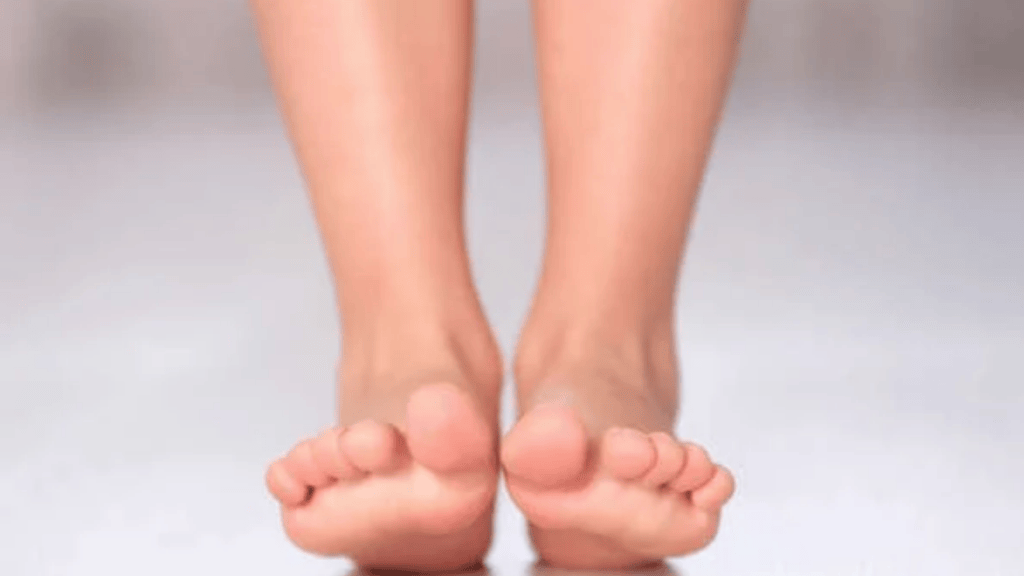
Exercise 1: Toe Yoga (Toe Lifts)
Toe yoga (toe lifts) is a simple exercise that builds foot strength. It improves toe coordination and flexibility, which may ease walking pain.
How to Do Toe Yoga
Starting Position
Starting position: sit in a chair with your bare feet flat on the floor. Keep your heels grounded for a stable base.
The Two Movements
How to do it: lift your big toe while pressing the other four toes into the floor; hold for 3 seconds.
Next, press the big toe down and lift the other four toes; hold for 3 seconds.
If the toes won’t separate at first, use a finger to hold the other toes down while you practice.
Form Cues to Remember
Keep the heel and ankle still. Only the toes should move. Avoid curling, gripping, or rolling your foot outward.
Use gentle effort to control each movement.
Progressions and Regressions
For a greater challenge, practice with one foot at a time. You can also use a finger to assist your toes.
Another option is to reduce the hold time, then slowly build control.
Common Mistakes to Avoid
- Lifting the heel or moving the entire ankle.
- Scrunching all the toes together.
- Holding your breath during the exercise.
- Forcing a painful joint to move.
Avoiding these mistakes helps keep your Toe Yoga practice safe and effective.

Exercise 2: Arch Doming (Short Foot Exercise)
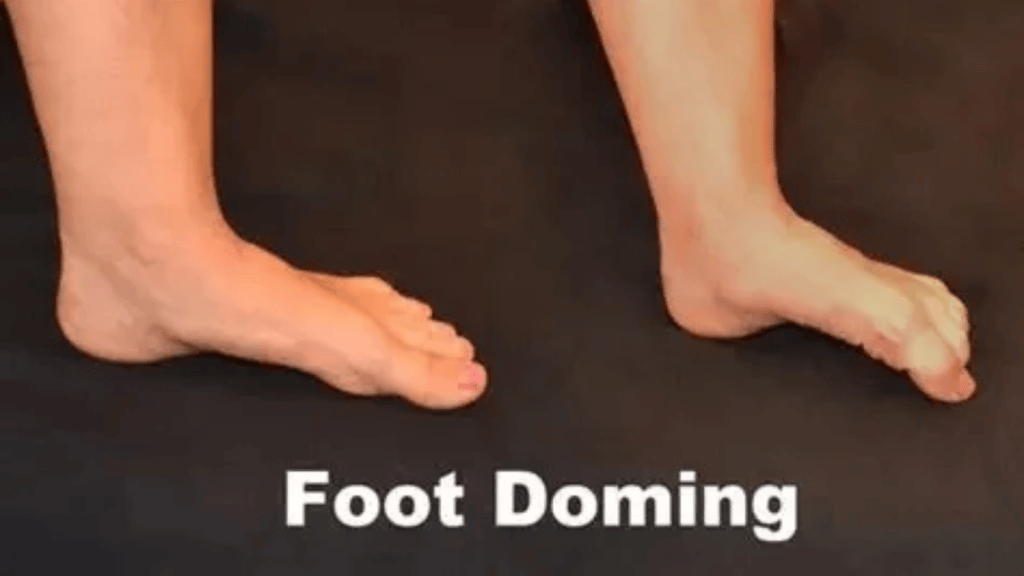
Arch doming (short foot exercise) is an effective way to strengthen your arch; this works the muscles under the arch. It can improve foot stability and overall mobility.
How to Do Arch Doming
Starting Position
To begin, sit with your bare feet flat on the floor. Keep your heel grounded, and let your toes relax and lengthen. This position prepares your foot for the exercise.
Drawing the Ball of the Foot Back
Next, draw the ball of the foot toward the heel, so the arch lifts into a small dome. Hold the dome for 5 seconds, then relax; controlled muscle engagement matters most. Keep the toes long and flat on the floor throughout.
Form Cues to Remember
Remember these key points during Arch Doming:
- Keep the toes long and flat, even if the dome is barely visible to begin with.
- Avoid scrunching or lifting your toes during the exercise.
- Maintain your weight evenly distributed across your foot.
Progressions and Regressions
Start with seated arch doming, then use both hands near the counter for support. Progress to doing it standing, then to standing on one leg holding the counter for balance. This gradual progression builds strength safely and effectively.
Common Mistakes to Avoid
As you practice Arch Doming, watch for these common mistakes:
- Scrunching the toes instead of keeping them flat.
- Lifting the toes off the ground, which can reduce the effectiveness of the exercise.
- Rolling onto the outside edge of your foot.
- Shifting your body weight excessively, which can lead to instability.
Adding Arch Doming to your routine strengthens the muscles under the arch. It may improve foot health and reduce discomfort while walking, but consistency is key.
Exercise 3: Slow Heel Raises
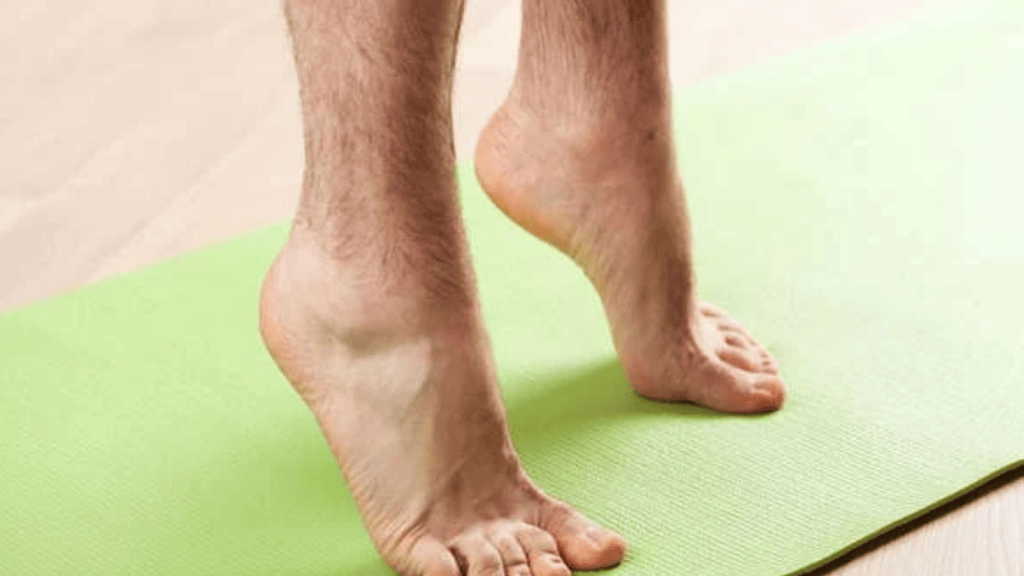
Slow heel raises strengthen your calves and improve balance. They target lower-leg muscles, helping you walk more comfortably and confidently. Follow these steps to perform slow heel raises correctly.
How to Do Slow Heel Raises
Starting Position
To begin, stand facing the kitchen counter with your fingertips on it for balance. Your feet are hip-width apart, and your posture stays upright. This position gives you stability during the exercise.
The Rise and Lower
Rise up onto the balls of your feet as high as possible; keep weight over the big toe and second toe. Pause for 1 second at the top, then lower slowly, taking a full 3 seconds to come down. The lowering matters more than the height; count a slow three every time.
Form Cues to Remember
As you exercise, follow these form cues to remember:
- Maintain quiet knees and level hips.
- Keep your trunk steady throughout the movement.
- Distribute pressure evenly through both feet.
Progressions and Regressions
For more challenge, progress to one leg at a time. You can also begin with seated heel raises or use two-leg repetitions before advancing. For added difficulty, stand with your toes on a rolled-up towel.
Common Mistakes to Avoid
To gain the benefits of slow heel raises, avoid these common mistakes:
- Avoid bouncing during the rise.
- Don’t rush the lowering phase; take your time.
- Ensure you don’t roll onto the outer foot.
- Avoid locking your knees.
- Don’t lean heavily into the counter.
- Prioritize control over height.
Exercise 4: Knee-to-Wall Ankle Stretch

The knee-to-wall ankle stretch improves ankle flexibility. It trains your ankle to bend forward while keeping your heel grounded, supporting better mobility. This restores the ankle’s ability to bend forward.
How to Do the Knee-to-Wall Stretch
Starting Position
Stand facing a wall with one foot about a hand’s width from it, and place the other foot behind for balance. Put your hands on the wall for support.
The Movement
Keeping the front heel on the floor, bend the front knee toward the wall. Gently tap or approach the wall without collapsing inward; hold for 2 seconds, then come back. Keep the knee in line with the second toe; the heel stays down, and the knee tracks over the toes.
Form Cues to Remember
- Keep the heel down: Ensure your front heel stays on the ground throughout the stretch.
- Knee tracking: Keep the knee in line with the second toe as you bend.
- Relax your foot: Avoid tensing your foot during the movement.
- Avoid forcing: Do not push into sharp pain or instability.
Progressions and Regressions
As it gets easier, move the front foot back a little at a time. If you’re starting out, begin closer to the wall or use a smaller bend in your knee.
Common Mistakes to Avoid
- Lifting the heel off the ground.
- Turning the foot outward.
- Allowing the knee to cave inward.
- Bouncing during the stretch.
- Pushing into sharp pain.
Building a Daily Routine and When to Seek Help
A daily foot exercise routine for seniors can improve mobility. Practice matters more than a single session. It may improve balance, reduce pain, and support fall prevention exercises for older adults.
Choose exercises that feel manageable. Begin with Toe Yoga and Arch Doming while seated, then add supported Heel Raises and the Knee-to-Wall Stretch. Use low repetitions and comfortable holds; practice several times a week, and, if tolerated, walk around your home daily.
Putting the Exercises Together
This sequence can help improve walking balance after 65. Start with seated movements to warm your feet. Later, add standing exercises to build strength and balance, making them a natural part of your day.
Tracking Your Progress
Tracking progress is essential, even when pain does not decrease; easier walking, better toe control, and confidence also show improvement. Record pain before and after walking, plus repetitions, balance confidence, and ankle range of motion. Notice how your feet feel later that day or the next morning.
When to See a Foot Specialist
Know when to see a podiatrist for foot pain, including persistent, worsening, or recurrent heel pain. Visible deformities, new numbness, swelling, skin changes, repeated falls, or difficulty bearing weight also need care. If these symptoms affect sleep or daily activities, seek professional advice.
Conclusion
Maintaining foot health helps you enjoy a fulfilling life after 65. These four exercises support foot pain relief after 65 by improving toe control, arch support, calf strength, and ankle mobility. Together, these benefits create stronger feet for walking.
Build stronger feet with consistent practice and gradual progress, not aggressive training. Begin with the easiest variation of each exercise, using a stable support surface to build confidence. As you feel more comfortable, advance to more challenging versions.
Regular senior foot mobility exercises can improve your daily activities. You may walk more easily, stand with greater confidence, and feel less stiffness throughout the day. Exercise can improve mobility, but it cannot replace a professional evaluation for persistent foot pain.
Take small steps toward better foot health. Celebrate every improvement, no matter how minor. With dedication and the right approach, you can enjoy a more active lifestyle and maintain your independence.




Leave a Reply