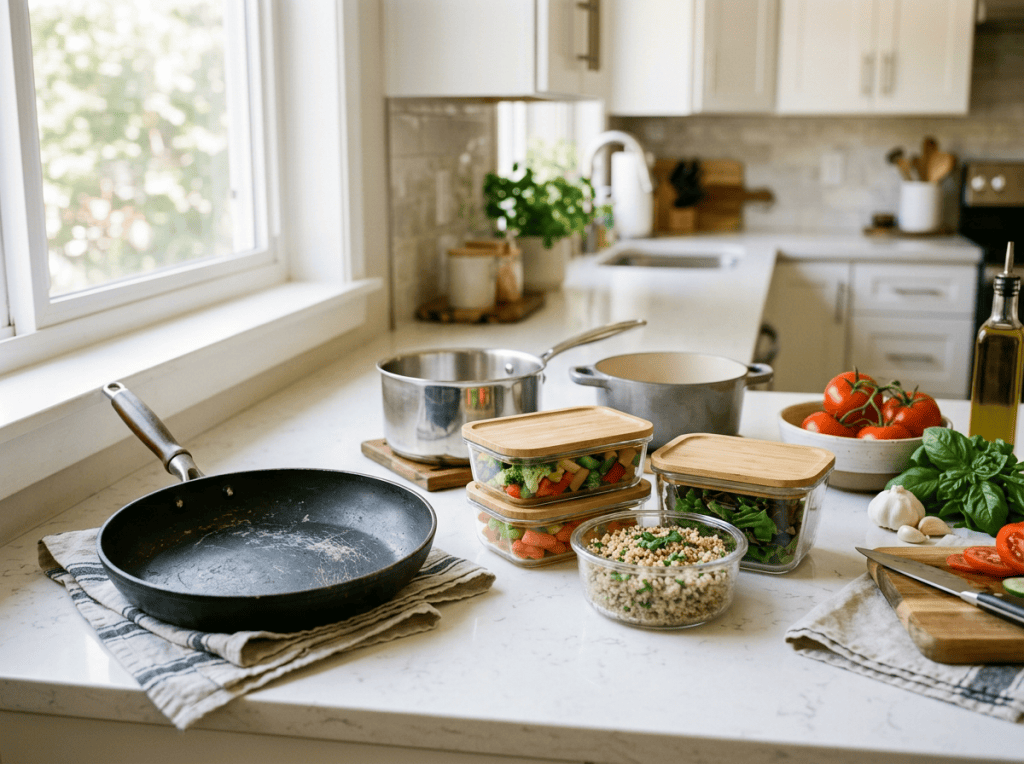


Have you wondered what lurks in your favorite nonstick pan or cozy scented candle? Many daily home items might seem harmless, yet some contain chemicals linked to cancer and long-term health risks. Learning about home items linked to cancer can help you make informed choices for a healthier living space.
Research shows some household essentials may expose you to substances classified as carcinogens. These include nonstick cookware, air fresheners, and some cleaning supplies. You do not need to throw everything away; make manageable changes that can reduce your exposure.
A scratched nonstick pan may no longer be safe. Try stainless steel or cast iron instead. Likewise, fragrance-free products can replace scented candles and air fresheners, which may contribute to indoor air pollution.
Your exposure risk depends on how often and how long you use these products. Individual health conditions also affect that risk. This article offers practical swaps for a healthier environment without causing fear.

Key Takeaways
- Many everyday products may contain harmful chemicals.
- Understanding risks can help you make better choices.
- Simple swaps can lead to a healthier home.
- Frequency and duration of exposure matter.
- Opt for safer alternatives like glass and stainless steel.
Why everyday household products deserve a closer look
Everyday products in your home may contain household chemicals that deserve closer attention. Many household chemicals are safe when used as directed, but repeated low-level exposure still needs study. Researchers study how these chemicals may affect indoor air quality and overall health.
The word “chemical” does not automatically mean danger. A chemical’s risk depends on several factors, including:
- Dosage: The amount of chemical present.
- Route of exposure: How you come into contact with it.
- Frequency: How often you are exposed.
- Duration: The length of time you are exposed.
Your home can collect several sources of exposure. Fragranced products may release volatile organic compounds (VOCs), furniture can add chemicals to dust, and heating food in certain plastics may increase exposure to harmful packaging components.
Indoor spaces deserve special attention because homes often have limited ventilation. People also spend significant time indoors, making it important to take steps to improve indoor air quality.
Focus on high-impact, low-cost actions, such as:
- Opening windows to increase ventilation.
- Reducing unnecessary fragrances in your home.
- Washing your hands before eating.
- Regularly cleaning dust from surfaces.
- Replacing damaged products promptly.
These safer household choices can greatly reduce your exposure to harmful chemicals. You do not need expensive or extreme solutions.

What “linked to cancer” means—and what it does not
When discussing chemicals linked to cancer, consider exposure and risk carefully. This term does not mean everyone exposed will develop cancer. It means certain chemicals may raise cancer risk under specific conditions.
The International Agency for Research on Cancer (IARC) and the National Toxicology Program (NTP) classify substances based on available evidence. A known human carcinogen has been proven to cause cancer, while a probable or suspected carcinogen lacks definite proof. Some substances remain under investigation for possible long-term health risks.
Several factors affect carcinogen risk, including exposure level and frequency:
- Amount of exposure: Higher levels can increase risk.
- Duration of exposure: Prolonged contact may elevate the likelihood of developing health issues.
- Route of exposure: Inhalation, ingestion, or skin contact can affect how chemicals impact your body.
- Occupational intensity: Those in certain jobs may face higher risks due to regular exposure.
- Genetic background: Individual genetics can influence susceptibility to cancer.
Interpret claims about household chemicals in context. Ask yourself:
- What chemical is involved?
- How does exposure occur?
- How much exposure is likely?
- Does the evidence apply to ordinary home use?
Reducing unnecessary exposure to harmful chemicals is sensible. However, panic and replacing products without thinking are unnecessary. Understanding the science behind these claims can help you make informed choices for your home and family.

Home items linked to cancer: three categories to check
Many household items may contain chemicals linked to cancer. Knowing these risks helps you make informed choices about the products you use each day. Check three categories and consider practical swaps that may reduce exposure.
1. Nonstick cookware: PFAS, or “forever chemicals”
Nonstick cookware is convenient, but many products contain PFAS, also called “forever chemicals.” They earn this name because they do not break down in the environment. Research suggests PFAS may affect reproduction and development, and may also increase cancer risks.
Older or damaged nonstick pans may cause greater concern. Scratches or high heat can release harmful chemicals into food. Switch to stainless steel, cast iron, or high-quality ceramic cookware, preheat properly, and use enough oil to prevent sticking.
2. Scented candles and air fresheners: VOCs, benzene, and formaldehyde
Scented candles & air fresheners can increase VOCs in the home and contribute to indoor air pollution. These products may release volatile organic compounds (VOCs), including benzene and formaldehyde. Long exposure may cause breathing problems and raise possible cancer risks.
Occasional use may not pose a major threat, but frequent use can build up harmful effects. Try essential oil diffusers or beeswax candles instead of traditional scented products. These choices can freshen your space with less concern about VOCs.
3. Plastic containers and food packaging: BPA, phthalates, and endocrine disruptors
Plastic containers & food packaging are common, but they may contain BPA and phthalates. BPA and phthalates are endocrine disruptors that can interfere with hormones and may contribute to cancer. Research into microplastics continues.
Before heating food, move it into glass, porcelain, or stainless steel containers. Avoid scratched or warped plastic containers because they may leach harmful chemicals more easily. These simple swaps can help create a safer environment for you and your family.

By watching these household items, you can reduce exposure to harmful chemicals. Always research products and consider safer alternatives to protect your health and well-being.
Improve indoor air while you use scented products.
Better indoor air does not mean giving up pleasant scents. Choose natural alternatives that reduce pollutants while keeping your favorite fragrances.
Here are some effective strategies to consider:
- Choose beeswax or soy candles with cotton wicks: These candles burn cleaner than traditional paraffin options, reducing the release of toxic compounds.
- Use essential-oil diffusers: Water-based diffusers can disperse delightful scents without the heavy load of synthetic fragrances.
- Ensure good ventilation: Open windows or use exhaust fans to help circulate fresh air, which can significantly improve indoor air quality.
- Limit the number of scented products: Instead of layering multiple candles, sprays, and incense, try using one product at a time to reduce pollutant concentrations.
- Trim candle wicks: Keeping wicks short (about 1/4 inch) can help prevent excessive soot and smoke.

Some fragrance compounds can still bother sensitive people, even when you enjoy scented products. Essential oils, for example, may cause headaches or breathing problems in some people, including children and pets. Create fragrance-free zones, especially for babies and people with asthma.
These practices can make your home welcoming and healthier. You can enjoy favorite scents without compromising indoor air quality.
Reduce chemical exposure when storing and heating food
Simple changes to food storage and heating can reduce chemical exposure. Before heating leftovers, move them from plastic takeout containers or frozen dinner trays into glass containers or stainless steel storage. Use porcelain, too, to avoid heating food in plastic, which may release harmful chemicals into meals.
For foods you often store and reheat, choose glass containers. They are durable and do not leach chemicals when heated. Stainless steel storage suits lunches and dry foods. For flexibility, choose sealed silicone storage; it withstands heat and cleans easily.
Inspect current containers and discard any that are cracked, warped, deeply scratched, sticky, or cloudy. These flaws may let chemicals or microplastics migrate into food. Recycling codes can suggest plastic types, but they do not guarantee safety.
When possible, choose paper-based alternatives or packaging-free options. However, some paper products may contain coatings, so they are not always chemical-free. You do not need to change everything overnight; replace the products that touch hot food most often, then work through the kitchen.

Read product labels and evaluate safer-swap claims
When shopping for household products, read product labels closely. Words like “natural” and “eco-friendly” can sound helpful, but they may mislead shoppers. Look for trusted certifications, including the EPA Safer Choice and Green Seal, which show safety and environmental standards.
Watch for greenwashing, when vague claims make products seem safer than they are. A “fragrance-free” cleaner may still contain harmful chemicals. Check ingredients for hazards such as VOCs, bleach, or ammonia.

Check that each cleaning product clearly lists its active disinfecting ingredients. This transparency helps you understand what you use at home. Even certified products require safe use according to their directions.
For furniture and textiles, look for PFAS-free labels or OEKO-TEX Standard 100 certification. These certifications can help you choose safer products. Still, verify claims independently when possible.
Never mix certain cleaners because they can create dangerous fumes. Combining bleach with ammonia, for instance, can produce toxic gases. Simple soap and water often clean routine messes, while disinfectants suit homes with someone sick or a compromised immune system.
Prioritize replacements without overspending.
You can make affordable home swaps without overspending. Make gradual changes to improve your living space. Start with damaged or often-used items instead of replacing everything at once.
Replace scratched cookware or plastic containers used daily in the microwave. These items may pose greater risks, and replacing them first can create high-impact changes. Until a planned replacement fits your budget, use your current items safely.
Take low-cost steps to reduce exposure over time. Open windows, use a fan, and wash new textiles to improve indoor safety. Also, vacuum dust and store cleaners securely without spending much.
When replacing items, choose durable materials such as stainless steel, cast iron, and glass. They last longer and support a healthier home. Avoid debt for replacements; the goal is to reduce unnecessary exposure efficiently, not pursue perfection.
“You don’t need a drastic lifestyle overhaul to make a difference in your home.”

Adapt your choices to your household and living situation
Your household choices should match the unique needs of everyone living in your home. Homes with children and pets, asthma-sensitive households, and rental homes have different health and safety needs. These needs can shape household exposure, including indoor dust.
Here are some practical recommendations:
- For families with children and pets: Store pesticides, cleaners, and fragrances in locked or inaccessible locations. Avoid using these products near eating, sleeping, or play areas to minimize exposure.
- For asthma-sensitive households: Prioritize fragrance-free cleaning products. Ensure proper ventilation to reduce indoor dust and remove smoke or persistent odors that can trigger asthma symptoms.
- If you rent: Focus on portable improvements. Use window fans safely, opt for washable textiles, and control dust with regular cleaning. Discuss leaks, mold, ventilation, and radon testing with your landlord.
- For homes in high-radon areas: Use a certified radon test kit or hire a professional to test for radon. Follow local mitigation guidelines if levels are elevated.
- Smoking indoors: Avoid smoking inside your home. Secondhand smoke is a well-established risk and should be eliminated to create a healthier environment.
By matching choices to your household’s needs, you can reduce harmful exposures. This active approach helps create a safer, healthier living space for everyone.
Follow a practical plan for making swaps over time
Creating a practical chemical exposure plan can improve your home’s safety. You do not need to make every change at once. Use gradual product replacement to avoid feeling overwhelmed and make your home healthier.
Start in the kitchen. Check scratched nonstick cookware, plastic containers used for heating, and packaging touching hot food. These items can release harmful chemicals. Replace them with safer options, such as stainless steel or glass containers.
Improve your indoor air quality next. Turn off unnecessary plug-ins, open windows when weather permits, and use exhaust fans while cooking or cleaning. This helps reduce indoor pollutant levels.
Review your cleaning supplies next. Never mix products, especially bleach and ammonia, because they can create toxic fumes. Use a household safety checklist to track your supplies and needed replacements.
Wash new bedding or textiles before use. Air out new furniture when possible, so harmful chemicals can dissipate.
Regularly vacuum and dust to reduce dust and allergens. Fix water leaks promptly to prevent mold growth.
If radon is a concern in your area, testing is essential. Radon is a colorless, odorless gas that can cause serious health risks. Knowing your home’s radon levels can guide your next steps.
As your budget allows, replace often-used products with safer options. Record what you changed and why. This record can guide more thoughtful purchases later.
Remember, progress means reducing frequent, unnecessary exposure, not removing every chemical from your home. By following this healthier home routine, you can create a safer environment for you and your family.
Avoid common mistakes when reducing household exposures
Household products can be tricky when you try to reduce chemical exposure. You may think switching conventional items for “natural” choices is always safe. However, natural does not always mean safer. Natural fragrances, essential oils, and even vinegar can irritate airways or harm pets.
Not all products labeled as “green” are created equal. For instance, wax melts may seem healthier than traditional candles, but they can release harmful particles. Always check the safety of these alternatives.
One critical rule is: do not mix cleaning products. Never combine bleach with ammonia or other cleaners; this can create toxic fumes. Always follow safety directions on labels, including dilution and ventilation instructions. These guidelines protect you and your family.
A product labeled “BPA-free” is not free of all harmful chemicals. Many substitutes are still under study for safety reasons. Use caution with plastics because recycling codes do not provide a complete safety assessment.
When using pesticides, wear protective clothing and keep products away from children and pets. Wash your hands after handling them, and change any contaminated clothing. Safe use, proper ventilation, and storage are as important as the products you choose.
In summary, avoid mistakes in chemical exposure by staying mindful and reducing household exposures. This can help you reduce risks without replacing one risk with another. Prioritize safety; moderation can matter as much as product category.
Conclusion
You don’t need a drastic lifestyle overhaul. Sometimes, the small choices you make for your home can add up to significant long-term benefits. By making mindful decisions, you can create a healthier living environment without feeling overwhelmed.




Leave a Reply