

Have you wondered if a small, juicy fruit can support a healthier lifestyle? Raspberries are mighty companions for weight loss, but they work best with healthy eating habits.
These bright berries taste great, stay low in calories, and provide plenty of fiber. One cup, about 123 grams, has just 64 calories, making it an easy addition to meals. Its 8 grams of fiber can help you feel full and manage your appetite.
These berries can help your diet, but they will not magically melt away pounds. They support weight-loss efforts when part of a balanced eating pattern. Replace higher-calorie snacks or sugary desserts with these nutritious fruits.
This article explores raspberries’ nutritional profile, fiber content, natural sweetness, and antioxidant properties. It also covers practical serving options, physical activity, and individual circumstances in weight management.

Key Takeaways
- Raspberries are low-calorie and high-fiber, aiding in satiety.
- They should complement a balanced diet rather than serve as a standalone solution.
- Fresh raspberries are perishable, while frozen options are available year-round.
- Replacing processed snacks with raspberries can be beneficial.
- Factors like physical activity and sleep play a significant role in weight management.
Can Eating Raspberries Help You Lose Weight?
Raspberries’ weight loss benefits can support your goals. They are not a complete solution, but they can improve your overall eating pattern. If you want to lose weight, eat raspberries as part of a balanced diet.
These berries contain plenty of fiber and water. They may help you feel full without adding many calories to meals. Weight management depends on many factors, including:
- Overall portion sizes
- Protein intake
- Consumption of vegetables and whole grains
- Meal timing
- Frequency of ultra-processed foods
Raspberries fit well into a healthy eating plan. Their fiber may increase fullness and help you manage total calorie intake. No single food automatically boosts metabolism or causes fat loss.
Focus instead on your overall eating habits. Raspberries are a great addition, but replacing ultra-processed foods with whole foods can significantly improve diet quality. Eating a variety of fruits and vegetables is key to lasting results.

Raspberries Weight Loss: Nutrition and Calories at a Glance
Raspberries may help people who aim to lose weight. These vibrant, delicious berries provide many nutrients that can support your diet.
What you get in a cup of fresh or frozen raspberries
One cup of raspberries, either fresh or frozen, contains approximately 64 calories. This serving size offers:
- Carbohydrates: 14.7 to 15 grams
- Fiber: 8 grams
- Protein: 1.5 grams
- Fat: Less than 1 gram
Raspberries also provide essential vitamins and minerals, including vitamin C, manganese, vitamin K, vitamin E, B vitamins, iron, magnesium, phosphorus, and potassium. Frozen raspberries retain much of their nutritional value, making them convenient to use.
How their fiber, natural sugars, and calories fit into your diet
Raspberries are a high-fiber fruit rich in antioxidants that can support weight loss. One cup of raspberries, either fresh or frozen, provides 8 grams of fiber. This amount is significant for such a low-calorie food.
Fiber can help you feel full, making portion sizes and total calorie intake easier to manage. Raspberries get their carbohydrates from natural sugars and fiber, not added sugars. Choose fresh or unsweetened frozen berries for yogurt, oatmeal, or smoothies.
Be careful with sweetened frozen berries, syrups, and preserves because they may contain added sugars and calories. Understanding their nutrition lets you enjoy their delicious taste while gaining their nutrient density. They can satisfy sweet cravings without derailing your weight loss efforts.

How Raspberries’ Fiber May Help You Feel Full
Fiber offers numerous health benefits, including promoting weight loss by helping you feel fuller. It adds bulk to meals and may help you feel satisfied after eating.
When you eat fiber, it slows digestion, which can help you eat less. Your body absorbs nutrients more gradually, helping maintain stable blood sugar and reduce snacking. One cup of fresh raspberries contains about 8 grams of fiber, making them an excellent choice for boosting daily fiber intake.

Fiber alone does not guarantee weight loss. Your meal’s overall composition also affects how full you feel. Balanced meals with protein, healthy fats, and enough water can support lasting fullness.
- Fiber adds bulk to your meals.
- It slows digestion, leading to prolonged satisfaction.
- Raspberries can replace less filling snacks, enhancing your diet.
Adding raspberries to a high-calorie diet will not automatically cause weight loss. Their benefits matter most when they replace less nutritious options or make meals more satisfying.
How Their Natural Sweetness Can Replace Sugary Snacks
Whole raspberries can satisfy sweet cravings without guilt. Their naturally sweet and low-calorie profile makes them a smart choice for reducing added sugars.
Whole raspberries curb cravings and provide valuable nutrients. Unlike many sugary snacks, raspberries provide fiber, vitamins, and antioxidants while remaining low in calories. This makes them a satisfying alternative to sugary snacks that often lack nutritional value.
Using whole raspberries to satisfy a sweet tooth
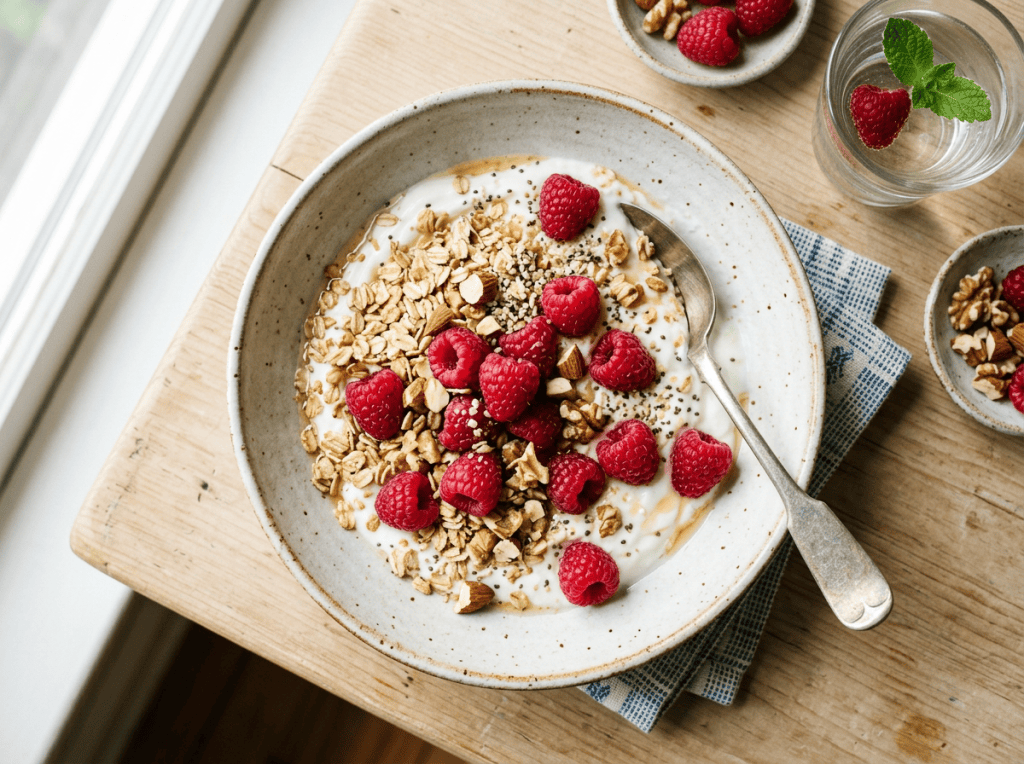
When you want something sweet, reach for a cup of fresh raspberries. They offer a burst of flavor and naturally sweet taste that can replace high-calorie desserts. Pairing raspberries with plain Greek yogurt creates a creamy, delicious, healthy, and satisfying snack.
Comparing raspberries with raspberry pastries and other sweets
Let’s compare whole raspberries with typical raspberry pastries and other sweets. While pastries are often loaded with refined flour, added sugars, and calorie-dense fats, raspberries provide essential nutrients without extra calories. Processed sweets may taste good, but they often leave you unsatisfied soon after.
For a balanced treat, add raspberries to oatmeal or enjoy them with a small piece of dark chocolate. Remember, toppings such as granola or whipped cream can significantly change your dish’s nutritional profile, so choose wisely!

What Raspberry Antioxidants and Anti-Inflammatory Properties Can—and Can’t—Do
Raspberries offer more than flavor; their antioxidants may help protect your cells. These include vitamin C, quercetin, ellagic acid, anthocyanins, lutein, and zeaxanthin. Antioxidants found in fruits and vegetables play a major role in protecting your body’s cells.
Oxidative stress occurs when free radicals and antioxidants become unbalanced in your body. This imbalance can damage cells and is linked to several diseases. Raspberries may help manage these compounds by neutralizing harmful free radicals and reducing disease-causing inflammation.

However, these antioxidants do not directly cause weight loss. They support general health, but cell protection differs from increasing calorie use. They have anti-inflammatory properties that may support well-being, but studies are often preliminary.
Research suggests raspberry polyphenols, including anthocyanins and ellagic acid, may help reduce inflammation. Most evidence comes from laboratory and animal studies, so it may not apply to humans. More research is needed before experts can make strong weight-loss recommendations.
Raspberries contain valuable antioxidants and anti-inflammatory properties, but they are not a miracle weight-loss food. Enjoy them as part of a balanced diet that supports your overall health.
Fresh or Frozen Raspberries: Choosing and Serving Them
Choosing between fresh or frozen raspberries depends on your needs. Both choices offer tasty flavor and helpful nutrients, but they differ in key ways. Use these tips to choose and serve them well.
How to choose fresh or frozen berries
When choosing fresh raspberries, select plump berries with bright color and no mold or damage. Avoid berries that look crushed or too wet. Because fresh raspberries spoil quickly, eat them within one to two days and refrigerate them in original packaging or a breathable container.
Frozen raspberries are sold year-round and may cost less. Flash-freezing often preserves their nutritional value at peak ripeness. Choose unsweetened frozen raspberries, avoid added sugars, and check the label for the healthiest option.
Serving size, toppings, and added ingredients to consider
Your raspberry serving size may change with each meal or snack. A typical serving is about one cup, but your diet and preferences may call for more or less. Large amounts of granola, sweetened yogurt, or syrup can significantly increase the total calorie count.
To enhance your raspberry experience, consider these delicious toppings:
- Greek yogurt for added protein
- Oatmeal for a hearty breakfast
- Chopped nuts for healthy fats
- Honey or maple syrup for a touch of sweetness
These toppings should complement raspberries, not hide their natural sweetness. Mindful choices help you enjoy their benefits while managing your total calorie intake.

Easy Ways to Add Raspberries to Meals, Snacks, and Desserts
Raspberries are versatile and easy to use, adding flavor and nutrition throughout the day. That is why raspberries work well in meals, snacks, and desserts.
Add them to breakfast with yogurt, oatmeal, or whole-grain cereal
Try these raspberry breakfast ideas with plain Greek yogurt, oatmeal, or whole-grain cereal. Mix berries into yogurt, stir them into oatmeal, or sprinkle them over cereal. This adds flavor, fiber, and antioxidants to your morning meal.
Build a satisfying snack by pairing them with protein or healthy fats
Create nutritious raspberry snacks by pairing the berries with protein or healthy fats. Mix them with cottage cheese or Greek yogurt for a filling choice. Enjoy them with nuts or nut butter for balanced energy.
Use them in desserts and meals without relying on added sugar
Raspberries shine in desserts and savory dishes. Bake them with oats and a sprinkle of cinnamon for a wholesome crumble, or blend them into a sauce for meat or fish. This adds flavor without added sugar. Frozen raspberries also taste great with yogurt or dark chocolate for a guilt-free treat.

These combinations can improve satisfaction and flavor in your meals. Raspberries are nutritious, but total calories still depend on portion sizes and added ingredients.
What to Know About the Evidence for Raspberries and Weight Loss
Evidence about raspberries and weight loss is often misunderstood, especially when people discuss supplements. Knowing the difference between whole fruit and supplements supports informed food choices. The whole raspberries evidence should not be confused with supplement claims.
Distinguishing the benefits of whole fruit from claims about supplements
Whole raspberries provide nutrients and fiber that can support weight loss. However, raspberry ketone supplements often make exaggerated claims. Many are synthetic and may not contain real raspberries, so they may lack the nutritional benefits of whole fruit.
Some studies suggest raspberry ketones may help with weight loss, but the evidence is not strong enough. Instead, choose whole raspberries for their natural sweetness and fiber.
Understanding the limits of nutrition research
Nutrition research can be complex and sometimes misleading. Understanding the limitations of nutrition research helps readers judge findings carefully. Many studies use observational data, which show links but cannot prove cause and effect.
People who eat more fruit may weigh less, but fruit alone may not cause weight loss.
Laboratory and animal studies may not predict human outcomes. Small trials may lack enough diversity to represent the general population. Some supplement studies use doses unrealistic for everyday consumption.
Funding transparency also matters when evaluating research. Industry-funded studies can offer useful insights, but they may carry bias. Review nutrition research critically and prioritize whole foods.
Before trying weight-loss supplements, including raspberry ketones, consult a qualified professional. They can help you understand the complexities of nutrition and choose a safe, effective approach.
Other Factors That Shape Your Weight-Loss Journey
Other things to consider when trying to lose weight include your eating habits and lifestyle. Weight loss involves food choices, eating patterns, portion sizes, and daily routines.
Food choices and portion sizes are key parts of healthy eating patterns. Enjoy a variety of foods, including raspberries, but balance them with other nutritious choices. Watching portion sizes can prevent overeating, which may undermine your weight-loss efforts.
Physical activity and sleep also affect your weight-loss journey. Regular exercise burns calories, supports your health, and can include cardiovascular activities and strength training for maximum benefits. Too little rest can disrupt metabolism, increase cravings, and make goals harder.
Another factor is genetics and weight. Each person’s body may respond differently to diet and exercise because of genetic predispositions. Thus, two people may get different results from similar routine changes.
This understanding can help you set realistic expectations and avoid frustration. Achieving and maintaining a healthy weight requires several habits working together. Eat a variety of foods, watch portions, stay physically active, and prioritize sleep.
Weight loss is not about one food, like raspberries, but how these choices support your weight-loss journey.
“Weight management is complex, and fruit should be part of a broader balanced plan.”
Set Sustainable Goals and Seek Support When You Need It
Set realistic goals for lasting weight loss success. Focus on healthy routines instead of a specific number on the scale. Build a lifestyle with a healthy diet, regular physical activity, and other healthy habits.
Choose changes you can maintain over time. Add fruit to breakfast, prepare balanced snacks, or drink more water each day. These small steps can improve your overall health.
Remember that weight loss is not about achieving a specific number on the scale. Build a healthy lifestyle you can sustain. Process-based goals, rather than outcomes, can keep you motivated and engaged.
If you have a history of disordered eating or eating disorders, use caution with dieting. A strict diet can be a risk factor for triggering your symptoms. Talk with a qualified health care provider, registered dietitian, or behavioral health professional for individualized support.
Choose sustainable changes instead of severe restrictions to build a healthier relationship with food. Do not frame weight loss as a moral achievement; view it as a journey toward better health and well-being.
Conclusion
Raspberries can be a delightful addition to your weight-loss journey. These raspberry weight loss facts matter: this high-fiber fruit has about 64 calories per cup and 8 grams of fiber. The fiber may keep you full longer, while replacing sugary snacks supports a balanced diet.
Raspberries offer vitamins and antioxidants, but they are not a magic solution for weight loss. No single food guarantees results; their value depends on your overall eating pattern. Swapping raspberries for less filling, high-sugar options may improve your chances of sustainable weight management.
Choose fresh or unsweetened frozen raspberries for maximum nutrition. Pair them with protein or healthy fats to create satisfying snacks. Build sustainable habits with nutritious foods, regular physical activity, and adequate sleep. Support from a qualified professional can help you navigate your weight loss journey effectively.



Leave a Reply