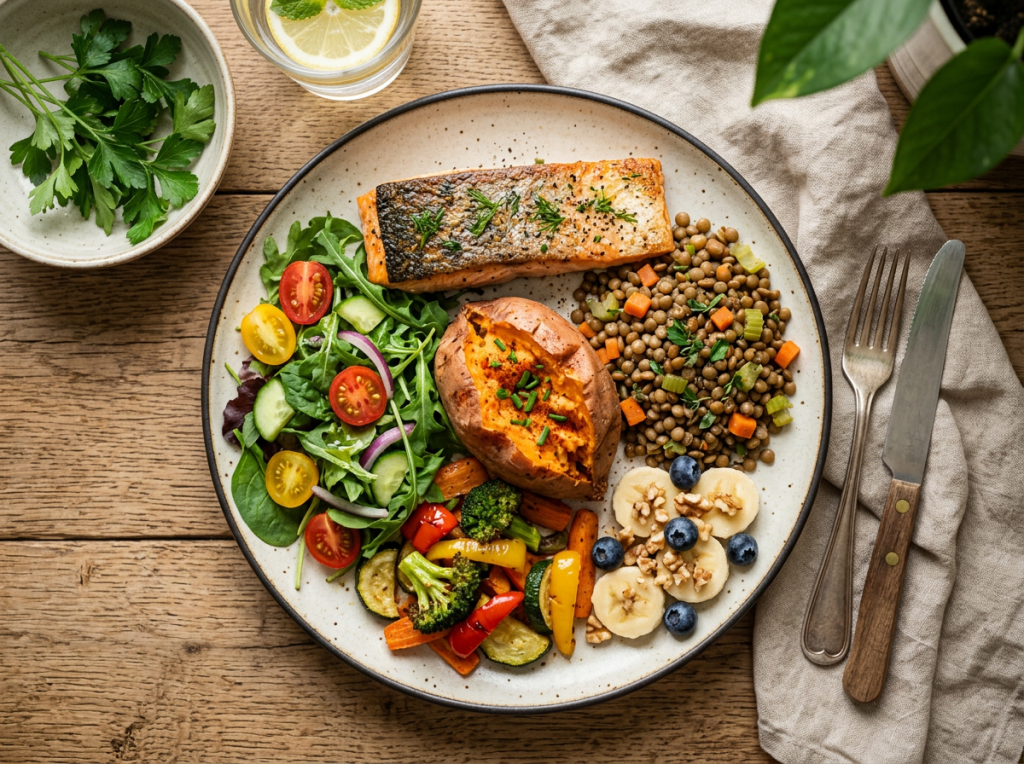


Start with what you put on your plate. Over 42 percent of American women have high blood pressure, according to the Centers for Disease Control and Prevention. Simple diet changes can make a significant difference.
Potassium is an essential mineral that helps counter sodium’s effects in your body. The American Heart Association recommends about 3,500 to 5,000 mg of potassium daily for adults managing high blood pressure. A balanced diet can provide potassium through fruits, vegetables, beans, dairy, fish, poultry, and lean meats.
Potassium may support healthier blood pressure levels, but individual needs vary. If you have kidney disease or take medications that affect potassium levels, consult a healthcare professional first. This article highlights potassium-rich choices that fit your eating habits and support overall health without replacing prescribed treatments.

Key Takeaways
- Daily food choices significantly affect blood pressure management.
- Potassium helps mitigate sodium’s effects in the body.
- Recommended potassium intake is 3,500 to 5,000 mg for some adults.
- Consult a healthcare professional if you have kidney issues or take specific medications.
- Incorporating a variety of food groups can enhance your diet and health.
Why what you eat matters for blood pressure
What you eat can greatly influence your blood pressure. A diet rich in potassium is essential to support healthy blood pressure levels. To support healthy blood pressure, include potassium-rich foods.
It’s just as important to limit foods that are excessively high in sodium. High sodium intake can raise blood pressure, while potassium helps lessen sodium’s harmful effects.
Many packaged meals, salty snacks, processed meats, and canned soups contain too much sodium. These foods may raise blood pressure when they replace nutrient-rich choices.
A diet with fruits, vegetables, whole grains, beans, lentils, low-fat dairy, fish, and lean proteins can support heart health.
Potassium works best as part of a broader, heart-healthy eating pattern. One effective approach is the DASH (Dietary Approaches to Stop Hypertension) eating plan. This plan emphasizes potassium, calcium, fiber, and other nutrients while limiting sodium.
These sustainable substitutions can significantly improve blood pressure management: unsalted nuts, fresh produce, low-sodium canned beans, and home-cooked meals.

Potassium-rich foods blood pressure benefits: How potassium works
Knowing how potassium affects blood pressure can help you make healthier food choices. Potassium is essential for healthy blood pressure. It works with sodium to manage fluid balance in your body. Enough potassium helps your kidneys remove more sodium in urine, reducing fluid in your bloodstream.
This lower fluid level can reduce blood pressure. Potassium also relaxes blood vessel walls, allowing blood to flow more easily. Research shows potassium may lower systolic pressure by about 5.3 mmHg and diastolic pressure by 3.6 mmHg in those with hypertension.
Systolic blood pressure measures the pressure in your arteries when your heart beats. Diastolic pressure measures it while your heart rests between beats. Even small reductions can greatly lower your long-term risk of heart attack and stroke.
Potassium affects people differently depending on baseline blood pressure, sodium intake, diet, health status, and medications. The importance of potassium for healthy blood pressure can inform dietary choices. Potassium in food plays an important role in maintaining healthy blood pressure.

How much potassium do you need each day?
So, how much potassium do you really need? The World Health Organization recommends that adults consume about 3,510 mg of potassium daily. This amount helps lower the risk of high blood pressure and cardiovascular disease.
The American Heart Association suggests 3,500 to 5,000 mg daily for effective blood pressure management. Needs can vary by age, sex, and health status.
General targets for U.S. adults are about 2,600 mg for women and 3,400 mg for men. These figures offer guidance, but individual needs may differ.
Many healthy adults can meet their potassium needs through a balanced diet rather than supplements. A variety of foods can increase your daily potassium intake. Lentils, a baked potato, or a cup of yogurt can help you reach your daily goal.
Do not focus on eating one high-potassium food repeatedly. Instead, choose different potassium-rich foods with meals and snacks. This approach provides a well-rounded nutrient profile.
If you have kidney disease or heart failure, consult a healthcare professional. They can help determine how much potassium you really need.

Why balancing potassium with sodium matters
The balance between potassium and sodium helps regulate blood pressure. Potassium may offset some of the effects of sodium, but adding potassium does not negate a high-sodium diet. You must also reduce excessive sodium.
Many common foods contain high amounts of sodium. Examples include:
- Highly processed foods
- Cured meats
- Salty sauces
- Instant noodles
- Chips
- Heavily salted restaurant meals
Limiting these sodium sources can help manage blood pressure. Potassium-rich foods may help the body remove sodium and support healthy blood vessel function.
Potassium-based salt substitutes may help some adults lower sodium intake. However, they may be unsafe for people with kidney disease or those taking medicines that raise potassium levels. Always consult your healthcare provider before making major diet changes.
Use herbs, spices, citrus, vinegar, or garlic to add flavor without extra sodium. Read Nutrition Facts labels to compare products and make informed choices. Rinsing canned foods can also reduce sodium, helping you enjoy meals while maintaining a heart-healthy diet.

Potassium-rich fruits and dried fruits to add to your plate
Adding potassium-rich fruits to your diet supports blood pressure and provides essential nutrients, varied flavors, and textures. Here are some of the best potassium-rich foods for lowering blood pressure, including fruits and dried fruits.
Dried apricots: 755 mg per ½-cup serving
Dried apricots are a concentrated source of potassium and provide a nutritious boost. Add them to oatmeal, trail mix, salads, or yogurt.
Watch portions because dried fruit contains concentrated natural sugars. Choose products without unnecessary added sugar when possible. Dried apricots can help when fresh produce is unavailable, but should complement, not replace, a varied diet.
Prunes: 635 mg per ½-cup serving
Prunes are a potassium-rich dried fruit that pair well with breakfast, grain bowls, or salads. Their concentrated carbohydrate content makes moderate portions practical. They are one option among many fruits, not a stand-alone treatment for high blood pressure.
Raisins: 618 mg per ½-cup serving
Raisins add potassium to oatmeal, whole-grain cereal, salads, or homemade snack mixes. Check labels for added sugars and keep portions moderate. Pairing raisins with fiber-rich foods and protein makes snacks more satisfying.
Orange juice: 496 mg per 1-cup serving
Orange juice provides potassium and can fit into breakfast or a meal. Choose pasteurized juice with no added sugar. Consider whole oranges for more fiber and satisfying chewing.
If you have diabetes or monitor your carbohydrate intake, count juice as part of your overall eating plan.
Banana: 422 mg in 1 medium
A medium banana is a convenient, portable source of potassium. Use it in oatmeal, smoothies, or with unsalted peanut butter. Bananas help but are not uniquely necessary; beans, potatoes, leafy greens, dairy, fish, and other fruits also provide substantial potassium.

Potassium-rich beans, vegetables, and starches
Adding potassium-rich beans, vegetables, and starches to your diet can support overall health. These foods also provide essential nutrients and fiber, which help maintain healthy blood pressure levels.
Cooked lentils: 731 mg per 1-cup serving
Cooked lentils are a versatile source of potassium, plant protein, and fiber. You can add them to soups, salads, grain bowls, or seasoned vegetable dishes. Use herbs, garlic, onions, and lemon instead of relying on large amounts of salt.
Baked potato with skin: 610 mg in 1 medium
A medium baked potato with skin provides meaningful potassium and fiber. Top it with plain low-fat yogurt, beans, salsa (no added salt), steamed vegetables, or herbs. The potato itself differs from heavily salted fries or processed potato products, which can contain considerably more sodium.
Canned kidney beans: 607 mg per 1-cup serving
Canned kidney beans are convenient for chili, salads, wraps, and grain bowls. Choose no-salt-added varieties when available, check the label, and rinse beans to reduce sodium. Dried beans are another option when you have time to cook them from scratch.
Raw spinach: 334 mg per 2-cup serving
Raw spinach can add nutrients to salads, sandwiches, wraps, and smoothies. Cooking reduces volume, so a cooked serving may contain more spinach because more leaves fit into the portion. Wash fresh produce properly, and vary leafy greens with kale, Swiss chard, romaine, or other vegetables.
Raw tomato: 292 mg in 1 medium
Raw tomatoes are a practical, potassium-rich ingredient for salads, sandwiches, sauces, omelets, and grain bowls. Choose fresh tomatoes or canned products without added salt when possible. Tomatoes add flavor and moisture, making it easier to reduce reliance on salty condiments.

Potassium in dairy, poultry, and other proteins
Potassium-rich foods can help support healthy blood pressure. Dairy, poultry, and other proteins also provide key nutrients. This guide shows how they can help you meet your potassium needs.
1% Milk: 366 mg per 1-cup serving
1% milk can add potassium along with protein and calcium. Use it with whole-grain cereal, oatmeal, or a balanced breakfast. If you skip dairy, ask a healthcare professional about fortified alternatives and compare Nutrition Facts labels; potassium varies widely.
Cooked Salmon: 326 mg per 3-oz. serving
Cooked salmon provides potassium and beneficial unsaturated fats. Try baked, grilled, or broiled salmon with vegetables and a whole grain. Check sodium on packaged, smoked, cured, or pre-seasoned products; levels can differ greatly from those of fresh salmon.
Grilled Chicken Breast: 332 mg per 3-oz. serving.
Plain grilled chicken breast provides potassium and lean protein. Use paprika, black pepper, lemon, garlic, or herbs instead of salty marinades. Pair it with beans, vegetables, or a baked potato for potassium from several food groups.
Nonfat Yogurt: 300 mg per 6-oz. serving
Plain Nonfat yogurt works as a breakfast, snack, or sauce base. Mix it with fruit, oats, or unsalted seeds, or replace some mayonnaise or sour cream. Compare labels because flavored varieties may contain substantial added sugar, and some yogurts may have more sodium than expected.
Grilled Sirloin: 315 mg per 3-oz. serving.
A moderate portion of grilled sirloin can provide potassium and protein. Choose lean cuts, trim visible fat, and serve it with vegetables, lentils, beans, or a baked potato. Keep processed meats, such as bacon, sausage, and deli meats, separate; their sodium can be much higher.

These potassium-rich foods can support health and help manage blood pressure. Choose fresh or minimally processed foods, and remember that serving sizes matter. Aim for about 3 ounces of cooked meat or fish, but adjust based on cut, brand, and cooking method.
How to build blood pressure-friendly meals with these foods
Building meals that support healthy blood pressure is easier than you might think. The DASH eating plan emphasizes incorporating a variety of potassium-rich foods into your diet. This includes fruits, vegetables, whole grains, and low-fat dairy, while keeping sodium levels low.
For a balanced meal, fill about half your plate with vegetables and fruits. This boosts potassium intake and provides essential vitamins and minerals.
Fill one-quarter of your plate with lean proteins or beans, which also contain potassium. Finally, choose a whole grain or potassium-rich starch, such as a baked potato, to complete your meal.
Try these delicious meal ideas:
- Oatmeal topped with banana and a dollop of plain yogurt.
- A hearty lentil-and-spinach bowl with diced tomatoes.
- Grilled salmon served with a baked potato and steamed vegetables.
- A comforting low-sodium kidney bean chili packed with spices.
Spread potassium-rich foods throughout the day rather than meeting your target in a single meal. For example, enjoy a banana at breakfast, a spinach salad at lunch, and a baked potato with dinner.
Also, watch the sodium in dressings, sauces, canned goods, and restaurant meals. These foods can quickly add sodium and negate the benefits of your potassium-rich choices.

How to shop for and prepare potassium-rich foods
Shopping for potassium-rich foods can be simple and efficient. Make a list of fresh produce, beans, lentils, low-fat dairy, fish, poultry, lean meats, whole grains, nuts, and seeds. This variety helps increase your potassium intake.
For canned products, choose vegetables and beans labeled “no salt added.” This lowers sodium while providing essential nutrients. Choose frozen vegetables without salty sauces for a healthy, convenient option.
Batch-cooking can also help. Prepare extra lentils, beans, potatoes, or vegetables for several meals during the week. Cooking from scratch saves time and improves flavor.
Try roasting, steaming, grilling, baking, or sautéing with unsalted seasonings. These methods help preserve nutrients and flavor. Check serving sizes and sodium values on labels, not just front-of-package claims, to support your dietary goals.
These shopping and cooking tips make it easier to add potassium-rich foods to your diet. They can support your overall health and well-being.
When to check with your healthcare professional
Potassium supports health, but raising your intake can harm some people. Seek advice if you have chronic kidney disease, heart failure, or diabetes-related kidney problems.
If you take ACE inhibitors, angiotensin II receptor blockers, or diuretics such as spironolactone, discuss potassium levels with your doctor. These drugs can change how your body handles potassium and may raise its levels.
Excess potassium can cause several symptoms, including:
- Nausea
- Vomiting
- Muscle weakness
- Fainting
- Irregular heart rate
- Palpitations
- Shortness of breath
- Chest pain
Seek urgent medical attention for severe symptoms, such as chest pain or fainting. Healthy people rarely get excess potassium from food alone. However, certain diseases or medications can weaken this protection.
If advised to follow a low-potassium diet, work closely with your healthcare team. Do not remove fruits and vegetables yourself, because they support overall health.
Before making major changes to your potassium intake, including supplements or potassium chloride salt substitutes, consult your healthcare professional.
Conclusion
Potassium-rich foods play a vital role in managing blood pressure. They may lower blood pressure, especially for people with elevated levels. Consuming a variety of potassium sources also supports heart health.
Choose dried fruits, bananas, orange juice, lentils, beans, potatoes, spinach, tomatoes, low-fat dairy, salmon, chicken, and lean beef. These foods add potassium to your diet and help limit sodium.
Start with simple changes. Add a fruit or vegetable to each meal. Replace salty snacks with unsalted alternatives.
Rinse canned beans to reduce sodium. You might also prepare one DASH-style dinner each week to boost potassium levels.
Potassium needs vary with your health status. Consult a healthcare professional before making major diet changes. This matters especially if you have kidney disease, heart failure, or take medications affecting potassium levels.
By making informed choices, you can support healthier blood pressure and overall well-being.




Leave a Reply