

Nearly 90% of Americans do not eat the recommended daily servings of vegetables. Growing up, when you heard your mom say, “Eat your vegetables, ” many of us might have sighed and wondered why. These foods are more than childhood duties; they are key parts of a healthy diet.
This article explores three ordinary, nutrient-rich foods: Brussels sprouts, mushrooms, and onions. These powerful vegetables are affordable, widely available, and easy to add to meals. They provide nutrients and bioactive compounds that may support your overall health.
See these foods as practical health habits, not just dinner-table rules. We will examine their nutrients, ways to improve flavor and nutrient retention, and research on their benefits. By the end, you will better understand how to add these powerful vegetables to a balanced diet.

Key Takeaways
- Many Americans fall short of the recommended vegetable intake.
- Brussels sprouts, mushrooms, and onions are affordable and nutrient-dense.
- Preparation methods can enhance both flavor and nutrient retention.
- Incorporating these foods can support overall health without being seen as miracle cures.
- Understanding their benefits can help you make informed dietary choices.
Why Your Mom Was Right About Eating Vegetables
It’s time to revisit your mom’s advice about vegetables. Many of us grew up hearing to eat our greens. Well you’re about to find out why.
These colorful foods provide fiber, vitamins, minerals, antioxidants, and plant compounds that a single supplement cannot easily replace. Each vegetable offers unique benefits, so variety matters. No one food provides everything your body needs.
Research shows that nutrient-rich vegetables may lower the risk of cardiovascular disease, type 2 diabetes, and obesity. This finding shows why meals should include many kinds of vegetables.
Vegetables offer benefits beyond nutrition. They support a broader lifestyle with physical activity, enough sleep, and regular medical care. The clearest dietary message is simple: variety is key.
Well you’re about to find out why: here are three super-powerful veggies we shouldn’t overlook anymore. Their nutritional potential is significant, but these foods alone do not guarantee a medical effect. What matters is how they fit your overall eating pattern.

What Makes These Powerful Vegetables Worth Your Attention
These vegetables deserve attention because they offer unique health benefits. When choosing powerful vegetables, consider their nutrients, cooking uses, and cost. Brussels sprouts, mushrooms, and onions rank among the overlooked vegetables in many diets.
Brussels sprouts belong to the cruciferous family and contain high levels of glucosinolates and fiber. These compounds may offer several health benefits, including possible cancer-fighting effects. Adding these small vegetables to meals can increase your overall nutrient intake.
Mushrooms are another powerful vegetable with compounds that most plants lack. They provide vitamin D and polysaccharides, which support immune health. Their versatility in cooking makes them useful in many dishes.
Often overlooked, onions add flavor, essential nutrients, and prebiotic fibers. These compounds support gut health and improve the nutritional value of meals. Their wide variety lets you explore different flavors in cooking.
Cooking methods matter, but no single technique guarantees therapeutic results. Choose ways to enjoy these vegetables in your diet. As the saying goes,
“Let food be thy medicine and medicine be thy food.”

Three Overlooked Vegetables and Their Standout Benefits
Some vegetables receive little attention despite strong health benefits. This section explores Brussels sprouts, mushrooms, and onions. Each offers special benefits that may support your overall well-being.
1. Brussels Sprouts: Small Vegetables With Notable Compounds
Brussels sprouts may be small, but don’t let that fool you. Whether you’re a fan or not, the Brussels sprout is a cancer-fighting Jedi. These cruciferous vegetables contain more anti-carcinogenic compounds, called glucosinolates, than any other cruciferous vegetables.
NIH researchers showed that glucosinolates may stabilize DNA in white blood cells, but this does not guarantee protection against cancer. They may do this by blocking offending enzymes. Sinigrin, one of these compounds, may cause cancer cells to self-destruct in laboratory settings.
2. Mushrooms: Immune-Supporting Benefits From a Kitchen Staple
One of nature’s most powerful tools for fighting breast cancer may already be in your refrigerator: mushrooms. Mushrooms—from humble button mushrooms to more exotic shiitakes—have been shown to strengthen the immune system. They may also reduce the risk of colon, stomach, and prostate cancer.
Mushrooms also contain vitamin D and long-chain polysaccharides. These nutrients can boost your immune system and help fight the common cold. To get all the nutrition, cook mushrooms rather than eat them raw; cooking enhances flavor and makes nutrients more bioavailable.
3. Onions: Tear-Inducing Compounds and Everyday Nutrients
If slicing an onion makes you cry, rejoice! Some studies suggest tear-causing compounds called thiosulfinates may help prevent stroke. Thiosulfinates act as natural blood thinners and prevent blood platelets from clumping.
Onions contain quercetin, which has been shown to relax and dilate blood vessels and help prevent stroke. They are high in vitamin C and provide calcium, iron, folic acid, and dietary fiber. Onions may help prevent—but not treat—stomach ulcers by killing H. pylori bacteria; this does not guarantee disease prevention.

How to Prepare and Enjoy Brussels Sprouts
Unlock the delicious potential of Brussels sprouts with simple and tasty preparation methods. These cruciferous vegetables are nutritious and flavorful when cooked properly. Try these practical ideas to enjoy them more often.
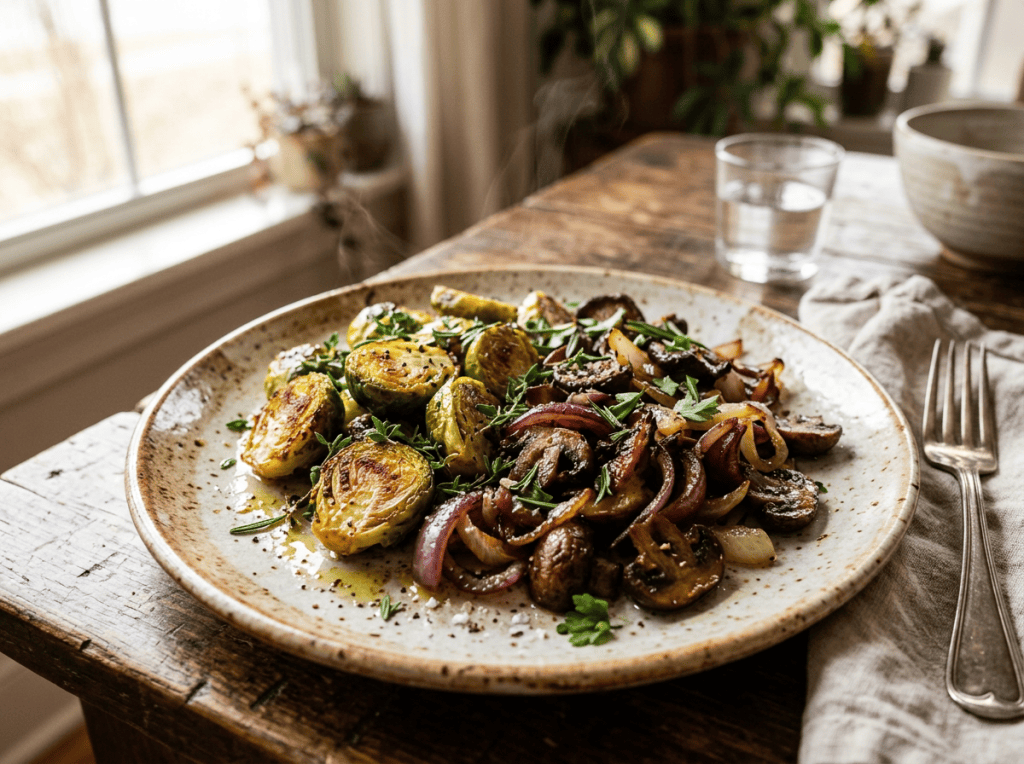
One of the best methods is roasting Brussels sprouts. Start by halving them, then toss them with olive oil, salt, and pepper. Roast them until golden brown and crispy.
Roasted Brussels sprouts gain natural sweetness and a pleasant crunch. This simple method makes them flavorful and satisfying.
If you prefer a quicker method, try steaming them until just tender. This preserves nutrients, including glucosinolates, and keeps their bright green color. You can also sauté them with garlic for extra flavor.
Avoid overcooking them, which can create a soft texture and strong sulfurous aroma.
Another creative option is shredding Brussels sprouts into a slaw. It makes a refreshing salad addition or side dish. Add lemon juice, vinegar, or herbs to improve their taste.
You can also mix in toasted nuts or beans for extra texture and nutrition.
When preparing Brussels sprouts, avoid heavy sauces and excess fats, such as butter or bacon. Choose lighter pairings that complement their flavor without overpowering it. This creates a delicious, healthy serving of these nutritious vegetables.

The goal is creating a flavorful dish that fits your dietary needs. With these Brussels sprouts recipes, you can enjoy health benefits while savoring every bite!
Why Cooking Mushrooms Can Help You Get More From Them
Cooking produces cooked mushrooms with richer flavor and softer texture for many dishes. Cooking also changes the water content of foods, aids digestion, and helps your body absorb nutrients.
For better mushroom nutrition, brush off visible dirt before preparation. Slice mushrooms evenly, then sauté, roast, grill, or add them to soups and stir-fries. Each method brings out different flavors and textures, making mushrooms a delightful addition to meals.
Mushroom nutrition varies by species, and button mushrooms and shiitakes offer different benefits. Some mushrooms are known as immune-supporting foods. Not all mushrooms are vitamin D mushrooms, nor are they significant vitamin D sources without special treatment or light exposure.
Buy mushrooms from reputable sources, and avoid wild ones unless a qualified expert identifies them. Always follow reliable culinary guidance when cooking mushrooms to protect food safety.
“Cooking mushrooms not only enhances their flavor but also boosts their nutritional value.”

Simple Ways to Make Onions Part of Your Meals
Onions can turn ordinary meals into extraordinary dishes. They offer more than a garnish because they provide useful nutrients. Their onion health benefits make them a smart regular choice for cooking.
Add raw red onions to salads and sandwiches for an easy choice. Their crisp texture and sharp flavor can improve many dishes. Toss them into a fresh garden salad or layer them on a turkey sandwich for a zesty kick.
For a warm option, sauté yellow onions as a base for soups and bean dishes. This releases their natural sweetness and creates rich flavor. You can also roast onions with other vegetables, caramelizing their sugars for a delicious side dish.
Do not forget scallions! These green onions add flavor to grain bowls and scrambled eggs. Their mild taste and bright color make them a versatile ingredient that can brighten meals.
Raw and cooked onions have different textures and flavors. Preparation can change the levels of beneficial compounds, including quercetin in onions and sulfur compounds in onions. Onions may support a heart-healthy, fiber-rich eating pattern due to prebiotic fiber.
Do not rely on onions to prevent strokes, treat ulcers, or replace acid-reducing medications.
Making onions a kitchen staple lets you enjoy their many health benefits while adding depth and flavor to meals.
What the Research Says—and What It Does Not Prove
Understanding the limits of nutrition research helps people make informed food choices. Studies often report benefits from Brussels sprouts, mushrooms, and onions, but results can vary. Research may involve lab tests or observational studies, and each type offers different evidence.
Lab studies may show that glucosinolates and thiosulfinates have beneficial effects in test tubes. Still, a typical serving may not produce the same effect in your body. Observational studies may link mushroom intake to lower breast cancer risk, but they cannot prove mushrooms alone caused it.
People in these studies may have different health habits or diets that affect the results.
These vegetables can support a nutritious diet, but no vegetable is a miracle cure. They cannot guarantee protection from cancer, stroke, or infections. Cancer prevention claims often rely on links between factors, not proof that one caused another.
For specific health concerns, symptoms, or medication questions, consult a qualified health professional. They can offer advice based on your personal health needs.
How the Three Vegetables Compare Nutritionally
Comparing Brussels sprouts, mushrooms, and onions provides a clear nutritional comparison for smarter food choices. Each vegetable adds distinct benefits to meals and supports overall health.
Brussels sprouts are rich in fiber and glucosinolates, compounds that may help fight cancer. As fiber-rich vegetables, they can boost daily fiber intake and support healthy digestion.
Mushrooms provide many valuable nutrients, including selenium and potassium. Some varieties produce vitamin D upon exposure to sunlight. They also add savory umami flavor, making them useful in many dishes.
Onions provide flavor, vitamin C, minerals, and antioxidants. The antioxidants in vegetables may help support health, while onion fiber supports gut health. Their plant compounds may reduce inflammation, and they add rich flavor with few calories.
Eating Brussels sprouts, mushrooms, and onions together can offer more benefits than choosing one alone. Together, they add nutrient-dense foods, fiber-rich options, and antioxidants to your diet.
Remember, nutrition varies with serving size, variety, and cooking methods. Eating these vegetables in different ways can make meals healthier and more enjoyable.
Practical Ways to Add These Foods to Your Weekly Diet
You can add vegetables to your diet with these nutritious, versatile choices. Try Brussels sprouts, mushrooms, and onions in everyday cooking.
Roast Brussels sprouts as a tasty side dish, or shred them for salad crunch. Toss them with olive oil, salt, and pepper, then roast until crispy. This brings out their flavor and makes a welcome addition to any meal.
Mushrooms work well in omelets, pasta dishes, soups, tacos, and grain bowls. Their earthy flavor pairs well with many ingredients, making them a kitchen staple. Sauté them with garlic for a quick, tasty addition to meals.
Onions can lift almost any savory dish with their strong flavor. Use them in stir-fries, stews, or as a sauce base. They add depth and sweetness, making meals more satisfying.
To ease the change, start with one or two servings each week. Do not change your whole diet at once. This gradual step lets your taste buds adjust as you build a balanced diet.
For convenience, use frozen Brussels sprouts or canned mushrooms when fresh choices are unavailable. These options often provide similar nutrition and help you follow your weekly meal plan. They can also help you save money.
Combine these vegetables with beans, lean proteins, whole grains, fruit, and healthy fats to create satisfying, nutritious vegetable meals. This mix adds nutrients while giving you many flavors and textures to enjoy.
Shopping and Storage Tips for Freshness
Knowing how to shop for and store vegetables can help them stay fresh longer. When choosing fresh Brussels sprouts, look for firm sprouts with compact leaves. Avoid yellowing or wilting sprouts because they may be past their prime.
Choose mushrooms that are fairly dry, intact, firm, and not slimy. To maintain quality, store mushrooms in a breathable container or their original packaging. Do not seal damp mushrooms in an airtight plastic bag, which can cause spoilage.
For onion storage, choose onions that feel firm and have dry, papery skins. Keep whole onions in a cool, dry, well-ventilated place away from moisture-sensitive produce. Refrigerate cut onions in a sealed container to keep them fresh.
Here are practical grocery shopping tips to help reduce waste:
- Wash produce shortly before preparation to maintain freshness.
- Remove any damaged portions before storing.
- Follow package dates and use leftovers promptly.
These tips help you enjoy vegetables at their best while minimizing waste. Proper shopping and storage are essential for keeping meals nutritious and delicious.
Conclusion
None of these foods is a miracle cure, and no vegetable can guarantee protection from serious illness. But each can play a valuable role in a diet that supports overall well-being. Brussels sprouts, mushrooms, and onions are staples rich in unique nutrients, fiber, antioxidants, and prebiotics.
Your mom may have been right all along about eating your vegetables. And now you have a few more good reasons to listen. These three powerhouse veggies offer varied flavors and textures; they are versatile, easy to prepare, and delightful weekly additions.
As you plan your next grocery trip, consider choosing one of these vegetables. Try simple recipes that highlight their natural goodness. Adding them regularly can lead to positive changes in your eating habits.
Remember, these vegetables can support your health, but consult a healthcare professional about significant health concerns. By making informed choices, you can enjoy food that satisfies your taste buds and supports overall well-being. And boom goes the dynamite!




Leave a Reply