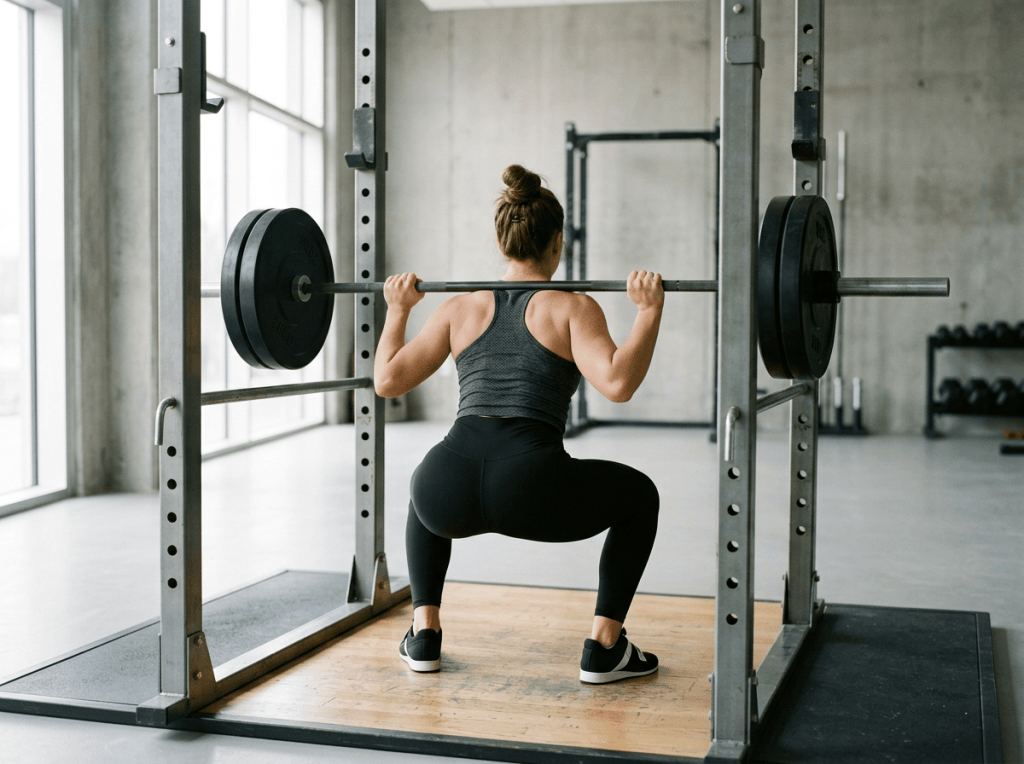


Did you know nearly 80% of people in resistance training miss common mistakes that can slow their progress? Weight training isn’t just for bodybuilders; it builds strength, muscle tone, reduces body fat, and improves bone density for everyone. Many people overlook basic training rules, which can cause aches, pains, and injuries.
When done correctly, regular resistance training can complement almost any workout plan, from cardio to sports. Nevertheless, there are a ton of blunders that can be made while weightlifting. These mistakes can not only hold back your progress but also lead to aches, pains, and injury.
Improper technique, unsuitable loading, and inadequate recovery can derail your fitness journey. According to the Mayo Clinic, proper form and preparation help avoid strains and maximize benefits.
This article highlights common errors in resistance training and offers practical solutions. It covers preparation errors, technique problems, poor progression, neglected recovery, unbalanced routines, inconsistent training, and inadequate post-workout nutrition.
Don’t feel pressured to achieve perfection from the start. Respect your current abilities and your body’s need for fuel and recovery. Remember, pain is not a normal sign of progress.
Guidance from a qualified trainer or fitness professional can greatly improve your training experience.

Key Takeaways
- Resistance training benefits everyone, not just athletes.
- Proper technique is essential to avoid injuries.
- Preparation and recovery are key components of effective training.
- Gradual progression helps prevent setbacks.
- Consulting a professional can enhance your training routine.
Mistakes lifting weights: why small errors matter
Mistakes lifting weights can cause major setbacks, even when they seem small. Learn to spot them so you can gain strength safely and train well. Strength training means lifting smart, not only lifting heavy.
Strength training can support almost any workout plan. Running, cycling, and recreational sports may all benefit from weightlifting.
Mayo Clinic states, “Weight training can improve strength, muscle tone, fat loss, and bone density.” This means weightlifting can build muscle, support joint stability, and improve bone health.
Common missteps can stall progress or cause pain and injury. Skipping warm-ups leaves muscles unprepared and raises the risk of strains. Poor form can shift stress to joints, causing discomfort or injury over time.
These errors can build up, so focus on preparation and technique.
Weights that are too heavy can reduce the quality of your repetitions. The goal is not to lift more, but to lift well. Inconsistent sessions can stop your body from adapting and slow progress.
The best program matches your goals, experience, and recovery capacity.
Learn to separate productive training discomfort from injury warning signs. Stop and reassess if pain is sharp, worsening, or persistent. Seek professional advice if symptoms continue or an injury affects normal movement.
Let’s check out some of the most common mistakes people make so you can learn to avoid them. Do so, and you can get those sweet, sweet gains.

Three mistakes that can undermine your workout before you lift
Before lifting weights, some mistakes can hurt your progress. Proper preparation can improve your performance and safety. Here are three common errors to avoid:
Skipping the warmup
One common mistake is skipping the warmup. A proper warmup prepares your muscles and joints for the workout ahead. The Mayo Clinic recommends 5 to 10 minutes of light aerobic activity, such as brisk walking. This gradually raises body temperature, increases blood flow, and helps prevent injuries from working cold muscles.
Also, use movement preparation that matches your session. A few lighter sets of your first exercise can help your body adapt without causing fatigue.
Not giving your body enough fuel beforehand.
Another mistake is not giving your body enough fuel beforehand. Training on an empty stomach may drain you, especially during longer or harder sessions. A practical pre-workout meal or snack can maintain energy; try yogurt with fruit, oatmeal with milk, or a turkey sandwich.
Don’t forget to hydrate; drink water before and during your workout for optimal performance.
Failing to consider the order of your workouts
Do the most technical or demanding exercises first, when your concentration and energy are at their peak. If you combine cardio and lifting, match the order to your primary goal.
Choose strength training first for muscle development, or cardio first for endurance. Planning your routine instead of copying someone else’s can lead to better results.

Three technique mistakes that make lifting less safe and effective
Mastering your lifting technique keeps you safe and helps you reach your fitness goals. Poor technique can cause injuries and slow your progress.
Here are three common mistakes to avoid:
Forgetting about your form
Forgetting your form can weaken your results and increase your risk of injury. Controlled movement, stable alignment, and a suitable range of motion matter. Focus on technique instead of the weight you lift.
Rushing through repetitions or copying others in the gym can lead to improper posture and potential injuries.
Engage the right muscles on purpose. If you feel unsure about your form, ask a qualified trainer for guidance. This helps most with complex barbell exercises.
Good form matters more than impressively heavy weights.
Using weights that are too heavy
Choosing the right weight is critical. Swinging the weight, arching your back, or shortening your range of motion means you should lighten the load. Using weights that are too heavy can compromise your technique and increase the risk of injury.
Start conservatively and master the movement before adding weight. This approach improves safety and helps you build strength effectively.
Holding your breath while you lift
Breathing properly is often overlooked. Exhale during exertion and inhale while lowering the load. Beginners should avoid holding their breath casually, as this can lead to dizziness or other issues, especially if they have a cardiovascular condition.
Advanced lifters may use specialized bracing strategies. For most people, a basic breathing rhythm is safest. Your breath is a powerful tool in your lifting routine.

Two progression mistakes that can limit your gains
Progression in weightlifting is crucial for continued gains. Many lifters unknowingly limit progress through two common mistakes. Understanding them can improve your training and results.
Never adding more weight or otherwise increasing the challenge
One major mistake is never adding more weight to your lifts. Progressive overload supports muscle growth and strength. It can also mean adding repetitions, sets, or changing your lifting tempo.
For instance, start with a weight that lets you complete 12 to 15 repetitions comfortably. When you finish them with good form, increase the challenge. Add a small load, increase repetitions, or reduce rest between sets, and track changes in a training log.

Remember, increase the challenge only when you can complete all prescribed repetitions without unusual pain. This gradual approach helps maintain proper technique while you progress.
Never reducing the amount of weight you lift
On the flip side, never reducing the amount of weight you lift can hinder progress. Deloading or lighter weights may sometimes be necessary. This matters especially after illness, travel, or intense training blocks.
Lowering the weight is not failure; it can protect movement quality and help your body recover. Assess your performance, soreness, and energy levels regularly. If you notice fatigue or poor technique, consider temporarily reducing the load.
Understanding these two mistakes can help you manage your weightlifting routine and continue making gains.
Three recovery mistakes that can keep your body from bouncing back
Recovery is just as crucial as the workouts themselves. Without proper recovery, your body cannot repair or adapt well. This section covers three common mistakes that can slow progress and harm your fitness journey.
Not allowing your body enough time to recover between workouts
Many lifters underestimate the importance of rest. Not allowing your body time to recover can cause fatigue and lower performance. Rest the same muscle groups for at least 48 hours before training them again.
Varying workout intensity can also aid recovery. After a hard day, choose a lighter session, and get enough sleep and nutrition. More training does not always produce better results, so reassess your routine if soreness or low energy continues.
Returning too soon or not leaving enough time to recover from injuries
Always listen to your body: Not leaving yourself enough time to recover from injuries can cause further complications. If you have pain, swelling, or limited movement, do not ignore these signs.
Follow medical or physical therapy guidance and return gradually. Testing an injured area at full intensity can set you back significantly.
Skipping the cooldown
After workouts, many people rush away without cooling down. Skipping the cooldown can hinder recovery. Spend several minutes doing low-intensity movement, followed by gentle stretching or mobility exercises.
This helps your body shift from strenuous activity and lets you assess how you feel afterward.
A cooldown helps, but it cannot replace medical care for pain. Prioritize recovery for long-term success in your fitness journey.

Neglecting workout balance by focusing on only specific muscles
A balanced workout routine supports strength and performance. Focusing only on specific muscles can create imbalances that harm your overall fitness. Neglecting muscle groups can limit strength and lead to injuries over time.
An overly narrow routine creates imbalances when you train only favorite muscles, such as your chest and arms. You may ignore your back, legs, and core, leading to weakness that hurts your performance and stresses your joints. Repeating the same movements without training opposing muscles can worsen these problems.
Why an overly narrow routine can create imbalances
Ignoring certain muscle groups can lead to poor posture and reduced functional strength. For instance, training your chest without balancing it with back exercises may create rounded shoulders. This can change your appearance and hurt athletic performance.
How to build a more balanced plan for your goals
To build a balanced workout plan, train all major muscle groups during the week. Pair pushing movements with pulling movements, and alternate upper-body work with lower-body exercises. Beginners may prefer full-body sessions two to three times a week, while experienced lifters may benefit from a split routine.
When designing your program, choose exercises you can perform safely. If you have a history of injuries or specific athletic goals, seeking professional guidance can be invaluable. This approach aligns your workout plan with your needs and supports balanced development.

Being inconsistent with your weightlifting routine
A consistent weightlifting routine helps you reach your fitness goals. Being inconsistent can cause disappointing results. Stopping and restarting training interrupts progress and limits your body’s ability to adapt and grow stronger.
Long gaps between workouts can make it harder to build skills, maintain work capacity, and track progress. Each return to the gym may make the weights feel heavier, and your endurance seem lower. Hard training followed by burnout can increase soreness and make future sessions feel more difficult.
How stop-and-start training disrupts progress
Being inconsistent with training can lead to:
- Skill stagnation: Regular practice is essential for mastering lifting techniques.
- Reduced endurance: Gaps in training can diminish your overall stamina.
- Increased soreness: Jumping back into intense workouts can leave you feeling more sore than usual.
- Difficulty in tracking progress: Inconsistency makes it hard to see improvements.
How to make a realistic schedule you can stick with
A manageable weightlifting schedule can help you stay consistent. Set achievable goals, such as two or three strength sessions each week. Use these tips to follow your plan:
- Schedule workouts: Choose specific days and times for your sessions to build a routine.
- Prepare in advance: Lay out your workout clothes and equipment the night before.
- Use a training journal or app: Track your exercises, sets, repetitions, and loads to monitor your progress.
- Set SMART goals: Aim for specific, measurable objectives, such as completing 2 sessions per week for a month.
- Don’t stress over missed sessions: If you miss a workout, simply resume your schedule without overcompensating.

Ending your workout without a snack or recovery plan
You may slow recovery by ending your workout without a snack. A snack is not necessary for everyone, especially since you will soon be eating a balanced meal. It may help after a long, hard workout or when your next meal is hours away.
After lifting, combine protein and carbohydrates to support muscle repair and restore energy stores. Try these tasty options:
- Greek yogurt with fruit
- A smoothie made with milk or a fortified alternative and fruit
- Eggs with whole-grain toast
- Cottage cheese with berries
- A chicken-and-rice meal
Rehydration is also crucial after exercise. Drink plenty of water, and replace electrolytes if you sweat heavily. Electrolytes matter most during long or intense sessions.
Your nutritional needs may vary with your fitness goals. Fat loss still requires enough nutrition, while muscle building may require extra calories and protein.
Supplements are not necessary for everyone. If you have specific dietary needs or medical conditions, consult a registered dietitian or health professional.

Conclusion
Weight training can be rewarding when done correctly. To avoid common mistakes when lifting weights, begin with a solid plan. Always warm up and stay hydrated before workouts.
Ensure your workout order matches your goals. During each session, use proper weight training technique. Choose challenging yet manageable weights.
Remember to breathe continuously, and stop if you feel pain. Across the week, train all major muscle groups. Use progressive overload by gradually increasing workout intensity.
Allow enough recovery between workouts to help your body bounce back. If you feel fatigue or suffer an injury, reduce the load. This can prevent further problems.
After lifting, cool down and replace lost fluids. A balanced meal or snack can support recovery. These steps help prevent mistakes when lifting weights and keep training effective.
Focus on realistic goals and track your progress over time. Beginners should consider working with a qualified fitness professional. They can learn safe techniques and adapt exercises as needed.




Leave a Reply