


Have you ever thought about whether what you eat can cause inflammation? This is a big question because inflammation is key to your health. It’s a natural defense, but too much can harm you. Knowing how food affects inflammation is crucial for staying healthy.
It can lead to serious diseases like cancer and heart disease. So, it’s important to watch what you eat.

Some foods can start inflammation in your body. They might taste good, but eating too much can hurt your health. Learning about food and inflammation helps you make better choices for your health.
Key Takeaways
- Inflammation is a natural immune response, but it can become harmful when chronic.
- Your diet plays a crucial role in promoting or reducing inflammation.
- Recognizing inflammatory foods can help you make healthier choices.
- Chronic inflammation is linked to major diseases, including heart disease and diabetes.
- Making informed dietary choices can reduce your risk of chronic illnesses.
Understanding Inflammation and Its Impact on Your Health
Inflammation is a natural response of your immune system. It acts as a defense mechanism against injury or infection. When you experience inflammation, your body sends out signals to protect and heal itself. This process is crucial for recovery. Yet, when inflammation becomes chronic, it can lead to serious health issues.
Chronic inflammation can linger for months or even years. It may result from various factors, including poor diet, stress, and lack of exercise. This ongoing inflammation can cause damage to your body over time. Research shows that chronic inflammation is linked to major diseases such as:
- Cardiovascular disease
- Cancer
- Diabetes
- Arthritis
- Depression
- Alzheimer’s disease
Understanding the biological mechanisms behind chronic inflammation is essential. Proinflammatory cytokines and transcription factors like NF-κB play significant roles in this process. They signal your body to maintain inflammation, which can be harmful in the long run. This leads to the question: Can the food you eat cause inflammation in your body? Many foods that you enjoy, such as sweets and processed snacks, taste great—but eating too many of them can damage your health in more ways than one.
By recognizing the impact of inflammation on your health, you can take steps to control it. A balanced diet, regular exercise, and stress management are vital for reducing inflammation and promoting overall wellness.
Can the Food You Eat Cause Inflammation in Your Body
Your diet is key to controlling inflammation in your body. Some foods can start immune reactions, causing long-term inflammation. Knowing which foods to avoid can help you eat better for your health.
Inflammatory Foods That Trigger Immune Responses
Many foods can make inflammation worse. The average American eats over half their calories from ultra-processed foods (UPFs). Sweet bakery items like cakes, doughnuts, and muffins are big culprits. They taste great but hide risks:
- Excess calories
- High levels of salt
- Added sugars
- Saturated fats
These ingredients can raise inflammatory markers in your body. They lack important nutrients like vitamins, minerals, and fiber.
How Processed and Ultra-Processed Foods Skew Inflammation
Store-bought desserts can cause inflammation in several ways:
- They may skew the body’s ratio of healthy fats.
- They contain a lot of added sugar.
- They may wreak havoc on gut bacteria.
- They leave less room for anti-inflammatory foods.
These foods can overactivate your immune system, leading to chronic inflammation. Knowing this helps you pick healthier food options.

| Food Type | Inflammatory Components | Health Risks |
|---|---|---|
| Sweet Bakery Products | High sugar, saturated fat, salt | Increased inflammation, chronic disease risk |
| Processed Snacks | Trans fats, additives | Gut bacteria disruption, immune response |
| Fast Food | Refined carbs, unhealthy fats | Weight gain, metabolic issues |
Common Foods That Cause Inflammation in Your Body
Many foods you enjoy can lead to inflammation in your body. Knowing which foods are best for your health helps you make better choices. The average American eats more than half of their calories from ultra-processed foods (UPFs). Sweet bakery products like cakes, doughnuts, and muffins are among the top sources of UPFs for adults. They taste great, but eating too much can harm your health in many ways.
Refined Carbohydrates, Added Sugars, and Saturated Fats
Refined carbohydrates and added sugars are common culprits. They cause rapid spikes in blood glucose, leading to oxidative stress and inflammation. Foods high in saturated fats increase pro-inflammatory cytokine levels, worsening inflammation. These components are often found in:
- White bread
- Pastries
- Sugary drinks
Eating these foods can lead to chronic inflammation. It’s important to know what you eat.
Sweets, Cakes, Doughnuts, Muffins, and Their Hidden Risks
Sweet bakery products are very problematic. They provide excess calories, salt, sugar, and saturated fat. They taste good, but they lack health-promoting nutrients like vitamins, minerals, and fiber. This can lead to:
- Increased inflammation
- Weight gain
- Higher risk of chronic diseases
Store-bought desserts can increase inflammation in your body. Being mindful of your choices can help you avoid these hidden risks and support your overall health.

| Food Type | Components | Health Risks |
|---|---|---|
| Refined Carbohydrates | High in sugars | Increased inflammation |
| Added Sugars | Excess calories | Weight gain, chronic diseases |
| Saturated Fats | Processed meats, baked goods | Pro-inflammatory cytokines |
The Role of Stress and Depression in Dietary Inflammation
Stress and depression can change how you eat and affect your health. When you’re stressed, you might choose comfort foods high in sugar and unhealthy fats. This can start a cycle of bad eating habits that cause inflammation in your body.
How Stress Influences Unhealthy Food Choices
Stress can make you want foods that give quick energy, like store-bought desserts. These desserts have a lot of added sugar and unhealthy fats. This can upset the balance of healthy fats in your body, leading to more health problems. Here are some ways stress affects your eating: more health problems. Here are some ways stress affects your eating:
- Increased cravings for sweets and processed foods
- Reduced consumption of anti-inflammatory foods
- Higher likelihood of binge eating
Stress and Depression Amplify Inflammatory Responses
Stress and depression don’t just affect what you eat. They also change how your body reacts to these foods. They can harm your gut bacteria, which are key to a healthy digestive system. When your gut health goes down, it’s harder to eat foods that fight inflammation. This creates a cycle of inflammation. Here’s what you should know:
- Stress can make your body’s metabolic responses stronger, leading to more inflammation after eating
- Emotional distress can directly increase pro-inflammatory cytokine production
- Stress and depression make it harder for your body to control inflammation

It’s important to see the connection between your mental health and diet. Managing stress can help lower inflammation and improve your overall health.
Foods That Combat Inflammation and Promote Wellness
Choosing the right foods can help reduce inflammation in your body. Include a variety of anti-inflammatory foods in your diet. These foods not only lower inflammation but also boost your health.
Consider adding the following foods to your meals:
- Tomatoes
- Olive oil
- Green leafy vegetables like spinach and kale
- Nuts such as almonds and walnuts
- Fatty fish rich in omega-3s, like salmon and mackerel
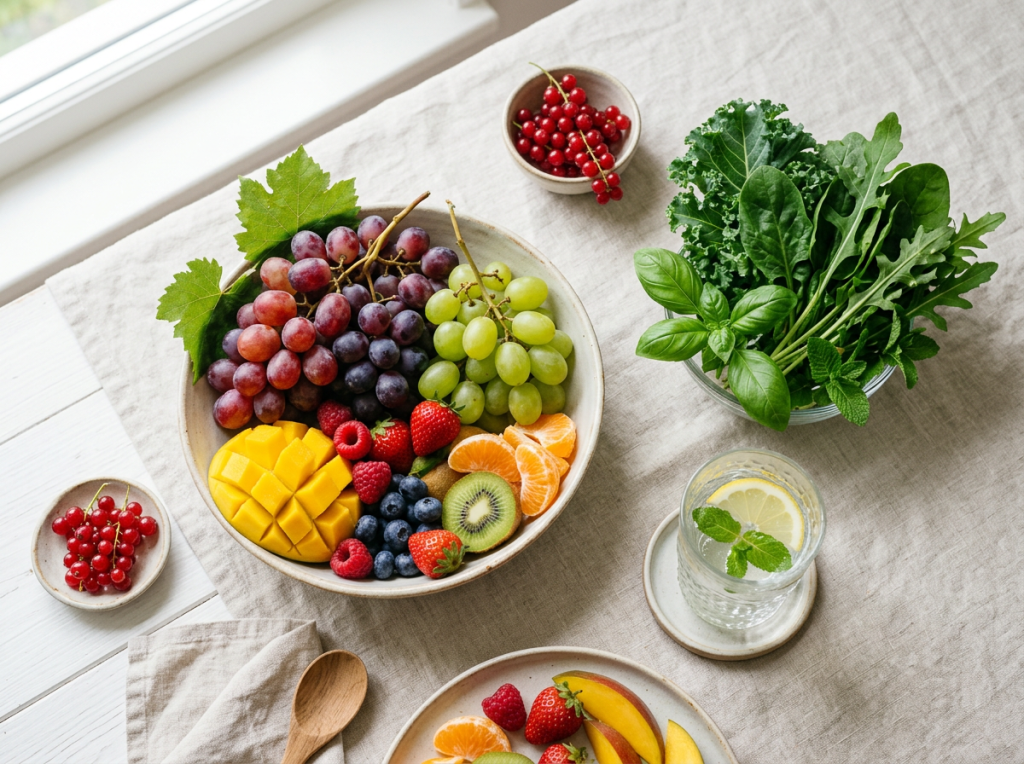
- Fruits like strawberries, blueberries, cherries, and oranges
- Coffee and tea
These foods are full of antioxidants, polyphenols, and healthy fats. They fight oxidative stress. Omega-3-rich foods are great because they reduce inflammation and can even improve your mood. Fiber-packed foods are also important for gut health, which helps manage inflammation.
To show the benefits of these foods, here’s a comparison:
| Food | Key Nutrients | Benefits |
|---|---|---|
| Tomatoes | Vitamin C, Lycopene | Reduces oxidative stress |
| Olive Oil | Healthy fats, Antioxidants | Supports heart health |
| Fatty Fish | Omega-3 fatty acids | Reduces inflammation |
| Green Leafy Vegetables | Vitamins A, C, and K | Boosts immune function |
| Berries | Antioxidants, Fiber | Protects cells from damage |

Adding all types of produce, coffee, and tea to your diet can help more. These drinks support your immune system. By focusing on these foods, you can fight inflammation and improve your wellness.
Optimizing Your Diet: Focus on Anti-Inflammatory Foods
Making smart food choices can help reduce inflammation in your body. Adding anti-inflammatory foods to your diet can boost your health. Focus on omega-3-rich foods, fiber-packed foods, and drinks like coffee and tea. These can greatly improve your well-being.
Omega-3 Rich Foods and Their Benefits for Inflammation
Omega-3-rich foods are key in fighting inflammation. These include:
- Fatty fish (like salmon and mackerel)
- Walnuts
- Flaxseeds
These foods contain omega-3 fatty acids that help inhibit inflammatory pathways in the body. They also support the immune system and reduce cytokine production, which is linked to chronic inflammation. inflammatory pathways in the body. They also support the immune system and reduce cytokine production, which is linked to chronic inflammation.
Fiber-Packed Foods, Produce, Coffee, and Tea as Natural Anti-Inflammatories
Fiber-packed foods and all types of produce are vital for gut health. Adding these to your diet can lower oxidative stress and inflammation. Some great options are:
- Whole grains
- Fruits (like berries and apples)
- Vegetables (such as spinach and broccoli)
Drinking coffee and tea also offers protection. Both are full of polyphenols, which have anti-inflammatory effects. Regularly drinking them can further reduce inflammation.
| Food Type | Benefits |
|---|---|
| Omega-3 Rich Foods | Inhibit inflammation and support immune health |
| Fiber-Packed Foods | Lower oxidative stress and promote gut health |
| Coffee and Tea | Provide polyphenols that reduce inflammation |
Adopting an anti-inflammatory eating pattern, like the Mediterranean diet, can improve your health. This diet focuses on omega-3-rich foods, fiber-packed foods, and plenty of produce. It helps you live a healthier lifestyle.

Conclusion
The food you eat can greatly affect inflammation in your body. Chronic inflammation is a big health risk. It’s often caused by diet and lifestyle choices.
By avoiding foods that cause inflammation, you can improve your health. Stay away from refined carbs, added sugars, and ultra-processed sweets. These foods can harm your body.
It’s important to eat foods that help you stay healthy. Omega-3-rich foods, fiber-packed foods, and all types of produce are great choices. They can fight inflammation.
Don’t forget about coffee and tea. They’re full of antioxidants and can help your health even more.
Making smart food choices is key to reducing inflammation. A balanced diet filled with nutritious foods can protect you from chronic diseases. It can also make you feel better overall.


 trim down and shape up
Leave a comment