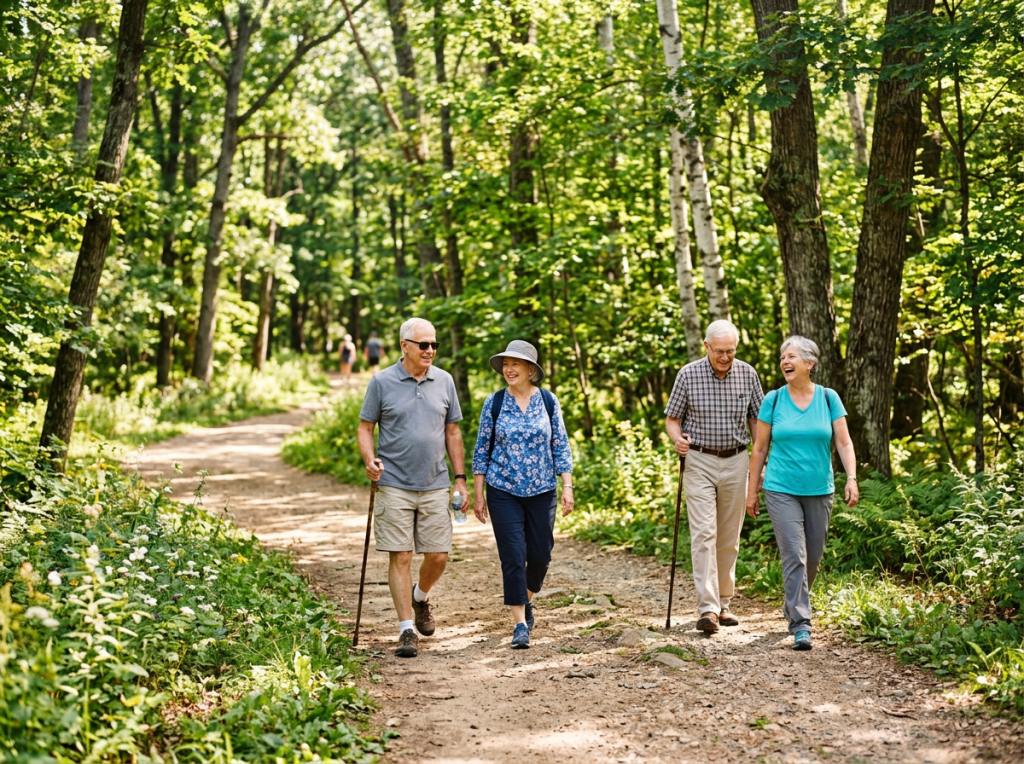


Did you know only 23% of adults aged 65 and older meet the recommended exercise guidelines? This shows a big misunderstanding about the importance of staying active as we age. Fitness is timeless, and it greatly improves how we feel and move at any age. Regular exercise helps lower numbers like weight, cholesterol, and blood pressure, and boosts our overall health.
Many common beliefs about aging and exercise are myths. Getting older doesn’t mean you have to stop exercising. Instead, it’s a chance to start lifelong health habits that benefit your body and mind. This section will clear up six surprising myths about exercise and aging, showing why staying active is key to healthy aging.

Key Takeaways
- Exercise is crucial for maintaining health as you age.
- Staying active can improve your mood and energy levels.
- Physical activity helps manage key health metrics.
- It’s never too late to start exercising.
- Myths about aging and exercise can limit your potential.
Understanding Common Misconceptions About Aging and Physical Activity
Many myths surround exercise and aging. These myths can stop older adults from being active. Studies show most people can exercise safely, based on their abilities. It’s key to understand these myths for a healthy lifestyle.
Why Myths Persist About Exercise Safety for Older Adults
People worry about injuries and health risks, thinking exercise is not safe for older adults. The National Institutes of Health (NIH) and experts like Dr. Lambert say these fears are mostly wrong. Many older adults feel alone, saying, “I don’t have anyone to exercise with.” This feeling of isolation makes it hard to stay active.
- Fear of injury or health complications
- Lack of awareness about safe exercise options
- Misunderstanding of physical capabilities
The Importance of Lifelong Fitness for Healthy Aging
Fitness is timeless. Being active throughout your life is key to maintaining strength, balance, and independence. Regular exercise can lead to: strength, balance, and independence. Regular exercise can lead to:
- Improved muscle strength
- Better balance and coordination
- Enhanced mental well-being
Seeing fitness as a lifelong commitment helps you beat myths. You can find community programs, classes, and even virtual options to stay motivated and connected. Remember, you are never too old to start or continue exercising.
Myth: “I’m Too Old” to Start or Continue Exercising
You might think you’re too old to exercise. This myth stops you from enjoying the many benefits of being active. The truth is, age doesn’t stop you from being physically capable. Studies from the NIH and Dr. Lambert’s insights prove that it’s never too late to start exercising.

The Truth About Age and Physical Capability
Many believe aging means losing strength and mobility. But regular exercise can:
- Improve strength and endurance
- Enhance balance and coordination
- Boost cardiovascular health
- Increase flexibility
These benefits help you stay active and independent, no matter your age. So, if you say, “I’m too old,” it’s time to think again.
How Exercise Benefits Your Body at Every Age
Creating an exercise routine can fit your health and lifestyle. Here are some tips:
- Get advice from a healthcare provider to make a safe plan.
- Begin with low-impact activities like walking or swimming.
- Slowly increase the intensity and time as you get more comfortable.
Every step you take matters. Seeing fitness as a key part of your life can greatly improve your health and happiness. Don’t let the myth of “I’m too old” stop you from a healthier future.
Myth: “I’ll Hurt Myself” If I Exercise as I Age
Many older adults worry about getting hurt from exercise. This myth can stop you from enjoying the benefits of staying active. The truth is, the right approach to exercise can prevent injuries. You can exercise safely and confidently, reducing the fear of getting hurt.
Safe Exercise Strategies for Older Adults
To exercise safely, consider these strategies:
- Start slow. Gradually increase your activity level.
- Choose low-impact exercises, such as walking or swimming.
- Incorporate balance and strength training into your routine.
- Consult with a healthcare provider before starting any new exercise program.
How Regular Activity Reduces Injury Risks and Improves Balance
Regular physical activity offers numerous benefits:
- Improves balance and coordination.
- Strengthens muscles, which helps prevent falls.
- Enhances flexibility, making daily activities easier.
- Boosts overall health and mood.
Research shows that activities like Tai Chi and resistance training can significantly improve balance and reduce the risk of falls. According to Dr. Lambert, these exercises help older adults feel more stable and secure in their movements. By staying active, you can protect your body and reduce the risk of injury.

Myth: “My Heart Isn’t Strong Enough” for Exercise
You might think, “My heart isn’t strong enough” for exercise. This belief can stop you from enjoying the benefits of physical activity. The truth is, regular, moderate exercise can strengthen your heart and lungs. Dr. Lambert and the National Institutes of Health (NIH) say that physical activity helps manage chronic conditions like heart disease and high blood pressure.
It’s important to know how to exercise safely if you have heart concerns. Here are some tips to help you get started:
- Consult your doctor before starting any new exercise program.
- Begin with low-impact activities like walking, swimming, or cycling.
- Gradually increase the intensity and duration of your workouts.
- Listen to your body and rest when needed.
Regular activity not only supports your heart health but also improves your overall well-being. Keeping your heart active can lead to:
- Improved mood and mental health.
- Better weight management.
- Increased energy levels.
- Enhanced longevity and quality of life.

Don’t let the myth that your heart isn’t strong enough stop you from moving. Embrace exercise as a vital part of a healthy lifestyle. With the right approach, you can enjoy the benefits of staying active and maintaining your independence.
| Benefits of Exercise | Impact on Heart Health |
|---|---|
| Improves circulation | Strengthens heart muscle |
| Reduces stress | Lowers blood pressure |
| Enhances endurance | Increases oxygen delivery |
| Boosts immune function | Reduces risk of heart disease |
Myth: “I Can’t Afford It” – Overcoming Financial Barriers to Fitness
Many people think fitness is too expensive. If you say, “I can’t afford it,” you’re not alone. But the truth is, you can stay healthy without spending a lot.
There are many affordable and even free ways to stay fit. Here are a few:
- Walking or jogging in your neighborhood or local park.
- Joining community fitness classes that are often low-cost or free.
- Utilizing online workout videos available on platforms like YouTube.
- Using household items, such as water bottles or chairs, for resistance training.
These options prove you don’t need to spend a lot to exercise. You can move by just stepping outside or doing a video at home. Every bit of movement is important.
“Fitness is not about being better than someone else. It’s about being better than you used to be.” This quote reminds us that personal growth is what matters most.

By trying these alternatives, you can stay active without spending a lot. Don’t let “I can’t afford it” stop you from reaching your fitness goals. You can make healthy choices that fit your budget.
Myth: “I Don’t Move Like I Used To” – Addressing Changes in Mobility
You might feel like you don’t move as well as you used to. Changes in how you move can be tough. But it doesn’t mean you should stop working out. It’s important to adjust your exercises to fit your current abilities.
Studies from the NIH and Dr. Lambert show that you can improve your mobility with regular exercise. You can get stronger and more flexible with the right activities. Here are some good options to add to your routine:
- Aquatic exercises: Gentle movements in water reduce joint strain.
- Stretching: Increases flexibility and promotes relaxation.
- Low-impact workouts: Activities like walking or cycling are easier on the body.
These exercises help support your joints and muscles. You’ll feel stronger and more confident in your movements. Remember, it’s about making progress, not being perfect. Regular activity can lead to big improvements over time.
| Exercise Type | Benefits | Recommended Frequency |
|---|---|---|
| Aquatic Exercises | Low impact, improves strength | 2-3 times a week |
| Stretching | Increases flexibility, reduces tension | Daily |
| Low-Impact Workouts | Builds endurance, enhances mobility | 3-5 times a week |

6 Myths About Exercise and Aging: Why You Should Ignore These Myths
Many people think aging means slowing down and avoiding exercise. These myths can stop you from living a healthier life. But staying active is key to a better mood, health, and mobility. Fitness is for all ages.
Exercise Improves Mood, Health Metrics, and Mobility
Regular exercise boosts your overall well-being. Here are some benefits:
- Boosts mood and reduces depression.
- Helps manage weight and lowers blood pressure.
- Enhances mobility and flexibility.
Even if you think, “I don’t have anyone to exercise with,” there are many ways to meet others. Group classes and community programs offer social interaction while you work on your fitness goals.
How Staying Active Can Prolong Independence and Cognitive Health
Staying active supports both physical and mental health. Regular exercise can:
- Help prevent cognitive decline.
- Support mental clarity and focus.
- Encourage social engagement through group activities.
Research from the NIH shows the mental health benefits of exercise. The link between physical activity and cognitive health helps you stay independent as you age. Remember, fitness is timeless, and it’s never too late to start an active lifestyle.

Conclusion
The 6 Myths About Exercise and Aging should no longer limit your potential. You can start or continue exercising at any age. Physical activity safely protects your heart, boosts mobility, and improves your quality of life.
Financial concerns and social barriers are not insurmountable. With creativity and support, you can find ways to stay active. Embracing fitness as a lifelong journey empowers you to live a healthier, happier, and more independent life.
Let go of these myths and take the first step toward a more active you today. Your future self will thank you for prioritizing your health and well-being. Remember, it’s never too late to invest in your fitness and well-being.





Leave a Reply