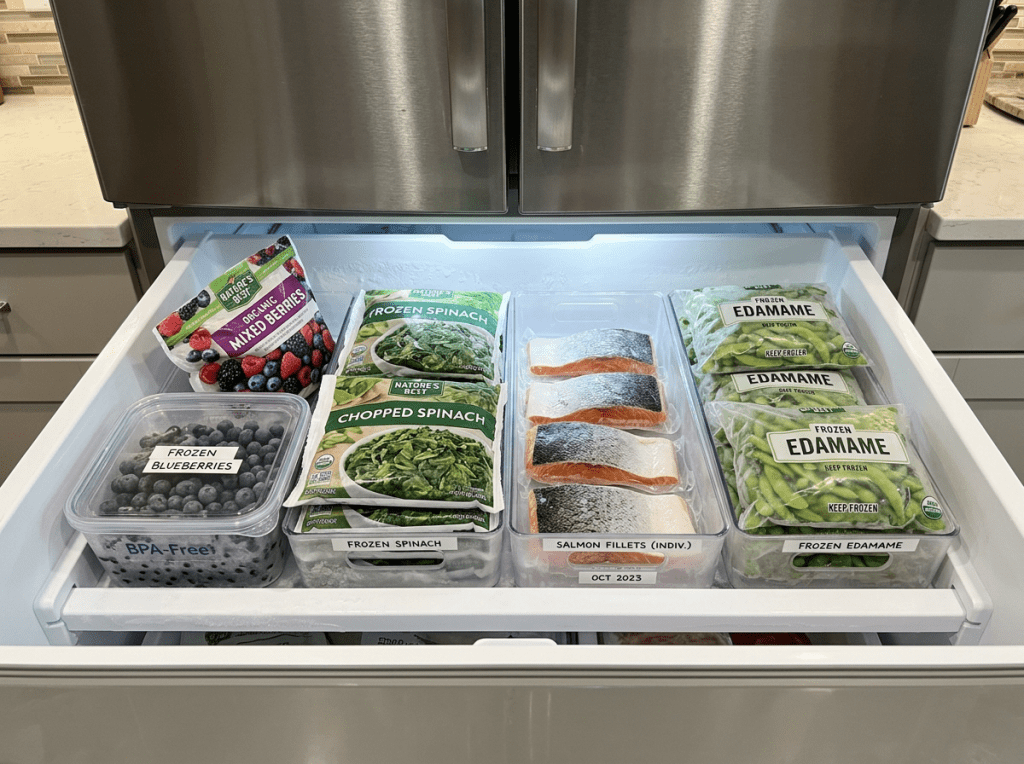


Did you know that produce picked at peak ripeness and immediately chilled often contains more vitamins than fresh items sitting on grocery store shelves for days? Many people overlook the freezer aisle, yet it holds some of the most potent ingredients to support your cardiovascular system.
Incorporating these staples into your daily routine can significantly improve your long-term wellness. By choosing the right items, you provide your body with essential nutrients that protect your arteries and maintain steady blood pressure levels.

Understanding the science behind these products allows you to make informed choices that align with your wellness goals. Let us explore how these convenient options fit into a balanced lifestyle to keep your engine running strong.
Key Takeaways
- Cold-stored produce often retains higher nutrient levels than long-haul fresh alternatives.
- Strategic selection of these items supports better cardiovascular function.
- Convenience does not have to come at the cost of your nutritional standards.
- Consistent intake of these staples helps manage blood pressure effectively.
- Making smart freezer choices simplifies your path to a stronger, more resilient body.
Why Frozen Foods Are a Heart-Healthy Secret
Did you know your freezer is a secret for heart health? Many think fresh is best, but frozen foods retain their nutrients and offer an easy, nutritious option for your meals. With a full freezer, healthy foods are always ready, even when you’re busy.

The Convenience Factor in Cardiovascular Wellness
Keeping a heart-healthy diet can seem hard, but frozen foods make it easier. With pre-chopped veggies or fish, you save time and avoid takeout. Convenience is key to sticking to your health goals.
About 70% of our sodium comes from processed foods. Choosing frozen items lets you control your sodium intake. Opt for plain, unsalted options to help manage blood pressure. This control is a major advantage for heart health.
Reducing Food Waste While Boosting Nutrition
It’s common for fresh produce to go bad in the fridge, wasting money and nutrients. Luckily, frozen foods are one of the fastest ways to add nutrition, reduce prep time, and cut down on waste—if you use them strategically. here are a few ideas:.
- Keep frozen berries on hand for instant antioxidant boosts in your morning oatmeal.
- Use frozen spinach to add fiber and vitamins to soups without washing or chopping the greens.
- Stock frozen salmon fillets to ensure you have a heart-healthy protein source ready for quick weeknight dinners.
By focusing on the freezer, you avoid wasting food. This saves money and ensures you always have nutrient-dense fuel for your heart.
The Science Behind Nutrient Retention in Frozen Produce
Did you know that the nutrients in your food are often locked in at harvest time? Many people prefer fresh produce, but frozen options are just as good. They keep your diet high-quality. Remember, heart-healthy foods contain fiber, antioxidants, healthy fats, vitamins, and minerals that stay good even in the freezer.

Flash-Freezing and Peak Harvest Freshness
Flash-freezing is the key to keeping food fresh. It freezes food almost instantly, unlike slow freezing at home. This quick freezing stops ice crystals from damaging the food’s cells.
Produce is picked at the peak of ripeness for flash-freezing. This means they are processed with the highest nutrient levels. By the time you thaw them, they have the same nutrients as when they were picked. So, your heart-healthy foods contain fiber, antioxidants, healthy fats, vitamins, and minerals in every bite.
“Frozen fruits and vegetables are often more nutrient-dense than their fresh counterparts because they are picked at peak ripeness and frozen immediately, locking in their nutritional value.”
Comparing Frozen Versus Fresh Nutrient Profiles
Some people think frozen food loses nutrients over time. But studies show that’s not true. Frozen produce is often better than fresh because it’s picked at the best time and frozen right away. This locks in its nutrients.
| Nutrient Category | Frozen Produce | Fresh Produce |
|---|---|---|
| Vitamins | High (Locked at harvest) | Variable (Degrades over time) |
| Antioxidants | Stable | Decreases during transport |
| Fiber Content | Consistent | Consistent |
Freezing your food is like stocking a reliable pantry of health. It’s great for quick meals or long-term storage. These items keep your heart-healthy foods containing fiber, antioxidants, healthy fats, vitamins, and minerals all year. You get the convenience of long shelf life without losing quality.
The Top 4 Frozen Foods for Heart Health
Discovering the top 4 frozen foods for heart health is a great first step. These foods are packed with nutrients that help your heart stay healthy. Having them in your freezer means you always have a healthy meal ready.
Criteria for Selecting Heart-Healthy Freezer Staples
To choose heart-smart freezer foods, look beyond the label. Focus on whole foods rich in fiber, potassium, and healthy unsaturated fats. These are key for keeping your arteries clear and blood pressure steady.
Always check the ingredient list to avoid hidden bad stuff. Avoid foods high in sodium, added sugars, or unhealthy fats. Opt for simple, single-ingredient frozen foods to control what you eat.

How These Four Foods Support Better Cholesterol and Lower Inflammation
Adding specific nutrient-rich foods to your diet is a smart move. These four freezer staples help improve cholesterol and provide heart-protecting antioxidants. They help lower inflammation and make heart-healthy eating easy.
Ready to improve your diet? Make room in your freezer for berries, spinach, salmon, and edamame. These foods offer a great mix of vitamins and minerals that protect your heart:
- Berries: Full of antioxidants to fight oxidative stress.
- Spinach: Rich in nitrates that help control blood pressure.
- Salmon: A top source of omega-3 fatty acids for heart health.
- Edamame: A plant-based food rich in fiber and protein.
Having these staples on hand makes meal planning easy. You can quickly make tasty dishes that support your heart health every day.
Berries: Nature’s Antioxidant Powerhouse
Nature gives us small, vibrant fruits that are powerful for heart health. Adding them to your meals provides your body with key compounds to help fight stress. Frozen berries are always in season, packed with antioxidants, and can reduce inflammation and heart disease risk.

Why Raspberries, Blueberries, and Strawberries Matter
These fruits are nutritional giants in a small package. Whether you like raspberries, blueberries, strawberries, or blackberries—choose your favorite and stock up. They are flash-frozen at peak ripeness, keeping vitamins and minerals that fresh produce often loses.
Reducing Inflammation and Heart Disease Risk
Chronic inflammation is a big problem for heart health. The antioxidants in these fruits, like anthocyanins, fight free radicals in your blood. Eating them regularly helps your heart and blood vessels stay healthy.
Tips for Selecting High-Quality Frozen Berries
Not all frozen berries are the same. Always check the ingredients. Look for products with just the fruit, without added sugars, syrups, or artificial preservatives.
| Berry Type | Primary Benefit | Best Use |
|---|---|---|
| Blueberries | High Anthocyanin Content | Smoothies |
| Raspberries | High Fiber Content | Oatmeal Topping |
| Strawberries | Vitamin C Boost | Fruit Salads |
| Blackberries | Potent Antioxidants | Yogurt Bowls |
Spinach: The Leafy Green for Blood Pressure Support
Popeye was onto something with his spinach, and science now backs him up. This simple veggie is a heart health champion. Keep frozen spinach on hand to add nutrients to your meals.

The Role of Nitrates in Vascular Health
Spinach and other greens are packed with nitrates. These nitrates help your heart by lowering blood pressure and improving blood flow. Your body turns them into nitric oxide.
Nitric oxide is key for artery health. Frozen spinach keeps these nutrients fresh, giving your heart a boost.
Relaxing Blood Vessel Walls for Improved Flow
Relaxed blood vessels mean your heart works less hard. This helps keep blood pressure in check. It’s a big win for your heart health.
Eating foods high in nitrates keeps your blood vessels flexible. This simple change helps your circulatory system stay strong.
Simple Ways to Add Spinach to Your Daily Routine
Adding frozen spinach to your meals is easy. It’s already prepped and ready to go. This way, you can make your dishes healthier without extra effort.
- Stir a handful into your morning scrambled eggs or omelets.
- Blend it into fruit smoothies; the flavor is easily masked by berries.
- Add it to simmering soups, stews, or pasta sauces during the last few minutes of cooking.
| Preparation Method | Best Use Case | Nutrient Retention |
|---|---|---|
| Quick Sauté | Side dishes | High |
| Smoothie Blend | Breakfast | Maximum |
| Soup Addition | Dinner | High |
Salmon: The Gold Standard for Omega-3 Fatty Acids
Salmon is known as the top choice for omega-3 fatty acids, key for a healthy heart. Adding lean proteins to your meals helps keep your heart safe.
Understanding the Benefits of Fatty Fish
Eating fatty fish helps fight inflammation. These fish are rich in nutrients that support blood flow and help keep arteries functioning well.
Frozen fatty fish, like salmon, is good for your heart because it is loaded with omega-3 fatty acids and low in saturated fat. Having this in your freezer means you can always eat something good for your heart.
Low Saturated Fat Profiles for Heart Protection
A healthy diet focuses on skinless poultry and fish for protein. Salmon is a better choice than red meat because it’s leaner and has less saturated fat.
Keeping saturated fat intake low is key for heart health. Salmon helps replace bad fats with good ones.
Selecting Sustainable and Healthy Frozen Salmon
When buying frozen salmon, look for labels that show it’s sustainable and responsibly sourced. Good frozen salmon is flash-frozen to preserve omega-3s.
Make sure the packaging doesn’t have added sauces or too much salt. Choosing plain, frozen salmon lets you season it yourself and keep it healthy.
Edamame: A Plant-Based Protein and Fiber Boost
Edamame are young soybeans picked before they’re fully ripe. They’re packed with fiber, protein, potassium, and antioxidants. These green legumes make it easy to boost your diet without much cooking. Just keep a bag in your freezer for a heart-healthy ingredient anytime.
Nutritional Profile of Young Soybeans
These soybeans are special because they’re picked early. They have a unique mix of nutrients. They’re a great source of plant-based protein, which is key for muscles and metabolism. Plus, their fiber keeps you full, helping with weight control.
Potassium and Antioxidants for Cardiovascular Function
Your heart needs minerals to work well. Edamame gives you a lot of potassium, which helps regulate blood pressure. The antioxidants in these beans also protect your heart from damage.
Integrating Edamame into Your Favorite Meals
It’s easy to add edamame to your meals. Just toss them into stir-fries, grain bowls, or make creamy hummus. Try out these beans for a meal that’s good for you and tastes great.
Strategic Ways to Incorporate Frozen Staples into Your Diet
Discovering easy ways to add frozen foods to your diet can save you a lot of time. It also boosts your heart health. Keeping your freezer full of healthy options means a nutritious meal is always ready. This method makes meal planning easier and keeps you away from unhealthy convenience foods.
Adding Vegetables to Soups, Stews, and Grain Bowls
You can effortlessly add frozen vegetables to soups, stews, pastas, or grain bowls. This adds volume and nutrients without chopping. It’s a simple way to increase fiber and vitamins in your meals. Frozen greens add a consistent texture and flavor to your dishes, whether it’s a hearty soup or a quick quinoa bowl.
“The secret to a healthy heart is not just what you eat, but how consistently you choose nutrient-dense ingredients over processed alternatives.”
— Nutritionist Perspective
Creating Heart-Healthy Smoothies and Nice Creams
For a refreshing treat, toss frozen berries into smoothies or yogurt bowls. You can also use them in frozen desserts like nice creams. These fruits are picked at their peak, giving you the most antioxidants in every serving. Blending frozen fruit makes a creamy treat that’s healthier than traditional ice creams.
You can also swap in frozen edamame to boost your meals’ fiber, nutrient, and protein content. Adding these young soybeans to salads or grain bowls gives you a plant-based protein boost. This supports your heart health over time.
Quick Weeknight Dinners with Frozen Fish
When time is short, use frozen fish for weeknight dinners. It thaws quickly, cooks fast, and is a lean protein source. This makes it perfect for busy evenings when you want to stay healthy without spending hours cooking.
| Frozen Staple | Primary Benefit | Best Use Case |
|---|---|---|
| Frozen Berries | High Antioxidants | Smoothies & Desserts |
| Frozen Spinach | Nitrate Support | Soups & Stews |
| Frozen Salmon | Omega-3 Fatty Acids | Quick Weeknight Dinners |
| Frozen Edamame | Plant-Based Protein | Grain Bowls & Salads |
Overcoming Common Myths About Frozen Food Quality
It’s time to debunk the myths that frozen foods are less nutritious than fresh ones. Many think fresh is always better, but that’s not always true. Modern freezing technology captures fruits and veggies at their peak, preserving vitamins and minerals instantly.
Addressing Concerns About Preservatives and Additives
People often worry about preservatives in frozen foods. But freezing itself is a natural preservative. It keeps food safe and nutritious without harsh chemicals.
Choosing plain frozen fruits or veggies means you get a single-ingredient product. To avoid additives, follow these tips:
- Check the ingredient list to ensure there are no added sugars or heavy syrups.
- Look for products that list only the vegetable or fruit as the sole ingredient.
- Avoid pre-seasoned or sauced varieties, which often contain hidden sodium.
How to Read Labels for Heart-Healthy Choices
Reading labels can be tough, but they guide you to a heart-healthy diet. The American Heart Association Heart-Check mark is a reliable tool.
This mark shows products meet heart-healthy standards for fat and sodium. Seeing it means the item supports your heart health.
Ensuring Proper Storage to Maintain Nutrient Integrity
Even top-quality frozen foods need proper care at home. Keeping your freezer right is key to avoid freezer burn and keep nutrients.
Here’s how to keep your food fresh:
- Keep your freezer temperature at 0°F (-18°C) or lower at all times.
- Ensure bags are tightly sealed to prevent air exposure, which causes ice crystals to form.
- Rotate your stock by using older items first to ensure you are always consuming the freshest possible frozen goods.
Conclusion
Your journey to better heart health begins in the freezer aisle. Frozen berries, spinach, salmon, and edamame are great choices. They are packed with nutrients and support your health goals.
These foods help control inflammation and blood pressure. Reading labels helps you avoid harmful additives. This way, you choose the best for your body.
Small changes in your shopping can boost your energy. Having these heart-healthy foods ready makes cooking easy, even when you’re busy. Start making these changes today for a healthier lifestyle.
Share your favorite ways to use these frozen foods with others. Supporting heart health in your community has a big impact. Your dedication to nutrition inspires those around you.

 trim down and shape up
Leave a comment