


Are you training as hard as you did in your twenties? Getting older is inevitable, but your workout routine needs to change with age.
Studies reveal that adults lose 3–8% of muscle mass each decade after thirty. Ignoring this can lead to burnout and injuries, not progress.

Strategic training is key for staying healthy as you age. Moving from intense workouts to focusing on recovery helps keep your hormones balanced. This way, you can keep your strength and health for many years.
Key Takeaways
- Understand that muscle mass naturally declines after age thirty.
- Prioritize recovery to support changing hormonal profiles.
- Shift from burnout-style workouts to sustainable, strategic training.
- Adapt your routine to match current physiological capacities.
- Focus on long-term consistency over short-term intensity.
The biggest mistake men over 40 make in the gym
Men over 40 often stick to a “no pain, no gain” idea that’s outdated. They think they need to be exhausted or sore to have worked out hard. This can lead to hitting a plateau and getting hurt, making it hard to keep up with workouts.

Your body changes as you get older. You might want to push hard, but your body can’t recover like it used to. Training smarter is now more critical than just pushing yourself harder. It’s important to know when you’re stressed and when you’re overdoing it.
“Success is not about how much you can lift today, but how much you can lift for the rest of your life.”
— Anonymous
It’s not necessary to exhaust yourself every workout to see progress. You can get remarkable results by focusing on quality movements. People over 40 can build strength and keep their muscle without being crushed every time.
Adjusting your workout intensity helps protect your body. This way, you can keep exercising for years. Consistency is the ultimate key to staying fit, and avoiding burnout is key to keeping that consistency.
Why your twenties training style is holding you back
Many people think they must train like they did in their twenties as they age. You might recall days when you could handle extreme soreness and go back to the gym the next day. But your body has changed, and you now need a smarter way to exercise.

The myth of the endless recovery window
When you were younger, your body could heal quickly. You could skip rest days and keep getting stronger. Now, believing in an endless recovery window can lead to chronic inflammation and injuries.
“The body is not a machine that can be pushed indefinitely; it is a living system that requires balance between stress and restoration to thrive.”
Listening to your body’s need for rest is not weak. It’s a fundamental requirement for long-term success. By focusing on quality over quantity, you give your nervous system time to adapt.
Why high-intensity burnout is counterproductive
Trying to match the intensity of your youth can lead to fatigue, not muscle growth. Constantly pushing to failure overloads your nervous system. This high-intensity burnout forces you to take unplanned breaks, disrupting your routine.
Switching from a “workout” to a “training” mindset is key for longevity. A training mindset aims for sustainable progress, not immediate exhaustion. Adjusting your workouts to fit your current stress levels ensures they help your health, not harm it.
Redefining success beyond personal records
It’s time to rethink what success means in the gym. Many men focus too much on lifting heavy weights. But “aging well” isn’t measured by six-pack abs or personal records.

Moving the goalposts from ego to longevity
Changing your focus can protect your body. Longevity means valuing your body’s health over quick gains. This way, your joints stay healthy for years.
This doesn’t mean you stop working out. It means you work out with a purpose. You’re building a strong base for your life, not breaking it down.
Measuring progress through daily capability
Real success is being able to move freely and without pain every day. Power training helps your body handle force better. It also prevents common injuries like torn tendons or ligament strains.
Look at your progress in how you move daily. Can you lift things without hurting your back? Do you feel strong and quick when playing with kids or sports? Remember, “aging well” isn’t measured by six-pack abs or personal records. It’s about living life fully.
The physiological shift in muscle preservation
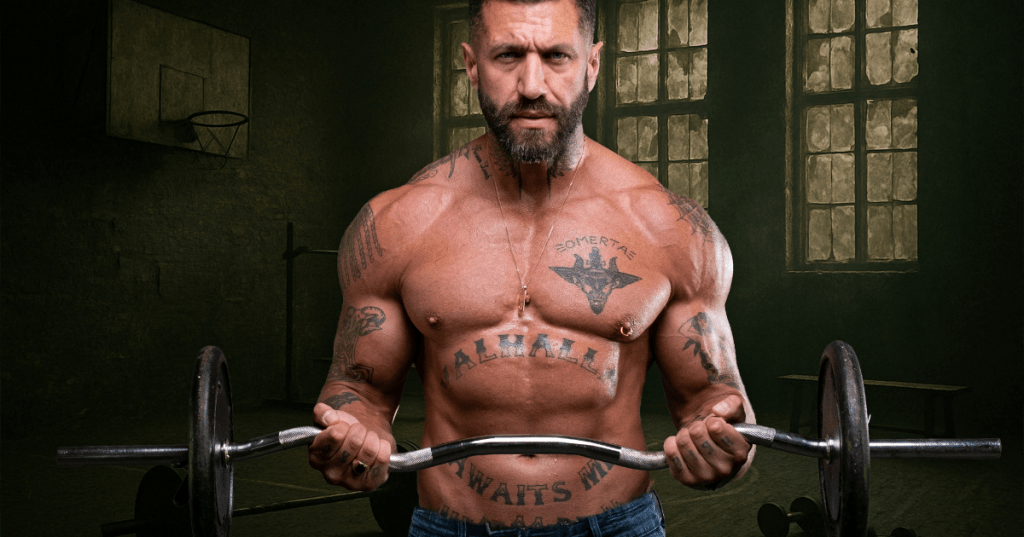
When you hit your forties, your body changes how it handles muscle. You might find it takes longer to recover and your body composition shifts faster. To stay strong, building and preserving lean muscle should become the primary goal after 40.
Understanding sarcopenia and metabolic health
Starting at 40, your body starts losing muscle mass, a process called sarcopenia. This happens due to hormonal changes, like lower testosterone levels. If not stopped, it can slow down your metabolism and reduce physical ability.
Your metabolic health is linked to how much active tissue you have. Muscle needs energy to exist. Keeping your muscle mass helps your metabolism stay efficient, which helps control body fat as you age.
Why lean muscle is your greatest asset after 40
Think of muscle as a long-term investment account for your health. While looks were important in your youth, now focus on staying healthy for the long run. Building and preserving lean muscle should become the primary goal after 40 because it protects your joints and supports your bones.
Resistance training is key to fighting age-related decline. By regularly challenging your muscles, you tell your body to stay strong. This keeps you resilient against daily life’s physical demands.
Prioritizing joint health and structural integrity
To build a body that lasts, move away from ego-driven lifting. Sedentary work and repetitive movements can cause stiffness in hips, shoulders, and thoracic spine. Ignoring these signs can turn minor discomfort into chronic pain.
Consistency is the ultimate key to progress. Treating your body like a high-performance machine means maintenance is as important as heavy lifting.
Selecting exercises that respect your anatomy
Many men force their bodies into positions that don’t fit their current range of motion. This increases the risk of shoulder strains, lower back injuries, and knee pain during heavy lifts.
Instead of pushing through sharp pain, choose exercises that fit your skeletal structure. For example, if a standard barbell back squat hurts your hips, try a goblet squat or a trap bar deadlift. These alternatives provide similar benefits while keeping your joints safer.

The importance of mobility and stability work
Adding dedicated mobility work to your routine is essential for anyone over 40. It helps fix compensation patterns early, preventing systemic breakdown. Proper strength improves balance, supports healthy joints, protects bone density, and reduces the risk of injury as the years go on.
“The goal of training is not to see how much weight you can lift today, but to ensure you can lift weight twenty years from now.”
— Anonymous
Stability work keeps your joints together under load. Focusing on core engagement and controlled movement creates a strong foundation. This allows you to train harder without fear of injury.
| Movement Category | High-Risk Option | Joint-Friendly Alternative |
|---|---|---|
| Pushing | Behind-the-neck press | Dumbbell overhead press |
| Pulling | Behind-the-neck lat pulldown | Chest-supported row |
| Lower Body | Deep barbell back squat | Goblet squat or split squat |
| Stability | Weighted sit-ups | Plank or dead bug variations |
The danger of chasing fatigue over progress
Many men think they haven’t worked hard if they’re not exhausted after the gym. This belief can cause injuries and burnout. Remember, the goal is to create a sustainable routine that builds strength over time instead of chasing fatigue.
Distinguishing between productive stress and systemic exhaustion
Productive stress helps your body grow and feel energized. It’s different from systemic exhaustion, which makes you feel drained and tired. This exhaustion can lead to chronic inflammation and fatigue in your nervous system.
Soreness isn’t always a good sign, and feeling “wrecked” doesn’t mean you’ve succeeded. Focus on moving well and challenging your muscles safely.
| Feature | Productive Stress | Systemic Exhaustion |
|---|---|---|
| Recovery Time | 24 to 48 hours | 72+ hours |
| Energy Levels | Improved post-workout | Persistent lethargy |
| Joint Health | Maintained or improved | Frequent aches/pains |
| Progress | Consistent gains | Stagnation or regression |
How to train hard without breaking down
To train well, stop your sets before your form fails. If your technique goes wrong, your muscles don’t get the right workout, and your joints suffer. Prioritizing technical precision helps you stay intense without injury.
Focus on doing high-quality reps consistently. This way, you’ll keep training for a long time. Ultimately, the goal is to create a sustainable routine that builds strength over time instead of chasing fatigue, keeping you active and healthy for years.
Building a sustainable routine for the long haul
Creating a lasting fitness routine is more than just wanting to do it. It needs a smart plan. Many men struggle to keep up with their workouts because of work and family commitments. To keep going, they need to feel safe, gain confidence, and train in a way they can sustain for years.
Frequency versus intensity in your weekly schedule
You don’t have to spend all day at the gym to see results. Consistency is more important than how hard you work out. Even three times a week can make a big difference if you do it right.
Limiting workouts to three or four days a week helps your body recover. This prevents burnout and injuries. Quality of movement is more important than how long you work out.
Creating a program that fits your lifestyle
A good program should fit into your life, not clash with it. If you’re busy, look for routines that work your whole body at once. This way, you get the most out of your time.
Choosing a program that respects your time helps you stick with it. Being consistent builds momentum, leading to lasting health. Here’s a table showing how different schedules affect your consistency.
| Training Style | Weekly Frequency | Primary Benefit | Sustainability |
|---|---|---|---|
| High-Intensity Daily | 6-7 Days | Rapid Fatigue | Low |
| Balanced Strength | 3-4 Days | Muscle Growth | High |
| Minimalist Maintenance | 2 Days | Joint Longevity | Very High |
Your goal is to make fitness a natural part of your week. Focus on sustainable progress that supports your life, not on complicating it. Be patient, stay consistent, and keep moving.
Functional fitness for everyday life
Functional fitness connects structured workouts to daily life’s unpredictability. It focuses on training that mirrors daily tasks, making your body resilient and capable as you age.
Training to pick up your grandchildren without pain
Testing your physical health often happens at home, not in the gym. Functional training lets you pick up your grandchildren without pain. It builds lower-body strength and efficient force production from a squat.
Movements like goblet squats and deadlifts boost your power. Strengthening your back and joints helps protect them when lifting a child. Consistent practice makes these tasks easy.
Improving balance and coordination for future mobility
Your ability to move safely depends on balance and coordination. Training these skills lets you carry groceries without thinking about it. It improves core strength and grip, often lost in machine-based workouts.
Exercises like lunges and single-leg balance drills enhance stability. They’re key for travel, hiking, sports, and staying active later in life. Investing in coordination today ensures independence for the future.
The role of recovery in your new training paradigm
Your time lifting weights is just the start of your transformation. The gym gives you the push, but real growth happens when you’re not lifting. Without rest, you’re undoing your hard work.
Recovery is not just about resting. It’s an active process that needs focus and discipline. By letting your body repair, you keep your workouts effective, not exhausting.
Optimizing sleep for hormonal balance
Sleep is key to recovery. It’s when your body fixes muscles and boosts metabolic health. Without enough sleep, your cortisol levels go up, which hurts your muscles.
Go for seven to nine hours of sleep each night. A bedtime routine tells your brain it’s time to rest. Good sleep is the base for your body to recover from hard workouts.
Active recovery techniques that actually work
You don’t have to be sedentary to recover. Light movement on rest days boosts blood flow and clears waste. It helps you recover quickly without hurting your joints.
Try low-impact activities like walking, swimming, or mobility exercises. They keep your muscles flexible and joints moving. The table below shows how different recovery methods help your progress.
| Method | Primary Benefit | Intensity Level |
|---|---|---|
| Deep Sleep | Hormonal Regulation | None |
| Light Walking | Blood Circulation | Very Low |
| Dynamic Stretching | Joint Mobility | Low |
| Foam Rolling | Tissue Quality | Low |
Nutrition strategies to support muscle maintenance
Your gym workouts depend on the food you eat. As you get older, your body changes how it uses food and recovers. Good nutrition is key to keeping your muscles strong and your body ready for exercise.
Protein intake requirements for the aging athlete
To build muscle, you need to eat enough protein all day. Experts say you should eat 0.7 to 1 gram of protein per pound of body weight. This helps fight the loss of muscle mass that comes with age.
Don’t just eat one big meal a day. Eat protein at every meal to keep your body building muscle. Good sources include lean meats, eggs, Greek yogurt, and plant-based options.
Hydration and micronutrients for joint support
Your joints need special care to stay healthy. Drinking enough water is the simplest way to keep them moving smoothly. Water helps your cartilage function well, reducing friction in your movements.
Also, eat foods that fight inflammation. Omega-3 fatty acids in fish oil or flaxseeds help with joint pain. Vitamin D and calcium are important for strong bones. These nutrients help your body recover from exercise and stay healthy for years.
Mental shifts for consistent gym attendance
Many men find it hard to keep going to the gym because they see it as a challenge. They used to push themselves hard, but now they feel like they’re taking a step back. But the best athletes know that longevity is the ultimate performance metric.
Overcoming the fear of losing your edge
It’s easy to think that if you’re not exhausted after working out, you’re not doing enough. This thinking can lead to burnout and injuries. It’s a trap.
Instead of focusing on exhaustion, see your “edge” as being able to go to the gym every day. True strength comes from doing many small, controlled workouts over years, not just one intense session.
“Success is the sum of small efforts, repeated day in and day out.”
— Robert Collier
Finding joy in the process of getting stronger
To keep going to the gym, focus on the daily journey, not just the end goal. By avoiding exhaustion, you find a more fulfilling experience. You start to enjoy the small improvements in your body.
Here are some mental shifts to help you stay on track:
- Prioritize repeatability: If you can’t recover for the next workout, it was too hard.
- Celebrate small wins: Enjoy better mobility, sleep, or energy at work.
- Detach from the ego: Forget about impressing others and focus on your own health.
By changing your mindset about the gym, you turn it into a rewarding habit. You’re not just training for today; you’re building a strong foundation for your future health. Consistency is what drives real, lasting change.
Conclusion
Aging brings new challenges to your physical performance, but you don’t have to get weaker. You can shift your focus to building a strong body for decades. This approach changes your life.
True strength comes from being consistent and making smart choices, not from being too intense. By focusing on building a strong body and recovery, you stay active and pain-free. This is true even in your later years.
Take charge of your health by making small changes to your routine. Adjusting your workout and diet can make a big difference over time. You don’t have to lose strength as you age.
Start this new approach today to protect your joints and keep your muscles strong. Your future self will thank you for it. Focus on the journey and enjoy a stronger, more resilient body.



 trim down and shape up
Leave a comment