


Did you know that people in certain areas, called Blue Zones, live to 100 ten times more often than Americans do? It’s amazing to think about. Longevity is a buzzy concept these days. Who wouldn’t want to live longer and stay healthy?

Many think living long means expensive treatments or complicated plans. But it’s actually simpler. There are simple habits you can weave into your everyday routine to improve your longevity. These habits include moving more, eating right, and staying connected with others.
The best part? These habits are backed by science and experts, not just rumors. By making these small changes, you can greatly improve your health and happiness right away.
Key Takeaways
- Blue Zone residents provide a blueprint for aging gracefully.
- Small, consistent lifestyle changes yield the biggest results.
- Scientific evidence supports natural approaches to wellness.
- Social connection remains a pillar of physical health.
- Prioritizing movement is essential for long-term vitality.
The Science of Longevity: Why Small Changes Matter
Longevity isn’t just about living longer. It’s about living well. Many people want to live longer, but they also want to stay active and vibrant. By focusing on the right things, you can make your life better every day.

Understanding Healthspan Versus Lifespan
It’s important to know the difference between lifespan and healthspan. Your lifespan is how long you live. Your healthspan is how long you live without serious health problems. Focusing on your healthspan means you can fully enjoy your later years.
Today, many people look for quick fixes to health. But these quick fixes don’t really help with aging. Instead, aim for a lifestyle that keeps your cells healthy and you independent for years.
The Power of Consistency Over Intensity
Research shows that consistency is key for healthy aging. You don’t need to change everything at once. Small, daily habits are often better than big, short-term changes that are hard to keep up.
Building health takes time and small steps. Making small changes to what you eat, how you move, and how you sleep can add up over time. The table below shows why steady effort is better than quick fixes.
| Feature | Short-Term Intensity | Long-Term Consistency |
|---|---|---|
| Sustainability | Low (High burnout risk) | High (Easily integrated) |
| Biological Impact | Temporary stress | Lasting adaptation |
| Mental Load | High pressure | Low, manageable stress |
| Healthspan Result | Minimal long-term gain | Significant improvement |
8 Habits That Will Help You Live Longer
To live a vibrant life, focus on steady habits, not quick fixes. Many seek fast results, but the best way to live long is through daily, small actions.
Remember, consistency matters more than intensity when it comes to healthy aging. Choose habits you can keep for decades. This builds a strong foundation for your body at every stage of life.

Why Sustainable Lifestyle Choices Outperform Quick Fixes
Fitness and wellness often push for extreme programs. But these short-term, extreme interventions rarely last. They can lead to burnout or injury.
On the other hand, small, sustainable habits practiced daily often outperform short-term, extreme interventions. They become part of who you are. You’re more likely to keep up with routines that feel natural and easy.
- Reduced stress on your joints and cardiovascular system.
- Greater psychological satisfaction from meeting small, daily goals.
- Easier integration into your existing work and family schedule.
“We are what we repeatedly do. Excellence, then, is not an act, but a habit.”
— Will Durant
The Cumulative Effect of Daily Decisions
Every choice you make builds your future health. One healthy meal or a single walk might seem small. But their cumulative effect is huge.
Think of your health as a compound interest account. Positive changes today add up to big benefits later. You’re not just living for today; you’re investing in your future.
Prioritize Plant-Based Nutrition
Your journey to a longer, healthier life starts with choosing plant-based nutrition. Modern diets often focus on processed foods. But shifting your focus to natural, earth-grown foods can change your body’s biology. It’s time to eat more plants.
Most of us need to eat more fruits, veggies, greens, whole grains, legumes, nuts, and seeds. These foods fuel your cells, helping repair damage and keep you vital for years.

The Benefits of Whole Grains and Legumes
Whole grains and legumes are nutritional powerhouses. They offer more than just calories. They are full of essential fiber, which keeps your gut healthy and blood sugar levels stable. Choosing these foods gives you steady energy, unlike refined sugars.
These foods also have polyphenols and antioxidants that help reduce systemic inflammation. Studies on the world’s longest-lived people, known as the Blue Zones, show legumes are key to longevity. Adding beans, lentils, or chickpeas to your meals is a simple way to support your health.
Incorporating More Fruits, Vegetables, and Nuts
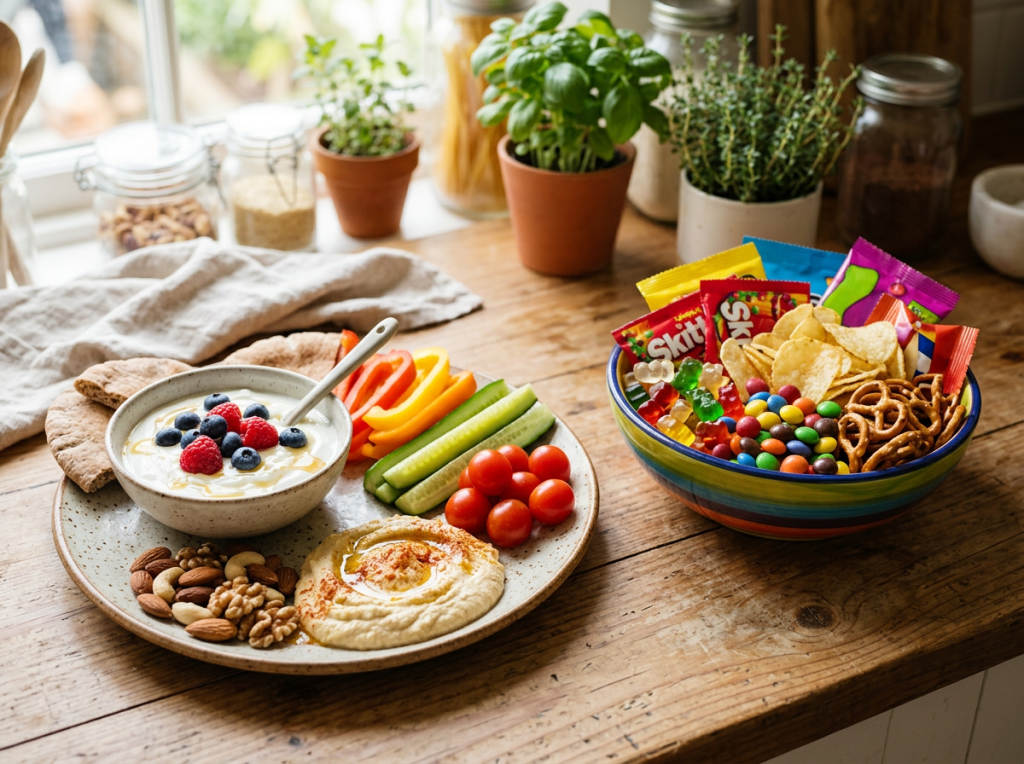
Adding variety to your meals is key for long-term success. You don’t need to change everything at once. Start with small, consistent changes. Try swapping a processed snack for raw nuts or adding greens to your dinner.
These foods are packed with vitamins and minerals that boost your immune system. When you eat more plants, you naturally choose healthier options. Remember, consistency is key to health. Every colorful vegetable you add brings you closer to a longer, more vibrant life.
Incorporate Regular Physical Activity
Starting to move more is a simple choice. You don’t need to spend hours at the gym to feel better. Small, regular steps can make a big difference over time.
Experts say that “regular physical activity is one of the most powerful interventions we have for extending both lifespan and healthspan, ”. It keeps your metabolism and heart healthy. Moving more also lowers the risk of chronic diseases that can limit your independence as you get older.

Movement as a Tool for Extending Healthspan
The Centers for Disease Control and Prevention (CDC) recommends at least 150 minutes of moderate-intensity aerobic activity each week. This is not just a goal; it’s a proven benchmark for reducing heart disease, diabetes, and other age-related conditions.
Seeing movement as a way to live longer changes how you view daily activities. Cleaning the house or walking to the store becomes a way to invest in your health. This mindset helps you stay on track with your goals.
Finding Sustainable Ways to Stay Active Daily
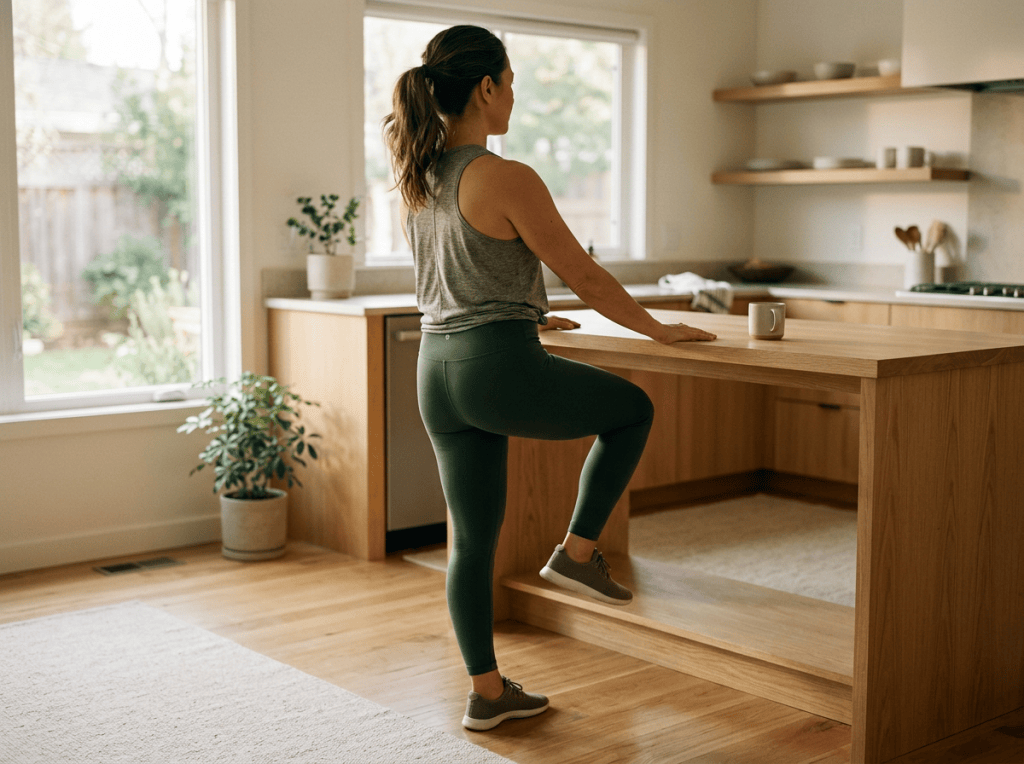
Long-term success depends on sustainability. Instead of intense gym sessions, try to add movement to your daily routines. Taking the stairs, parking farther away, or standing while working are great ways to increase your step count.
Here’s a table to help you find simple ways to add more activity to your day:
| Activity Type | Daily Opportunity | Primary Benefit |
|---|---|---|
| Active Commuting | Walking or biking to work | Cardiovascular health |
| Household Chores | Gardening or deep cleaning | Functional strength |
| Desk Breaks | Stretching every hour | Improved circulation |
| Social Movement | Walking meetings or hikes | Mental well-being |
Every effort to move more counts. By choosing to be active all day, you build a strong foundation for a lively and energetic life.
Build and Maintain Muscle Mass
Did you know your muscles are key to your metabolic health? They’re not just for looks. Muscle keeps us strong, upright, and functional. It protects your joints and bones, making it easier to move as you get older.
Also, it helps keep your metabolism healthy. Taking care of your muscles sets you up for a long, healthy life. It helps you fight off age-related problems.
Muscle as a Metabolic Powerhouse
Your muscles do more than just help you lift things. They’re active tissues that help your body use energy all day.
“Muscle is the main organ for controlling blood sugar,
This is important because it fights insulin resistance. A common cause of many diseases. When you build strength, you help your body handle sugar better. This keeps your body working well.

Strategies for Maintaining Strength as You Age
Starting at about 35, we naturally lose some muscle each year. This is called sarcopenia. If not stopped, it can make us weak.
To fight this, add regular resistance training to your week. Use weights, bands, or your body. The goal is to keep your muscles challenged.
You don’t have to be an athlete to see benefits. Just sticking to a strength-building routine can greatly improve your health and independence for years.
Reduce Alcohol Consumption for Better Health
Choosing to cut way back on alcohol can greatly help your body heal and grow. Many social events involve drinking, but your health depends on managing alcohol use. Knowing the harm alcohol causes is the first step to making better choices for your health.

The Reality of Alcohol and Longevity
Many think that drinking in moderation is safe, but research shows there’s no safe amount of alcohol. Alcohol is broken down into acetaldehyde, a harmful byproduct. This substance damages DNA and hinders cell repair.
Drinking daily can harm your health, even if it’s just one drink. Alcohol toxins stress your liver and immune system. This takes energy away from repair and maintenance. Reducing alcohol intake helps your body work better.
Practical Tips for Cutting Back
Changing your lifestyle to drink less doesn’t have to be sudden. Start by limiting alcohol to special events. Try sparkling water, herbal tea, or kombucha instead of alcohol for a daily drink.
Here’s a comparison to see how your body reacts to different alcohol levels:
| Health Metric | Daily Consumption | Occasional Consumption | Zero Consumption |
|---|---|---|---|
| DNA Repair Efficiency | Low | Moderate | Optimal |
| Sleep Quality | Poor | Fair | High |
| Inflammation Levels | Elevated | Stable | Minimal |
| Liver Function | Stressed | Recovering | Healthy |
Keeping track of your drinking can help you understand your habits. Not drinking can improve sleep, mental clarity, and energy. Prioritizing your health by drinking less is a smart choice for your future.
Manage Chronic Stress Effectively
Do you know that today’s stress can affect your future health? While some stress is normal, learning to manage stress is key to staying healthy as you age.
Stress affects our mental and physical health a lot. Prolonged stress makes it hard for your body to recover. This speeds up aging at a cellular level.
How Stress Impacts Inflammation and Immunity
Stress has high biological costs. Studies show that chronic stress impacts longevity by affecting inflammation, immune function, heart health, and metabolism, affecting every part of your body.
Stress hormones like cortisol weaken your immune system. This makes you more prone to sickness and hinders healing. Long-term, this can cause systemic inflammation, leading to many age-related diseases.

Techniques for Daily Stress Regulation
Simple, consistent habits can help your body feel safe. These habits help your body move from survival mode to restoration mode.
Try these proven strategies every day:
- Mindful Meditation: Spend ten minutes each morning to calm your heart rate.
- Breathwork Exercises: Use deep breathing to calm your nervous system when stressed.
- Nature Immersion: A short walk in nature can greatly reduce stress.
- Digital Boundaries: Set times to avoid screens to avoid mental overload.
Consistency is the key to managing emotions. By tackling stress today, you invest in your future health and longevity.
Cultivate Strong Social Connections
Building meaningful connections is key to a longer, healthier life. While many focus on nutrition and fitness, your social interactions are just as important. It’s essential to maintain social relationships for your physical and mental health.
The Link Between Relationships and Longevity
Research shows that keeping your friends close can help you live longer. Social isolation is as harmful as smoking 15 cigarettes a day. This proves that human connection is a basic need, not just a luxury.
Experts say that strong social and family relationships are one of the best predictors of longevity, even more than health markers. Feeling supported by a community lowers stress hormones. This helps reduce inflammation and boosts your immune system.
Building and Maintaining a Supportive Community
If your social circle is shrinking, you can take steps to grow it. Try volunteering or joining a club for a new hobby. These activities give you a sense of purpose and help you form lasting connections.
Consistency is important in keeping these connections strong. Make an effort to stay in touch with friends, even with just a quick call or coffee. Investing in others is also investing in your own health.
| Social Activity | Primary Benefit | Longevity Impact |
|---|---|---|
| Regular Volunteering | Sense of Purpose | High |
| Group Hobbies | Cognitive Engagement | Moderate |
| Family Gatherings | Emotional Support | High |
| Community Clubs | Reduced Isolation | Moderate |
Optimize Your Diet and Sleep Hygiene
Your daily habits in nutrition and sleep are key to a long, healthy life. Movement and social connection are important, but what you eat and how you sleep matter more. Making smart changes in these areas helps you stay well for a long time.
Limiting Added Sugars and Ultra-Processed Foods
To keep your health strong, cut down on added sugar and ultra-processed foods. These foods often lack good nutrients and can cause inflammation. Eating whole, unprocessed foods is a simple way to feed your body right.
It’s key to know that diets high in added sugar and ultra-processed foods raise the risk of obesity, type 2 diabetes, heart disease, and early death. Switching to whole fruits or nuts instead of sugary snacks helps a lot. Making small changes in your food choices can greatly improve your health over time.
The Foundational Role of Quality Sleep
Good sleep is as important as good food for your body. Sleep is not a luxury; it’s essential for repair and brain function. Neglecting sleep can undo the good of your other healthy habits.
Experts say adults need at least seven hours of quality sleep each night. A regular bedtime routine helps your body know when to rest. Remember, sleep is key to health and living a long life, as it controls hormones and boosts the immune system.
Not getting enough sleep can lead to serious problems like dementia, depression, and heart disease. Protecting your sleep time is a direct investment in your future. Here’s a table to show how your daily choices affect your health long-term.
| Habit Category | Optimal Choice | Risk Factor | Longevity Impact |
|---|---|---|---|
| Dietary Intake | Whole, unprocessed foods | Added sugars and additives | High metabolic stability |
| Nightly Rest | 7+ hours of quality sleep | Chronic sleep deprivation | Enhanced cellular repair |
| Daily Routine | Consistent meal timing | Erratic eating patterns | Improved blood sugar control |
Conclusion
Your path to a longer life starts with small daily choices. You have the power to shape your future health with these eight habits. Focus on making steady progress, not seeking quick fixes.
Consistency is key to your success. You don’t need to change everything at once. Start with one or two habits from this list and add them to your routine.
Building a better healthspan takes patience and dedication. These simple changes can have a big impact on your well-being. Your efforts will pay off in the years to come.
Begin your journey to a vibrant life today. Small, intentional actions lead to big rewards for your body and mind. You have the tools to thrive at every stage of your life.



 trim down and shape up
Leave a comment