


Did you know your walking speed might show how sharp your mind will stay? A study by Stony Brook Medicine looked at 4,000 people aged 80 and older. They wanted to see how moving affects our minds.
The results are impressive. It turns out that older adults who move a lot are about half as likely to lose their mental sharpness as others. This simple way to move is key to keeping your brain healthy for years to come.

Watching how you walk can tell you a lot about your inner health. Knowing this helps you make choices that keep your mind sharp as you age.
Key Takeaways
- Research involving 4,000 seniors highlights the connection between gait and mental sharpness.
- “Super movers” demonstrate significantly lower risks of cognitive decline.
- Physical speed serves as a practical indicator of neurological health in later life.
- Maintaining an active pace supports long-term mental resilience.
- Simple lifestyle adjustments can foster better outcomes for your cognitive longevity.
The Link Between Mobility and Cognitive Longevity
Recent studies show a strong connection between how we move and our brain health as we age. It turns out that the study reinforces that mobility and brain health are closely connected. Your physical movement is more than just a simple action. It gives experts clues about your brain’s health.

Defining the Super Mover Phenomenon
Researchers have found a special group called “super movers.” These people stay physically fit well into old age, beating typical age-related decline. About 6% to 10% of those studied are in this group.
Being a super mover is not just about being athletic or fast. It’s about how well your nervous system and muscles work together. These people show physical consistency that matches their sharp minds.
Why Walking Speed Matters for Your Brain
Your walking speed is a key indicator of your health. Moving well shows a brain that’s working well. This suggests that preserving mobility may be an important marker of healthy brain aging and resilience. It gives a glimpse into your brain’s future health.
Working on your gait is a simple way to help your brain. Keeping your body active supports your brain’s health. Consistency in movement is a great way to care for your future well-being.
Understanding the Science of Cognitive Resilience
Did you know that walking every day can make your brain stronger? Aging happens to everyone, but some people keep their minds sharp. The study reinforces that mobility and brain health are closely connected through changes in your brain’s structure.

The Role of Brain Reserve in Aging
Your brain has a special ability called cognitive reserve. It helps you fight off brain damage as you get older. Studies show that walking makes the hippocampus grow, which is key for memory and learning.
Walking boosts your brain’s ability to change and adapt. Consistent movement is good for your brain, not just your muscles. Walking helps build a strong foundation for your mind.
How Mobility Protects Against Cognitive Decline
Keeping up with your physical activities shows how well your body is working. This suggests that preserving mobility may be an important marker of healthy brain aging and resilience. It means your nervous system is working well.
When you move, you help keep your brain sharp. Here’s how different activities affect your brain as you age:
| Activity Level | Brain Impact | Cognitive Outcome |
|---|---|---|
| Sedentary | Reduced hippocampal volume | Higher risk of decline |
| Moderate Walking | Maintained neural density | Stable memory function |
| Active Lifestyle | Enhanced neuroplasticity | Strong cognitive resilience |
Staying active is key to keeping your brain healthy. It gives your brain the exercise it needs to stay sharp. This means staying mobile is important for a healthy brain as you age.
One walking habit could signal a healthier brain after 80
Your daily walk is more than just getting from one place to another. It’s a dynamic indicator of your brain health. Scientists have studied how walking affects the brains of older adults.
In a big study, 4,000 adults aged 80 and up were watched. They found that older adults who walk fast are half as likely to get brain problems as others. This shows a strong link between moving and keeping your mind sharp.
Analyzing the Data on Faster Walkers
Those who walk quickly tend to have stronger minds. Scientists followed these fast walkers for years. They found that moving quickly is linked to a healthy brain.
“Movement is the medicine for creating change in a person’s physical, emotional, and mental states.”
— Carol Welch
The stats show a big difference between walkers. Here’s a table that shows how walking affects brain health.
| Walking Category | Cognitive Risk Level | Brain Health Indicator |
|---|---|---|
| Super Movers | Low | High Resilience |
| Typical Walkers | Moderate | Baseline Function |
| Slow Walkers | High | Increased Vulnerability |
The Connection Between Physical Pace and Mental Sharpness
Why does how fast you walk matter? Walking quickly needs your brain and muscles to work together. This keeps your brain’s pathways strong.
Walking fast is a simple way to keep your mind sharp. Older adults who walk fast are less likely to get brain problems. You don’t have to be an athlete. Just walking briskly can help keep your mind sharp as you age.
What Postmortem Brain Analysis Reveals
Researchers often find surprising things when they study older adults’ brains after death. You might think a healthy brain looks perfect under a microscope. But recent studies show this isn’t always true. These findings make us question what we mean by cognitive health in older age.

Dementia-Related Pathologies vs. Functional Outcomes
Many think brain decay is the main reason for cognitive decline. But in postmortem brain analysis, there was no difference in dementia-related pathologies between the super movers and the slower walkers; this suggests they may possess resilience mechanisms that help preserve brain function even in the presence of age-related changes. This shows that brain structure doesn’t always affect mental sharpness.
Some people show signs of brain damage but stay mentally and physically sharp until the end. This functional independence means the brain can sometimes work around damaged areas. It’s like the brain finds a way to keep your thoughts clear and movements steady.
The Mystery of Resilience in the Aging Brain
Why do some people stay sharp while others with similar brain scans struggle? The answer might be cognitive reserve. This internal buffer helps the brain handle damage better.
Researchers are studying how lifestyle habits, like brisk walking, build this reserve. Being active might strengthen your brain’s ability to cope with aging changes. Future research will keep exploring these defenses to help everyone age better.
| Category | Super Movers | Slower Walkers |
|---|---|---|
| Dementia Pathologies | Present | Present |
| Cognitive Function | High | Variable |
| Resilience Level | High | Low |
| Physical Pace | Brisk | Sedentary |
Beyond the Pace: Factors Influencing Your Walking Speed
Your walking pace shows how well you’re doing overall. But many things affect how fast you walk. While studies link fast walking to better brain health, it’s key to remember that walking speed isn’t the only factor.

The Impact of Cardiovascular Health
Your heart is like the engine for your whole body, including your brain. Efficient blood circulation makes sure your brain gets the oxygen and nutrients it needs. A strong heart means you can move faster and stay active longer.
On the other hand, a weak heart can make you tired and slow. Keeping your heart healthy helps keep your mind sharp and your body moving well.
Genetics and Physical Fitness Contributions
It’s important to remember that other factors, such as cardiovascular health, physical fitness, or genetics, may also contribute to both faster walking and better cognitive outcomes. Your genes affect your muscles and bones, shaping how you move. These traits start early in life.
Also, regular exercise boosts your fitness, helping you stay healthy as you get older. Combining your natural traits with an active lifestyle builds a strong base for health. This way, you can take a more complete approach to keeping your brain healthy as you age.
Walking as a Marker of Overall Health
Many people see walking as just a way to stay active. But it’s much more than that. It’s a key to understanding your overall health. Walking speed is best viewed as a marker of overall health, not a treatment.

Why Speed is a Symptom, Not a Treatment
Dr. Joe Verghese says your walking speed is a sign of your health. It’s not something you can fix with a simple solution. Instead, it shows how well your body works.
Changes in your walk tell you a lot about your body. By seeing walking speed as a health marker, you focus on the real issues. This helps you look at your health in a bigger way, not just quick fixes.
Interpreting Your Physical Vital Signs
Your walking pace is as important as your blood pressure or heart rate. These signs tell you a lot about your health. By watching these signs, you can talk better with your doctor.
The table below shows how your walk can tell you about your health:
| Indicator | What It Reflects | Health Insight |
|---|---|---|
| Consistent Pace | Neuromuscular Control | High functional reserve |
| Sudden Slowing | Systemic Fatigue | Potential underlying stress |
| Stride Symmetry | Musculoskeletal Balance | Lower injury risk |
| Gait Variability | Cognitive Processing | Brain-body coordination |
Watching these signs helps you understand your body’s needs. Always tell a doctor about big changes in how you move. This way, you get the right help for your health.
Practical Ways to Incorporate Walking into Your Routine
Starting a walking routine is a great way to keep your brain sharp. Walking is easy because you don’t need any special equipment. It’s perfect for adults of all ages.
Making Walking an Accessible Habit
Walking is simple and flexible. You can do it anywhere, anytime. It’s great for keeping you active.
If it’s raining, walk inside your home or at a mall. This way, you don’t need expensive gear or gym memberships. It makes staying active sustainable and stress-free.
Social Walking: Benefits of Walking with Friends or Pets
Walking with others can really boost your motivation. You can walk with a dog, a friend, or join a group. It turns exercise into a fun social activity.
Walking with someone keeps you accountable and makes time go by quickly. This social engagement is good for your mood. It also helps you stay on track with your goals.
| Environment | Primary Benefit | Accessibility Level |
|---|---|---|
| Indoor (Home/Mall) | Weather-proof consistency | High |
| Outdoor (Park/Trail) | Mental stimulation | Moderate |
| Social (Group/Pet) | Increased motivation | High |
Building a Comprehensive Mobility Strategy
To support your brain health, you need more than just to walk faster. Rather than just trying to walk faster, the neurologist recommends that seniors focus on maintaining mobility through regular physical activity, strength training, balance exercises, and good cardiovascular health. This approach keeps your body strong for your mind.
The Importance of Strength Training
Building muscle is key to aging well. Resistance training helps your joints and boosts your metabolism. Strong muscles support your bones, leading to better posture and movement.
“Movement is the medicine for creating change in a person’s physical, emotional, and mental states.”
Carol Welch
Incorporating Balance Exercises for Stability
Staying stable is vital, but often ignored until it’s too late. Exercises that challenge your balance help your brain. These movements are essential for preventing falls and keeping you active.
| Activity Type | Primary Benefit | Frequency |
|---|---|---|
| Strength Training | Muscle Preservation | 2-3 times/week |
| Balance Drills | Fall Prevention | Daily |
| Aerobic Activity | Heart Health | 150 mins/week |
Consistency is key to success. By mixing these activities, you build a resilient physical foundation. This not only keeps you moving but also sharpens your mind for a fulfilling later life.
The Role of Cardiovascular Health in Brain Aging
Keeping your heart healthy is key to keeping your mind sharp as you get older. Your heart pumps blood all over your body, including to your brain. When your heart works well, your brain gets the oxygen it needs to stay focused and remember things.
Being active is a top way to support healthy aging. This means moving your body every day. A strong heart helps avoid problems that can block blood flow to your brain. This keeps your brain safe and healthy.
Heart Health as a Foundation for Cognitive Function
Your brain needs a lot of energy to work well. When your heart health goes down, your brain gets less blood. This can hurt your memory and thinking skills. Prioritizing aerobic exercise keeps your blood vessels open and flowing well.
Studies have shown that your heart and brain are closely linked. Exercise that makes your heart work harder is good for your brain too. This helps you stay sharp and independent, even as you get older.
Evidence-Based Approaches to Healthy Aging
The CDC says you should do at least 150 minutes of moderate exercise each week. This helps your heart rate and keeps your blood flowing. By doing this, you help keep your brain healthy for years to come.
Remember, being active is good for everyone as they age. You don’t need to run marathons to see benefits. Just regular, gentle exercise can make a big difference. Here’s how different activities help your heart and brain.
| Activity Type | Intensity Level | Primary Benefit | Frequency Goal |
|---|---|---|---|
| Brisk Walking | Moderate | Improved Circulation | 150 mins/week |
| Swimming | Moderate/High | Full Body Endurance | 120 mins/week |
| Cycling | Moderate | Heart Rate Stability | 150 mins/week |
| Dancing | Moderate | Coordination & Flow | 150 mins/week |
Safety and Consistency in Your Physical Activity
Creating a regular exercise routine is key, but safety always comes first. Staying physically active is a top way to support healthy aging. Just make sure to do it safely and mindfully.
Finding the Right Intensity for Your Body
Always talk to a doctor before starting a new workout. This is critical if you have health issues. A doctor can check whether your activities align with your health.
After getting the green light, aim for a pace you can keep up. Any activity is good if done regularly and at the right level. You don’t have to exhaust yourself to improve your health.
Avoiding Overexertion While Staying Active
It’s natural to want to do more, but start slow to avoid injuries. Pay attention to your body. If you feel very tired or sore, slow down.
Enjoying what you do and doing it regularly is more important than how hard you do it. Consistency is key for brain health. By sticking to it, you’ll stay active and healthy for a long time.
Conclusion
Maintaining your mobility is a great way to keep your brain healthy as you get older. You can make choices every day that help your physical health. This supports your brain health too.
Being active, strong, and balanced helps protect your brain. These habits help you stay sharp and live a vibrant life. They are key to a healthy mind and body as you age.
Walking is a simple yet powerful habit for your health. It shows how well your body and brain are doing. It’s a clear sign of your overall well-being.
Begin by walking in your neighborhood or a nearby park. Every step you take is a step towards better health. Your dedication to moving today will lead to a healthier future.
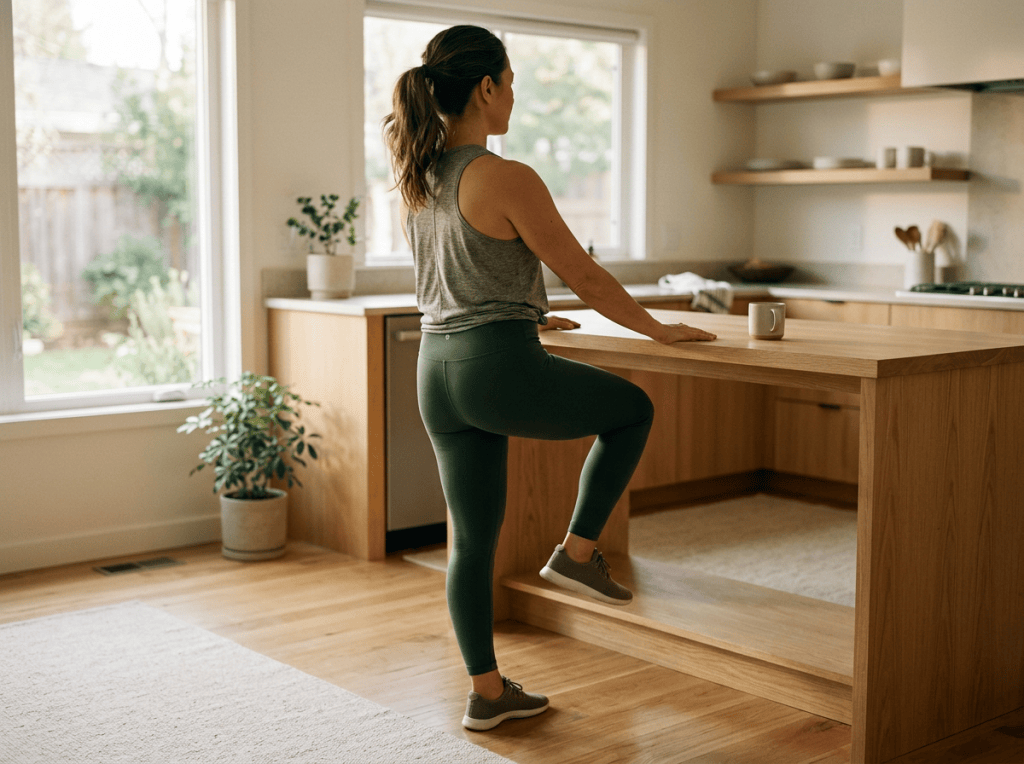


 trim down and shape up
Leave a comment