


Ever wondered why your mind won’t calm down when you try to sleep? Many find it hard to leave the hustle of daily life behind. Creating a regular evening routine is key to moving from a busy day to a restful night.
By setting up certain habits, you tell your brain it’s time to relax. Consistency is the secret to getting good sleep. We’ll look at proven ways to unwind and get your body ready for a good night’s rest.

Sticking to these steps can make you fall asleep quicker and wake up feeling better. Let’s see how these simple steps can improve your sleep.
Key Takeaways
- Consistent evening habits signal your brain to prepare for rest.
- Creating a transition period helps bridge the gap between activity and slumber.
- Evidence-based practices improve the quality of your nightly recovery.
- Small, repeatable actions lead to faster sleep onset.
- Prioritizing your evening routine results in feeling more refreshed each morning.
Understanding the Science of Sleep Hygiene
Your sleep quality is based on a complex system you can learn to control. Sleep hygiene is about the habits and environment that affect your sleep. By improving these, you perfect your body’s recovery.

Your circadian rhythm is like an internal clock. It controls the release of sleep hormones all day and night. When it works well, your body knows when to sleep deeply.
“Sleep is the golden chain that ties health and our bodies together.”
Thomas Dekker
But modern life often messes with this rhythm. Irregular schedules or bad evening habits can make it hard to sleep. Good sleep hygiene helps keep your day and night in sync with your body.
Knowing how your body works is key to a good evening routine. You can change your sleep by making small, thoughtful changes. Consistency is the biggest factor in long-term sleep success.
Dim the lights an hour before bed
Your body uses light to know when it’s time to sleep. When you dim the lights an hour before bed, you tell your body it’s almost time to rest. This simple change helps your body relax and recover.

Why artificial light disrupts your circadian rhythm
Our homes often have bright lights that feel like daytime. Bright overhead lights signal to your brain that it’s not bedtime, delaying melatonin production. This makes it hard to feel sleepy when you should be.
Constant bright light stops your brain from making melatonin. This makes falling asleep harder. By reducing harsh light, your body can follow its natural sleep cycle.
Practical tips for creating a low-light environment
Creating a cozy space for the evening is easy. Start by turning off ceiling lights and using smaller, warmer lights. Soft, amber-colored bulbs make your evening routine more relaxing.
- Use floor lamps or table lamps instead of bright overhead fixtures.
- Install dimmer switches to control the intensity of your lighting.
- Choose warm-toned light bulbs to reduce blue light exposure.
| Lighting Type | Effect on Sleep | Recommended Use |
|---|---|---|
| Cool White LED | High Alertness | Morning/Work |
| Warm Yellow Bulb | Neutral | Evening Reading |
| Dim Amber Light | Promotes Melatonin | Pre-Sleep Routine |
Put your phone away before you feel tired
Stopping late-night scrolling can greatly improve your sleep. It’s key to put your phone away before you actually feel tired. This tells your brain it’s time to stop for the day.
Creating this buffer helps your mind shift from being active to resting. It’s a simple yet effective way to prepare for sleep.

The impact of blue light on melatonin production
Your body needs natural signals to know when to sleep. Sadly, screens emit blue light that can suppress melatonin production. Melatonin is the hormone that controls your sleep-wake cycle.
When you look at screens, your brain thinks it’s daytime. This makes it tough to fall asleep fast. Research shows late-night phone and tablet use delays sleep onset.
Reducing screen time is a simple yet effective step for better health.
Establishing a digital sunset in your home
A “digital sunset” means turning off all devices at a set time each evening. Try to disconnect at least one to two hours before bedtime. This helps calm your mind and body for sleep.
Replace screen time with passive and calming activities. Here are some ideas for your evening:
- Read a physical book or a magazine.
- Listen to a calming podcast or soft instrumental music.
- Practice light stretching or gentle yoga.
- Prepare your outfit or workspace for the next day.
By sticking to these habits, you’ll find it easier to fall asleep. Your sleep quality will likely improve as your body starts producing melatonin again.
Sip a warm, caffeine-free drink
A warm mug of something soothing tells your body it’s time to slow down. It’s like a cup of coffee telling you it’s time to get moving. By sipping a warm, caffeine-free drink, you give your nervous system a gentle signal that the day is ending.

Psychological benefits of a warm evening beverage
Drinking from a warm cup offers a sensory experience that brings you back to the present. This simple act helps you let go of workday stress and focus on rest.
Doing this regularly trains your brain to link the drink’s warmth and smell with sleep. This psychological conditioning makes it easier to fall asleep once you lie down.
Best herbal tea options for relaxation
Not all drinks are good for sleep prep. Avoid caffeine, as it stops sleep chemicals in your brain. Choose herbal teas known for their calming properties instead.
| Tea Type | Primary Benefit | Flavor Profile |
|---|---|---|
| Chamomile | Reduces anxiety | Floral and mild |
| Valerian Root | Promotes deep sleep | Earthy and bold |
| Peppermint | Relaxes muscles | Cool and refreshing |
| Lemon Balm | Improves mood | Citrus and bright |
Stretch or do a few minutes of gentle movement
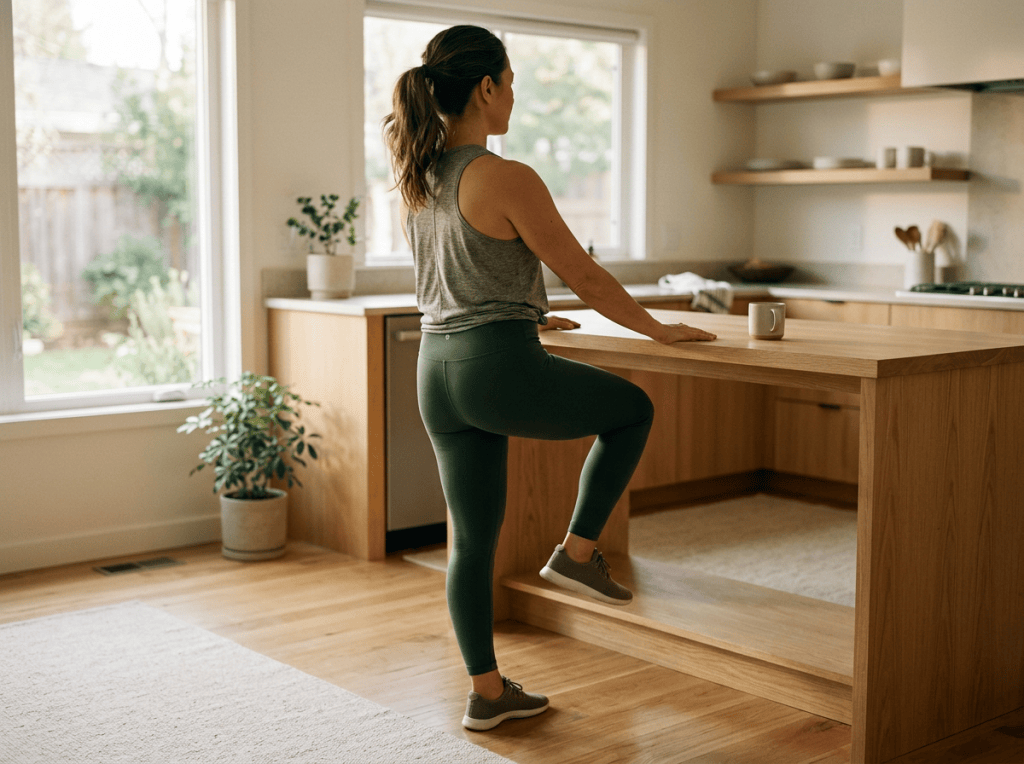
Creating a habit of stretching or doing a few minutes of gentle movement is a great way to relax. High-intensity workouts can keep you awake. But slow, rhythmic movements help lower your heart rate and prepare your body for sleep.

Releasing physical tension from the workday
Your body often holds onto the day’s stress, causing tight muscles and stiff joints. Whether you’re sitting at a desk or on your feet, light stretching before bed can ease physical tension that builds up from sitting at a desk, chasing kids, or standing in the kitchen all day.
Focus on your neck, shoulders, and lower back to feel better right away. This helps prevent discomfort that can keep you awake. Regular evening movement acts as a natural sedative for your muscles.
Simple yoga poses for pre-sleep recovery
You don’t need to be a yoga expert to enjoy it before bed. Simple poses help you relax and stretch. They calm your mind without pushing your body too hard.
Try these three poses in your bedtime routine:
| Pose Name | Primary Benefit | Duration |
|---|---|---|
| Child’s Pose | Relieves back tension | 2 Minutes |
| Legs-Up-The-Wall | Improves circulation | 5 Minutes |
| Cat-Cow Stretch | Increases spinal mobility | 1 Minute |
These poses help you decompress after a long day. Just a few minutes of this routine can make a big difference. It sets a clear boundary between your day and your rest time, leading to a more peaceful night.
Write down tomorrow’s to-do list
If you find it hard to relax at night, it might be because of tomorrow’s tasks. Many people’s minds start racing as soon as they get into bed. By writing down tomorrow’s to-do list, you tell your brain it’s time to stop working.

Clearing your mind of mental clutter
A racing mind is a big reason for sleep troubles. When you keep thinking about your tasks, your brain stays alert. This makes it hard for your body to relax.
Writing down your worries helps clear your mind. It moves your concerns from your head to paper. This can help you feel more organized and calm.
- Reduces the need for constant mental rehearsal.
- Provides a clear starting point for the next morning.
- Creates a psychological boundary between work and rest.
How journaling reduces sleep-onset anxiety
Worrying about tomorrow can keep you awake. You might think you’ll forget something if you stop thinking about it. But thinking about everything left undone just makes you more stressed.
“Writing things down is the first step toward letting them go. When you commit your plans to paper, you give your mind permission to stop working and start recovering.”
Writing down your tasks helps you relax. When you see your tasks on paper, your brain doesn’t need to keep thinking about them. This simple habit lets you sleep better, with a lighter heart.
Cool down your bedroom
If you find it hard to fall asleep, try turning down the thermostat. Your environment greatly affects how well you sleep. By cooling down your bedroom, you make a space that helps your body relax deeply.

The relationship between body temperature and sleep quality
Your body temperature naturally drops as you fall asleep. A room that’s too warm can stop this natural cooling. This cooling signals to your brain that it’s time to sleep.
If your bedroom is too hot, your body might not cool down enough for deep sleep. This is when you need to rest the most.
“The ideal bedroom temperature for most adults is around 65 degrees Fahrenheit, as it supports the body’s natural cooling process during the night.”
Optimizing your thermostat and bedding for comfort
To help your body cool down, keep your bedroom between 60 and 67 degrees Fahrenheit. You can also pick bedding that helps keep you cool. Choose breathable fabrics for better airflow and to avoid overheating.
Here’s a comparison of bedding materials to help you pick the best for your sleep:
| Material | Breathability | Temperature Regulation |
|---|---|---|
| Cotton | High | Excellent |
| Bamboo | Very High | Superior |
| Polyester | Low | Poor |
| Flannel | Medium | Warm |
By adjusting your thermostat and choosing the right sheets, you can sleep better. Consistency is key for a cool environment. Once you find the right temperature, keep it the same every night.
Try a few minutes of deep breathing
Before you sleep, try deep breathing. It’s simple yet powerful. Try a few minutes of deep breathing to signal to your brain that it’s time to relax. This method is easy and helps you transition from a busy day to a peaceful night.

Activating the vagus nerve for relaxation
Even after work, your body might stay in stress mode. But slow, deliberate breathing activates the vagus nerve, which helps shift your body out of stress mode and into a more relaxed state. This nerve helps lower your heart rate and gets your body ready for sleep.
“Breath is the bridge which connects life to consciousness, which unites your body to your thoughts.”
Thich Nhat Hanh
Techniques for rhythmic breathing
Start by lying on your back. Put one hand on your chest and the other on your belly. Inhale slowly through your nose for a count of four, feeling your belly rise.
Exhale gently through pursed lips for a count of six or eight. This extended exhale calms your mind and releases tension. Repeat for five to ten minutes until you feel relaxed and your thoughts fade.
Keep a consistent bedtime
Consistency is key for a good sleep-wake cycle. When you keep a consistent bedtime, your brain knows it’s time to sleep. This helps you fall asleep faster and improves sleep quality.
Maintaining your internal circadian clock
Your body has a timing system. Your body relies on a fairly steady internal clock, called the circadian rhythm, to know when to release sleep hormones and when to wake up. Changing your sleep schedule often is like internal jet lag.
Sticking to a schedule helps your body make melatonin at the right time. This prepares you for deep sleep. Over time, waking up becomes easier and more natural.
Strategies for weekend consistency
It’s hard to keep a routine on weekends, but it’s important for health. Try to keep a consistent bedtime, even on weekends, to avoid Monday morning blues.
Here are some tips to stay consistent on weekends:
- Limit the shift: Keep your weekend wake-up time close to your weekday wake-up time.
- Prioritize morning light: Get outside soon after waking to reset your clock.
- Avoid late-night social traps: Schedule social events for the day to avoid disrupting your sleep.
- Stay active: Do some light exercise during the day to feel tired by bedtime.
Respecting your weekend sleep schedule keeps your energy up. Consistency is the best way to get truly restorative rest all week.
The 8 wind-down rituals that support deeper sleep you should start today
Changing your evenings for better sleep is a small step-by-step journey. Adding eight new habits might seem too much at first. But patience and persistence are key to building a routine that boosts your health.
Integrating these habits into your daily routine
Using habit stacking is the best way to add these rituals to your life. Pick a daily evening task, like brushing your teeth, and add a new habit right after. This makes it easier to remember new habits because they’re linked to ones you already do.
Begin with just two or three habits that fit your life well. Once they’re easy, you can add more. Remember, consistency is more important than intensity. Focus on doing these habits regularly, not perfectly.
Overcoming common barriers to consistency
Life can be unpredictable, and sometimes your routine gets disrupted. If something unexpected happens, don’t give up. Just go back to your habits the next day with a gentle mindset.
If you lose motivation, think about the benefits of better sleep. It improves your mood, thinking, and physical health. Use the table below to help you start a more relaxing evening.
| Habit Category | Initial Strategy | Long-term Goal |
|---|---|---|
| Digital Habits | Set a phone alarm | Automatic digital sunset |
| Physical Prep | Five minutes of stretching | Full restorative yoga |
| Mental Clarity | Write one task down | Complete daily journaling |
| Environment | Adjust thermostat once | Consistent cool climate |
Common mistakes to avoid during your wind-down
Your nightly wind-down is only as good as the choices you make. Even with a perfectly structured routine, some habits can ruin your sleep. Knowing these pitfalls is key to protecting your rest.
Why heavy meals and late-night exercise hinder rest
Eating heavy, spicy, or acidic meals close to bedtime can cause physical discomfort. Your body wants to repair itself, but digestion gets in the way. This prevents you from entering deep sleep.
Also, doing intense exercise at night is not good. Exercise is healthy, but high-intensity workouts raise your body temperature and release adrenaline. This physiological arousal makes it hard to relax and sleep.
Managing stress triggers before hitting the pillow
Not dealing with mental stress before bed is a big sleep barrier. Carrying worries to bed keeps your mind alert. This mental clutter blocks the relaxation you need.
To avoid this, tackle your emotional stress early. Reflecting or writing down your concerns can help you mentally detach from the day. Clearing your mind early lets your brain wind down properly.
Creating a personalized sleep sanctuary
Turning your bedroom into a sleep sanctuary can greatly improve your sleep. By making your bedroom a place for sleep and intimacy only, your brain learns to relax there. This helps you feel calm and ready for sleep.
Removing distractions and creating a peaceful space signals to your body that it’s time to relax. This helps you leave the day’s stress behind. It prepares your mind for a deep, restful sleep.
The role of environment in sleep quality
Your bedroom environment is key to good sleep. Things like light, noise, and temperature affect your sleep. They influence your body’s natural sleep cycle and comfort.
A cluttered or busy room can keep your mind awake. A clean, quiet, and dark space helps your body relax. This makes it easier to fall asleep and stay asleep.
Essential bedroom upgrades for better rest
Small changes can greatly improve your sleep. Using high-quality materials and tools helps keep your sleep space perfect. This is true even when outside conditions change.
- Blackout curtains: These block out streetlights and early sun.
- Breathable bedding: Natural fibers like cotton or bamboo keep you cool.
- White noise machines: They cover up sudden sounds that might wake you.
The table below shows how different upgrades can improve your sleep:
| Upgrade | Primary Benefit | Impact Level |
|---|---|---|
| Blackout Curtains | Blocks light pollution | High |
| Memory Foam Pillows | Supports neck alignment | Medium |
| Smart Thermostat | Maintains cool air | High |
| Weighted Blanket | Reduces anxiety | Medium |
Conclusion
Creating a consistent wind-down routine is key for your long-term health. It helps you control your sleep quality by focusing on quiet activities before bed. This prepares your brain for deep rest.
Small changes can make a big difference over time. You might start by dimming your lights or writing a short list of tasks for the next day. These actions tell your body it’s time to relax.
Remember, patience is important as you change your evening habits. You don’t need to learn everything at once to see improvements. Choose one or two rituals that fit your lifestyle and stick with them.
Your effort to improve your sleep will pay off every morning. You’ll wake up feeling refreshed and ready to tackle your goals. Begin your journey to better sleep tonight and enjoy the benefits of a calm mind.


 trim down and shape up
Leave a comment