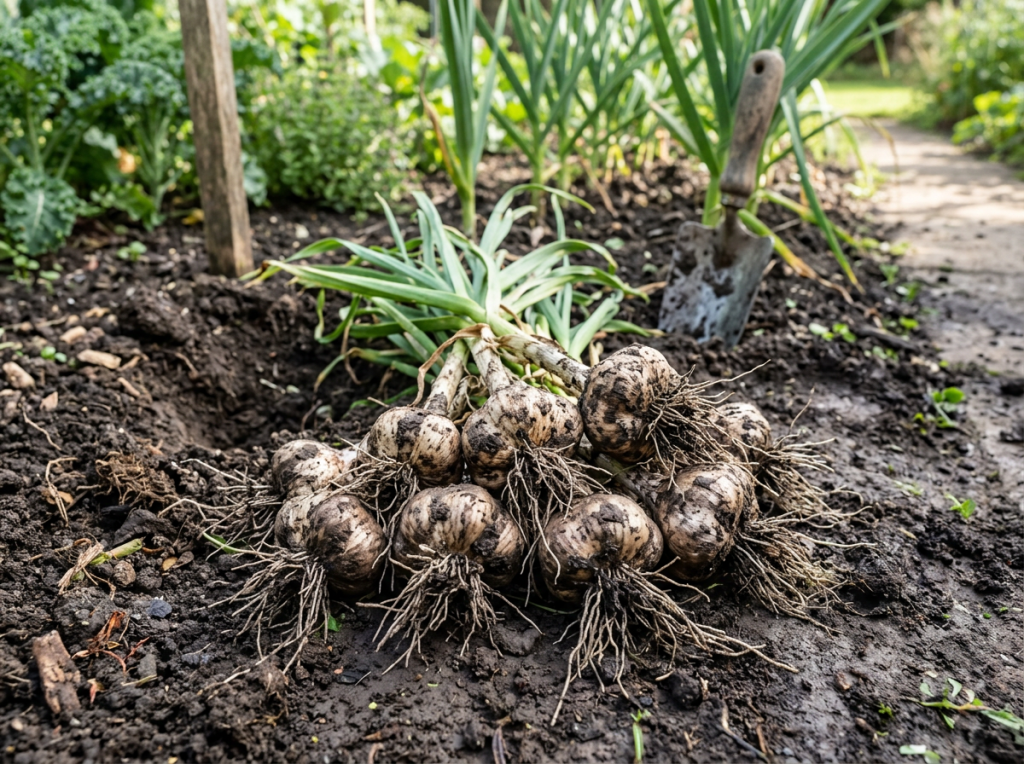


Have you ever wondered why garlic has been a staple in kitchens and medicine cabinets for thousands of years? This pungent bulb has captivated civilizations from the Egyptians to the Greeks, who valued it for its remarkable properties. Hippocrates, the father of Western medicine, famously said, “Let food be thy medicine, and medicine be thy food.” Today, modern science is starting to validate many of these ancient beliefs.
Garlic is not just a flavorful addition to your meals; it also boasts a range of effects that may influence your well-being. Research suggests it can help lower blood pressure and cholesterol levels, making it a powerful ally in your dietary choices. However, before you increase your garlic intake, it’s essential to understand both its benefits and potential downsides.
In this article, you’ll discover the science-backed insights on garlic, including its various forms and how they may affect your body. You’ll also learn about the sulfur compounds responsible for its medicinal properties. By the end, you’ll be equipped with the knowledge to safely incorporate garlic into your routine.

Key Takeaways
- Garlic has been revered for over 5,000 years for its healing properties.
- Modern research supports traditional uses, including its role in reducing blood pressure.
- Different forms of garlic offer varying potencies and effects.
- Understanding the risks is crucial, especially for those on blood thinners.
- Incorporating garlic into your diet can be beneficial if done safely.
Understanding the Potential Health Benefits and Risks of Taking Garlic
For centuries, garlic has held a significant place in culinary and medicinal traditions worldwide. This remarkable bulb, scientifically known as Allium sativum, is part of the onion family. It has been cultivated for its unique flavor and various properties that may support your well-being.
The root bulb is the primary part used medicinally. You can prepare garlic in many ways, including fresh, dehydrated, powdered, or as a steam-distilled oil. Understanding the different forms available is essential for making informed choices about which type might be right for you.
What You Need to Know About Garlic Basics
Garlic has been cherished not just for its taste but also for its various uses. Here are some key points to consider:
- Forms of Garlic: The way you consume garlic can affect its potency. Raw garlic cloves contain the highest levels of active compounds.
- Cooking Effects: Cooking garlic can deactivate the alliinase enzyme, which reduces its medicinal properties, though it still adds flavor.
- Dried Garlic Powder: commonly found in supplements. For these to be effective, they should be enteric coated to protect against stomach acid.
Forms of Garlic: Raw, Supplements, Extracts, and Oils
Garlic is available in various forms, each with unique characteristics:
- Aged Garlic Extract: Soaked in alcohol for 20 months, this form has a milder odor and different chemical properties.
- Garlic Infused Oil: This oil absorbs garlic’s flavor and compounds over time, offering a different experience compared to essential oils.
- Garlic Essential Oil: Made by heating garlic, this oil is potent but should never be applied directly to the skin due to the risk of burns.
Being aware of these differences is crucial. If you switch between garlic products or brands, the effects can vary due to differences in active compound concentrations.

Garlic’s Medicinal Compounds: What Makes It So Powerful?
Garlic is a remarkable bulb, packed with compounds that have been the subject of scientific studies for their impressive effects. When you chop, crush, or chew garlic, you trigger a chemical reaction that forms several beneficial sulfur compounds. These compounds are key to understanding why garlic has been revered for centuries.
The Role of Sulfur Compounds like Allicin
One of the most famous sulfur compounds in garlic is allicin. This compound is formed when alliin, a sulfur-containing amino acid, interacts with the enzyme alliinase. This reaction occurs when the garlic clove’s cell walls are broken down. However, allicin is highly unstable and only exists briefly after garlic is chopped or crushed.
To maximize allicin formation, follow the 10-minute garlic rule. This rule suggests letting chopped or crushed garlic sit for about ten minutes before cooking. This waiting period allows more allicin to form before heat exposure begins to degrade it.
Other Beneficial Compounds: Diallyl Disulfide and S-allyl Cysteine
As allicin breaks down, it transforms into other important sulfur compounds, including diallyl disulfide. Research indicates that this compound significantly contributes to garlic’s cardiovascular effects and antimicrobial properties. Another noteworthy compound is S-allyl cysteine, found in aged garlic extract. This stable compound is known for its antioxidant properties and can support various aspects of well-being without the pungent odor of fresh garlic.
How Garlic Compounds Affect Your Body
Once you consume garlic, these sulfur compounds enter your body through the digestive tract. They travel throughout your body, exerting strong biological effects on multiple organs. The thiosulfinate family, with allicin as the primary member, is responsible for many of garlic’s documented antimicrobial, antioxidant, and other effects.
Understanding how these compounds work helps explain why different garlic preparations can have varying effects on your body. Processing methods directly impact which compounds are present and in what concentrations.

Nutritional Profile of Garlic: Low Calories, High Nutrients
This humble bulb is not just a flavor enhancer but a powerhouse of nutrients. Garlic is incredibly nutritious, offering a variety of vitamins and minerals with very few calories. A single clove, weighing about 3 grams, contains only 4.5 calories, making it an excellent addition to your daily diet.
Important Vitamins and Minerals in Garlic
Garlic provides significant amounts of several essential nutrients:
- Manganese: Each clove contributes to your daily requirements for this trace mineral, which is vital for bone formation and reducing inflammation.
- Vitamin B6: This vitamin plays a crucial role in over 100 enzyme reactions, primarily in protein metabolism and cognitive development.
- Vitamin C: Known for supporting immune function, vitamin C in garlic also aids in collagen production and acts as an antioxidant.
- Selenium: This mineral is essential for thyroid hormone metabolism and protecting your body from oxidative damage.
- Dietary Fiber: Garlic contains fiber, which supports digestive health and helps maintain stable blood sugar levels.
How Garlic Fits Into a Healthy Diet
Incorporating garlic into your meals is simple and beneficial. With only 1 gram of carbohydrates and 0.2 grams of protein per clove, garlic fits seamlessly into various dietary patterns, including:
- Low-carb and ketogenic diets
- Paleo and Mediterranean diets
- Plant-based eating plans
You can easily use garlic as a flavor enhancer, reducing the need for excess salt, sugar, or unhealthy fats in your cooking. Its impressive nutrient density makes it a worthwhile addition to your daily eating pattern.

Garlic’s Role in Supporting Your Immune System Against Illness
Garlic has long been recognized for its unique ability to bolster the immune system. This bulb not only adds flavor to your meals but also plays a significant role in enhancing your body’s defenses against illness.
Research from 2016 provides compelling evidence of garlic’s immune-supporting properties. In a landmark study, participants who took aged garlic extract (AGE) supplements for three months during the cold and flu season reported experiencing less severe symptoms. They also missed fewer days of school or work than those who did not take the supplement.
Evidence for Reducing Severity of Colds and Flu
The immune-boosting effects of garlic appear to work through multiple mechanisms. One of these includes enhancing the activity of natural killer cells, which are crucial for your body’s first line of defense against pathogens. Regular consumption of garlic can reduce the duration and severity of common cold symptoms.
Antiviral Properties of Garlic Compounds
In addition to its immune-enhancing effects, garlic compounds possess direct antiviral properties. Research indicates that these compounds may help prevent viruses from entering your host cells and interfere with their ability to replicate once inside. This dual action makes garlic a valuable tool during cold and flu season.
The aged garlic extract used in clinical studies undergoes a 20-month extraction process. This process transforms harsh, unstable compounds into stable, bioavailable forms. These forms are gentler on your digestive system while retaining immune-supporting properties.
Furthermore, studies suggest that the sulfur compounds in garlic can modulate your immune response. This means garlic helps optimize immune function rather than simply stimulating it. This broad-spectrum effect explains why garlic is associated with various illnesses.
Incorporating garlic into your diet can be an effective strategy for maintaining better overall health, especially during winter months when cold and flu viruses are prevalent. The combination of immune system enhancement and direct antiviral activity makes garlic a unique natural product that addresses both the host and the pathogen simultaneously.

How Garlic May Help Lower and Manage Your Blood Pressure
Understanding how garlic can influence blood pressure is crucial for those concerned about hypertension. This bulb has been studied for its effects on blood pressure, with promising results. According to the World Health Organization, high blood pressure is a major risk factor for cardiovascular diseases, including heart attacks and strokes.
Studies Showing Garlic’s Antihypertensive Effects
A comprehensive review in 2020 highlighted that garlic supplements can effectively reduce blood pressure in individuals with hypertension. Researchers found that this reduction is linked to a 16% to 40% lower risk of serious cardiovascular events. The key player in this process is allicin, a compound in garlic that may limit the production of angiotensin II, a hormone that constricts blood vessels and raises blood pressure.
Moreover, garlic compounds can help relax blood vessels, allowing blood to flow more easily. A 1994 meta-analysis showed significant reductions in blood pressure: a 7.7 mm Hg decrease in systolic pressure and a 5 mm Hg decrease in diastolic pressure when compared to placebo treatments. These findings underscore garlic’s potential as a natural remedy for hypertension.
How Garlic Compares to Blood Pressure Medication
The antihypertensive effects of garlic are comparable to some standard blood pressure medications, but with fewer side effects. This makes garlic a favorable option for those looking to manage their blood pressure naturally. Regular consumption of garlic supplements may help you maintain healthier blood pressure levels over time.
It’s important to note that the benefits of garlic are most pronounced in individuals with elevated blood pressure. For those with normal readings, the effects may be less significant. Nevertheless, incorporating garlic into your daily routine can be a valuable addition to your health strategy, especially if you’re managing hypertension.

The Effect of Garlic on Cholesterol and Heart Disease Risk
Garlic has emerged as a focal point in discussions about cholesterol management and heart disease. Numerous studies have examined its impact on various lipid parameters, providing insights into how it can influence your overall heart health.
Research from 2018 suggests that garlic consumption can lower both total cholesterol and LDL cholesterol, often referred to as “bad” cholesterol. This type of cholesterol contributes to plaque buildup in your arteries, increasing your risk of heart disease. The authors of this review recommend that individuals with high cholesterol incorporate more garlic into their diets.
According to a 2016 study, taking garlic supplements consistently for more than two months could reduce your LDL cholesterol levels by up to 10%. This effect was particularly noted in people who already had slightly elevated cholesterol levels. However, garlic does not seem to significantly affect triglyceride levels, which are another risk factor for heart disease.
Additionally, a 2000 meta-analysis concluded that garlic is superior to placebo in reducing total cholesterol levels. However, the extent of this effect is modest, with reductions of approximately 4% to 6% overall. More recent analyses using standardized dried garlic powder showed significant reductions in total cholesterol by 19.2 mg/dL and LDL cholesterol by 6.7 mg/dL at 8 to 12 weeks of treatment.
It’s important to note that the cholesterol-lowering effects of garlic may not be sustained indefinitely. Studies indicate that reductions observed at eight to twelve weeks were not maintained at six months of treatment. This could be due to adherence issues or time-dependent effects.
Garlic does not appear to have a significant effect on HDL cholesterol, the “good” cholesterol that helps remove excess cholesterol from your bloodstream. Therefore, you should not rely solely on garlic to optimize this important lipid parameter.
The effect of garlic on triglyceride levels remains inconsistent across studies. Some research shows modest reductions, while others find no significant impact on this particular risk factor for heart disease.
For supporting your overall heart health, garlic appears to work best as part of a comprehensive approach. This includes a balanced diet, regular physical activity, and appropriate medical management of your cholesterol levels.

Antioxidant Properties of Garlic and Cognitive Health
Many are unaware that garlic may play a crucial role in protecting your brain from age-related decline. This bulb is not just a culinary favorite; it also contains a variety of antioxidants that can support your cognitive function. Understanding how oxidative stress affects your brain is vital for maintaining mental sharpness as you age.
Protecting Against Oxidative Damage and Dementia
Oxidative damage caused by free radicals is a fundamental driver of the aging process. This damage significantly contributes to cognitive decline, affecting your memory and overall brain function over time. Garlic contains a diverse array of antioxidants that help neutralize harmful free radicals, offering a protective shield for your brain cells.
Research from 2016 suggests that the antioxidants found in garlic may significantly reduce oxidative stress throughout your body. This reduction could lower your risk of developing neurodegenerative diseases, including Alzheimer’s disease, the most common form of dementia.
The Potential for Preventing Alzheimer’s Disease
Animal studies have demonstrated that allicin, garlic’s primary bioactive compound, may help protect against cognitive decline. It does this by reducing brain inflammation and preventing the accumulation of damaging proteins associated with neurodegeneration. Some clinical studies have even found that garlic supplements provide direct benefits to individuals diagnosed with Alzheimer’s disease.
While the evidence for garlic’s cognitive effects is promising, more human research is needed. Regular consumption of garlic as part of an antioxidant-rich diet may help you maintain better cognitive function as you age. This can potentially slow the progression of age-related mental decline.
The combination of direct antioxidant activity and indirect effects on inflammation and circulation makes garlic a multifaceted candidate for supporting long-term brain health and cognitive function.

Can Garlic Help You Live Longer? Exploring Longevity Benefits
Could incorporating garlic into your diet be a key to a longer life? The connection between garlic consumption and longevity is an intriguing area of study. Research suggests that this humble bulb may offer more than just flavor; it might also help extend your lifespan.
A compelling 2019 Chinese study found that older adults who consumed garlic at least once per week lived longer than those who ate it less frequently. This epidemiological evidence hints at garlic’s potential lifespan-extending properties. However, proving that any single food can directly extend human lifespan is extremely difficult due to the complexity of research on longevity.
Research Linking Garlic Consumption and Lifespan
While direct evidence of garlic’s impact on lifespan is hard to establish, the cumulative findings regarding its protective effects against major chronic diseases strongly suggest longevity benefits. Garlic is well-documented for its ability to lower blood pressure and improve cholesterol levels. These factors directly address some of the most common causes of premature death in the United States and worldwide.
Garlic’s Protective Effects Against Chronic Disease
The protective effects of garlic against infectious diseases are particularly relevant for longevity. Infections remain common causes of death, especially in older adults or those with weakened immune systems. By reducing your risk of developing multiple chronic diseases simultaneously, garlic may help you avoid the cumulative burden of illness that often shortens lifespan.
Moreover, garlic’s antioxidant and anti-inflammatory properties address fundamental aging processes at the cellular level. This action could potentially slow the biological aging that underlies many age-related diseases. You should view garlic as one component of a longevity-promoting lifestyle, with its benefits being most pronounced when combined with a healthy diet, regular exercise, and other positive health behaviors.
Additionally, garlic has been associated with a reduced risk of stomach and colon cancer in various studies. Since cancer is a leading cause of death worldwide, this aspect adds another dimension to its potential longevity benefits. Regular garlic consumption may help you maintain better health into your later years, potentially extending not just your lifespan but also your healthspan—the period of life spent in good health free from chronic disease.
Garlic and Athletic Performance: What Does the Research Say?
Throughout history, garlic has been celebrated not just for its flavor but also for its role in enhancing physical performance. Ancient civilizations recognized its value, using it to reduce fatigue and improve laborers’ work capacity. In fact, the original Olympic athletes in ancient Greece reportedly consumed garlic before competitions, believing it would enhance their endurance.
While garlic’s historical use as a performance enhancer is well-documented, modern studies present a more complex picture. Although animal studies, particularly in mice, have shown promising results for garlic’s ability to improve exercise performance, human research remains limited. The findings are not yet conclusive enough to make definitive recommendations.
Historical Uses of Garlic for Endurance
Garlic holds a unique place in history as one of the earliest known performance-enhancing substances. Ancient laborers used it to boost their stamina during demanding physical tasks. The belief in garlic’s endurance-enhancing properties persisted through time, influencing athletes across cultures.
Modern Studies on Exercise and Recovery
A recent 2023 study investigating garlic’s effects on cycling performance found that it did not improve cyclists’ times in a 40-km time trial. This suggests that garlic may not provide direct ergogenic benefits for endurance exercise. However, the same study indicated that garlic might have reduced exercise-related oxidative stress and muscle damage.
The antioxidant compounds in garlic may help your body manage the increased oxidative stress that occurs during intense physical activity. This could potentially reduce muscle soreness and accelerate recovery between training sessions. You should approach claims about garlic’s athletic performance benefits with appropriate skepticism, given the limited human evidence.
Ultimately, while the historical use of garlic for endurance and the promising animal research warrant further investigation, more well-designed human trials are needed. If you choose to experiment with garlic for athletic purposes, be aware that gastrointestinal side effects could potentially hinder your performance, especially if consumed in large amounts immediately before exercise.
Detoxifying Heavy Metals: Garlic’s Protective Role
Garlic has a remarkable ability to detoxify your body from harmful substances. This bulb is not only a culinary staple but also a powerful ally in reducing toxic metal levels in your system.
The sulfur compounds in garlic, particularly allicin, have demonstrated a remarkable ability to protect your body against organ damage caused by heavy metal toxicity when consumed at sufficiently high doses. These compounds work by binding to heavy metals like lead in your bloodstream and tissues, facilitating their removal from your body through natural detoxification pathways.
How Garlic Reduces Lead and Other Toxic Metals
A groundbreaking 2012 study conducted among employees at a car battery plant with excessive occupational lead exposure found that garlic supplementation reduced blood lead levels by an impressive 19%. The same study documented that garlic not only reduced blood lead levels but also significantly alleviated many clinical signs of toxicity, including persistent headaches and elevated blood pressure that resulted from chronic lead exposure.
Clinical Evidence of Garlic’s Detoxification Effects
In a striking finding, three doses of garlic per day outperformed the pharmaceutical drug D-penicillamine, a standard medication used for heavy-metal chelation therapy, in reducing symptoms of lead toxicity. This evidence highlights garlic’s potential as a natural remedy for those exposed to heavy metals.
Moreover, the protective effects of garlic against heavy metal toxicity extend beyond just lead. Research suggests potential benefits against other toxic metals, including cadmium and mercury, that can accumulate in your body from environmental exposures.
You should understand that the detoxification benefits of garlic have been demonstrated primarily in populations with known heavy metal exposure. The relevance for the general population with typical environmental exposures requires further study.
The ability of garlic to reduce heavy metal burden in your body represents one of its most unique and clinically significant advantages. Regular garlic consumption may offer protective effects for people living in areas with higher levels of environmental heavy metal contamination or for those at occupational risk of exposure. However, you should always follow workplace safety protocols as your primary protection.
Bone Health and Garlic: Emerging Evidence
Recent studies have started to explore the intriguing effects of garlic on bone strength and joint health. This area of research is particularly relevant for postmenopausal women, who face a higher risk of bone density loss due to hormonal changes.
Effects of Garlic on Osteoporosis and Joint Pain
A clinical trial published in 2017 demonstrated that garlic supplementation can reduce oxidative stress that contributes to the development of osteoporosis. Participants took garlic tablets equivalent to approximately 2 grams of fresh garlic per day.
The connection between oxidative stress and bone health is well-established. Free radical damage can disrupt the balance between bone formation and resorption, impacting your skeletal strength over time.
In another 2018 study, researchers found that 12 weeks of garlic supplementation at 1 g/day significantly reduced pain in women with knee osteoarthritis, particularly those who were overweight or obese.
Studies Focused on Women and Aging Populations
The pain-reducing effects observed in the osteoarthritis study suggest that garlic’s anti-inflammatory properties may benefit joint health, particularly in weight-bearing joints such as the knees.
It’s important to note that the research on garlic and bone health is still in its early stages. While initial findings are promising, more extensive human studies are needed before definitive recommendations can be made.
Given that osteoporosis affects approximately one in two women over age 50 in the United States, this research is particularly significant. Garlic’s potential effects seem to stem from its antioxidant and anti-inflammatory properties rather than direct hormonal mechanisms, setting it apart from conventional osteoporosis treatments.
If you are concerned about osteoporosis or joint pain, garlic may offer a safe, accessible complementary approach to support your bone health. This can be done alongside established interventions such as adequate intake of calcium and vitamin D and weight-bearing exercise.
Ways to Safely Include Garlic in Your Diet
Incorporating garlic into your meals can be both easy and rewarding. This flavorful ingredient complements a wide range of savory dishes, enhancing both taste and nutrition. From soups and stews to stir-fries and roasted vegetables, garlic adds a distinctive punch that can elevate your culinary creations.
To get started, consider this simple method: press a few fresh cloves with a garlic press. Mix them with extra virgin olive oil and a pinch of salt to create a nutritious salad dressing that requires no cooking. This quick recipe lets you enjoy garlic’s robust flavor while reaping its benefits.
To maximize the medicinal properties of garlic, remember the 10-minute rule. After chopping or crushing garlic, let it sit for about ten minutes before cooking. This waiting period allows for the formation of allicin, the beneficial compound that provides many of garlic’s advantages.
You can choose from various forms of garlic depending on your needs. Whole fresh cloves offer maximum potency, while smooth garlic pastes provide convenience. Dried powder has excellent shelf stability, and garlic oil delivers a milder flavor for dressings and marinades.
The ingestion of one to two cloves of raw garlic per day is considered safe for most adults. This amount provides a meaningful dose of the active compounds responsible for garlic’s positive effects.
Garlic pairs beautifully with herbs like rosemary, thyme, oregano, and basil. It also complements acidic ingredients like lemon juice and vinegar, which can help balance its strong flavor in your recipes.
For a milder taste, try roasting whole garlic bulbs. This process transforms them into a sweet, spreadable paste that is enjoyable even for those sensitive to raw garlic’s intensity. Spread it on bread, mix it into mashed potatoes, or blend it into sauces for added depth.
Adding garlic to your morning routine is also simple. Incorporate it into scrambled eggs, avocado toast, or savory oatmeal to ensure you consume garlic consistently throughout your week.
If raw garlic is too intense for your palate, consider using fermented black garlic. This alternative offers a unique flavor profile with sweet, molasses-like notes while retaining many of the beneficial compounds found in fresh garlic.
Common Side Effects and Risks of Taking Garlic
While garlic is widely praised for its culinary and medicinal uses, it also comes with certain side effects that you should be aware of. Understanding these effects can help you make informed decisions about incorporating garlic into your diet.
Breath and Body Odor
The most common and socially noticeable side effect of consuming garlic is the characteristic breath and body odor. This odor results from sulfur compounds being absorbed into your bloodstream and released through your lungs and skin pores.
Garlic breath can persist for hours after eating and is notoriously difficult to mask completely. The odor-causing compounds are released from your body rather than lingering in your mouth, making them harder to eliminate.
Gastrointestinal Issues and Allergic Reactions
Consuming excessive amounts of raw garlic, particularly on an empty stomach, can lead to significant gastrointestinal upset. This includes symptoms like nausea, bloating, flatulence, and changes in your intestinal flora that may cause digestive discomfort.
Some individuals have true allergies to garlic. Symptoms can range from mild skin rashes and itching to more serious reactions. Those allergic to other allium vegetables, like onions and leeks, may be at higher risk.
You should never apply fresh raw garlic directly to your skin. It contains potent chemicals that can cause serious chemical burns, blisters, and allergic dermatitis, with some reported cases requiring medical attention.
Similarly, 100% pure garlic essential oil should never be applied undiluted to your skin. Always mix it with a carrier oil, cream, or lotion to prevent severe irritation and burns.
The gastrointestinal side effects of garlic are typically dose-dependent. You may minimize discomfort by starting with small amounts and gradually increasing your intake as your digestive system adapts.
People with gastroesophageal reflux disease (GERD) may experience worsened symptoms when increasing their garlic intake. Garlic can relax the lower esophageal sphincter and trigger heartburn in susceptible individuals.
While most side effects of garlic are mild and self-limiting, you should discontinue use and consult your healthcare provider if you experience persistent or severe reactions after consuming garlic or using garlic products.
Precautions When Using Garlic Supplements
When considering garlic supplements, it’s essential to be aware of specific precautions that can impact your health. While garlic is celebrated for its numerous properties, it can also affect your blood’s ability to clot. This makes it crucial to consult with a healthcare provider if you have any underlying conditions or are taking medications.
Interactions with Blood Thinners and Medications
Garlic has significant antithrombotic properties that affect your blood’s ability to clot properly. Therefore, if you are taking blood-thinning medications such as warfarin, clopidogrel, or aspirin, you must exercise caution. The combined effect of these drugs and garlic can increase your risk of bleeding complications.
Risks for People with Bleeding Disorders and Before Surgery
If you have any type of bleeding disorder, consult your healthcare provider before increasing your garlic intake. The antiplatelet activity of garlic could heighten your risk of dangerous bleeding events. It is strongly recommended that you stop taking high doses of garlic at least 7 to 10 days before any scheduled surgery or invasive medical procedure. Garlic can prolong bleeding time and increase the risk of surgical bleeding.
A concerning case report documented a spontaneous spinal epidural hematoma associated with garlic consumption, highlighting the serious potential consequences of garlic’s blood-thinning effects in susceptible individuals.
Considerations for Pregnancy and Breastfeeding
The safety of garlic supplementation during pregnancy is not well established. It is currently unknown whether garlic could affect pregnancy outcomes or cause harm to a developing fetus, so caution is warranted. Garlic compounds pass into breast milk, and while dietary amounts are likely safe, the effects of concentrated garlic supplements on nursing infants have not been adequately studied. Discuss supplementation with your healthcare provider if you are breastfeeding.
Always inform your healthcare provider about all supplements you are taking, including garlic, before any medical procedure or when starting new medications to avoid potentially dangerous interactions. The antithrombotic effects of garlic are dose-dependent, meaning that occasional dietary use poses minimal risk for most people. However, concentrated supplements and high doses require more careful consideration of these risk factors.
Choosing the Right Garlic Products for You
Navigating the diverse array of garlic products available can be quite challenging. With various forms and brands on the market, it’s essential to understand what makes each one unique. This knowledge will help you select the right garlic products that align with your needs.
Garlic is available as a dietary supplement and in products applied to the skin. However, these products cannot be marketed to treat or cure any disease. The amount of active compounds in garlic can vary significantly between brands and even between batches of the same brand. This variability is influenced by factors such as where the garlic was grown, weather conditions during growth, harvest timing, and post-harvest processing methods.
Variability in Supplements and Essential Oils
When choosing garlic products, be aware that the concentration of active compounds can differ widely. If you switch to a new bottle or a different brand, you may not experience the same effects or side effects. The FDA does not test garlic supplements to confirm their ingredient content. Therefore, it is crucial to select reputable products from manufacturers that prioritize quality control.
What to Look for in Labeling and Dosages
To ensure you’re choosing the right garlic supplement, consider the following:
- Quality Assurance: Look for garlic supplements tested by independent third-party organizations like USP, NSF International, or ConsumerLab. These certifications confirm that products contain the listed ingredients and are free from harmful contaminants.
- Standard Dosages: The recommended dosage for raw garlic is 4 grams per day, which is about one to two fresh cloves. For dried garlic powder, the typical recommendation is one 300-mg tablet standardized to yield 1.3 percent alliin or 0.6 percent allicin, taken two to three times per day.
- Aged Garlic Extract: This form has a different dosing recommendation of 7.2 grams per day, reflecting its unique chemical composition and bioavailability.
- Garlic Oil Products: Understand the difference between infused cooking oils and essential oils for aromatherapy. Never ingest undiluted essential oils or apply them directly to your skin without proper dilution.
By being informed about the various garlic products available, you can make better choices that align with your health goals. Whether you prefer raw garlic, supplements, or oils, understanding the differences among them is key to reaping the most benefits.
Conclusion
Garlic has been revered for its distinct flavor and notable characteristics across many civilizations. After exploring extensive scientific evidence, you can feel confident that garlic offers genuine, research-backed advantages that extend far beyond its culinary role.
The most well-supported advantages include its ability to support your immune system against common illnesses like colds and flu. It may also help lower and manage your blood pressure while improving your cholesterol levels, reducing heart disease risk.
Garlic’s powerful sulfur compounds, particularly allicin, are responsible for many effects, delivering antioxidant, anti-inflammatory, and cardiovascular properties. However, if you take blood thinners or have a bleeding disorder, consult your healthcare provider before increasing your garlic intake.
Incorporating one to two cloves of fresh garlic per day or an equivalent supplement dose is generally safe and may contribute meaningfully to your long-term well-being. Remember, garlic works best as part of a comprehensive approach to a healthy lifestyle.




Leave a Reply