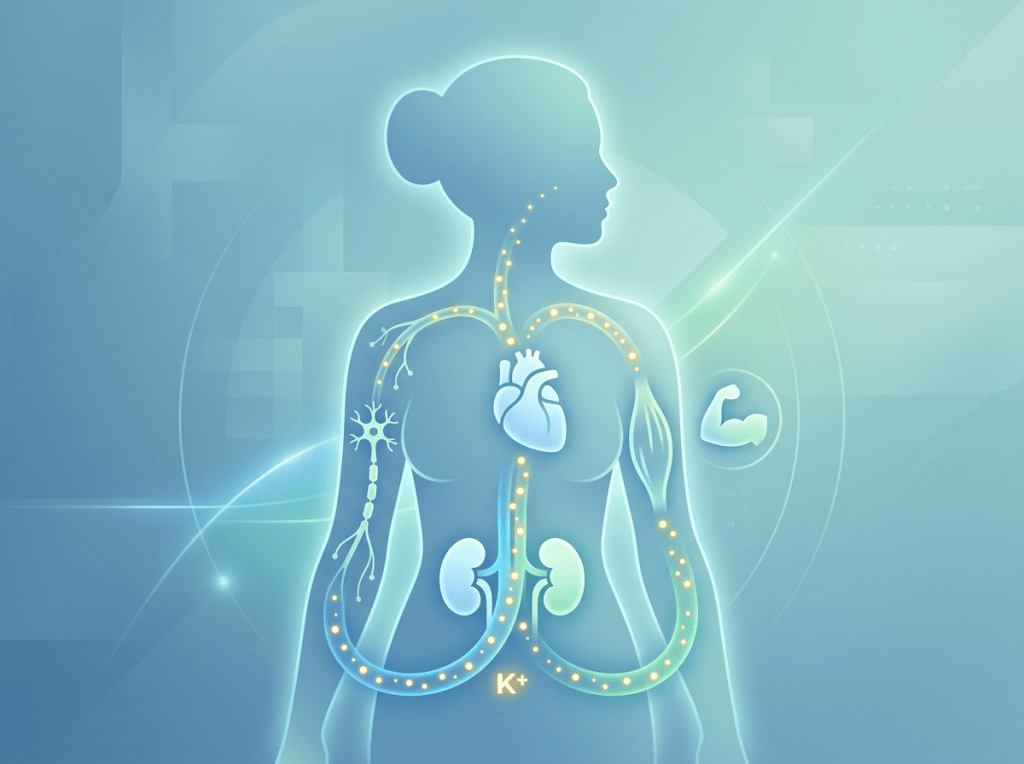


Did you know nearly 1 in 5 adults might not get enough potassium? This important mineral helps keep our bodies healthy. If potassium levels fall between 3.5 and 5.1 mEq/L, it’s called hypokalemia. This condition often goes unnoticed until serious symptoms show up.
Potassium is key for our heart and muscles. A small drop might not cause any problems. But a big drop can lead to lightheadedness, abnormal heart rhythms, and even fainting. In the worst cases, it can cause paralysis or cardiac arrest.
It’s important to know the early signs of low potassium. These symptoms are often missed. This article will cover the eight main symptoms, who’s at risk, when to get urgent care, and how to get your levels back in balance. By spotting these signs early, you can protect your health.

Key Takeaways
- Low potassium can lead to serious health issues.
- Early symptoms are often overlooked.
- Regular dietary intake of potassium is essential.
- Recognizing symptoms can help in timely intervention.
- Severe cases require immediate medical attention.
Why Potassium Matters for Your Body
Potassium is vital for your body’s smooth operation. It’s an essential electrolyte that plays a key role in many processes. It helps keep your heart rhythm steady, moves your muscles, and supports healthy blood pressure.
Electrolytes, like potassium, carry an electric charge in body fluids. This mineral is the main positively charged ion inside cells. It helps regulate various functions. The sodium-potassium pump is key to maintaining high potassium levels in cells.
The kidneys also play a big role in potassium balance. They remove excess potassium through urine. This keeps potassium levels healthy. Most of our potassium comes from what we eat, and a small drop can cause symptoms.
Remember, your body tells you when potassium levels are off. Knowing these signs can help you act before serious health problems start.
“Potassium is essential for the proper functioning of nerves and muscles.”
| Function | Importance | Effects of Deficiency |
|---|---|---|
| Heart Rhythm | Maintains steady heartbeat | Irregular heartbeat |
| Muscle Movement | Facilitates muscle contractions | Weakness and cramps |
| Blood Pressure | Helps regulate blood pressure | Hypertension |

8 Signs Your Potassium Is Too Low
Knowing the signs of low potassium is vital to staying healthy. Potassium is important for many body functions. A lack of it can cause serious health problems. Here are eight signs that your potassium levels might be too low.
1. Extreme Tiredness and a General Feeling of Being Unwell
What It Feels Like
Feeling extremely tired, even after resting, is a sign. You might find it hard to do simple tasks. This feeling can be frustrating and make you feel helpless.
Why Low Potassium Triggers It
Potassium helps muscles work and gives you energy. When potassium is low, muscles don’t work as well. This leads to feeling tired all the time.
2. Constipation
What It Feels Like
Constipation means hard stools and infrequent bowel movements. You might also feel bloated or uncomfortable in your stomach.
Why Low Potassium Triggers It
The digestive system needs potassium to move food through the system. Without enough, it can’t move food well. This makes stools harder to pass.
3. Muscle Weakness and Spasms
What It Feels Like
Feeling weak in your arms or legs is common. It’s hard to lift things that should be easy. You might also get muscle twitches or spasms.
Why Low Potassium Triggers It
Potassium helps muscles know when to move and when to relax. Without enough, muscles can’t do this right. This leads to weakness and spasms.
4. Muscle Cramps, Often in the Legs
What It Feels Like
Muscle cramps can happen suddenly, often in your legs. They can last a few seconds or minutes and leave your muscles sore.
Why Low Potassium Triggers It
Low potassium messes up how muscles work. This imbalance can cause long, painful muscle contractions, mainly in your legs.
5. Tingling or Numbness
What It Feels Like
You might feel a pins-and-needles feeling or numbness in your hands or feet. These feelings can last a while and are concerning.
Why Low Potassium Triggers It
Potassium is key for nerve health. Without enough, nerves can’t communicate well. This can cause tingling and numbness.
6. Heart Palpitations
What It Feels Like
Heart palpitations feel like your heart is racing or skipping beats. You might feel a fluttering in your chest. These feelings can happen when you’re resting or active.
Why Low Potassium Triggers It
The heart needs potassium to beat right. Without enough, it can’t beat properly. This can cause arrhythmias, some of which are serious.
7. Excessive Urination and Thirst
What It Feels Like
Going to the bathroom frequently and feeling thirsty all the time are signs. You might wake up a lot at night to use the bathroom. This can mess up your sleep.
Why Low Potassium Triggers It
The kidneys need potassium to work right. Without enough, they can’t make concentrated urine. This means you’ll urinate more and feel thirsty all the time.
8. Difficulty Breathing, Irregular Heartbeat, and Severe Muscle Weakness
What It Feels Like
Having trouble breathing and feeling like your heart is beating wrong is scary. You might also feel very weak. In severe cases, this weakness can lead to paralysis.
Why Low Potassium Triggers It
Potassium is vital for breathing muscles. Without enough, they can’t work right. This can make it hard to breathe and is a serious emergency.

| Sign | Description | Why It Happens |
|---|---|---|
| Extreme Tiredness | Feeling drained despite rest | Impaired muscle contraction and nutrient utilization |
| Constipation | Infrequent, hard bowel movements | Weak peristalsis due to low potassium |
| Muscle Weakness | Heaviness and difficulty lifting | Impaired nerve signal transmission |
| Muscle Cramps | Sharp, involuntary tightening | Disrupted contraction-relaxation cycle |
| Tingling or Numbness | Pins-and-needles sensation | Disrupted nerve communication |
| Heart Palpitations | Fluttering or extra-beat sensation | Disrupted electrical signaling in the heart |
| Excessive Urination | Frequent trips to the bathroom | Impaired kidney function |
| Difficulty Breathing | Struggling to catch your breath | Weak respiratory muscles |
Knowing these signs can help you take care of your health. If you notice any of these symptoms, see a doctor for help.
Who Is Most at Risk for Low Potassium
Knowing who is at risk for low potassium is key to staying healthy. Some groups face a higher risk due to medications and health conditions. Federal guidelines highlight a few groups that need to watch their potassium levels closely.
People on Thiazide Diuretics
Those on thiazide diuretics are at high risk. These drugs are often used to treat high blood pressure. They cause the kidneys to lose more potassium in the urine. The NIH notes that millions of Americans take these drugs, making it important to check potassium levels.
People with Inflammatory Bowel Disease
People with inflammatory bowel disease (IBD) are also at risk. Conditions like Crohn’s disease and ulcerative colitis cause chronic diarrhea. This can lead to serious health problems if not managed.
Other Common Risk Factors
Other factors can also lower potassium levels. These include:
- Vomiting
- Laxative misuse
- Eating disorders such as bulimia
- Excessive sweating
- Chronic kidney disease
- Low magnesium levels
- Adrenal disorders like Cushing syndrome and primary aldosteronism
- Certain antibiotics and corticosteroids
- Rare genetic conditions such as Bartter syndrome and Gitelman syndrome
Being aware of these risk factors can help you stay healthy. If you’re in one of these groups, talk to your doctor about your potassium intake.

When to Seek Urgent Care
Knowing when to go to urgent care for low potassium levels is key for your health. Some symptoms mean you need to see a doctor right away. If you notice any of these signs, call your healthcare provider without delay.
Warning Signs That Need Immediate Attention
- Heart palpitations or irregular heartbeat: These can signal an arrhythmia, which may lead to cardiac arrest.
- Difficulty breathing: This symptom can indicate severe potassium deficiency that affects the respiratory muscles.
- Severe muscle weakness: If this progresses to paralysis, it can be life-threatening.
- Lightheadedness or fainting: These symptoms can result from abnormal heart rhythms caused by low potassium.
- Persistent vomiting or diarrhea: If these symptoms last more than one to two days, seek medical care right away.
It’s important to monitor your health, especially if you’re on diuretics. If you start feeling new cramps, palpitations, or extreme tiredness, tell your doctor at your next visit. Even if these symptoms seem minor, it’s better to be safe.
Guidance from Cleveland Clinic and StatPearls
The Cleveland Clinic says to get medical help if you’ve had vomiting or diarrhea for more than a day or two. This is because a big drop in blood potassium can cause serious problems. These include abnormal heart rhythms, which are a big risk for people with heart issues.
StatPearls notes that signs like heart rhythm problems, breathing issues, or paralysis are urgent. Remember, a simple blood test can check your potassium levels. Don’t ignore your body’s warnings; they could save your life.

How Low Potassium Is Confirmed
Checking for low potassium levels is easy and starts with a blood test. Your doctor will order this test to measure your potassium levels. This test can be done the same day you have your blood drawn.
Other tests might also be done to check for other health issues. These include tests for glucose, magnesium, and calcium. They also check for sodium, phosphorus, thyroid hormone, and aldosterone levels. An electrocardiogram (ECG) and a urine test can also be part of the assessment.
The Simple Blood Test
The normal potassium range is 3.5 to 5.1 mEq/L. If your level is lower, you might have a deficiency. Levels below 3.0 mmol/L are considered severe.
What Your Results Mean
| Potassium Level | Classification | Implications |
|---|---|---|
| 3.5 – 5.1 mEq/L | Normal | No action needed |
| 3.0 – 3.4 mEq/L | Mild Low | Monitor and adjust diet |
| Below 3.0 mEq/L | Moderate to Severe | Urgent medical attention required |

What to Do to Restore Your Potassium Balance
Keeping your potassium levels balanced is key for your health. Low potassium can cause serious heart problems. So, it’s important to treat it carefully and with a doctor’s help. Here’s how to get your potassium levels back on track.
Talk to Your Doctor First
Always talk to your doctor before changing your potassium intake. Trying to fix it yourself can be risky. Your doctor will check how low your potassium is and find out why. They’ll then suggest the best treatment for you.
Adjust Your Diet
Eating foods high in potassium is a safe way to boost your levels. For mild cases, changing your diet is often the first step. Foods like bananas, oranges, potatoes, and spinach can help. Here’s a list of some foods rich in potassium:
| Food Item | Potassium Content (mg per serving) | Serving Size |
|---|---|---|
| Banana | 422 | 1 medium |
| Sweet Potato | sweet potato | 1 medium |
| Spinach | 839 | 1 cup cooked |
| Avocado | 975 | 1 medium |
| Potatoes | 926 | 1 medium |
Consider Supplements Only Under Medical Guidance
If food changes don’t work, your doctor might suggest supplements. But always take them as directed by your doctor. Too much potassium can harm your heart. For mild cases, pills might be prescribed. In serious cases, you might need potassium given through an IV in the hospital.
If you’re on diuretics, your doctor might change your medication. They might give you potassium pills or switch you to a different diuretic. Always listen to your doctor to stay safe and healthy.

Daily Potassium Targets and Why Most Americans Fall Short
Knowing how much potassium you need is key to staying healthy. Your body’s potassium needs change based on several things. These include where you live, how active you are, and what you eat.
The National Institutes of Health say adults need 3400 mg of potassium per day for men and 2600 mg for women.
Recommended Daily Intake for Men and Women
These guidelines show how important potassium is in your diet. But your needs can be different. For example, if you’re very active or live in a hot place, you might need more potassium.
It’s important to consider your own situation to determine how much you need.
Why Most Americans Don’t Get Enough
Most Americans don’t get enough potassium. This is because they often eat processed foods that are low in potassium and high in sodium. This can cause health problems like high blood pressure and muscle weakness.
Also, many people take medicines for high blood pressure. These medicines, such as thiazide diuretics, can make it harder to maintain adequate potassium levels in your body. They help your body get rid of more potassium in your urine.
To help, try eating more potassium-rich foods. This can help your heart, muscles, and overall health.

Potassium-Rich Foods to Add to Your Diet
To keep your potassium levels healthy, add potassium-rich foods to your diet. These foods help prevent deficiency and support your body’s functions. Potassium is key for a steady heartbeat, muscle movement, and healthy blood pressure. Here are some great foods to add to your meals.
Top Food Sources
- Avocados: Creamy and nutritious, avocados are an excellent source of potassium.
- Baked Potatoes: A simple baked potato is not only filling but also rich in potassium.
- Bananas: This popular fruit is a well-known potassium powerhouse.
- Bran: High in fiber, bran also contributes significantly to your potassium intake.
- Carrots: Crunchy and sweet, carrots are great for snacking and cooking.
- Cooked Lean Beef: A good source of protein and potassium, lean beef can be a hearty addition to your meals.
- Milk: This staple beverage provides potassium along with calcium.
- Oranges: Juicy and refreshing, oranges are not just delicious but also nutritious.
- Peanut Butter: A favorite spread, peanut butter is packed with potassium.
- Peas and Beans: These legumes are versatile and rich in potassium.
- Salmon: This fatty fish is not only healthy but also loaded with potassium.
- Seaweed: A lesser-known source, seaweed is rich in nutrients, including potassium.
- Spinach: Leafy greens like spinach are excellent for boosting your potassium levels.
- Tomatoes: Whether fresh or cooked, tomatoes add flavor and potassium to your diet.
- Wheat Germ: A nutritious addition to cereals and smoothies, wheat germ is also potassium-rich.
Simple Ways to Include Them Daily
Adding these foods to your daily meals is easy and fun. Here are some tips:
- Add a banana to your breakfast or smoothie for a quick potassium boost.
- Include spinach in your salads or blend it into smoothies for added nutrition.
- Snack on avocado or spread peanut butter on whole-grain toast for a healthy treat.
- Incorporate beans into soups, stews, or salads for a hearty meal.
- Choose baked potatoes as a side dish instead of fries.
- Drink milk with meals to effortlessly increase your potassium intake.
Making small, consistent dietary changes can significantly enhance your potassium levels. Remember, a balanced diet rich in whole foods is the best long-term strategy for maintaining healthy potassium levels.

Conclusion
Knowing the 8 signs your potassium is too low is key to good health. Low potassium can mess with muscles, digestion, and heart health. Symptoms like tiredness, constipation, and irregular heartbeats can really affect your day.
Spotting these signs means you can do something about it. If you see any, and you’re on diuretics or have digestive problems, talk to your doctor. A blood test can show your potassium levels and help you move forward.
Getting your potassium levels right is possible with diet changes and doctor advice. Eating foods high in potassium can stop problems. It’s important to address the underlying cause of low potassium to treat it effectively.
By taking the right steps, you can keep your potassium levels in balance. Stay up to date with your health and eat a balanced diet to keep potassium levels right.




Leave a Reply