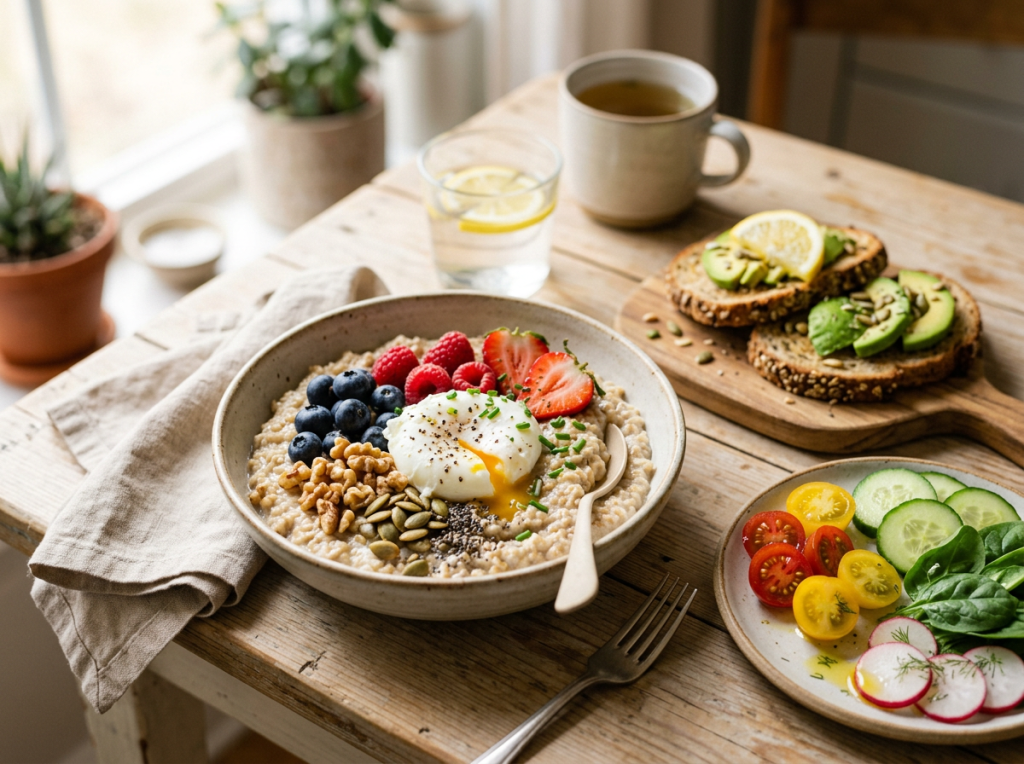


Ever wonder about your breakfast after a doctor’s visit? If your doctor talks about LDL numbers, you might question your breakfast. Should you eat eggs or oatmeal? These are common questions for those trying to eat healthier.
Oatmeal is known for lowering LDL levels because of its beta-glucan fiber. Eggs, on the other hand, are seen as neutral if eaten in moderation. This shows that it’s not just about calling one food “good” and the other “bad.”
We’ll look into the science behind these foods and how they can fit into a healthy diet. By the end, you’ll know how to choose a breakfast that fits your health goals.

Key Takeaways
- Both options can be nutritious, but their effects on LDL cholesterol differ.
- Oatmeal is effective in lowering LDL due to its fiber content.
- Eggs can be part of a balanced diet when consumed in moderation.
- The best choice may be to combine both foods for optimal health.
- Understanding the science can help you make better dietary decisions.
Understanding LDL Cholesterol and Why Breakfast Matters
LDL cholesterol is a key risk factor for heart disease. It’s often called “bad” cholesterol. High levels can lead to heart disease, the top killer of adults in the U.S. Knowing how diet affects LDL levels is key for heart health.
Not all foods raise LDL cholesterol the same. Some foods can increase LDL more than others. It’s important to know these differences. Your diet greatly impacts your health, including cholesterol levels.
Breakfast is more than just the first meal. It sets your eating habits for the day. Studies link regular breakfast to a healthier lifestyle and better nutrition. The foods you pick for breakfast can affect:
- Your overall energy intake throughout the day
- Satiety and hunger levels
- Dietary quality and nutrient intake
These factors are vital for heart health. Choosing wisely for breakfast can help manage LDL cholesterol. It promotes heart health.

The Science Behind Oatmeal and Cholesterol
Oatmeal is more than just a breakfast staple; it’s a powerful ally in managing cholesterol levels. The secret lies in a special type of soluble fiber known as beta-glucan. This remarkable fiber is the key reason why oatmeal can help lower LDL cholesterol.
When you eat oats, beta-glucan forms a gel in your digestive system. This gel plays a critical role by binding bile acids and carrying them out of the body before they can be reabsorbed. As a result, your liver must use cholesterol from your blood to produce more bile acids, which can effectively lower LDL levels.
Here’s a quick overview of how beta-glucan works:
- Forms a gel: When consumed, beta-glucan creates a viscous gel in the gut.
- Binds bile acids: This gel binds bile acids, preventing their reabsorption.
- Promotes cholesterol usage: The liver uses blood cholesterol to replace lost bile acids.
This active mechanism has been validated by clinical research, demonstrating oatmeal’s effectiveness in supporting heart health. In fact, oatmeal is recognized as an American Heart Association “certified heart healthy food,” mainly because of its high soluble fiber content.

Proven Benefits of Oatmeal for LDL Cholesterol
Oatmeal is a top choice for lowering LDL cholesterol. It’s a winner in the battle against bad cholesterol. The beta-glucan in oatmeal works well, backed by solid research and results. This fiber forms a gel in your gut, helping to remove bad cholesterol from your body.
Many studies have shown oatmeal’s benefits. People who ate oatmeal regularly had lower LDL cholesterol. The American Heart Association even calls oatmeal a heart-healthy food. This shows its value in a diet aimed at lowering cholesterol.
Clinical Evidence Supporting Oats
Studies show that eating at least 3 grams of beta-glucan from oats daily can lower LDL cholesterol. You can find this amount in about 1.5 cups of cooked oatmeal. Eating oatmeal regularly is key to seeing its benefits over time.
How Much Oatmeal Do You Need Daily?
To get the most benefits, aim for oatmeal that has enough beta-glucan. Here are some tips:
- Start your day with a bowl of oatmeal, ideally 1.5 cups cooked.
- Incorporate oatmeal into smoothies or baked goods for variety.
- Combine oatmeal with fruits and nuts for added nutrients.
Oatmeal is not just good for cholesterol. It’s also packed with fiber, B vitamins, iron, magnesium, and selenium. This makes it a great choice for your overall health, not just for cholesterol management.

The Truth About Eggs and LDL Cholesterol
Are eggs good or bad for fighting high LDL cholesterol? This debate has been ongoing for years. Eggs are often seen as a threat because of their cholesterol. But the link between dietary cholesterol and blood cholesterol is more complicated.
Many ask, do eggs raise LDL cholesterol? Studies show that eggs contain about 185–200 mg of dietary cholesterol per egg. But how they affect your cholesterol levels can differ. A study found that eating two eggs a day raised both LDL and HDL cholesterol. Yet, it didn’t change the LDL/HDL ratio, which is important for heart disease risk.
Separating Fact from Fiction
Despite their cholesterol content, many studies say eggs don’t significantly raise the risk of high cholesterol. In fact, eggs are full of protein, choline, and lutein. They can be part of a healthy diet. But they don’t lower LDL like oatmeal does.
What Research Actually Shows
Eggs can be healthy, but people with high cholesterol, heart disease, or type 2 diabetes should eat them in moderation. Limiting eggs to three or four a week can help manage cholesterol. This way, you can enjoy the nutritional benefits of eggs while keeping cholesterol in check.

The Real Culprit: Saturated Fat
Saturated fat, not the cholesterol in eggs, is key to raising LDL levels. Many are surprised to find that eggs aren’t the main issue. It’s the saturated fat they often come with that’s the real problem.
Imagine a butter-fried egg with bacon and cheesy grits. The egg is just a sidekick. Eating foods high in saturated fat can greatly increase your LDL cholesterol.
Why Saturated Fat Matters More Than Dietary Cholesterol
Studies show that saturated fat, not egg cholesterol, raises LDL. This means eggs might not be the main concern. It’s the foods high in saturated fat that are eaten with them that are more of a worry.
Common High-Saturated-Fat Breakfast Foods
Let’s look at some common breakfast foods that are high in saturated fat:
- Bacon
- Sausage
- Butter
- Cheese
- Processed breakfast meats
These foods can raise your LDL levels more than eggs. So, how you cook and pair your eggs is important for keeping cholesterol in check.

Typical Breakfast Combinations and Their Impact
Breakfast combinations can greatly affect your LDL cholesterol levels. Eggs have been unfairly blamed, but they are actually “not guilty”. When made without too much butter and not with processed meats, eggs are not as bad as thought.
The bacon-and-eggs problem happens when eggs are with high-fat meats like bacon or sausage. These add too many calories and unhealthy fats. This makes your breakfast less healthy and can raise your LDL cholesterol.
To help your heart, try these smart pairings for lower LDL:
- Eggs with whole-grain toast and fresh berries
- Eggs alongside sautéed vegetables
- Eggs served with a small portion of oatmeal
It’s all about the whole plate. The context of your breakfast is key for managing cholesterol. By choosing healthier options, you can enjoy your meals while keeping your heart healthy.

Nutritional Breakdown: Oatmeal vs. Eggs
Both oatmeal and eggs are great for breakfast. Each has its own health benefits. Let’s look at what makes them special.
Oatmeal’s Nutritional Profile
Key Nutrients in Oatmeal
Oatmeal is full of good stuff:
- Soluble Fiber (Beta-Glucan): This fiber helps lower bad cholesterol.
- B Vitamins: They help your body use energy.
- Iron: It’s key for making red blood cells.
- Magnesium: Good for muscles and nerves.
- Selenium: It fights off harmful free radicals.
Pros of Oatmeal
Oatmeal has many pluses:
- Active LDL-Lowering Fiber: Oatmeal’s beta-glucan is great for your heart.
- Heart-Healthy Certification: Approved by the American Heart Association.
- Versatility: You can add fruits, nuts, or spices to it.
Cons of Oatmeal
But there are some downsides:
- Higher Carbohydrate Content: It can raise blood sugar if you add too much sugar.
- Lower Protein: Oatmeal has less protein than eggs.
Eggs’ Nutritional Profile
Key Nutrients in Eggs
Eggs are also full of nutrients:
- High-Quality Protein: It’s good for muscles and growth.
- Choline: It’s great for your brain.
- Lutein and Zeaxanthin: They’re good for your eyes.
- Essential Vitamins and Minerals: Including vitamin D and B12.
Pros of Eggs
Eggs have many benefits:
- Protein Content: They keep you full.
- Versatility: You can cook them in many ways.
Cons of Eggs
But eggs have some downsides too:
- Dietary Cholesterol: Each egg has about 186 mg of cholesterol.
- No LDL-Lowering Effect: Eggs don’t lower bad cholesterol.

Oatmeal vs. eggs: Which breakfast is better for high LDL cholesterol?
Breakfast choices can significantly impact your LDL cholesterol levels. Oatmeal and eggs are both great options. This section will look at how they compare in three areas: LDL impact, heart health, and fullness.
Head-to-Head Comparison
LDL Impact
Oatmeal wins for LDL. It has a special fiber called beta-glucan that lowers LDL cholesterol. Eggs don’t have this effect, so oatmeal is better for cholesterol management.
Heart Health Benefits
Oatmeal is good for your heart because of its fiber. Eggs are rich in protein and nutrients but don’t help with LDL levels. So, oatmeal is better for heart health.
Versatility and Satiety
Eggs might keep you full longer, research shows. But oatmeal can be topped with many things, making it a versatile choice. Both have their benefits.
The Verdict on LDL Impact
In conclusion, oatmeal wins for LDL, but eggs are welcome to stay in your diet. The best breakfast might be a mix of both. This way, you get the best of both worlds for a healthy start to your day.

Building a Cholesterol-Friendly Breakfast
Making a heart-healthy breakfast is key if you’re worried about high LDL cholesterol. You can have both oatmeal and eggs without worrying about your cholesterol. Here are some tips to help:
Best Practices for Lowering LDL
- Choose Oatmeal Wisely: Pick oatmeal with at least 3 grams of beta-glucan. This fiber is good for lowering LDL.
- Prepare Eggs Mindfully: Cook eggs without too much butter or oil. Poaching or boiling is better for your heart.
- Pair with Fiber-Rich Foods: Add fruits, veggies, or whole grains to your breakfast. They make your meal even healthier.
The American Heart Association says healthy people can eat up to one whole egg a day. But if you have high LDL or other heart risks, be careful with dietary cholesterol and saturated fats.
Foods to Limit or Avoid
When making a cholesterol-friendly breakfast, know what to avoid. Here are some foods to limit or skip:
- Bacon and sausage
- Processed breakfast meats
- Butter and high-fat cheeses
- Sugary oatmeal toppings like brown sugar or sweetened dried fruits
How you cook your oatmeal and eggs matters a lot. By choosing wisely, you can have a tasty breakfast that’s good for your cholesterol.
Getting the Best of Both Worlds
Why not mix oatmeal and eggs for breakfast? This combo brings oats’ cholesterol-lowering benefits and eggs’ protein for lasting fullness. It’s a meal that’s both healthy and filling.
Combining Oatmeal and Eggs in One Meal
There are many ways to blend oatmeal and eggs in your breakfast. Here are a few ideas:
- Stirred Oatmeal with Egg: Stir a beaten egg into your oatmeal just before it’s done. Cook for a minute or two for a creamy texture.
- Savory Oats: Place a soft-cooked egg on top of your oats. Add a pinch of salt, cracked pepper, and your favorite greens.
- Oatmeal Bowl: Mix oats with a poached egg, sautéed spinach, and feta cheese for a nutritious twist.
- Breakfast Bowl: Combine oats with a soft-boiled egg, sliced avocado, and cherry tomatoes for a colorful, heart-healthy meal.
Sample Heart-Healthy Breakfast Ideas
Here are some breakfast ideas that show how oatmeal and eggs can work together:
- Oatmeal topped with a poached egg and fresh fruit.
- Savory oatmeal with a soft-cooked egg, sautéed kale, and hot sauce.
- Oatmeal mixed with scrambled eggs, diced tomatoes, and avocado.
By combining these two, you get the best of both. Remember, oatmeal wins for LDL, and eggs are welcome to stay. The smartest breakfast might just be both!
Conclusion
Oatmeal is great for lowering LDL cholesterol because of its beta-glucan fiber. It’s a smart breakfast choice. Eggs are also good in your diet, providing protein, choline, and lutein.
Eating both oatmeal and eggs for breakfast can be the best choice. They offer fiber and protein, making you feel full. Your diet should match your health goals and what you like.
Don’t cut out whole food groups to manage high LDL cholesterol. Instead, choose your meals wisely. Talking to a healthcare provider or dietitian can help. They can give you advice that fits your needs.





Leave a Reply